The kitchen stove has become one of the most reliable and essential appliances in modern households, integrating not just heating elements and ovens but also advanced electronic components. Among these features, the timer has grown to be an indispensable tool for both convenience and precision in cooking. It allows home chefs to multitask, manage time effectively, and ensure that meals are cooked to perfection without constant monitoring. When this timer stops functioning correctly, however, it can disrupt routines and create uncertainty in the kitchen. Understanding why a stove’s timer might stop working requires examining both the electronic and mechanical elements behind its operation.
A non-functioning timer is not always a result of catastrophic failure. In many cases, it reflects a specific component issue, wear from extended use, or an external factor such as electrical surges. By carefully analyzing the stove’s construction, its timer mechanism, and common failure points, it becomes easier to identify the source of the problem and explore whether repair or replacement is the most effective path forward.
The Role of Timers in Modern Stoves
Modern stoves rely heavily on digital control boards, which integrate multiple functions, from temperature regulation to timed cooking. The timer is not simply a clock but part of the stove’s control ecosystem. It often interacts with safety shutoff systems, pre-programmed cooking cycles, and alert systems. When the timer stops working, it can be more than just an inconvenience—it may indicate deeper issues within the control system.
Historically, timers were mechanical, using simple clockwork mechanisms powered by springs or small motors. Today, nearly all mainstream stoves employ digital timers, displayed through LED or LCD panels. These depend on microchips, wiring harnesses, and power regulation. Consequently, any failure in the timer function could be linked to problems in the display module, control board, keypad interface, or even external electrical supply.
Electrical Supply Issues Affecting the Timer
One of the most overlooked causes of a non-working stove timer is inconsistent or inadequate electrical supply. Stoves require stable current flow to power both the heating elements and the electronics. If voltage drops or power surges occur, the timer can malfunction.
For instance, a tripped circuit breaker or partially damaged power cord might still allow heating functions but leave the control electronics unstable. In some cases, electrical noise from other household appliances can interfere with sensitive control boards. Additionally, power surges following outages may damage the timer circuit directly, burning out capacitors or fuses embedded in the board.

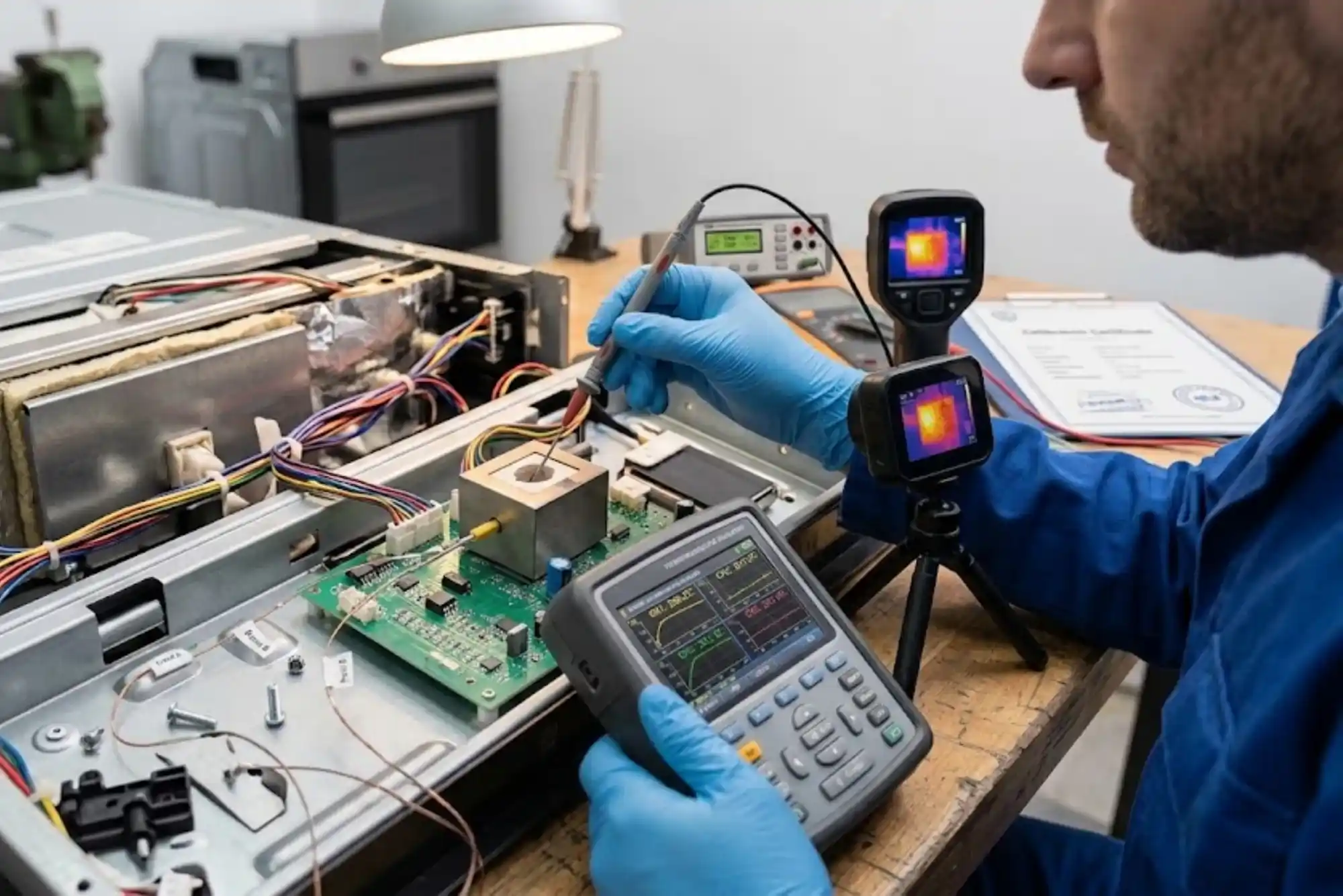
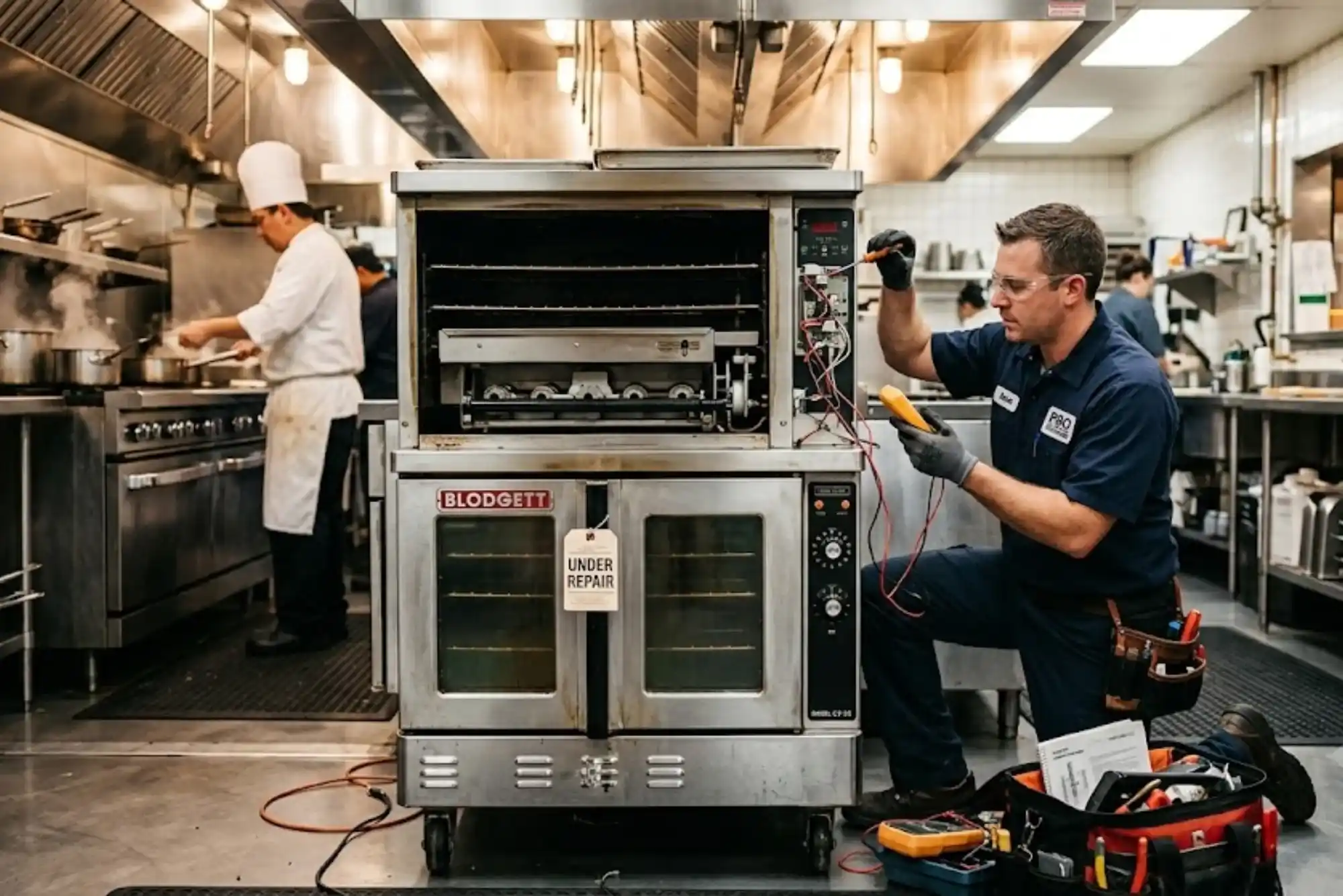
Diagnosing electrical supply issues typically requires testing with a multimeter, ensuring the outlet delivers consistent voltage, and checking that no protective fuses within the stove have blown.
Control Board Failures
At the heart of most digital timers lies the electronic control board. This component integrates multiple circuits, microprocessors, and relays. It processes user inputs, manages time functions, and communicates with the display. When it fails, the timer is often the first symptom noticed.
Control boards can fail gradually due to heat stress. Since they are housed within the stove body, exposure to constant temperature changes accelerates degradation of solder joints and small electronic parts. Over time, capacitors dry out, resistors lose tolerance, and integrated circuits malfunction.
If the timer display is completely dark or frozen, the control board may no longer be providing proper signals. Sometimes the issue is localized to one function, but often it suggests the beginning of complete board failure. Replacement of the control board is usually the most practical solution, as repair at the component level requires advanced soldering and diagnostics tools.
Display Panel Malfunctions
Even when the control board is functional, the display panel itself can fail. LED or LCD screens can burn out, lose segments, or become unresponsive due to worn ribbon cables or oxidized connectors. In these cases, the timer may technically be working in the background but cannot communicate visually with the user.
Another common problem is dimming displays. If the screen becomes too faint to read, it might be a power supply issue within the panel or simply aging illumination components. Unlike old mechanical timers, modern digital displays are integral to usability, meaning failure of the screen renders the timer effectively useless.
Replacing the display often requires replacing the entire electronic assembly, as manufacturers rarely sell screens as standalone parts.
Keypad and User Interface Issues
Timers rely on user input to set and adjust functions. If the keypad or touchpad is malfunctioning, it may seem like the timer is broken when in reality it is not receiving proper commands.
Membrane-style keypads, common in many stoves, wear down after repeated pressing. The conductive material beneath the buttons can lose sensitivity, making inputs inconsistent. Touch-sensitive panels may also fail due to calibration errors or interference from moisture and grease, both of which are common in kitchen environments.
Testing the keypad often involves entering diagnostic modes or checking continuity across the input circuits. In many cases, replacing the keypad or entire user interface is the only reliable repair.
Internal Wiring and Connector Problems
Wiring harnesses connect the timer, control board, keypad, and display. Over time, vibration, heat, and accidental strain during maintenance can loosen or damage these connections. A loose connector might intermittently cut power to the timer, causing the display to blink, freeze, or fail completely.
In older appliances, wiring insulation can degrade, leading to shorts or partial conductivity. Rodents can also damage wiring in some environments. Identifying these issues requires opening the stove panels and visually inspecting for burns, frayed wires, or disconnected plugs.
Software Glitches and Reset Needs
As appliances have become more computerized, software-related issues have become more common. A stove’s timer is controlled by embedded firmware that can sometimes freeze or glitch. Symptoms might include unresponsive timers, incorrect countdowns, or timers that reset themselves unexpectedly.
Many manufacturers recommend performing a hard reset, typically by unplugging the stove for several minutes and reconnecting it. This clears temporary memory and reboots the firmware. While this may resolve minor glitches, recurring problems often suggest deeper firmware corruption or hardware faults.
Mechanical Timer Limitations in Older Models
Although less common today, mechanical stoves with dial-style timers can also fail. In these units, timers operate with gears, springs, and small motors. Wear on these parts leads to inaccurate timing or complete stoppage. Dirt, grease, and hardened lubricants further restrict movement, making the timer unreliable.
Repair is sometimes possible by cleaning and re-lubricating, but in most cases replacement is easier, given the scarcity of compatible parts.
Preventive Care for Prolonged Timer Life
While failures can occur unexpectedly, preventive measures extend the life of stove timers. Keeping the stove’s environment clean helps reduce grease and dust buildup that may affect keypads and display panels. Avoiding sudden power interruptions or using surge protectors minimizes electrical stress on control boards.
Regularly checking wiring connections during routine maintenance can also prevent intermittent faults. Finally, following manufacturer recommendations for resets or calibrations ensures the software runs smoothly.
When Professional Help Becomes Necessary
Although homeowners can attempt basic troubleshooting—such as verifying power supply, resetting the appliance, or cleaning keypad surfaces—many timer issues require specialized tools and parts. Opening the control panel without proper training risks electrical shock and further damage.
A certified technician can test voltages, diagnose control board health, and replace faulty assemblies safely. Professional help is particularly essential if the timer problem is accompanied by other malfunctions, such as heating irregularities or oven lock errors, since these may all trace back to the same failing control system.
Balancing Repair and Replacement Decisions
A key consideration when dealing with a broken stove timer is whether repairing the unit is worth the cost compared to replacement. If the stove is relatively new and under warranty, pursuing repair is the clear choice. However, in older appliances where multiple components are aging, investing in a new unit may provide better value.
The timer may seem like a small feature, but because it integrates deeply with modern control systems, its repair costs can sometimes approach half the price of a replacement stove. Evaluating repair quotes against the stove’s age, reliability, and energy efficiency helps determine the right decision.
Restoring Reliability to Your Kitchen
A malfunctioning stove timer disrupts more than just cooking schedules—it reflects the complex interplay between modern appliance electronics and daily household needs. From electrical supply issues and control board failures to keypad malfunctions and display degradation, many factors can cause the timer to stop working.
By understanding these common failure points, homeowners gain clarity on whether to attempt simple resets, call a technician, or consider replacement. Preventive care, such as keeping the appliance clean and protecting it from surges, also helps extend its lifespan.
Ultimately, while a broken timer may seem like a minor inconvenience, addressing the problem promptly restores not only convenience but also the overall reliability and safety of the stove.