In today’s fast-paced homes, the oven is no longer just a cooking appliance—it is the quiet engine behind daily routines, family dinners, and weekend baking traditions. When it starts underperforming, the entire rhythm of the kitchen shifts. This is where oven servicing solutions become essential, not as a reactive fix, but as a preventive and strategic approach to maintaining long-term kitchen efficiency.
Across modern households, especially in urban environments where cooking appliances work harder and more frequently, professional servicing has evolved into a specialized field. From temperature inconsistencies to electrical faults and worn heating elements, ovens require a level of technical attention that goes beyond surface-level repairs.
Service providers such as Al Barouda Oven Repair Service have reshaped how homeowners approach appliance maintenance, focusing on diagnostics, precision repairs, and long-term performance enhancement rather than quick fixes.
The Hidden Complexity Behind Modern Ovens
At first glance, an oven seems simple: turn it on, set a temperature, and cook. But beneath the surface lies a sophisticated system of heating elements, thermostats, sensors, control boards, and safety mechanisms. When one component begins to fail, the entire cooking process becomes inconsistent.
For example, uneven baking or longer cooking times are often early indicators of deeper issues such as faulty temperature sensors or degraded heating coils. Many homeowners initially misinterpret these signs as minor inconveniences, but they often point to the need for professional intervention.
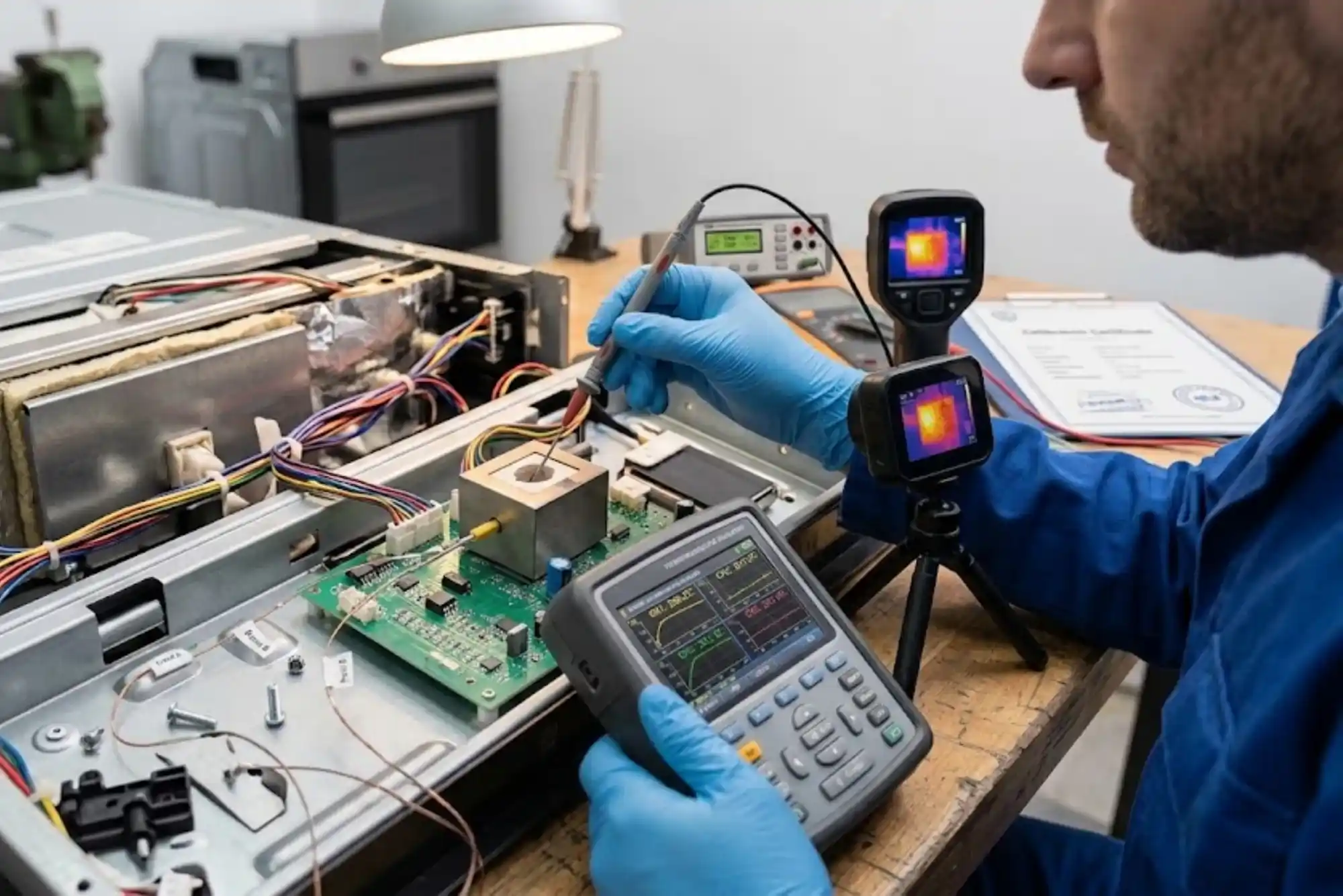
Modern oven servicing solutions focus heavily on diagnostics. Technicians don’t just repair visible issues—they trace performance patterns, identify electrical irregularities, and ensure that every component is calibrated correctly.

Why Preventive Oven Maintenance Matters More Than Ever
Preventive care is the cornerstone of modern appliance management. Rather than waiting for a breakdown, regular servicing ensures that ovens operate efficiently throughout their lifespan.
One of the most overlooked aspects of oven care is heat distribution efficiency. When an oven is not maintained, energy consumption increases, cooking times become unpredictable, and internal components wear down faster.
Professional services like oven preventive maintenance service focus on cleaning internal systems, checking electrical integrity, and ensuring thermal balance. This proactive approach significantly reduces long-term repair costs.
Key benefits of preventive oven servicing include:
- Improved energy efficiency and reduced electricity usage
- Consistent cooking temperatures and better food quality
- Early detection of electrical or mechanical faults
- Extended appliance lifespan
In many cases, preventive maintenance also eliminates the need for emergency repairs, which tend to be more expensive and disruptive.
Common Oven Issues That Require Professional Servicing
While some minor issues can appear harmless, they often signal deeper technical problems. One of the most common complaints is uneven heating, which can result from malfunctioning thermostats or worn-out heating elements.
Another frequent issue is digital control failure, where touch panels become unresponsive or display incorrect settings. This is particularly common in modern built-in ovens where electronic systems dominate functionality.
In cases of complex faults, homeowners often turn to expert solutions such as oven maintenance service Sharjah, which provide targeted diagnostics and brand-specific repairs.
Similarly, structural or embedded oven systems often require specialized attention. The growing demand for built-in oven repair highlights how modern kitchen designs require highly technical servicing approaches.
The Role of Skilled Technicians in Oven Servicing
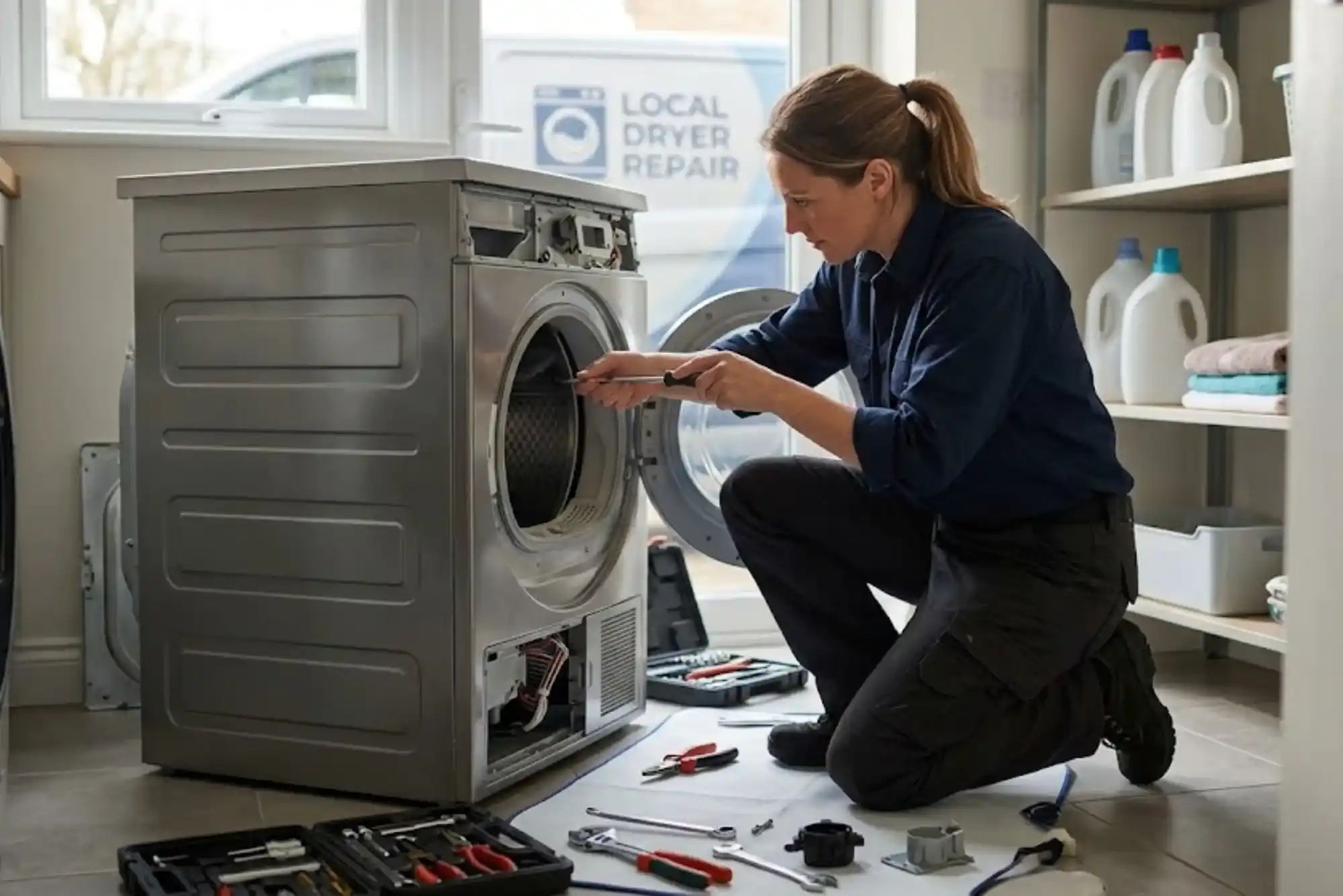
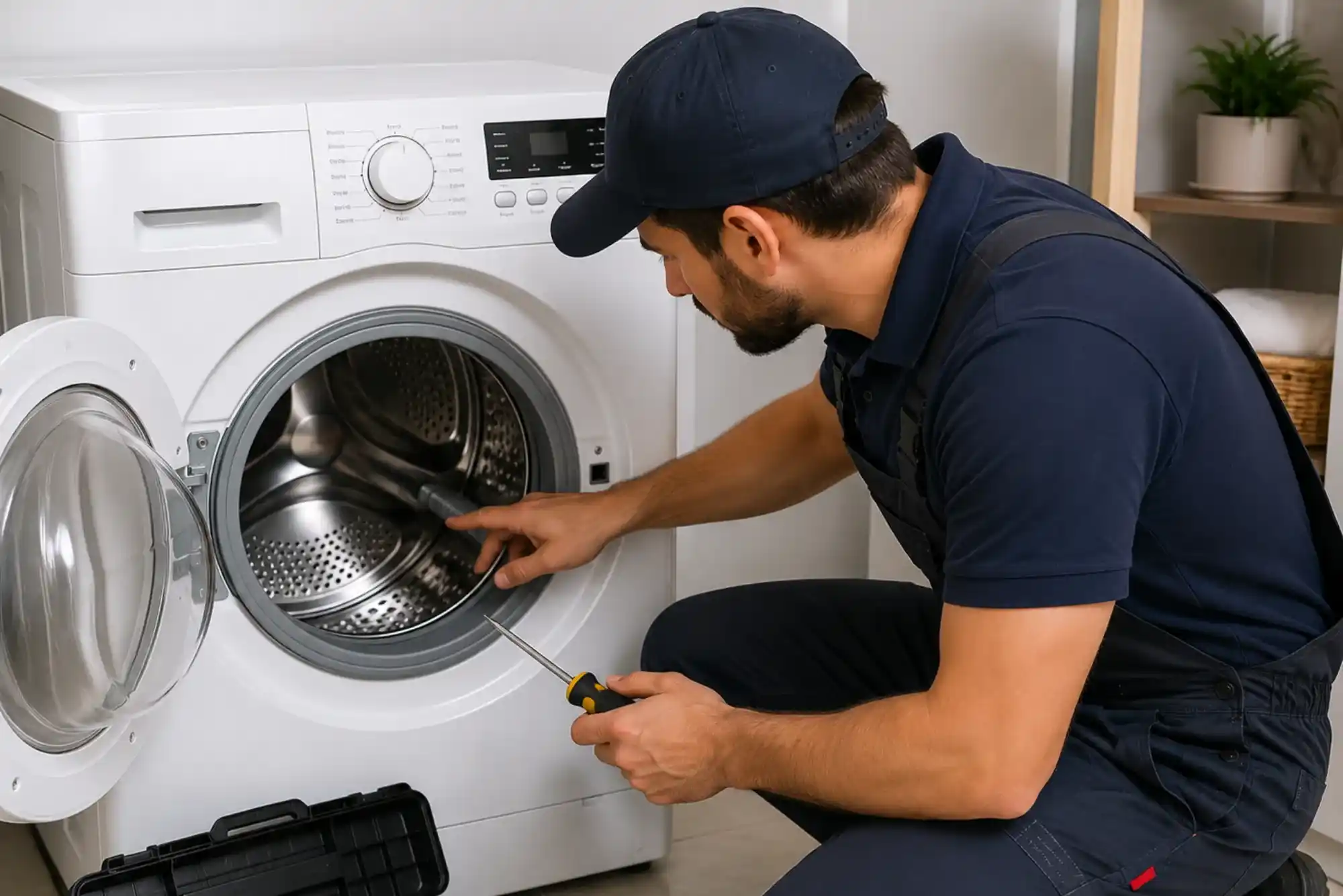
Behind every effective repair is a skilled technician who understands not only the mechanics of the appliance but also the evolving technologies within it. Today’s ovens are equipped with smart sensors, energy-efficient heating systems, and digital interfaces that require continuous learning and adaptation.
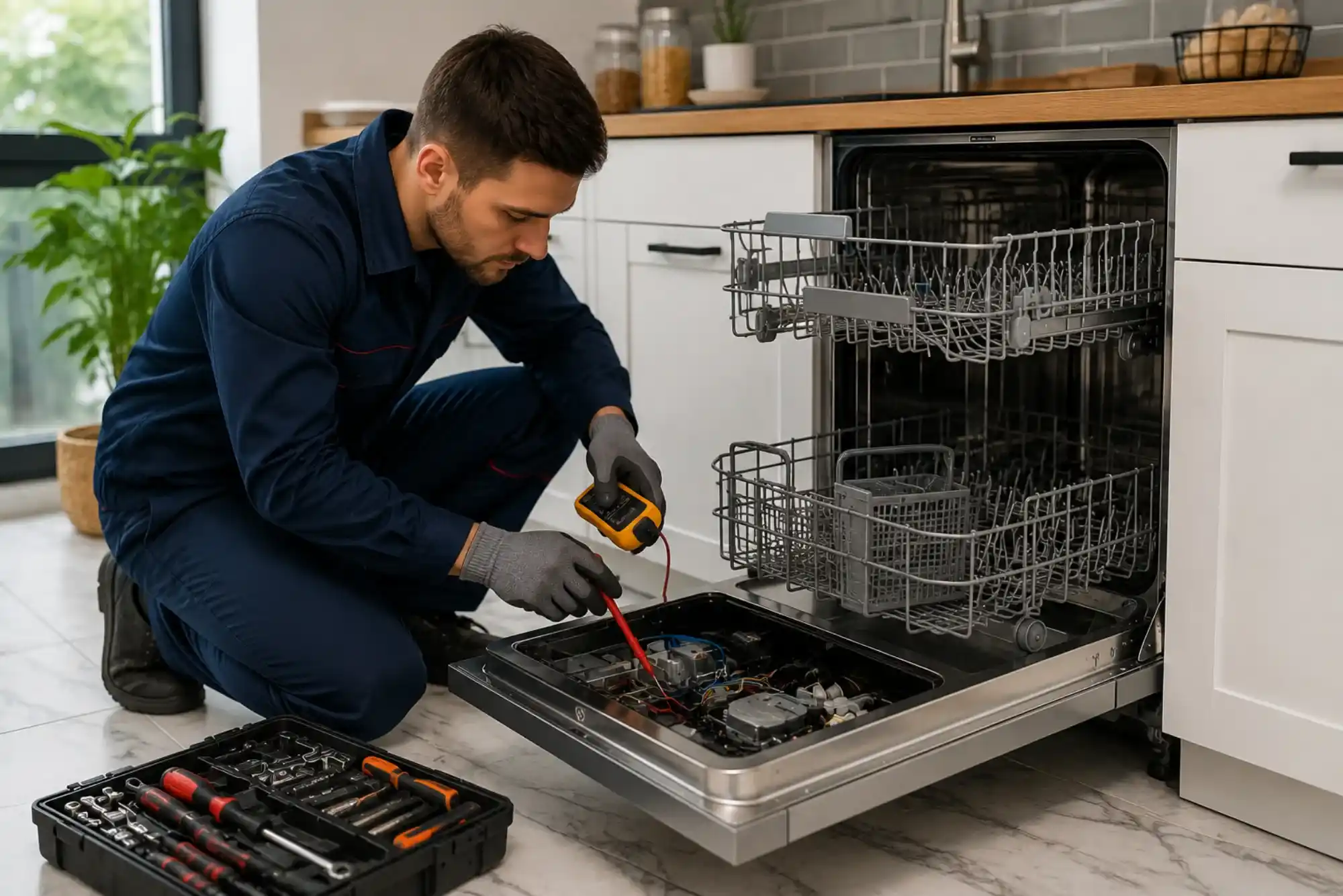
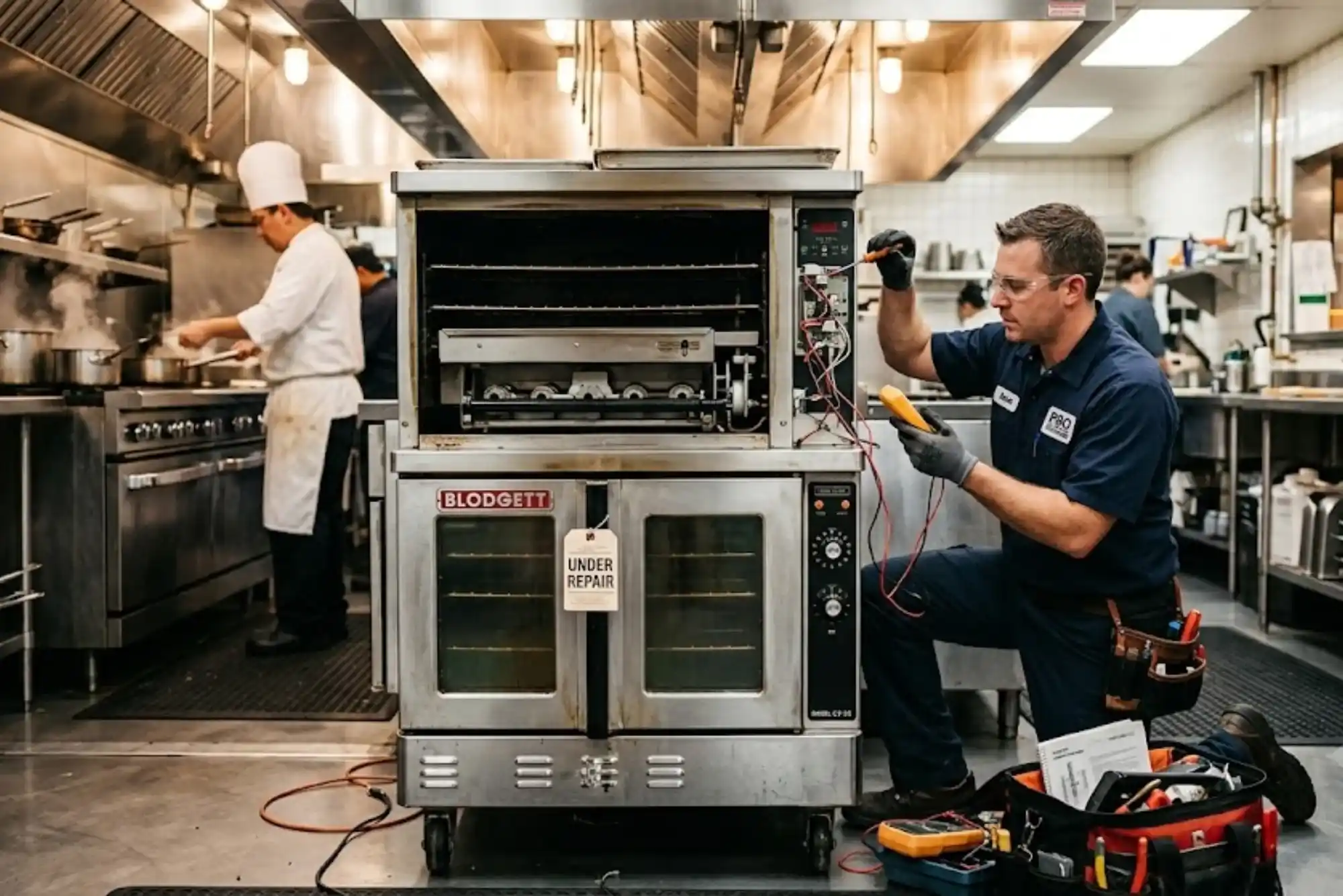
Professional servicing teams now operate more like diagnostic specialists than traditional repair workers. They analyze system behavior, run thermal tests, and ensure safety compliance before completing any repair work.
In high-demand regions, rapid-response services such as 24 hour oven repair Dubai have become essential, especially for households and commercial kitchens where downtime directly affects daily operations.
How Technology is Transforming Oven Repair Solutions
The integration of smart technology into kitchen appliances has changed the repair landscape dramatically. Modern ovens often include digital control systems, Wi-Fi connectivity, and self-diagnosis features that help technicians identify problems more accurately.
This technological evolution has improved repair accuracy but also increased complexity. A minor software glitch can now affect heating performance just as much as a mechanical fault.
To keep up with these advancements, professional servicing providers are investing in updated diagnostic tools and continuous training. The goal is no longer just repair—it is optimization.
Environmental Impact and Energy Efficiency Considerations
Oven servicing is not only about performance but also about sustainability. Poorly maintained ovens consume more energy, contributing to higher electricity bills and unnecessary environmental strain.
According to the ENERGY STAR program, efficient appliance maintenance can significantly reduce household energy consumption. This includes ensuring heating elements are functioning properly, seals are intact, and internal systems are clean.
Regular servicing aligns with global sustainability goals by reducing waste and extending appliance life cycles, minimizing the need for premature replacements.
Practical Maintenance Habits for Homeowners
While professional servicing is essential, homeowners can also adopt simple habits to maintain oven performance between service appointments.
Cleaning spills immediately, avoiding excessive force on control knobs, and periodically checking door seals can make a noticeable difference in efficiency. However, deeper mechanical or electrical issues should always be handled by professionals.
For instance, irregular heating or unusual noises often indicate internal faults that require expert attention rather than DIY fixes.
When Repair Turns Into Restoration
In some cases, ovens reach a stage where simple repair is no longer enough. Older systems may require partial restoration, where key components such as heating coils, thermostats, or control boards are replaced to bring the appliance back to optimal condition.
This approach is often more cost-effective than full replacement and is widely used in professional servicing frameworks. It reflects a broader shift in appliance care—from disposable repair culture to sustainable restoration practices.
Conclusion: The Future of Oven Servicing Solutions
The evolution of oven servicing solutions reflects a larger transformation in how households view appliance care. It is no longer about reacting to breakdowns but about maintaining continuous performance, efficiency, and safety.
With advanced diagnostics, skilled technicians, and preventive maintenance strategies, modern oven servicing ensures that kitchens remain functional, energy-efficient, and reliable for years.
As technology continues to evolve, the role of professional servicing will only become more important—bridging the gap between complex appliances and everyday usability.
Frequently Asked Questions (FAQs)
1. How often should an oven be serviced?
Most ovens should be professionally serviced once every 12–18 months, depending on usage frequency.
2. What are the signs my oven needs repair?
Uneven heating, longer cooking times, unresponsive controls, or unusual noises are common warning signs.
3. Can I clean my oven instead of servicing it?
Regular cleaning helps, but it does not replace professional servicing, which includes internal diagnostics and safety checks.
4. Is it worth repairing an old oven?
Yes, in many cases repair or partial restoration is more cost-effective than buying a new unit.
5. What affects oven efficiency the most?
Dirty heating elements, faulty thermostats, and worn door seals are the most common efficiency reducers.
Related Reading: Oven Performance Repair — full guide
Related Reading: AC Performance Improvement Service