In every modern kitchen, the oven is more than just a cooking appliance. It represents precision, convenience, and consistency. Whether it is a gas oven used for daily baking or an electric model designed for professional cooking, maintaining its performance is essential. Over time, continuous usage exposes the oven to heat, grease, and food residue, all of which can gradually affect its efficiency. Preventive maintenance service plays a vital role in ensuring that an oven continues to perform safely and effectively while extending its overall lifespan.
Oven preventive maintenance is not a luxury but a necessity for both homes and commercial kitchens. It is a proactive approach designed to detect potential issues before they turn into costly repairs. Through scheduled inspections and cleaning, this service helps keep every component of the oven in optimal condition. Proper maintenance not only ensures consistent cooking results but also reduces the risk of unexpected breakdowns that can disrupt daily routines.
The Importance of Preventive Maintenance
Every oven, no matter its brand or model, operates under conditions that involve high temperatures, electrical elements, and in some cases, gas flow. These conditions demand regular attention to maintain safety and functionality. Dust, grease, and food particles accumulate over time and can clog vents, reduce heat circulation, or even cause mechanical strain on internal parts. Without regular maintenance, these small issues slowly escalate into major operational failures.
Preventive maintenance allows technicians to identify wear and tear early. Replacing worn-out components or adjusting heating elements before they fail prevents the inconvenience of sudden breakdowns. This process also ensures energy efficiency because an oven that operates smoothly consumes less power while maintaining stable temperatures. The goal is not only to prevent malfunction but to optimize performance for years of dependable service.
How Preventive Maintenance Works
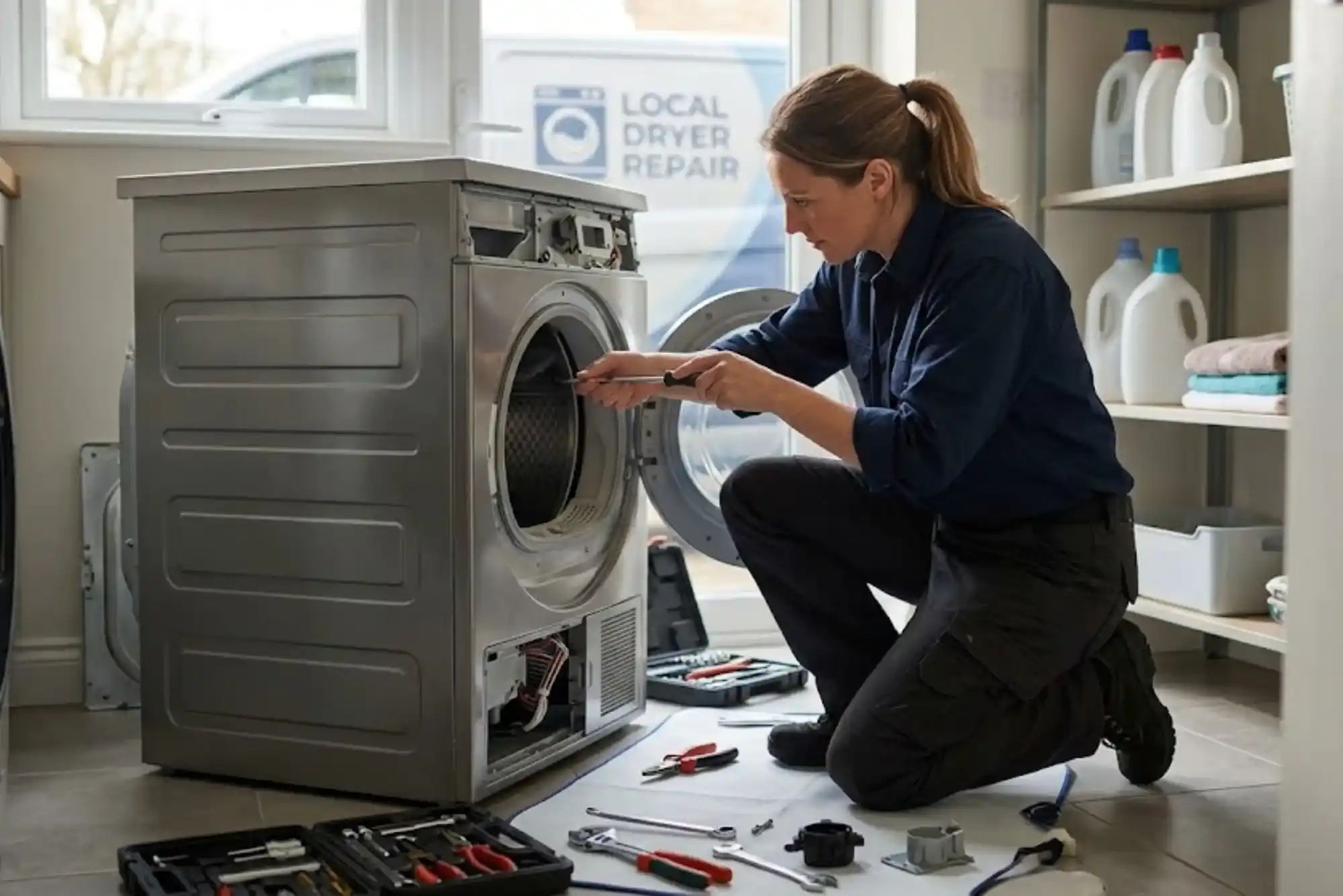
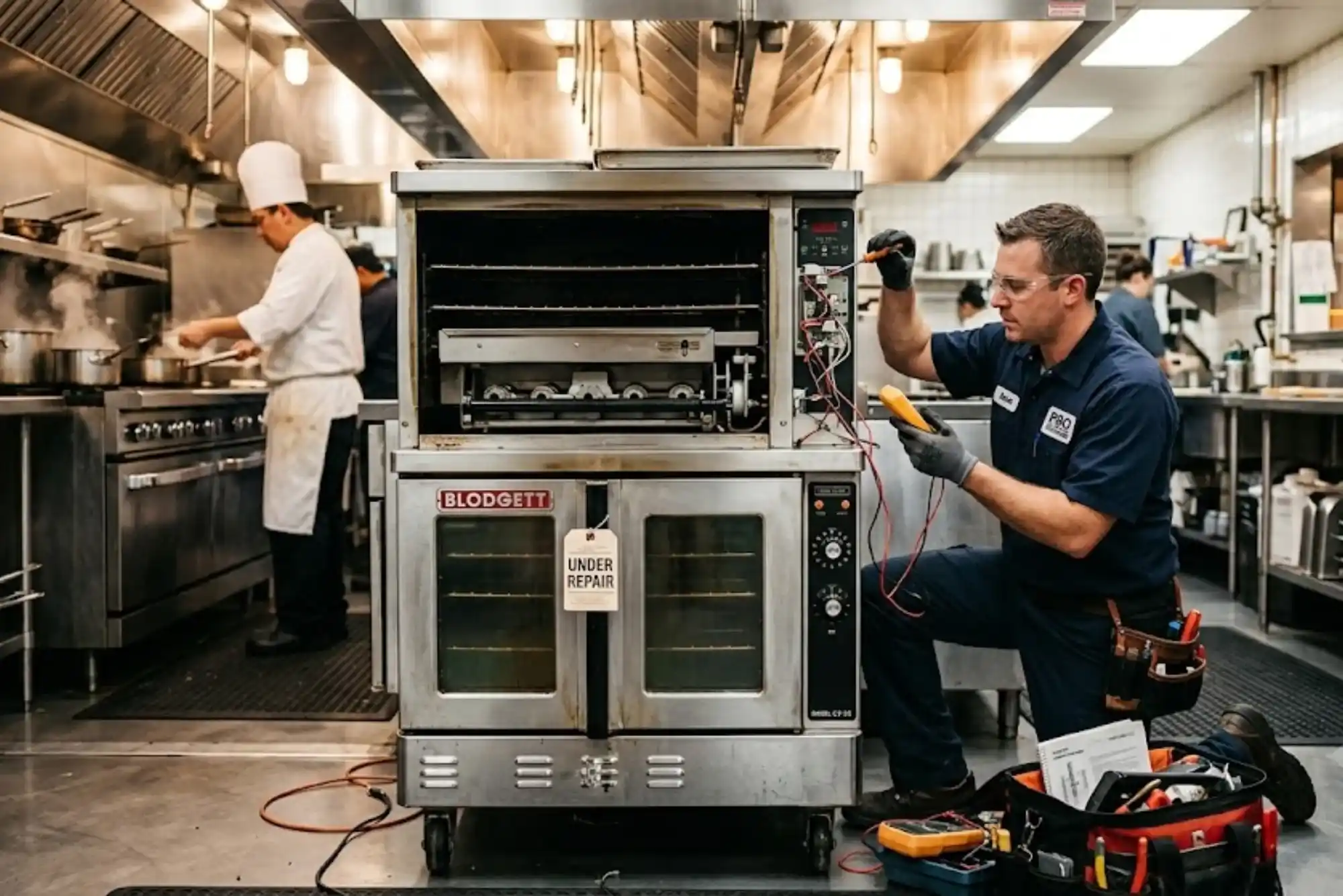
Oven preventive maintenance service involves a detailed inspection and cleaning process performed by trained professionals. During this service, technicians assess key elements such as the heating components, gas lines, fans, thermostats, igniters, and electrical connections. Each of these parts plays a crucial role in ensuring consistent performance.
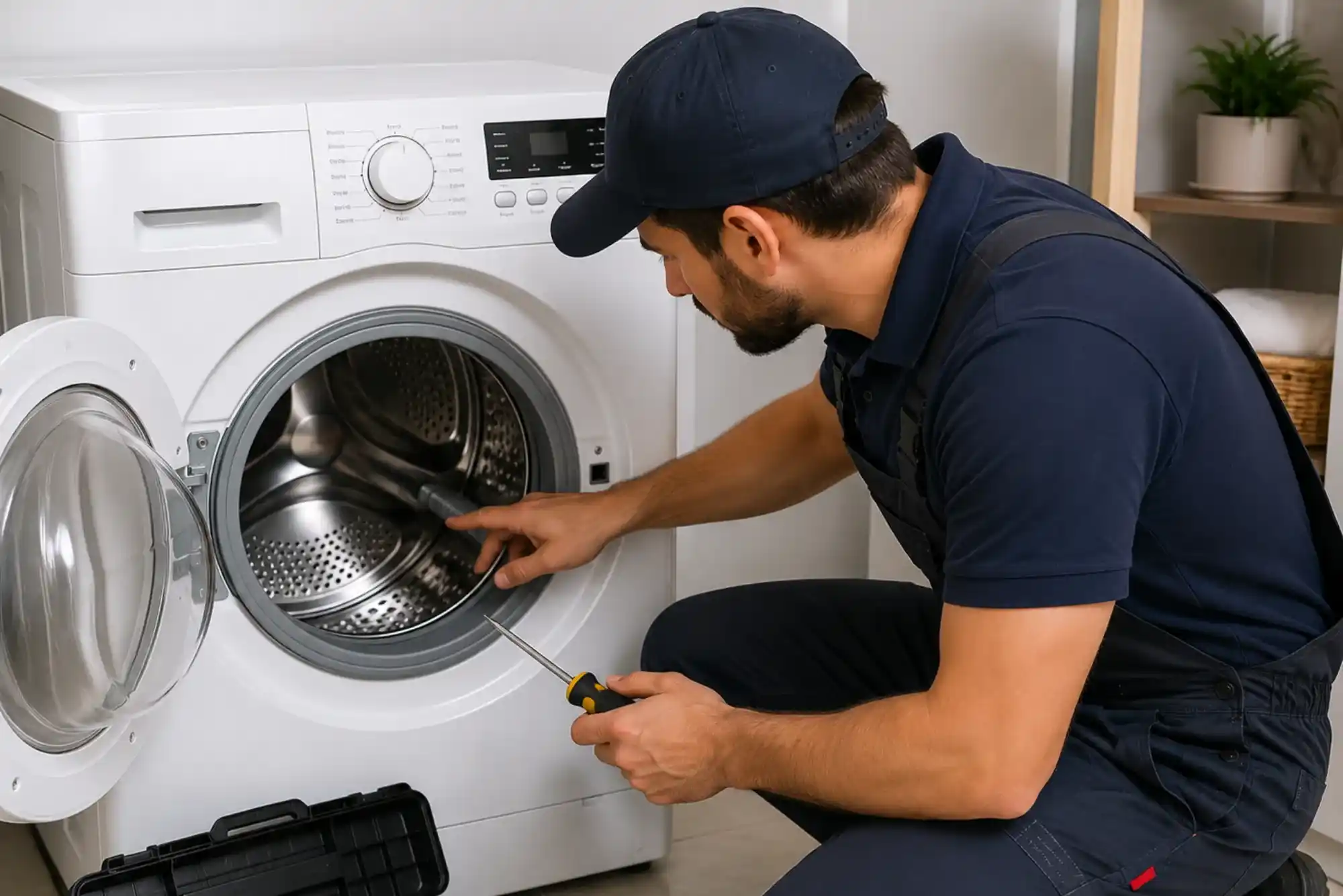
Technicians typically begin by examining the oven’s external condition and internal chambers. They check the seals, hinges, and door gaskets to ensure no heat is escaping. Any leakage in these areas can lead to uneven cooking or increased energy consumption. Internal cleaning focuses on removing grease buildup, carbon deposits, and food residue that can block heat circulation or interfere with sensors.

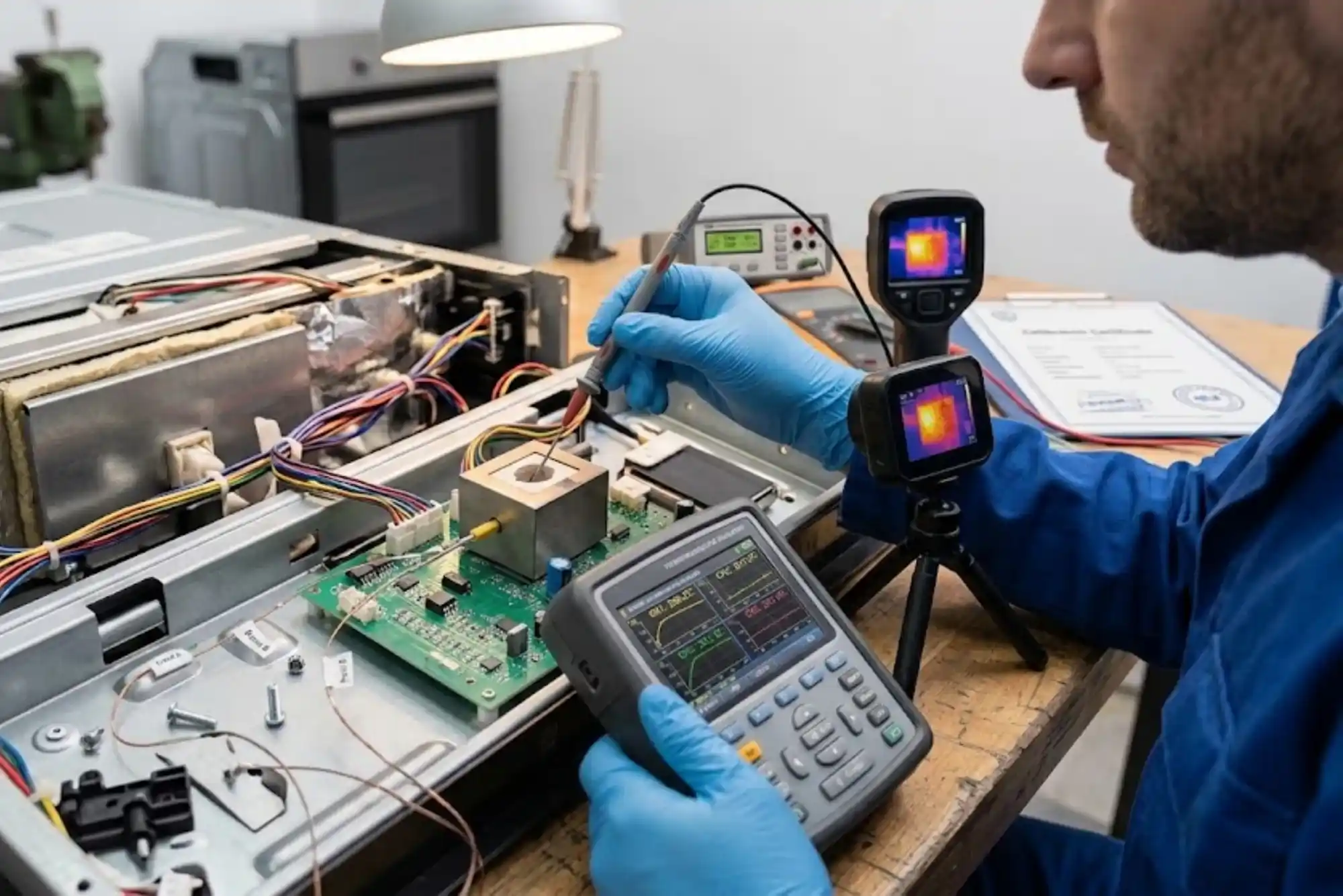
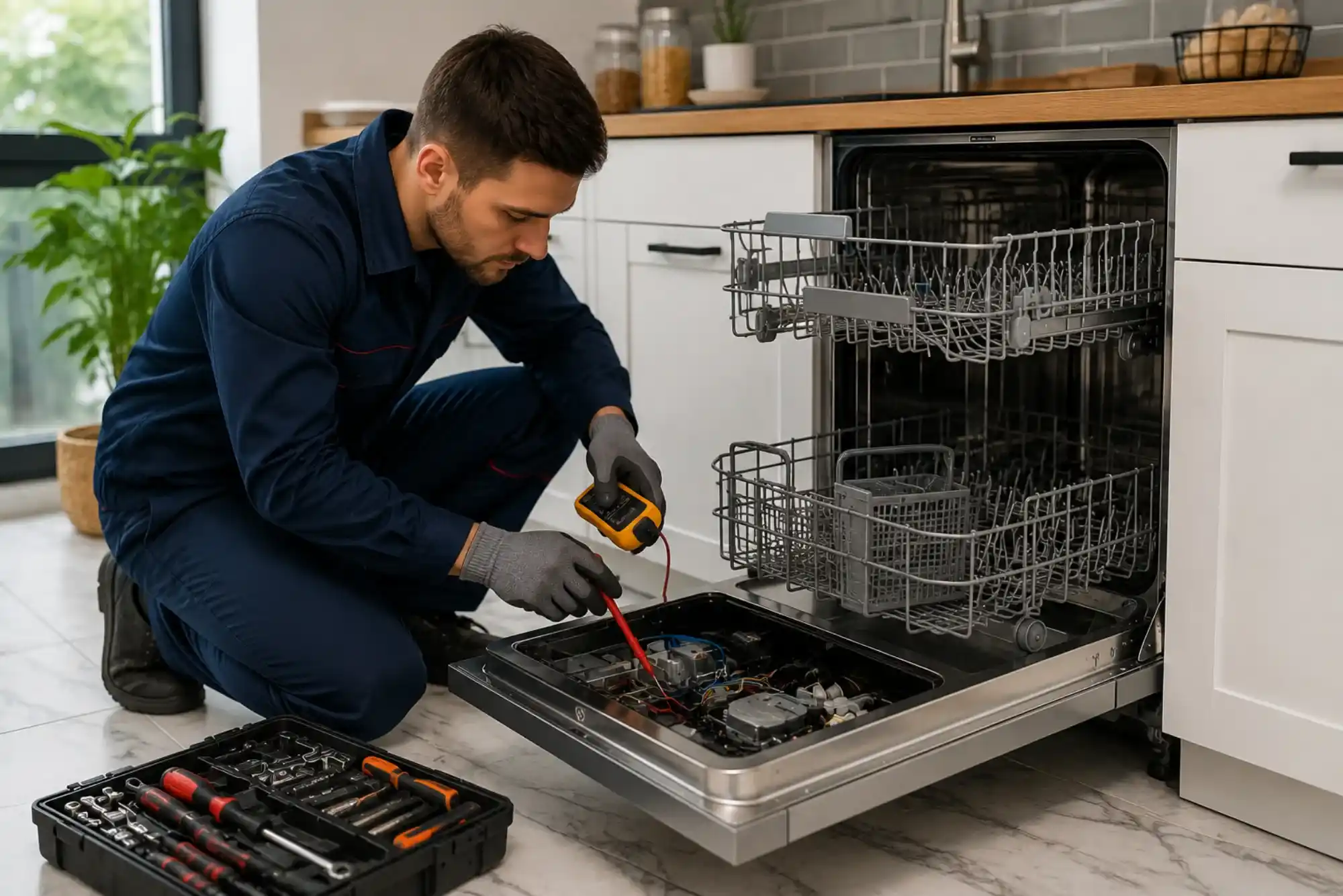
After cleaning, operational tests are conducted to confirm that temperature readings match the set controls. For gas ovens, technicians verify that there are no leaks in the lines and that the burners are producing a consistent flame. In electric ovens, they test the heating coils and thermostat accuracy. The objective is to confirm that every component functions harmoniously, minimizing the risk of malfunction.
Extending the Life of the Oven
An oven is an investment that deserves protection through consistent care. Regular preventive maintenance extends its operational lifespan by keeping every part in working order. When heat distribution remains balanced, internal wiring stays secure, and moving components operate without strain, the appliance performs efficiently for a longer period.
Overheating due to poor ventilation or clogged filters is one of the most common causes of premature damage. Preventive maintenance eliminates such risks by ensuring the oven breathes properly and maintains stable internal temperatures. It also prevents electrical overload by verifying that circuits and connections remain intact. This approach significantly reduces the likelihood of replacement expenses and helps homeowners or businesses get the most out of their appliances.
Ensuring Safety and Reliability
Safety is one of the most critical reasons for scheduling oven preventive maintenance. A malfunctioning gas valve, a blocked vent, or faulty wiring can lead to severe hazards, including fire or gas leakage. Regular inspections identify these risks early, ensuring the oven remains safe to operate.
Technicians performing maintenance follow strict safety protocols. They not only clean and test the oven but also confirm that all connections are secure and all safety systems function correctly. For example, gas ovens require careful inspection of the regulator and burner assembly, while electric ovens demand thorough checking of heating coils and insulation. This systematic care prevents potential accidents and promotes peace of mind.
Improving Energy Efficiency
An oven that operates with precision consumes less energy while producing better results. When heating elements or gas burners are clean and fully functional, they reach the desired temperature faster and maintain it without fluctuation. Blocked vents or worn-out components force the oven to work harder, leading to increased energy consumption.
Preventive maintenance directly contributes to energy efficiency by restoring the appliance to its intended operational standard. Even small adjustments, such as recalibrating thermostats or cleaning clogged jets, can reduce energy bills noticeably. This is particularly important for commercial kitchens, where multiple ovens run daily, and energy savings translate to significant cost reductions.
Enhancing Cooking Performance
Performance consistency is one of the most appreciated outcomes of oven preventive maintenance. Over time, minor issues like uneven heating or inaccurate temperature control begin to affect food quality. Dishes may burn on one side or remain undercooked on another, causing frustration for users.
Through maintenance, technicians ensure even heat distribution and accurate temperature readings. They calibrate thermostats and clean elements that influence cooking precision. The result is uniform performance, allowing users to achieve consistent baking, roasting, or grilling results every time.
Reducing Downtime and Repair Costs
Unplanned breakdowns can be disruptive, especially in environments where ovens are used daily. When a unit fails unexpectedly, it not only causes inconvenience but also results in costly emergency repairs. Preventive maintenance minimizes this risk by identifying potential problems early.
By addressing issues during scheduled maintenance sessions, owners avoid the need for urgent service calls and part replacements. This proactive approach is far more cost-effective than reactive repairs. It ensures that ovens remain operational with minimal interruptions, which is particularly valuable for businesses that depend on continuous production or service schedules.
The Role of Professional Technicians
While basic cleaning can be done by users, preventive maintenance requires professional expertise. Technicians possess the technical knowledge, tools, and safety training necessary to inspect gas and electrical components properly. Attempting to perform such maintenance without proper training can lead to errors or even safety hazards.
Professional technicians follow a structured process that complies with manufacturer standards. They document findings, provide performance reports, and recommend corrective actions if needed. Their attention to detail ensures that the oven receives comprehensive care beyond surface cleaning. Working with trained specialists not only protects the appliance but also upholds warranty conditions in many cases.
Scheduling Regular Maintenance
Preventive maintenance is most effective when performed regularly. The frequency depends on how often the oven is used and the type of cooking performed. For household ovens used daily, semi-annual service is often sufficient. In commercial kitchens with heavy usage, quarterly inspections may be recommended.
Consistent scheduling ensures that minor issues are detected early and that performance remains stable year-round. It also allows technicians to track the condition of critical components, helping owners plan replacements in advance rather than facing sudden failures. Establishing a long-term maintenance schedule creates predictability, reliability, and better appliance management.
The Long-Term Value of Preventive Maintenance
Investing in preventive maintenance offers long-term value that goes beyond immediate performance improvements. It preserves the efficiency of the appliance, reduces energy costs, enhances safety, and ensures consistent cooking results. Over the life of the oven, these benefits translate into significant savings and improved user satisfaction.
A well-maintained oven is also environmentally friendly. By consuming less energy and avoiding premature disposal, it contributes to sustainability. Regular maintenance helps extend the useful life of materials and reduces waste, aligning with eco-conscious living.
Conclusion
Oven preventive maintenance service is a fundamental practice that guarantees safety, reliability, and efficiency in every kitchen. Rather than waiting for a malfunction to occur, proactive care ensures that the appliance continues to perform at its best for years. By cleaning, inspecting, and testing each component, maintenance services prevent breakdowns, improve energy efficiency, and enhance cooking precision.
For both home users and commercial operators, maintaining the oven through regular professional service is an investment that protects performance, saves costs, and ensures safety. A well-maintained oven not only works better but also adds comfort and confidence to every cooking experience. Preventive maintenance remains the smartest and most practical way to keep this essential kitchen appliance in its best possible condition.