A built-in oven is an essential appliance in modern kitchens, offering convenience, style, and efficiency for everyday cooking. However, like any electrical appliance, it can develop faults over time. Built-in oven repair becomes necessary when performance declines, heating becomes uneven, or the appliance stops working entirely. Understanding the common problems and their solutions can help homeowners maintain their ovens and avoid costly replacements.
Built-in ovens are designed to fit seamlessly into kitchen cabinetry, which makes them aesthetically pleasing but sometimes more complex to repair. When issues arise, identifying the root cause is the first step toward effective built-in oven repair. Many problems begin with minor faults that, if ignored, can develop into major malfunctions. Regular maintenance and timely repairs are essential to keep the appliance functioning efficiently.
Common Heating Problems in Built-In Ovens
One of the most frequent issues homeowners face is improper heating. When an oven fails to heat up or does not reach the desired temperature, cooking becomes inconsistent and frustrating. This problem often originates from a faulty heating element or a malfunctioning thermostat. In such situations, built-in oven repair requires careful inspection of internal components.
Heating elements can wear out over time due to continuous usage. When they become damaged, the oven may heat unevenly or not at all. A professional technician can identify whether the element needs replacement or if there is an electrical issue causing the malfunction. Addressing heating problems early ensures better cooking performance and prevents further damage.
Temperature inconsistency is another common concern. If food is overcooked on one side and undercooked on the other, it indicates uneven heat distribution. Built-in oven repair in such cases involves checking the fan system, thermostat calibration, and internal sensors. Proper repair restores accurate temperature control and improves cooking results.
Electrical Issues and Their Impact
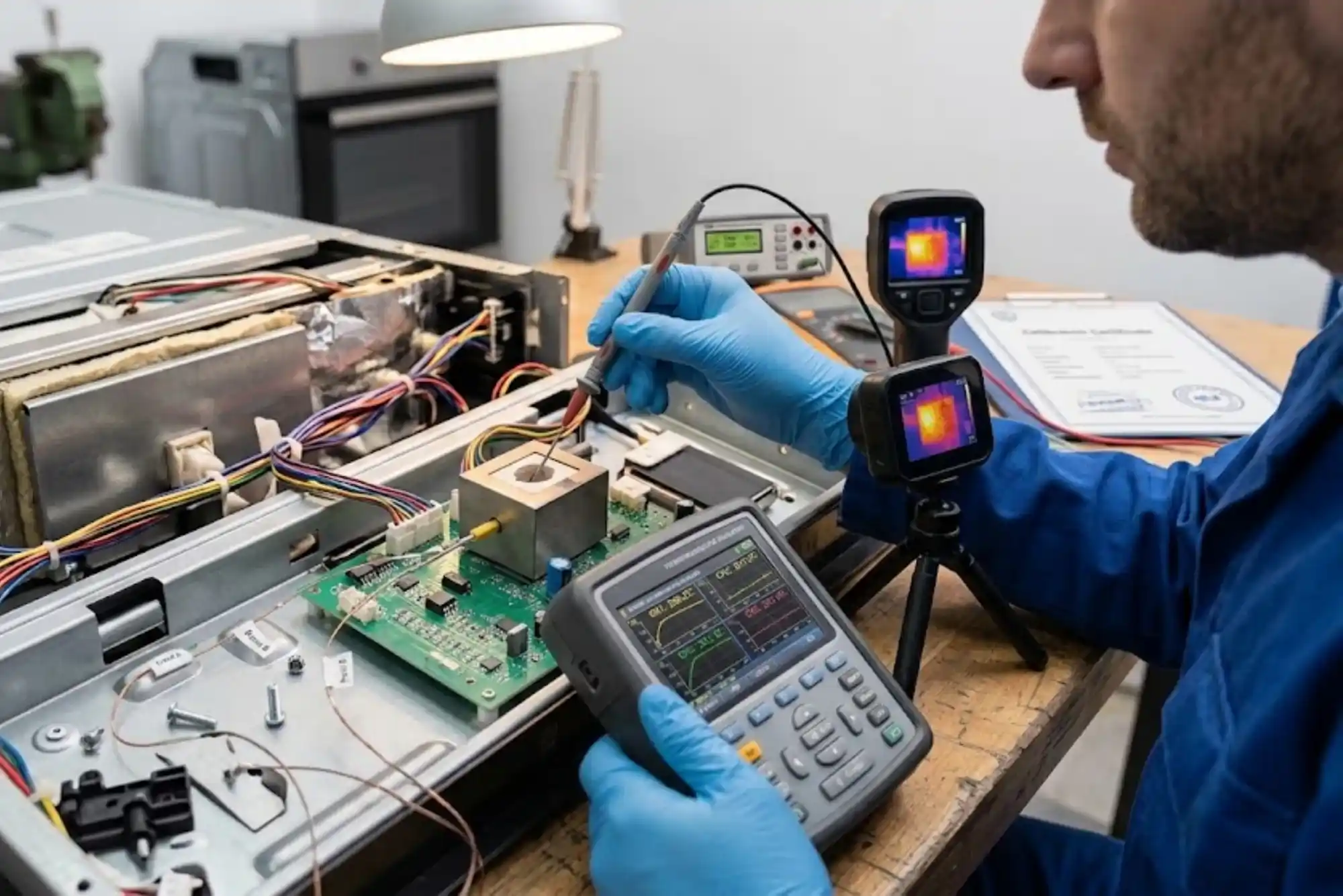
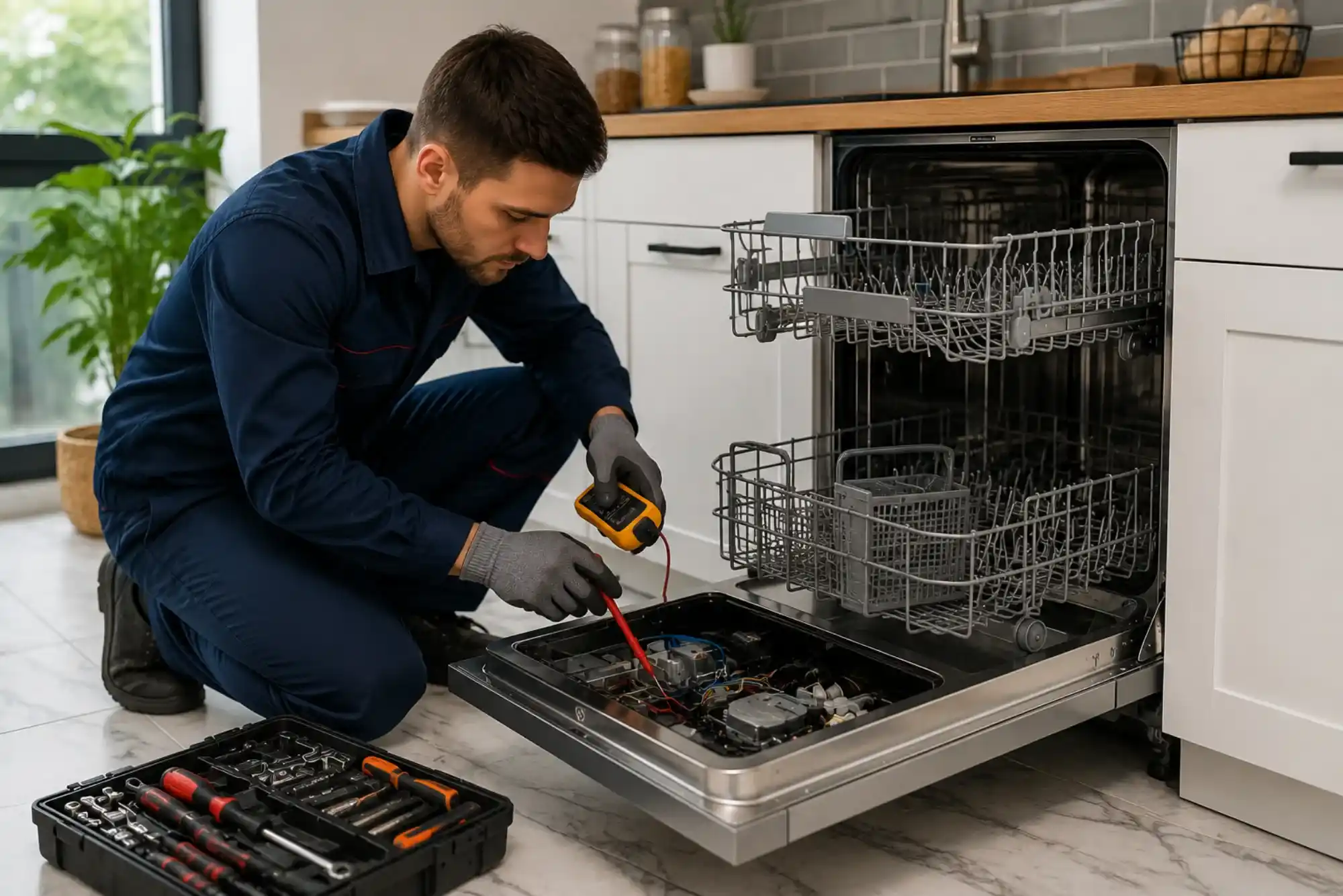
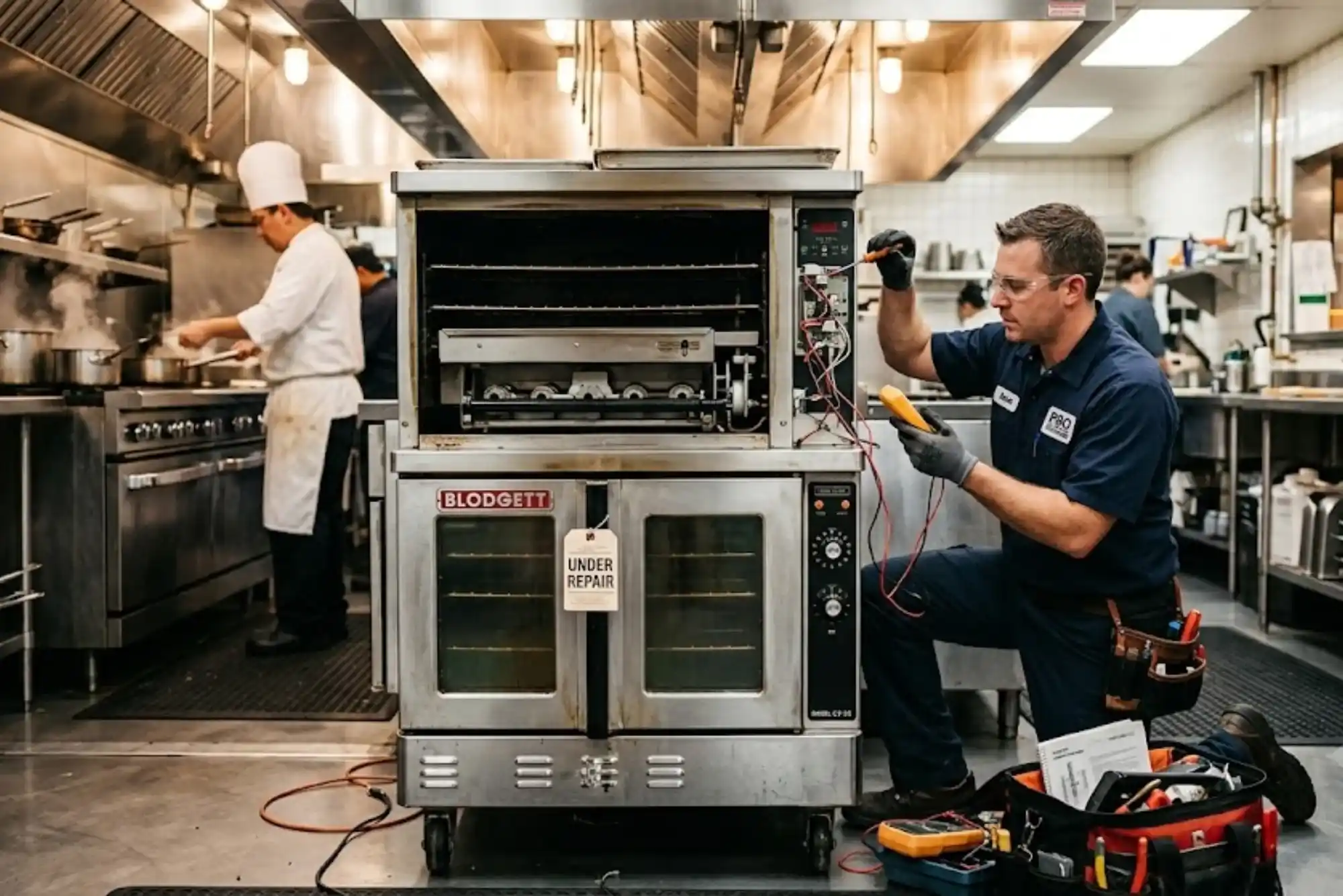
Electrical faults are a major reason behind oven breakdowns. Built-in ovens rely heavily on electrical connections to operate safely and efficiently. Loose wiring, blown fuses, or damaged control boards can disrupt the entire system. Built-in oven repair for electrical issues should always be handled by experienced professionals to avoid safety risks.

Power supply interruptions can cause the oven to stop working suddenly. In some cases, the appliance may turn on but fail to function properly. This indicates deeper electrical problems that require thorough diagnosis. Repairing these faults ensures stable performance and prevents unexpected breakdowns.
Control panels in modern ovens are equipped with digital displays and touch controls. When these panels malfunction, users may experience difficulty in setting temperatures or operating the oven. Built-in oven repair for control panel issues often involves replacing faulty circuits or recalibrating the system.
Door and Seal Problems
The oven door plays a crucial role in maintaining internal heat. If the door does not close properly, heat escapes, leading to longer cooking times and higher energy consumption. Built-in oven repair often includes fixing door alignment or replacing worn-out hinges.
Another important component is the door gasket or seal. Over time, the seal can become brittle or damaged, allowing heat to leak out. This not only affects cooking efficiency but also puts extra strain on the heating elements. Replacing the gasket is a simple yet effective solution during built-in oven repair.
Glass panels on oven doors can also develop cracks or become loose. This affects both safety and performance. Repairing or replacing damaged glass ensures proper insulation and safe usage of the appliance.
Fan and Ventilation System Issues
Modern built-in ovens are equipped with fans to distribute heat evenly. When the fan stops working, the oven may develop hot spots, resulting in uneven cooking. Built-in oven repair in such cases involves checking the fan motor and blades for damage or obstruction.
Ventilation systems are equally important. Poor ventilation can cause overheating and reduce the lifespan of the appliance. Dust, grease, and debris can block vents, restricting airflow. Cleaning and repairing the ventilation system improves overall efficiency and prevents overheating.
Noise coming from the oven is often a sign of fan-related problems. Unusual sounds indicate worn-out components that need immediate attention. Timely built-in oven repair ensures smooth and quiet operation.
Importance of Regular Maintenance
Preventive maintenance plays a vital role in reducing the need for major repairs. Cleaning the oven regularly, checking components, and ensuring proper usage can extend its lifespan significantly. Built-in oven repair can often be avoided with simple maintenance practices.
Grease and food residue can accumulate inside the oven, affecting performance and hygiene. Regular cleaning prevents buildup and keeps the appliance functioning efficiently. Using appropriate cleaning products and methods ensures that internal components remain undamaged.
Routine inspections help identify minor issues before they become serious problems. Professional servicing at regular intervals ensures that all parts are in good condition. Maintenance not only improves performance but also enhances safety.
Professional Repair vs DIY Solutions
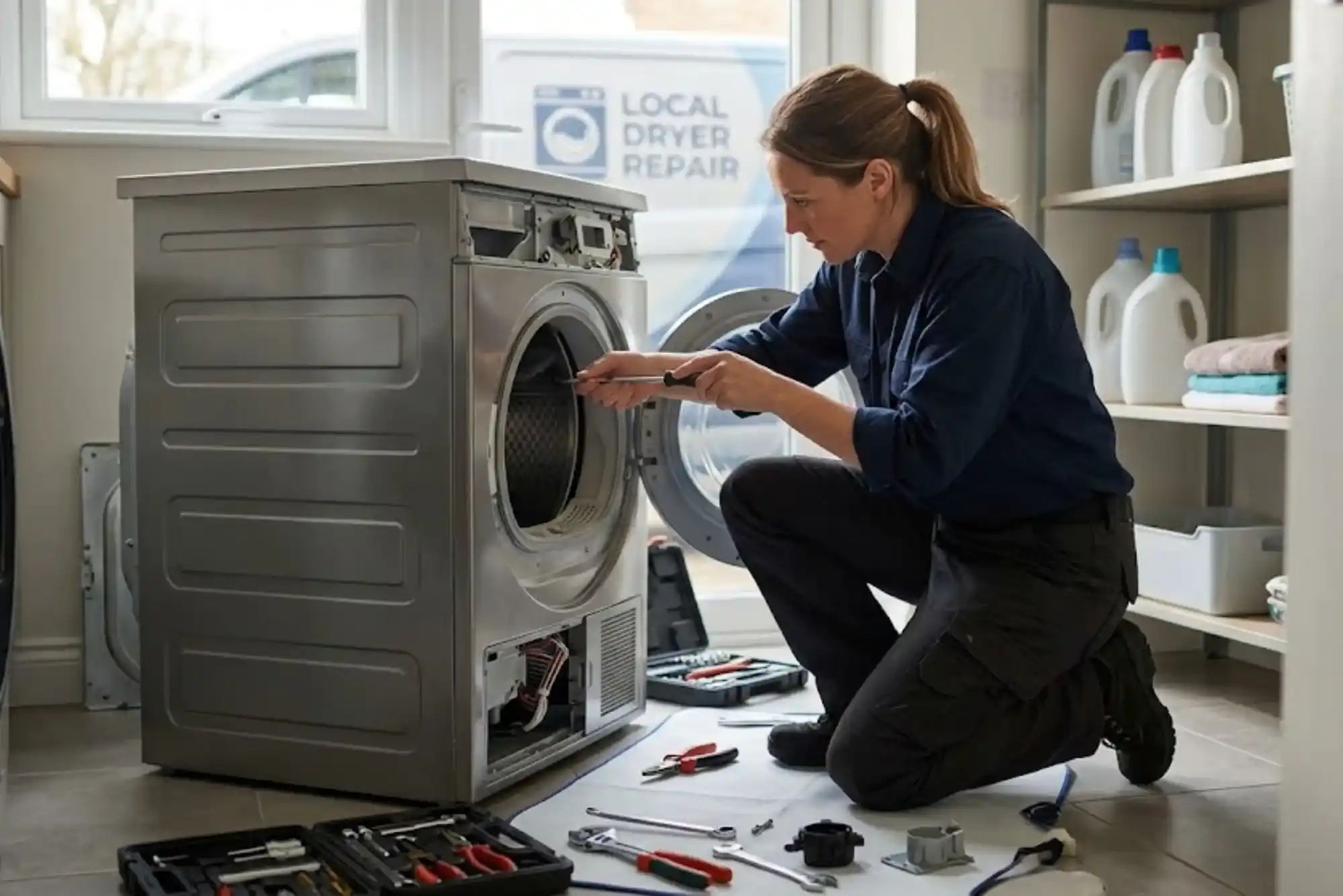
While some minor issues can be resolved at home, complex problems require professional expertise. Built-in oven repair involving electrical components, heating elements, or internal wiring should not be attempted without proper knowledge. Incorrect repairs can lead to further damage or safety hazards.
Professional technicians have the tools and experience needed to diagnose and fix problems accurately. They can identify hidden faults and provide long-term solutions. Choosing expert repair services ensures reliability and peace of mind.
DIY solutions may seem cost-effective initially, but they often result in temporary fixes. In many cases, improper handling can worsen the problem. Investing in Professional built-in oven repair saves time, effort, and money in the long run.
Signs That Indicate Immediate Repair
Recognizing early warning signs can prevent major breakdowns. If the oven takes longer than usual to heat up, produces unusual smells, or shuts off unexpectedly, it is time to consider built-in oven repair. Ignoring these signs can lead to more serious issues.
Frequent tripping of circuit breakers is another indication of electrical faults. This requires immediate attention to avoid potential hazards. Similarly, visible damage to components or inconsistent cooking results should not be overlooked.
Timely repair ensures that the appliance continues to function safely and efficiently. Addressing issues early reduces repair costs and prevents inconvenience.
Enhancing Efficiency After Repair
Once the oven is repaired, maintaining its efficiency becomes essential. Proper usage, regular cleaning, and periodic inspections help sustain performance. Built-in oven repair is only effective when followed by good maintenance practices.
Using the oven according to manufacturer guidelines ensures optimal results. Avoid overloading the appliance and ensure proper ventilation during operation. These simple steps contribute to long-term efficiency.
Energy efficiency is another important factor. A well-maintained oven consumes less power and delivers better performance. Post-repair care ensures that the appliance operates at its best capacity.
Long-Term Care for Built-In Ovens
Built-in oven repair is an essential aspect of maintaining a modern kitchen appliance. From heating issues and electrical faults to door problems and ventilation concerns, understanding the causes of malfunction helps in finding effective solutions. Regular maintenance and timely repairs ensure that the oven remains reliable and efficient for years.
Investing in professional repair services not only restores functionality but also enhances safety and performance. By addressing issues promptly and following proper maintenance practices, homeowners can extend the lifespan of their built-in ovens. A well-maintained appliance not only improves cooking results but also adds convenience and value to everyday life.
Related Reading: Oven Servicing Solutions: The Modern Approach to Reliable, Efficient Kitchen Performance
Related Reading: Oven Repair and Installation