When your stove suddenly trips the breaker, it is more than just an inconvenience—it interrupts your cooking, raises safety concerns, and often signals an underlying electrical issue that requires attention. A breaker trip is a protective response designed to prevent fires or damage to appliances when there is too much electrical current or a fault in the circuit. If your stove keeps shutting off because of this, the solution involves more than just resetting the breaker. You need to understand the causes, learn how to troubleshoot safely, and know when to call in a professional.
Fixing a stove that trips the breaker requires patience, knowledge of electrical systems, and careful attention to safety. In this article, we will explore the reasons behind this common problem, the diagnostic steps you can take, and practical repair methods to restore your stove’s reliable performance.
Understanding Why Breakers Trip When Using a Stove
Circuit breakers exist to protect both your home and your appliances from electrical overloads. When they trip, they cut off the current to stop overheating or short circuits. Stoves, whether electric or gas with electric components, demand high levels of power. If there is any fault in the wiring, connections, or internal parts, the breaker responds by shutting it down.
Common reasons include overloaded circuits, faulty heating elements, defective wiring, broken switches, or even a weak breaker itself. Knowing the exact cause is the key to solving the issue without repeated disruptions.
Initial Safety Steps Before Troubleshooting
Whenever a stove trips the breaker, safety must come first. Unplug the stove or disconnect it from the power supply before investigating. Working with electricity carries significant risks, so if you are not confident in your ability to handle wiring safely, professional help is the best option. Wear insulated gloves, use a voltage tester to confirm no current is flowing, and never attempt repairs in a damp or wet environment.
By taking these precautions, you reduce the chance of shock or further damage to the stove’s electrical system.

How Circuit Overloads Affect Kitchen Appliances
One of the most frequent causes of a tripped breaker is an overloaded circuit. Stoves draw a large amount of current, especially when multiple burners or the oven are in use at the same time. If the stove shares a circuit with other high-demand appliances such as microwaves, dishwashers, or toasters, the breaker can trip from excessive load.
Ideally, stoves should have a dedicated circuit to handle their power requirements. If you discover that multiple appliances run from the same breaker, moving them to separate circuits or consulting an electrician about upgrading your electrical system will often solve the problem.
Identifying Faulty Heating Elements
Inside every electric stove are heating elements that convert electricity into heat for cooking. Over time, these elements can wear out, crack, or short-circuit against the stove’s frame. When this happens, the breaker detects a fault and shuts down.
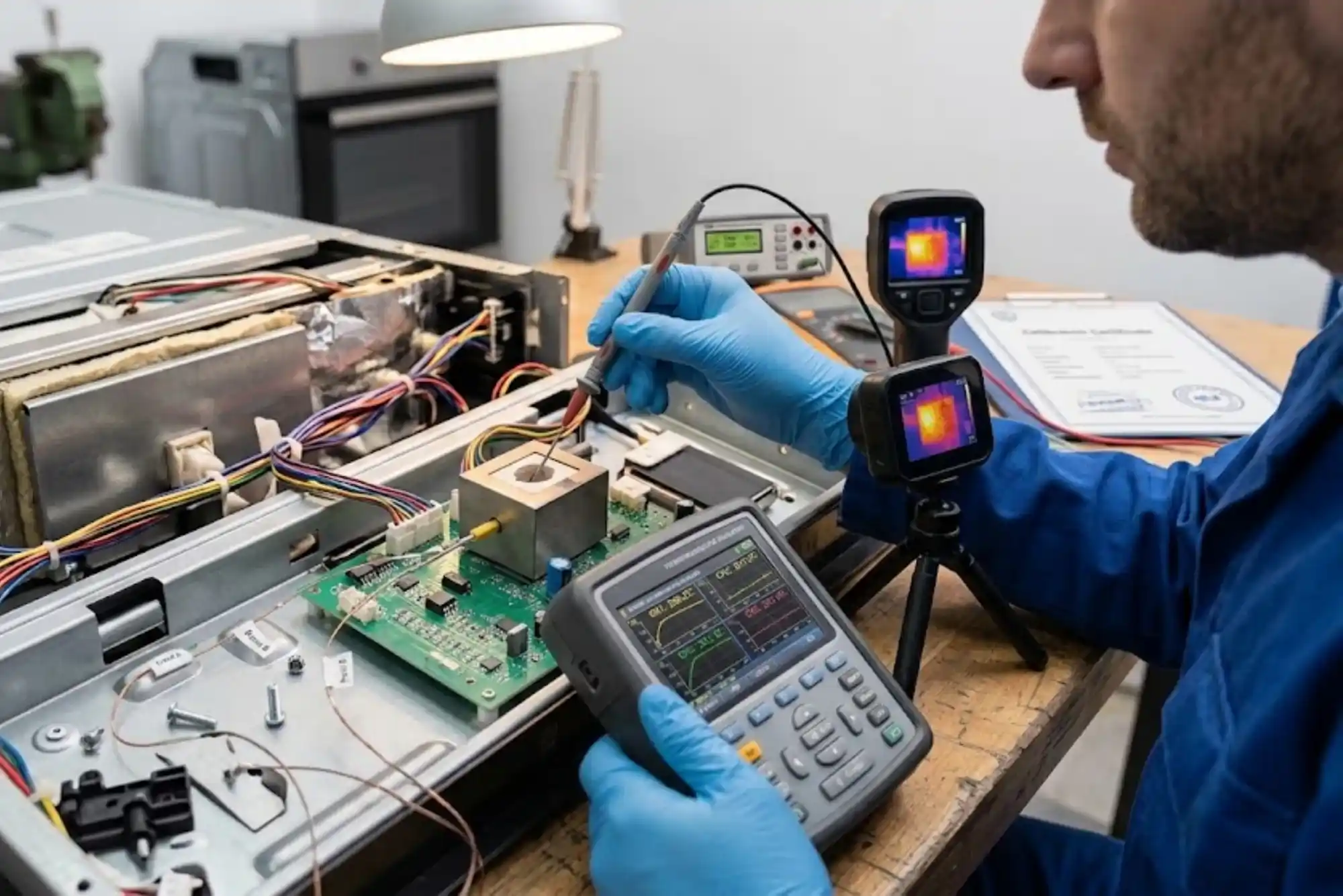
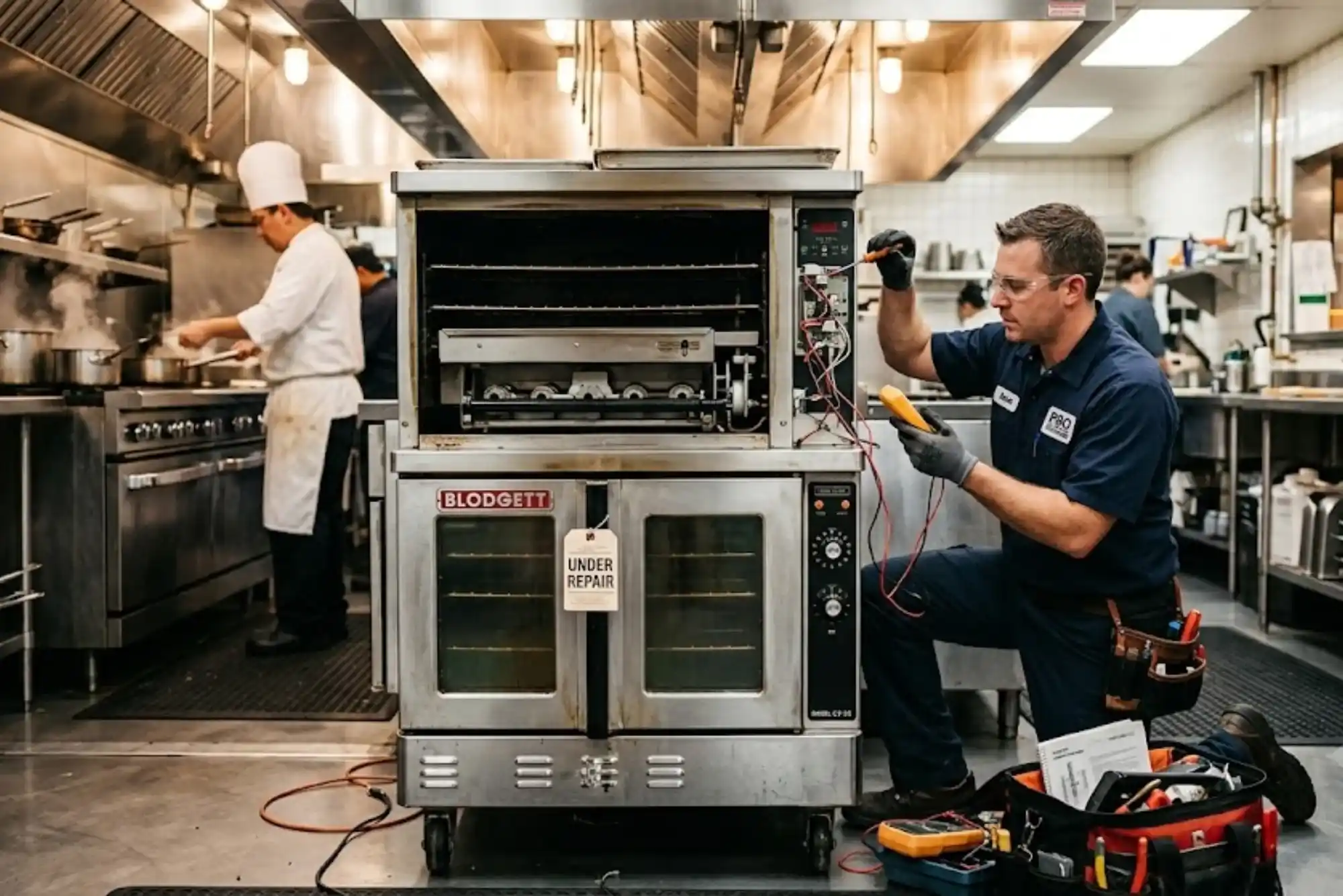
A visual inspection may reveal physical damage like burn marks or cracks on the elements. Using a multimeter, you can test for continuity. A failed test indicates that the element must be replaced. Fortunately, replacing a heating element is usually straightforward and requires minimal tools, but it is essential to buy the correct replacement part compatible with your stove’s make and model.
Checking the Stove’s Internal Wiring
Wiring problems inside the stove are another common reason for breaker trips. Loose connections, melted insulation, or frayed wires create resistance and can lead to short circuits. These issues often develop with age or after the stove has been moved or serviced.
Inspect the wiring carefully for signs of damage. Pay close attention to connections leading to the burners, oven controls, and power terminals. Any burnt or brittle wires must be replaced. In some cases, the entire wiring harness may need replacement if the damage is extensive.
The Role of Defective Switches and Controls
Stoves rely on a range of switches and control knobs to regulate temperature and power flow. If a switch fails, it can create a short that trips the breaker. For example, an oven thermostat switch or a burner control switch that no longer functions properly may send inconsistent signals, overloading the circuit.
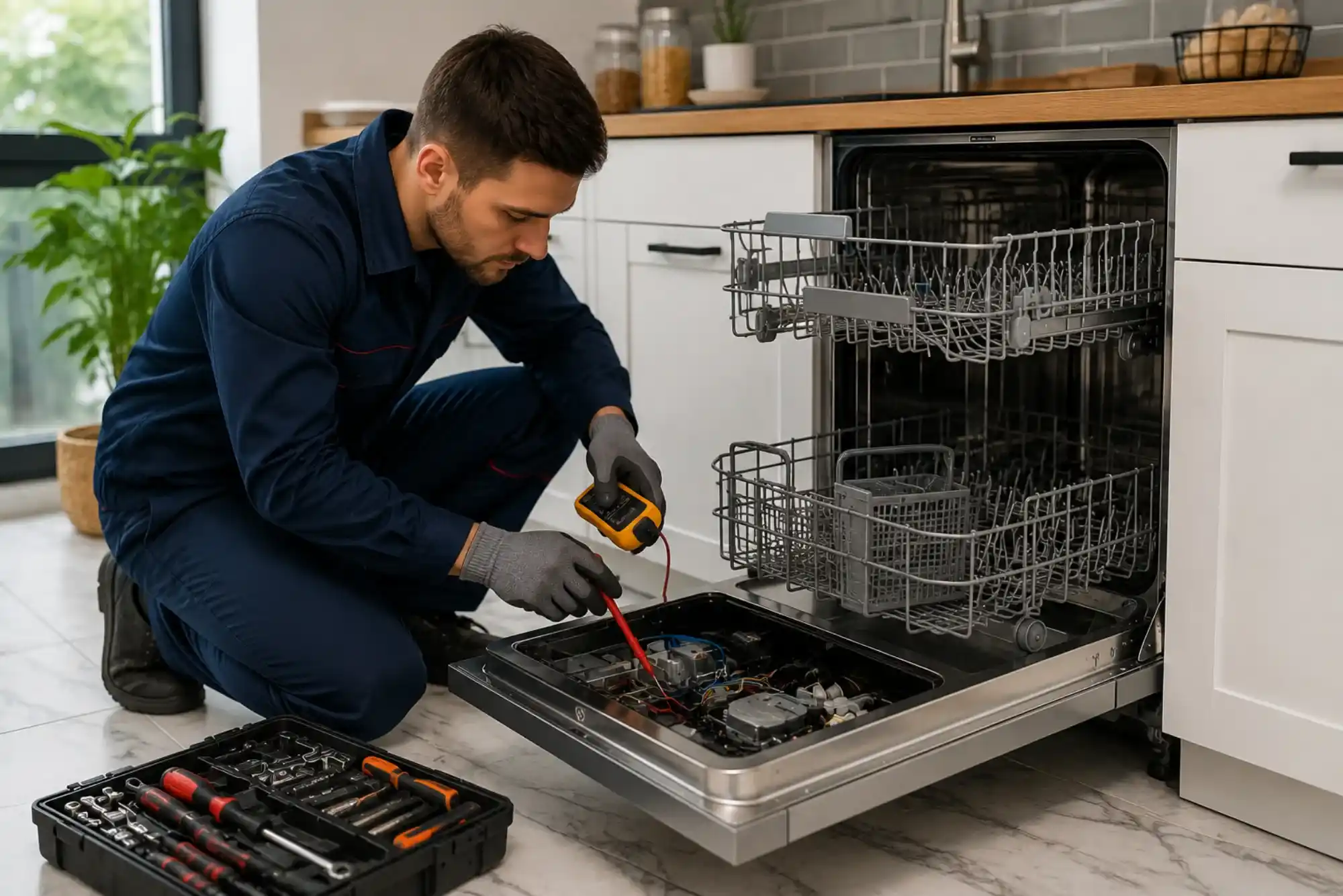
Testing these components with a multimeter will confirm whether they are working correctly. Replacing a faulty switch is usually a moderate repair that requires careful disassembly of the control panel, but it can restore normal function and prevent repeated breaker trips.
Understanding How Ground Faults Cause Trips
A ground fault occurs when electrical current takes an unintended path to the ground, often through exposed metal parts. This is a particularly hazardous condition because it increases the risk of electric shock. Stoves are prone to ground faults if insulation on wires breaks down or if moisture seeps into electrical components.
Ground fault circuit interrupters (GFCIs) may also trip when they detect even small leakages of current. In kitchens, where moisture is common, this is an added layer of protection. If ground faults are suspected, testing with specialized equipment or professional inspection is strongly recommended.
When the Breaker Itself Is the Problem
Sometimes, the issue lies not with the stove but with the breaker. Over years of use, breakers can weaken, becoming overly sensitive or failing to handle the load they were designed for. If your stove is in good condition but the breaker still trips frequently, it may be worth replacing the breaker.
This is a job for a licensed electrician, as working in the breaker panel is dangerous. A professional can test the breaker’s performance and replace it if necessary, ensuring your electrical system is safe and up to modern standards.
Step-by-Step Troubleshooting Process
The most effective way to solve a stove that trips the breaker is by following a systematic troubleshooting process. Begin by unplugging the stove and resetting the breaker. Plug the stove back in and try running a single burner or the oven. If the breaker holds, test each element one at a time until the issue recurs.
This method allows you to isolate which component causes the breaker to trip. Once identified, focus on inspecting and repairing that part. Document each step to avoid confusion and to provide helpful information to a technician if you eventually need professional repair.
Repairing or Replacing Faulty Components
Once the defective part is identified, the next step is repair or replacement. Heating elements, switches, and wiring can usually be replaced without replacing the entire stove. Many manufacturers provide replacement parts, and installation guides are available online.
Always ensure the power is disconnected before beginning repairs. Label wires before disconnecting them to make reassembly easier. Take photos during disassembly as a reference. After the repair, test the stove carefully by turning on one function at a time to confirm that the breaker no longer trips.
Preventing Future Breaker Trips
Prevention is often easier than repair. Ensure your stove is connected to a dedicated circuit rated for its power demands. Avoid using multiple heavy appliances on the same circuit. Keep the stove clean, as grease and debris can contribute to electrical faults. Regularly inspect cords, plugs, and connections for wear.
If you live in an older home, consider an electrical system upgrade to handle the high demands of modern appliances. Preventive maintenance not only saves time and money but also reduces the risk of electrical hazards.
When to Call a Professional Electrician
While many minor stove repairs can be managed by homeowners with technical skills, there are times when calling a professional is the safest option. If you suspect internal wiring problems, ground faults, or a defective breaker panel, professional expertise is essential. Licensed electricians have the tools and training to diagnose complex issues and ensure all repairs comply with safety standards.
Calling a professional may cost more initially, but it protects your home and ensures the problem is fully resolved.
Final Thoughts on Fixing a Stove That Trips the Breaker
A stove that keeps tripping the breaker should never be ignored. It is a clear sign that something is wrong, whether with the appliance itself or with your home’s electrical system. By understanding the common causes—from overloaded circuits to faulty elements—and following a careful troubleshooting process, you can often restore your stove to reliable service.
Safety should always guide your actions. If the repair is beyond your comfort zone, professional help is the right choice. With the proper approach, you can resolve breaker trips, extend the life of your stove, and enjoy worry-free cooking once again.