A gas oven is one of the most trusted appliances in many homes, prized for its efficiency and ability to provide precise cooking temperatures. However, it can also become a source of concern when unusual odors arise, especially the distinctive and unsettling smell of gas. A faint gas smell before ignition is relatively normal, but a persistent odor or strong fumes can signal a potentially dangerous problem. If your oven smells like gas, it should never be ignored, as it may point to underlying mechanical issues, safety hazards, or even gas leaks. Understanding the possible reasons behind this smell and the appropriate steps to address it is essential for both safety and peace of mind.
The Nature of Gas Odors in Ovens
Natural gas and propane, the fuels commonly used in ovens, are naturally odorless. To help detect leaks, manufacturers add a chemical compound called mercaptan, which produces the distinctive sulfur-like or rotten egg smell. This intentional addition makes it easier for people to notice gas leaks quickly. Therefore, whenever a gas smell is present, it serves as an important warning sign rather than a minor inconvenience.
In most cases, a brief smell may occur as the oven ignites, especially if the burners take a moment to light. However, lingering or strong odors are not part of normal operation. These smells can indicate faulty components, improper ventilation, or leaks that require immediate attention.
Common Causes Behind Gas Smells
When your oven emits a gas-like odor, the reasons may range from minor issues to serious hazards. One frequent cause is delayed ignition. If gas builds up in the oven cavity before it lights, it can create a noticeable smell. This can be due to dirty or faulty igniters, weak sparks, or misaligned burners. Another common factor is worn-out seals or fittings around the oven, which may allow gas to escape into your kitchen. In some cases, food debris and grease buildup near the burners can interfere with ignition, allowing gas to escape temporarily before burning off.
Additionally, gas supply line problems can play a role. Loose connections, aging pipes, or damaged valves may release gas into the kitchen area, making it seem like the oven is at fault. Since gas lines are pressurized, even a small leak can quickly become hazardous. Malfunctioning thermostats, regulators, or safety valves inside the oven can also contribute to irregular gas flow, which may result in a persistent odor.
Safety Risks Associated with Gas Odors
The smell of gas is not something that should ever be dismissed. One of the most significant risks is the potential for fire or explosion. Accumulated gas in a closed space can ignite suddenly, causing severe damage and injury. Prolonged exposure to gas leaks can also create health hazards. Inhaling gas can cause headaches, dizziness, nausea, and in high concentrations, it may even lead to suffocation.

For families with children or elderly members, the risks are heightened since they may be more sensitive to gas exposure. Additionally, constant gas leakage places a financial burden, as it wastes fuel and increases utility bills.
The Importance of Professional Diagnosis
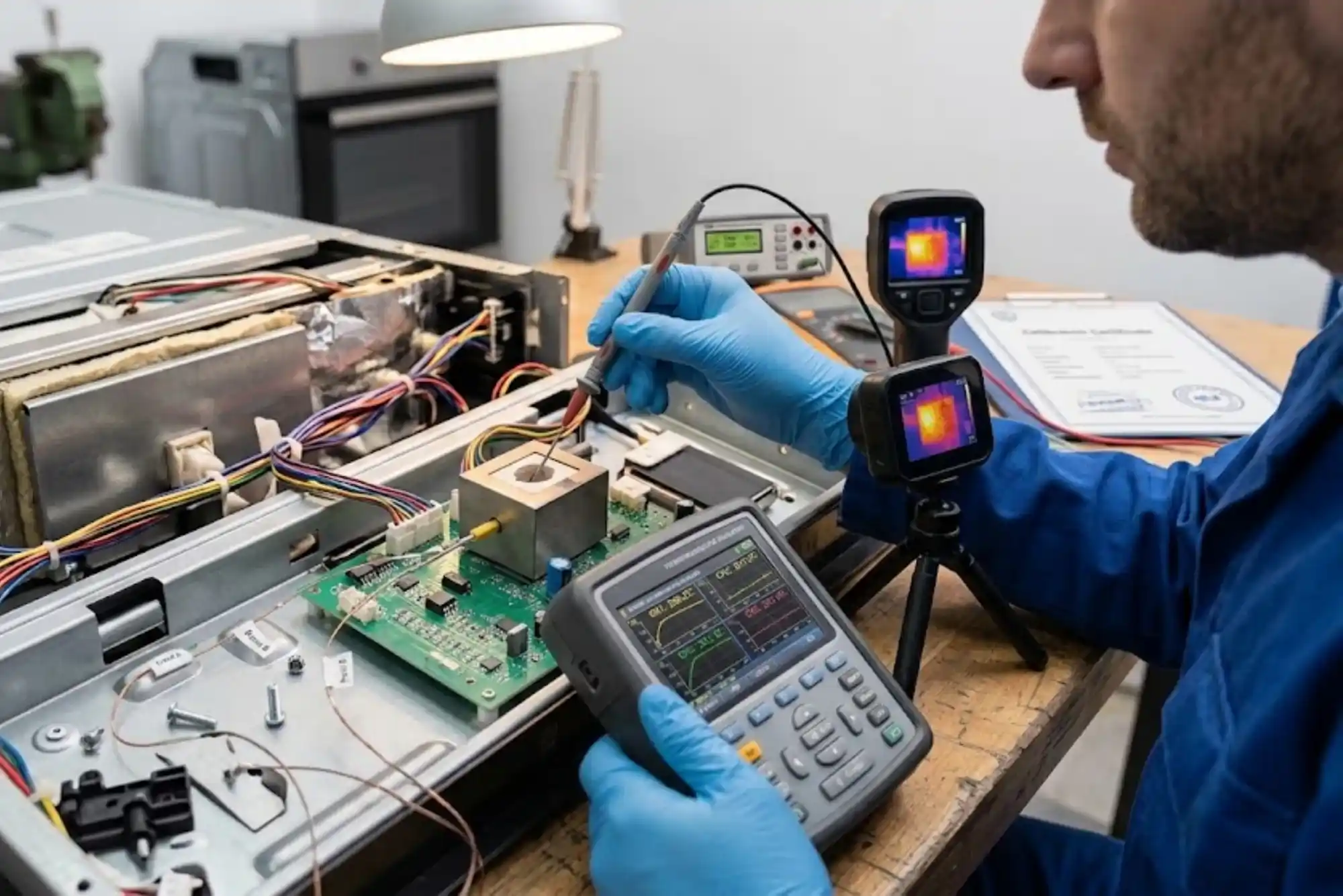
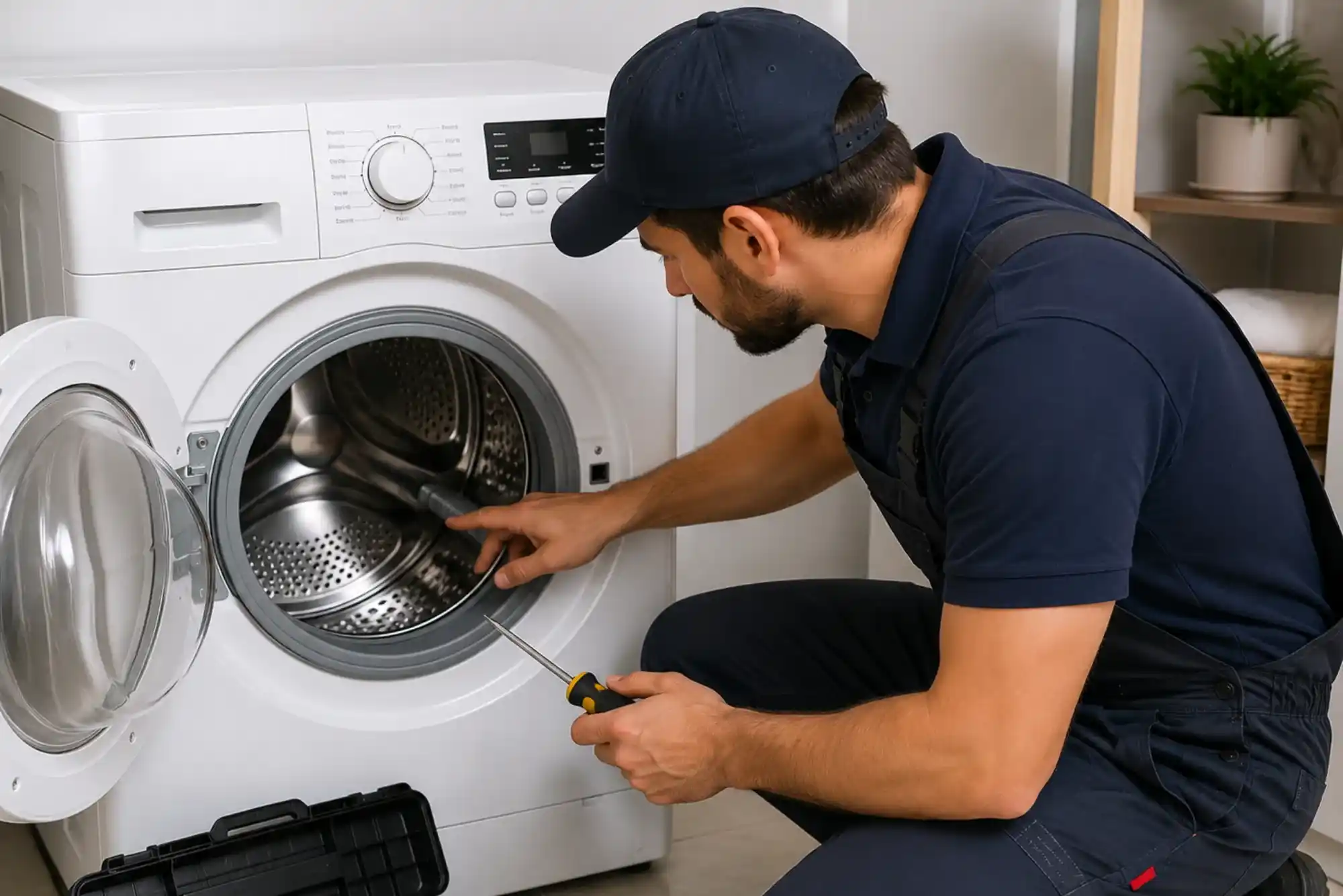
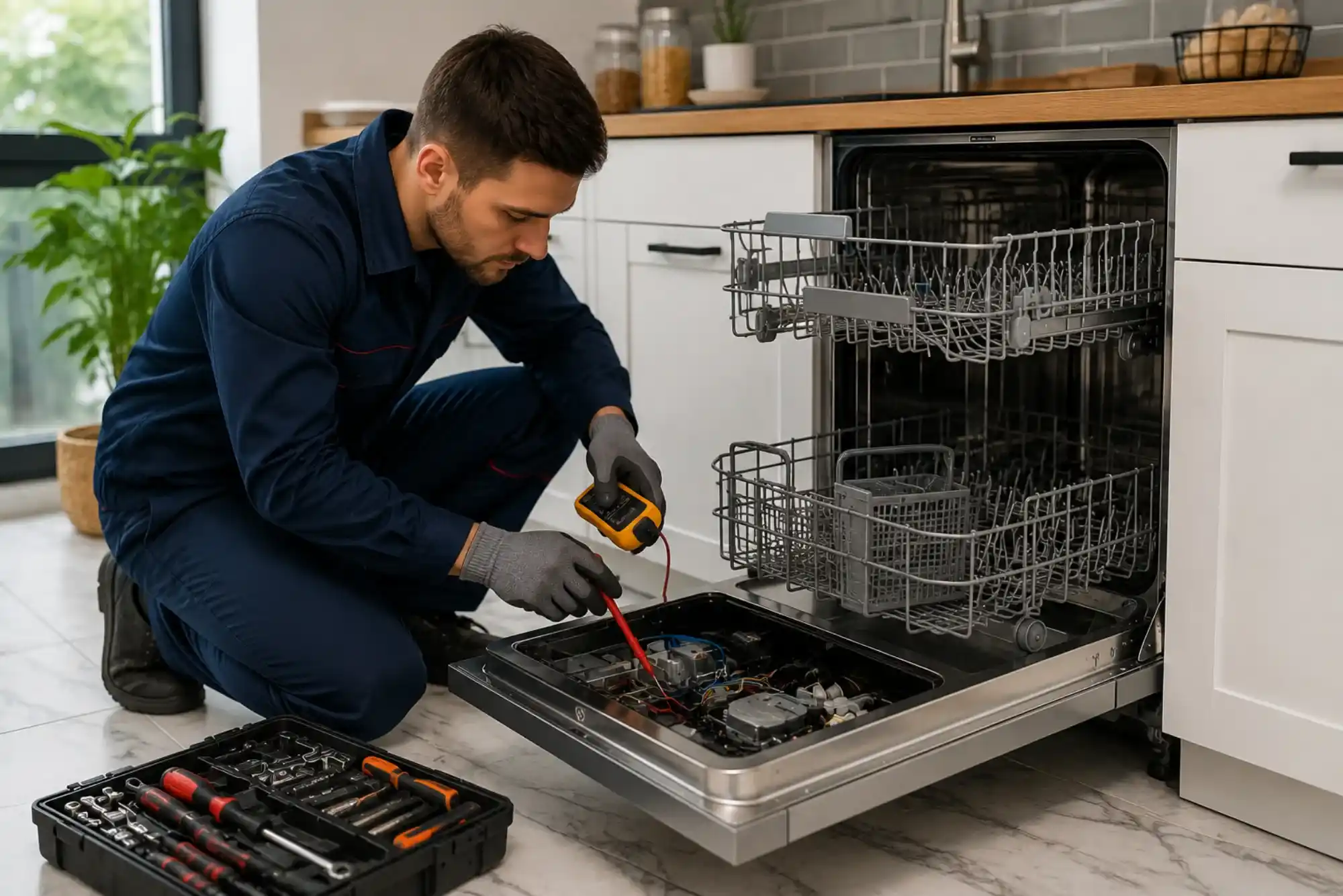
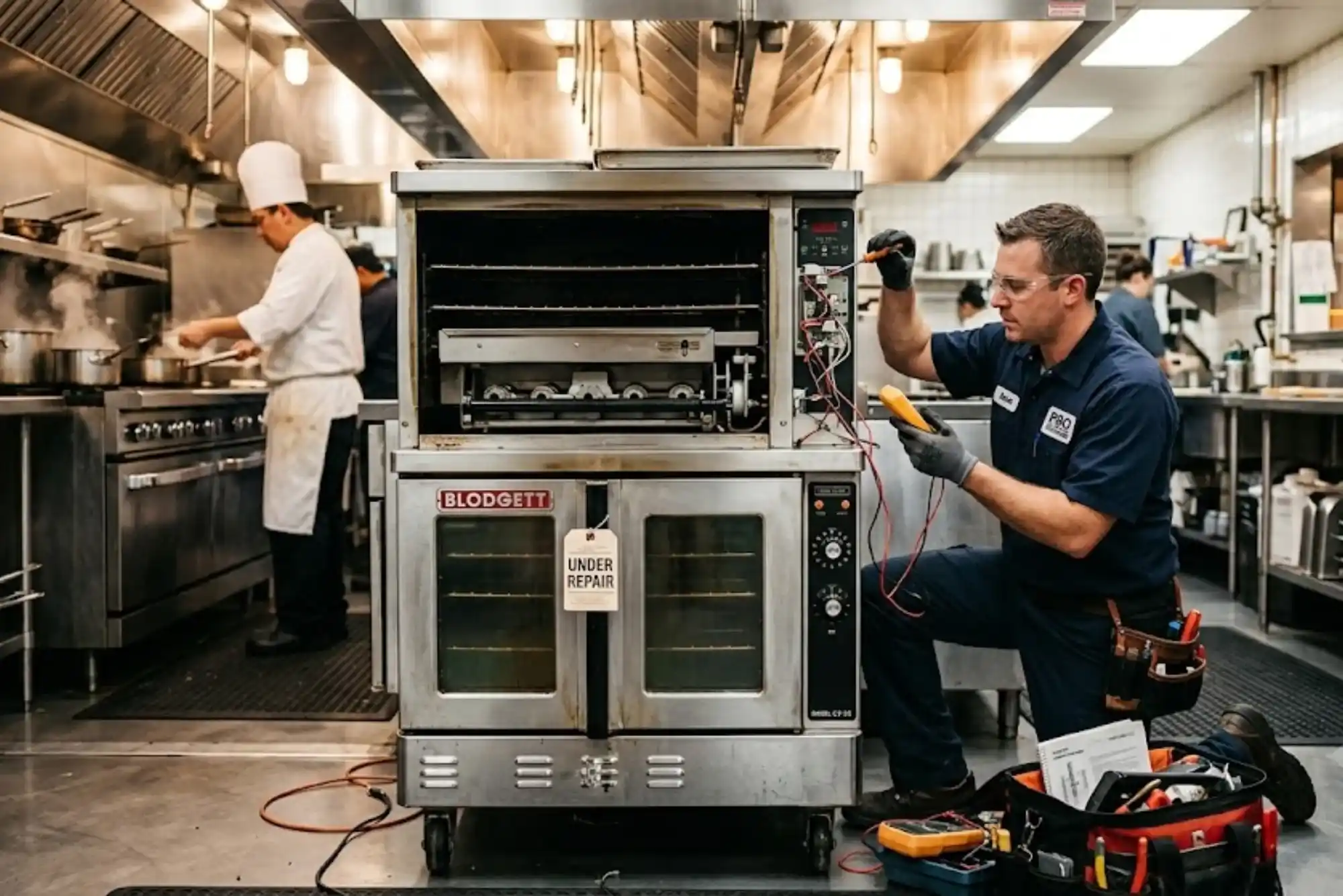
While some homeowners may be tempted to troubleshoot the problem themselves, it is strongly recommended to call a professional appliance repair technician when dealing with gas-related issues. Technicians are trained to safely detect leaks, test components, and replace faulty parts. They use specialized tools, such as gas leak detectors and pressure gauges, to identify issues that might not be visible to the untrained eye.
Professional oven repair services not only restore safe operation but also ensure that the appliance runs efficiently. By cleaning burners, calibrating thermostats, and replacing worn-out seals, experts can help extend the lifespan of your oven while eliminating dangerous odors.
Preventing Gas Odors in the Future
Once the immediate issue has been resolved, homeowners should take preventive steps to avoid recurrence. Scheduling regular maintenance is one of the most effective strategies. Routine inspections by qualified technicians can uncover small issues before they become serious. Keeping the oven clean is equally important, as grease and debris can interfere with ignition and cause temporary gas buildup. Ensuring proper ventilation in the kitchen also plays a role in preventing dangerous accumulations of fumes.
It is advisable to install a carbon monoxide detector and a natural gas detector near the kitchen area. These devices provide early warnings and an extra layer of protection for your household. Additionally, homeowners should familiarize themselves with the smell of gas and teach family members how to respond in an emergency, such as shutting off the gas supply and contacting a professional immediately.
Why Choosing the Right Repair Service Matters
When dealing with something as serious as gas, not all repair services offer the same level of expertise. It is crucial to choose a licensed and experienced service provider who specializes in gas oven repairs. A professional repair company will not only fix the immediate issue but also conduct a full inspection of the appliance and gas supply system. This approach ensures that hidden problems do not go unnoticed.
Reputable services often provide warranties on their repairs, giving you confidence that the problem will be resolved long-term. They can also offer expert advice on whether repairing or replacing the oven is the better option, depending on the age and condition of the appliance.
The smell of gas from your oven should always be treated as a serious warning sign. While a faint odor during ignition may not be unusual, persistent or strong smells often indicate problems that require immediate professional attention. From faulty igniters and dirty burners to leaking gas lines and defective safety valves, the causes can be varied, but the risks remain the same: fire, health hazards, and financial loss.
Addressing the issue promptly by contacting a professional oven repair service is the best way to ensure your safety and restore confidence in your kitchen. Preventive maintenance, regular inspections, and safe practices will help minimize future risks, allowing you to continue enjoying the benefits of a reliable gas oven. By taking these steps seriously, you protect your home, your family, and your peace of mind.