Keeping your oven in top working condition is essential for every household. Among its important parts, the convection fan plays a key role in ensuring even cooking and baking. This fan circulates hot air throughout the oven chamber, making it possible to prepare meals more efficiently and achieve consistent results. However, like any frequently used component, the fan collects grease, food particles, and grime over time. If left unattended, this buildup can affect the oven’s performance, lead to unpleasant odors, and even pose safety risks. Knowing how to clean your oven’s convection fan not only improves the taste and quality of your meals but also extends the life of the appliance.
Why the Convection Fan Needs Attention
Most homeowners tend to focus on cleaning the oven’s interior racks and glass door, often overlooking the fan. Yet the fan is at the center of airflow and is exposed to the same grease splatters, moisture, and residue that accumulate in the oven. Over time, these layers harden and reduce the fan’s efficiency. When the blades are coated with grease, the fan cannot circulate heat evenly, which can result in unevenly cooked food. Additionally, a dirty fan forces the motor to work harder, increasing energy consumption and the likelihood of mechanical issues. In the long run, neglecting this simple maintenance task can lead to costly repairs or even the need for a full oven replacement.
Preparing for Safe Cleaning
Before attempting to clean the convection fan, safety should always come first. Start by ensuring that the oven is completely turned off and unplugged. If your oven is hardwired, switch off the circuit breaker. The fan is connected to electrical components, and even a minor mistake can result in injury or damage. Allow the oven to cool down fully if it has been recently used. Working with a hot oven can be dangerous, and trying to clean grease while it is still warm may spread it further rather than remove it. Gather the basic tools you will need, such as a screwdriver to access the fan cover, a soft brush, mild detergent, a sponge, and a clean cloth. Having everything ready beforehand makes the process smoother and prevents unnecessary delays.
Accessing the Convection Fan
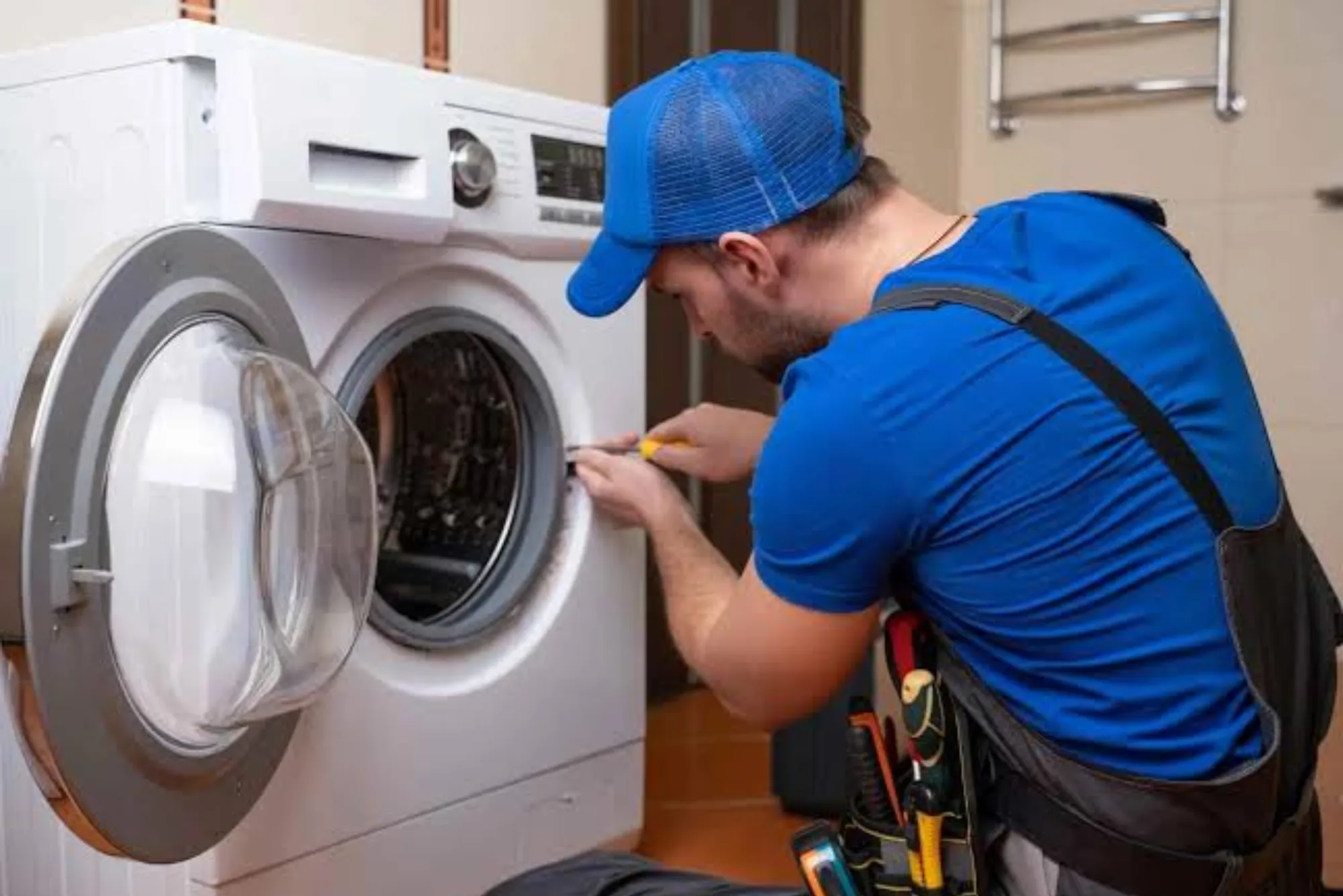
The convection fan is usually located at the back of the oven, behind a protective cover. To reach it, remove the oven racks and set them aside for cleaning later. Next, locate the screws that secure the fan cover in place. Using a screwdriver, carefully remove these screws and keep them in a safe place so you don’t misplace them. Gently lift off the cover, taking care not to bend or damage it. Once the cover is removed, you will see the fan blades. In most models, the fan is secured with a central nut. This nut can be loosened carefully, allowing you to remove the fan blade for a more thorough cleaning. If your oven’s design does not allow the fan to be detached easily, you can still clean it while in place, though it requires extra care to avoid damaging the motor behind it.
Cleaning the Fan Blades
With the fan exposed, it is time to address the grease and residue. Avoid using harsh chemicals or abrasive pads, as these can scratch the blades or damage the finish. Instead, prepare a solution of warm water and mild dish soap. Dip a sponge or soft cloth into the mixture and gently wipe the blades. For stubborn grease, allow the detergent to sit for a few minutes before wiping it away. A soft brush or an old toothbrush can be useful for reaching tight spaces and corners. Be patient, as built-up grime may take a few passes to fully remove. If the fan blades are detachable, soak them in the cleaning solution for a short while, then rinse thoroughly and dry them completely before reattaching. Ensuring the fan is fully dry is critical, as any moisture can damage the motor when the oven is switched back on.
Cleaning the Fan Cover and Surrounding Area
While the fan is the main focus, the cover and the area around the fan also require attention. Food splatters often accumulate on the cover, and if left uncleaned, they can drip back onto the fan blades. Use the same warm, soapy solution to clean the cover, wiping it thoroughly on both sides. For stubborn spots, allow the solution to loosen the grime before wiping. Dry the cover completely before reinstalling it. The rear oven wall around the fan may also show signs of grease and residue. Wipe this area down gently, making sure not to disturb any electrical connections or seals. A clean environment around the fan ensures it can function at maximum efficiency and reduces the chance of lingering odors.

Reassembling the Oven
Once everything is cleaned and fully dried, carefully reattach the fan blades if you had removed them. Secure the central nut firmly but avoid overtightening, as this could damage the threads. Replace the fan cover and screw it back into place. Double-check that all screws are tightened properly to prevent rattling or noise during operation. Return the oven racks to their positions, making sure they are clean before doing so. With the oven reassembled, plug it back in or switch the circuit breaker back on. Run the oven empty for a short period at a low temperature to ensure everything is working correctly and to evaporate any remaining moisture.
The Benefits of a Clean Convection Fan
Regularly cleaning your convection fan provides several benefits beyond improved cooking performance. Firstly, it enhances the lifespan of the oven by reducing strain on the motor. A fan free of grease rotates smoothly, minimizing wear and tear. Secondly, it improves energy efficiency, as the oven does not need to work as hard to maintain even heat distribution. This means lower energy bills over time. Thirdly, it eliminates unpleasant odors caused by burnt food particles circulating through the oven. Perhaps most importantly, a clean fan reduces the risk of smoke and even potential fire hazards caused by accumulated grease. For households that rely heavily on their ovens, this maintenance step can make a significant difference in both safety and performance.
Professional Cleaning Services
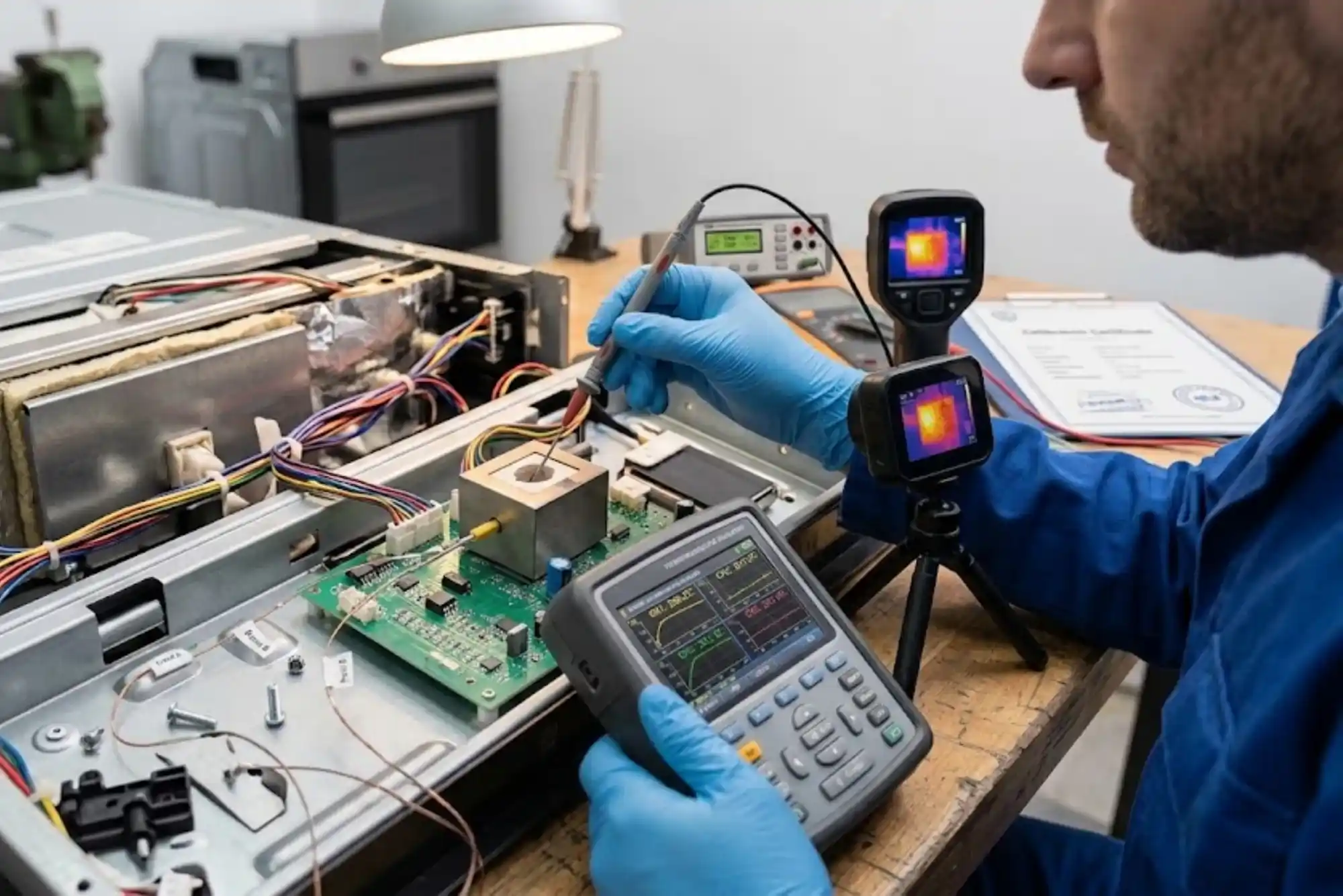
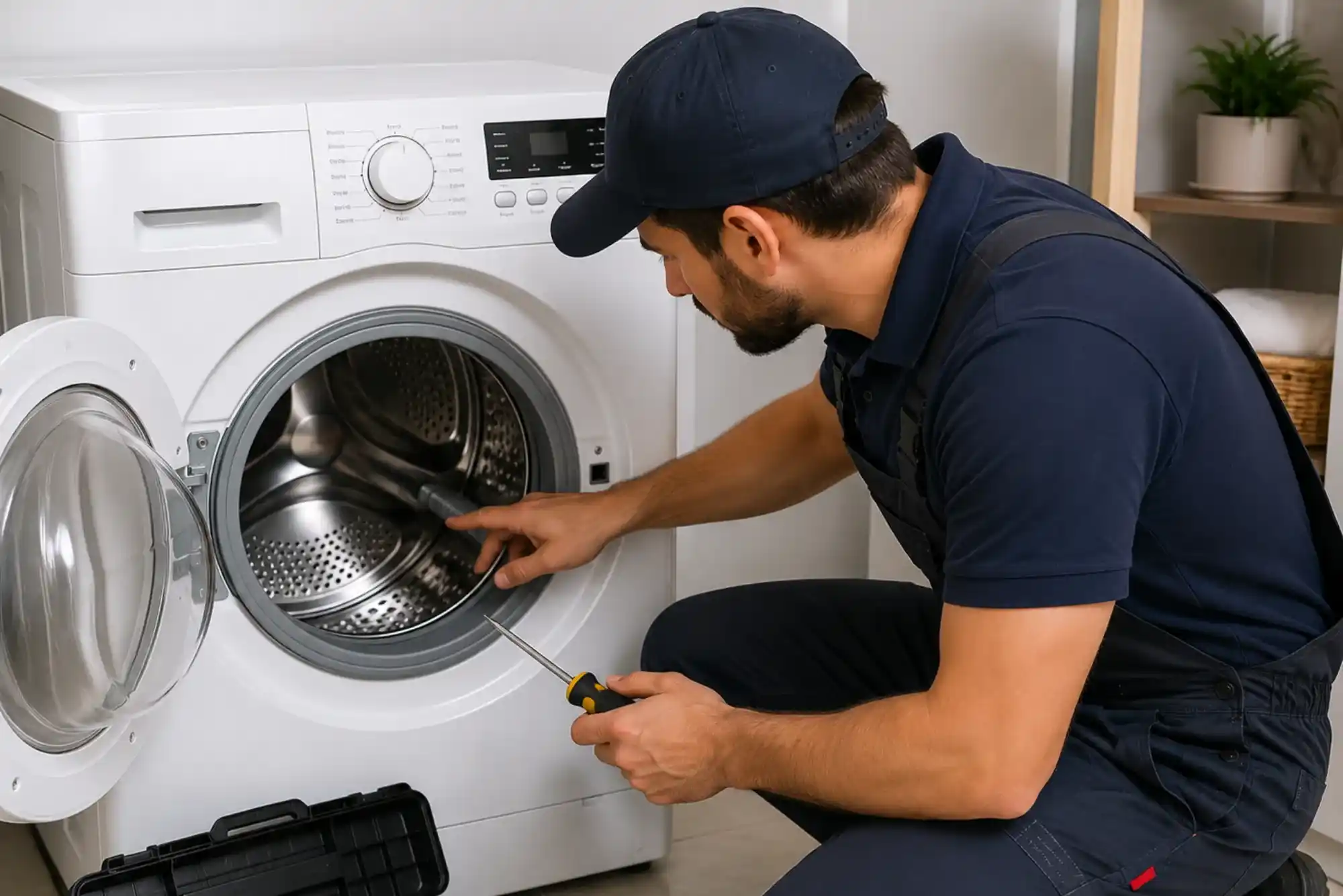
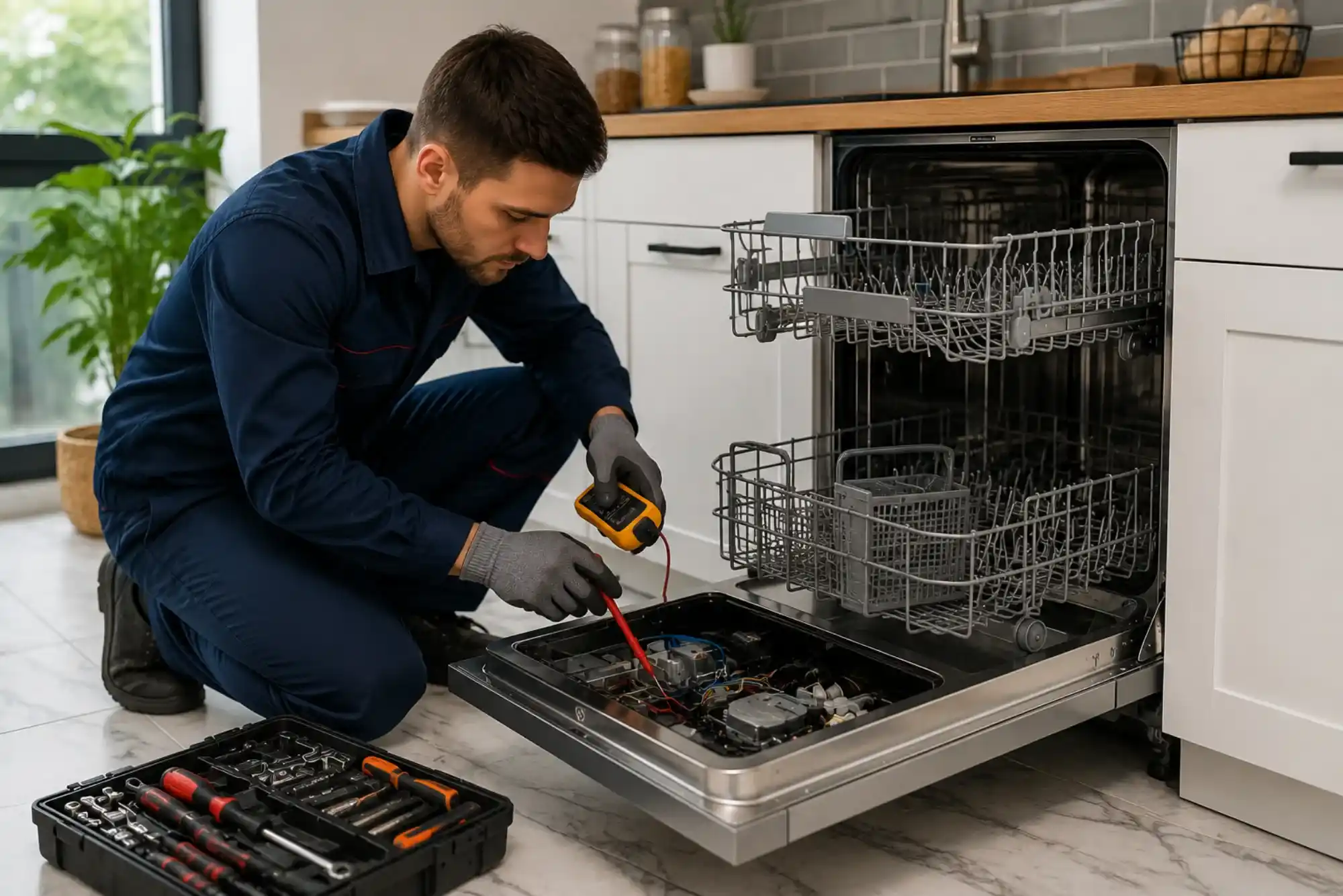
While cleaning the convection fan is manageable for many homeowners, some situations require professional assistance. If the fan is heavily coated with grease, or if the oven has not been cleaned for several years, attempting to clean it yourself may be difficult and time-consuming. Professional appliance technicians have the tools and experience to dismantle, clean, and reassemble the oven without risk of damage. They can also inspect other components, such as heating elements and seals, ensuring your oven remains in excellent condition. Investing in periodic professional servicing not only saves time but also provides peace of mind, knowing the job has been done thoroughly and safely.
Establishing a Regular Maintenance Routine
The key to keeping your oven in peak condition is consistency. Cleaning the convection fan once or twice a year is usually sufficient for light to moderate oven use. For households that bake or roast frequently, more frequent cleanings may be necessary. Alongside fan cleaning, wipe down the oven’s interior after spills, clean the racks regularly, and use the oven’s self-cleaning function if available. These steps prevent grease from building up and make deep cleanings less demanding. A well-maintained oven not only cooks better but also contributes to a healthier kitchen environment, free from smoke, odors, and potential fire risks.