The oven is one of the most important appliances in any home or commercial kitchen. Whether you use it daily for preparing family meals or occasionally for special gatherings, the performance of your oven directly affects the quality of your cooking experience. Just like any other major household appliance, the oven requires routine care to maintain efficiency, safety, and longevity. Seasonal oven maintenance is not only about keeping the appliance clean but also about ensuring that it operates safely and reliably throughout the year.
By understanding the importance of a seasonal oven maintenance checklist, homeowners can extend the lifespan of their oven, reduce energy consumption, and minimize the risk of unexpected breakdowns. Regular upkeep ensures that you can count on your oven to deliver consistent heat distribution, precise temperature control, and dependable performance no matter the season.
Why Seasonal Oven Maintenance Matters
Seasonal maintenance is often overlooked by many homeowners until problems arise. However, much like air conditioners or heating systems, ovens endure stress from constant use. Over time, heat, grease, and food residues build up inside the oven cavity, while electrical or gas connections may loosen. Neglecting these issues can result in poor performance, higher utility bills, and even safety hazards.
For example, during holiday seasons when ovens are used more frequently, accumulated dirt or faulty parts can lead to uneven cooking or complete breakdowns at the worst possible time. By following a seasonal maintenance schedule, you can identify potential problems early and address them before they escalate into costly repairs. This proactive approach ensures that your oven always performs when you need it most.
Cleaning and Care as the Foundation of Oven Maintenance
The cornerstone of any seasonal oven maintenance checklist is proper cleaning. An oven that is regularly cleaned not only looks better but also operates more efficiently. Residue from grease and food spills can cause smoke, unpleasant odors, and even fire hazards if left unattended. Moreover, debris on heating elements or gas burners can reduce efficiency and compromise cooking results.
A deep seasonal cleaning session is recommended at least four times a year. This process involves cleaning the oven interior, racks, door glass, and even the exterior surfaces. While self-cleaning ovens can make this process easier, manual cleaning with safe, non-toxic products ensures that every component is handled with care. Paying special attention to door seals and gaskets is also important, as worn-out seals can cause heat loss and uneven cooking.

Checking Electrical and Gas Connections
Ovens, depending on their type, may rely on electricity, gas, or a combination of both. Seasonal maintenance should always include an inspection of the connections to ensure safety and efficiency. For electric ovens, it is essential to verify that the power cord, outlet, and control panel are in good condition without signs of wear or overheating. For gas ovens, the connections should be checked for leaks, as even small gas leaks can pose serious safety risks.
Ensuring that the ignition system or heating elements function properly is equally important. If you notice delayed ignition, flickering power, or inconsistent heating, it may be time to call in a professional technician. Regular inspections prevent unexpected failures and keep the oven functioning smoothly during peak usage times.
Temperature Calibration for Accurate Cooking
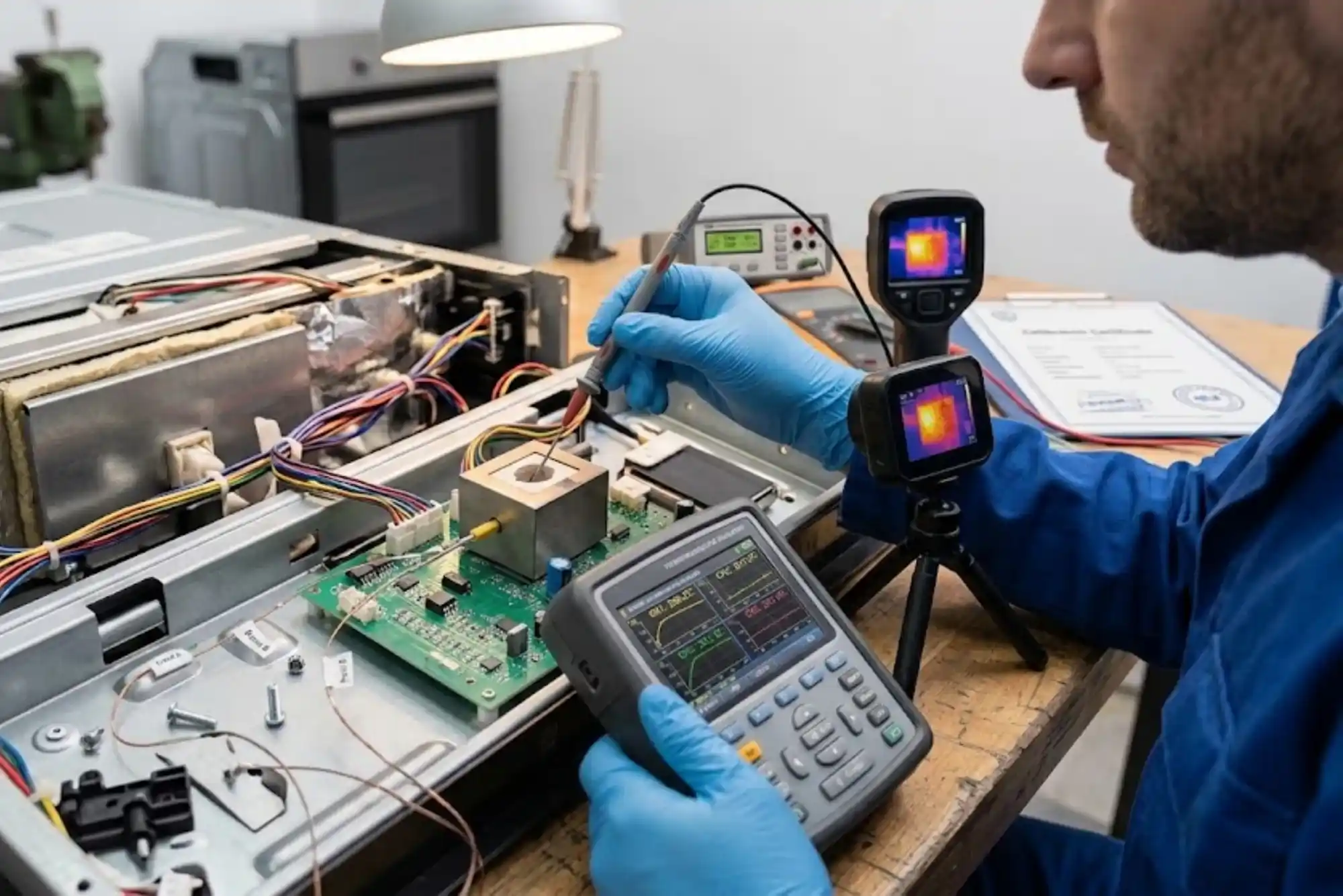
Another critical part of seasonal oven maintenance is temperature calibration. Over time, ovens may lose their ability to maintain accurate temperatures, leading to undercooked or overcooked meals. A simple way to test your oven’s accuracy is by using an oven thermometer. Place it inside the oven and compare the reading with the temperature set on the control panel.
If there is a significant discrepancy, recalibration is necessary. Some ovens allow manual calibration through settings, while others may require professional service. Ensuring accurate temperature control not only improves the quality of your cooking but also helps conserve energy by avoiding prolonged cooking times.
Ventilation and Airflow Maintenance
Proper ventilation plays a vital role in oven performance and safety. Many modern ovens are equipped with ventilation systems that help regulate temperature and remove excess heat. Over time, vents can become clogged with dust, grease, and debris, which affects airflow and efficiency. Seasonal maintenance should include checking the ventilation system, ensuring there are no blockages, and cleaning any filters if applicable.
Good airflow is essential for maintaining consistent oven temperatures and preventing overheating. Inadequate ventilation can put extra strain on the appliance and increase the risk of damage to internal components. A well-maintained ventilation system not only supports the oven’s performance but also enhances kitchen safety.
Inspecting and Maintaining Oven Components
Every oven consists of several essential components that require seasonal inspection. The heating elements, whether located at the top or bottom of the oven cavity, should be checked for cracks, burn marks, or signs of malfunction. If elements appear damaged or fail to glow evenly, replacement may be needed.
Oven lights, though small, play a practical role in monitoring cooking progress without opening the door and releasing heat. Replacing burnt-out bulbs ensures convenience and efficiency. Similarly, control knobs and digital displays should be checked for responsiveness and clarity. Addressing these smaller issues during seasonal maintenance ensures the oven remains fully functional and user-friendly.
Preventing Energy Waste Through Maintenance
An often-overlooked benefit of seasonal oven maintenance is energy efficiency. An oven that is clean, properly calibrated, and in good condition consumes less energy to achieve the desired cooking results. Dirty ovens force heating elements to work harder, while worn-out seals cause heat loss that leads to longer cooking times.
By addressing these issues, you can reduce unnecessary energy consumption, lower utility bills, and contribute to environmental sustainability. Regular maintenance not only protects your appliance but also provides long-term savings for homeowners.
When to Call a Professional Technician
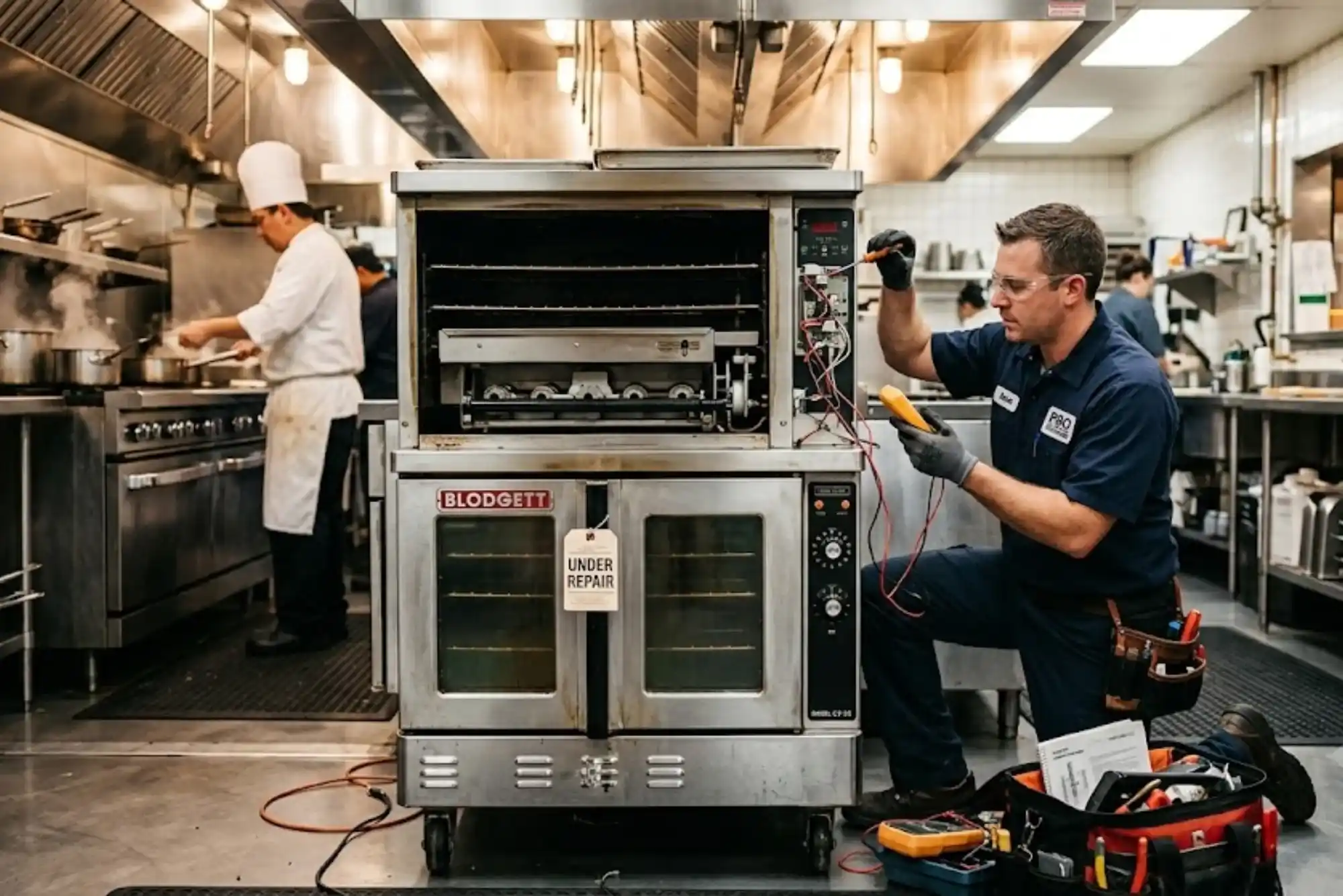
While many aspects of seasonal oven maintenance can be handled by homeowners, some tasks require the expertise of a professional technician. If you notice unusual noises, persistent temperature issues, gas odors, or electrical problems, it is best to seek professional help immediately. Trained technicians have the tools and knowledge to diagnose problems accurately and perform safe, effective repairs.
Scheduling professional maintenance at least once a year provides peace of mind that your oven is in top working condition. Technicians can perform detailed inspections, replace worn-out parts, and ensure compliance with safety standards. This professional support complements your own seasonal maintenance efforts and guarantees reliable oven performance year-round.
Building a Seasonal Maintenance Routine
The key to long-term oven reliability is consistency. By incorporating seasonal maintenance into your household routine, you ensure that small issues never turn into major breakdowns. A good practice is to align oven maintenance with the changing of seasons—spring, summer, autumn, and winter. Each season brings different cooking demands, from summer baking to winter holiday feasts, and preparing your oven accordingly helps you avoid unexpected surprises.
Maintaining a written or digital checklist can be helpful for tracking completed tasks. Over time, you’ll develop a systematic approach that becomes second nature, ensuring your oven always remains in peak condition.
An oven is more than just a kitchen appliance—it is the centerpiece of home-cooked meals and family gatherings. To keep it performing at its best, seasonal oven maintenance is essential. From cleaning and calibrating to inspecting components and ensuring proper ventilation, each step plays a role in preserving the appliance’s efficiency, safety, and longevity.