Buying a launderette business in the UAE can be an excellent investment, but only if you understand what you’re actually acquiring, check this page. Strong monthly revenue doesn’t always mean a healthy business. The real value often depends on recurring commercial clients, the condition of the equipment, operating costs and whether the laundrette can continue performing after ownership changes. Looking beyond the financial statements before making an offer can save buyers from expensive surprises later.
What You Will Learn From This Article
- What makes a laundrette business valuable beyond its reported revenue.
- Which documents and operational details every buyer should review.
- Why commercial laundry equipment deserves a professional inspection.
- A realistic acquisition scenario that demonstrates how hidden costs affect negotiations.
- The most common mistakes buyers make before completing a laundrette acquisition.
A good acquisition starts with understanding the market, not the asking price
One of the biggest mistakes buyers make is falling in love with the first laundrette that appears profitable. Without comparing similar businesses, it’s almost impossible to know whether the asking price reflects the market or simply the seller’s expectations.
Before arranging meetings with owners, it’s worth spending time reviewing comparable businesses currently available for sale. Platforms such as Yescapo allow buyers to compare laundrette businesses alongside other service companies across the UAE, making it easier to understand pricing, locations, included assets and different operating models. Looking at several opportunities side by side also helps identify patterns. For example, two laundrettes may generate similar revenue, but one includes commercial contracts, newer equipment and a longer lease, while another relies almost entirely on walk-in customers.
Understanding the wider market gives buyers stronger negotiating power. Instead of discussing only one business, they can evaluate whether the asking price is supported by similar opportunities currently available.
A profitable laundrette depends on more than customers walking through the door
Many people imagine a laundrette as a business driven by individual customers carrying bags of laundry every day. While retail traffic remains important, the strongest laundrette businesses usually generate income from several different customer groups.
Hotels, serviced apartments, Airbnb property managers, gyms, spas, salons, restaurants and medical facilities often require regular laundry services. These commercial clients provide predictable revenue because they place recurring orders rather than visiting occasionally. A diversified customer base also reduces risk. Losing one residential customer rarely affects the business, while losing a single hotel contract could significantly reduce monthly turnover.

Buyers should therefore ask where revenue actually comes from instead of focusing only on total sales. Understanding customer concentration often reveals much more about the future stability of the business than annual revenue alone.
As specialists who work with commercial laundry equipment throughout Dubai, Sharjah and Ajman, we’ve seen businesses with modest turnover operate successfully for years because they retained reliable commercial clients and maintained their equipment properly. We’ve also seen laundrettes reporting impressive sales while struggling with constant machine breakdowns that gradually damaged customer relationships.
Financial records explain the past. The equipment often predicts the future.
When evaluating a launderette business for sale in the UAE, buyers usually begin with financial statements. Reviewing at least two or three years of accounts remains essential because it helps identify revenue trends, operating expenses, payroll costs and seasonal fluctuations. Utility bills also deserve careful attention since electricity and water represent a substantial part of operating expenses in every commercial laundry business.
Financial records, however, only tell part of the story.
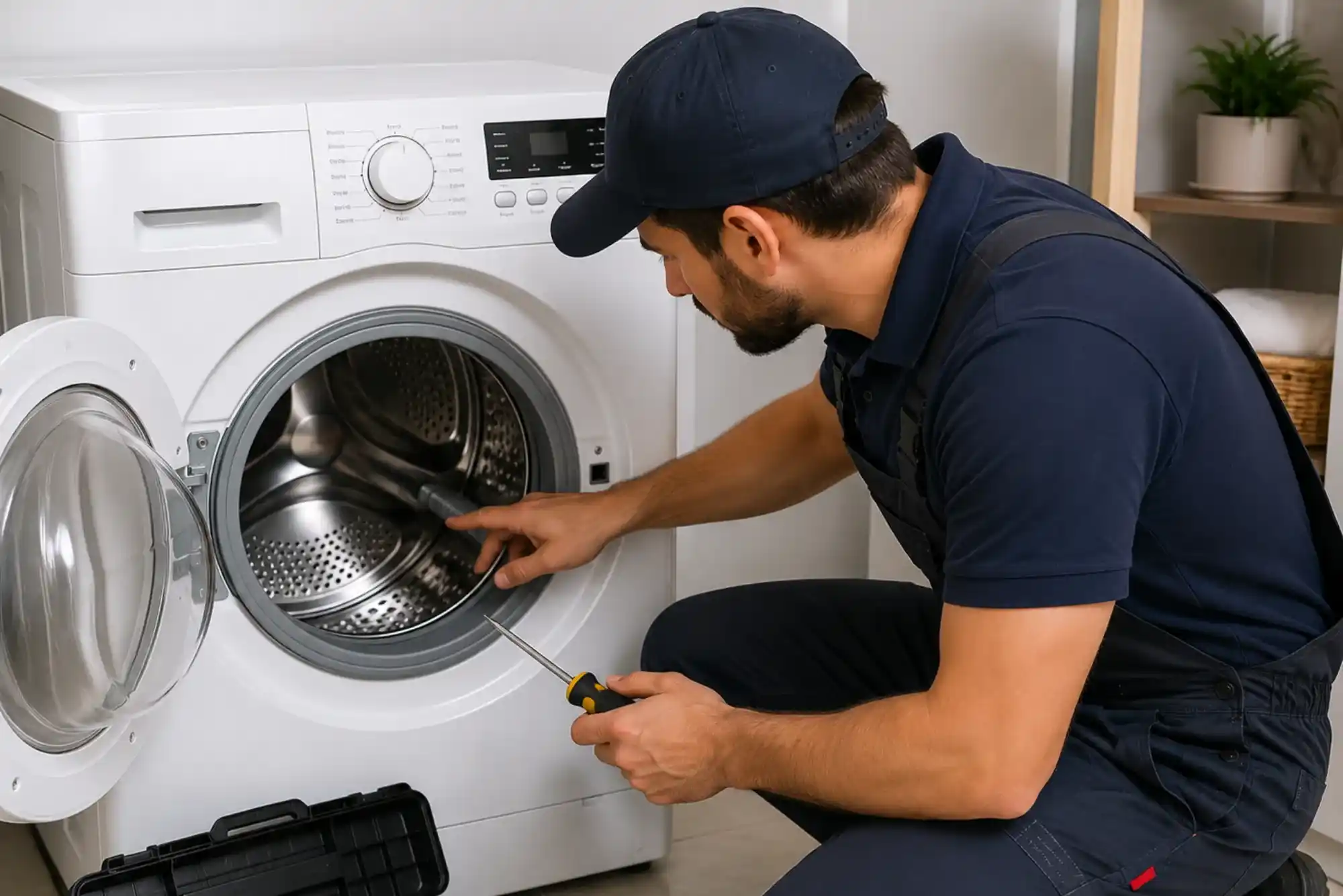
Commercial washing machines and dryers are among the most valuable assets inside a laundrette, and their condition directly affects profitability after the purchase. Equipment that has been serviced regularly will usually continue operating reliably, while neglected machines can quickly become an unexpected financial burden.
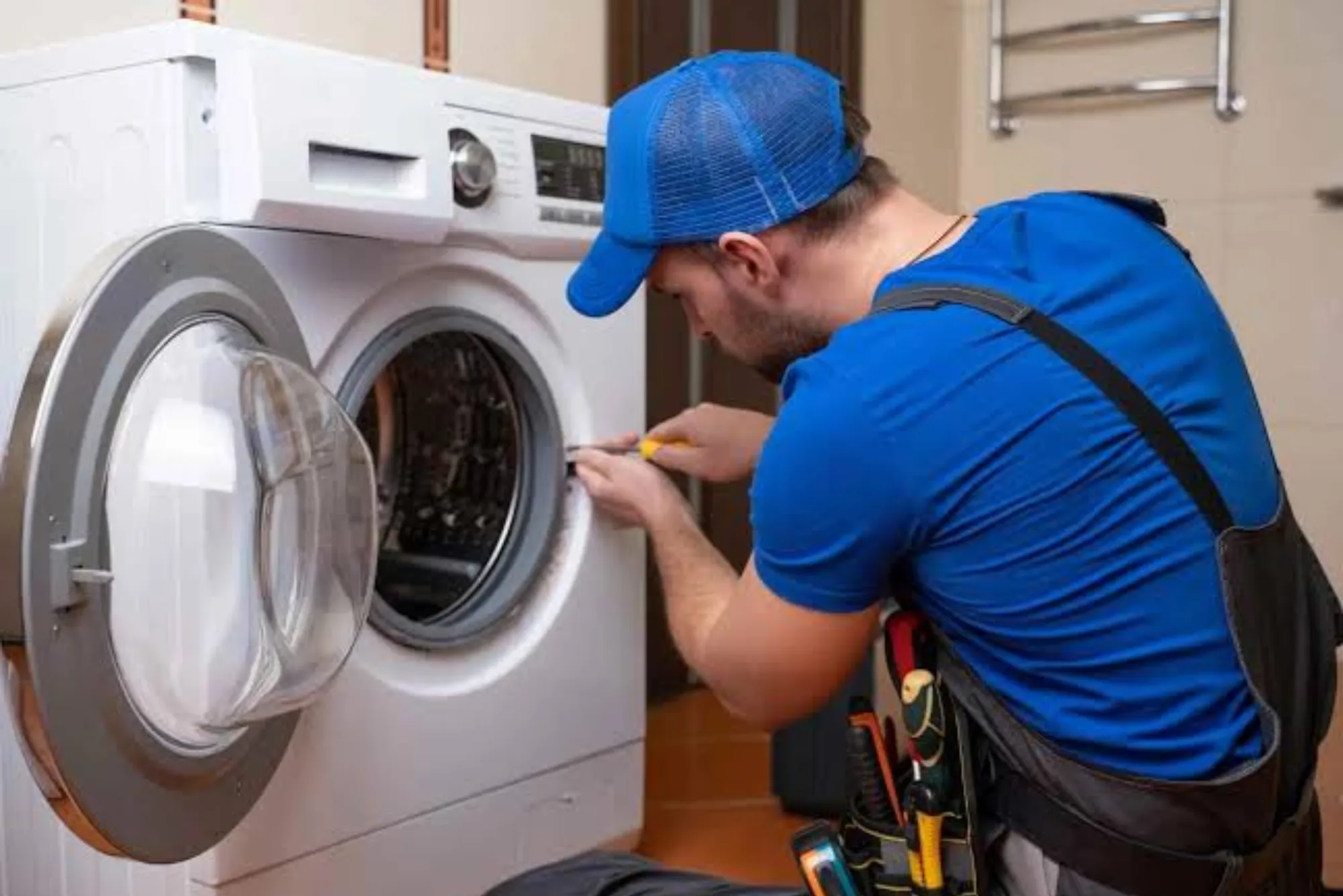
At Al Barouda, we regularly inspect and service commercial washing machines and dryers used by laundrettes throughout Dubai, Sharjah and Ajman. One of the most common issues we see is equipment that appears to be operating normally but has received only basic repairs for years instead of proper preventive maintenance. While these machines may still be functioning during a buyer’s first visit, hidden wear can lead to expensive breakdowns shortly after the acquisition is completed.
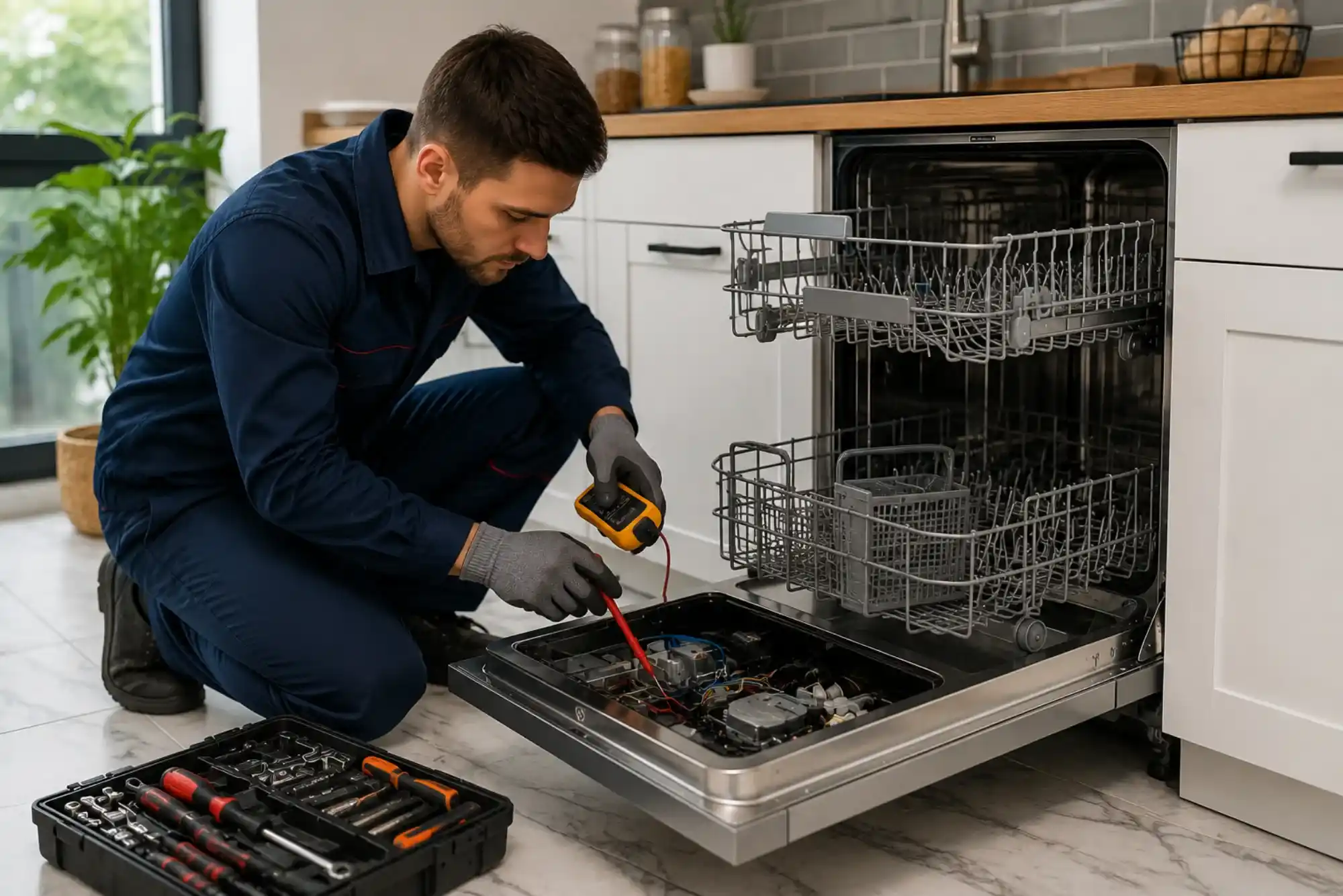
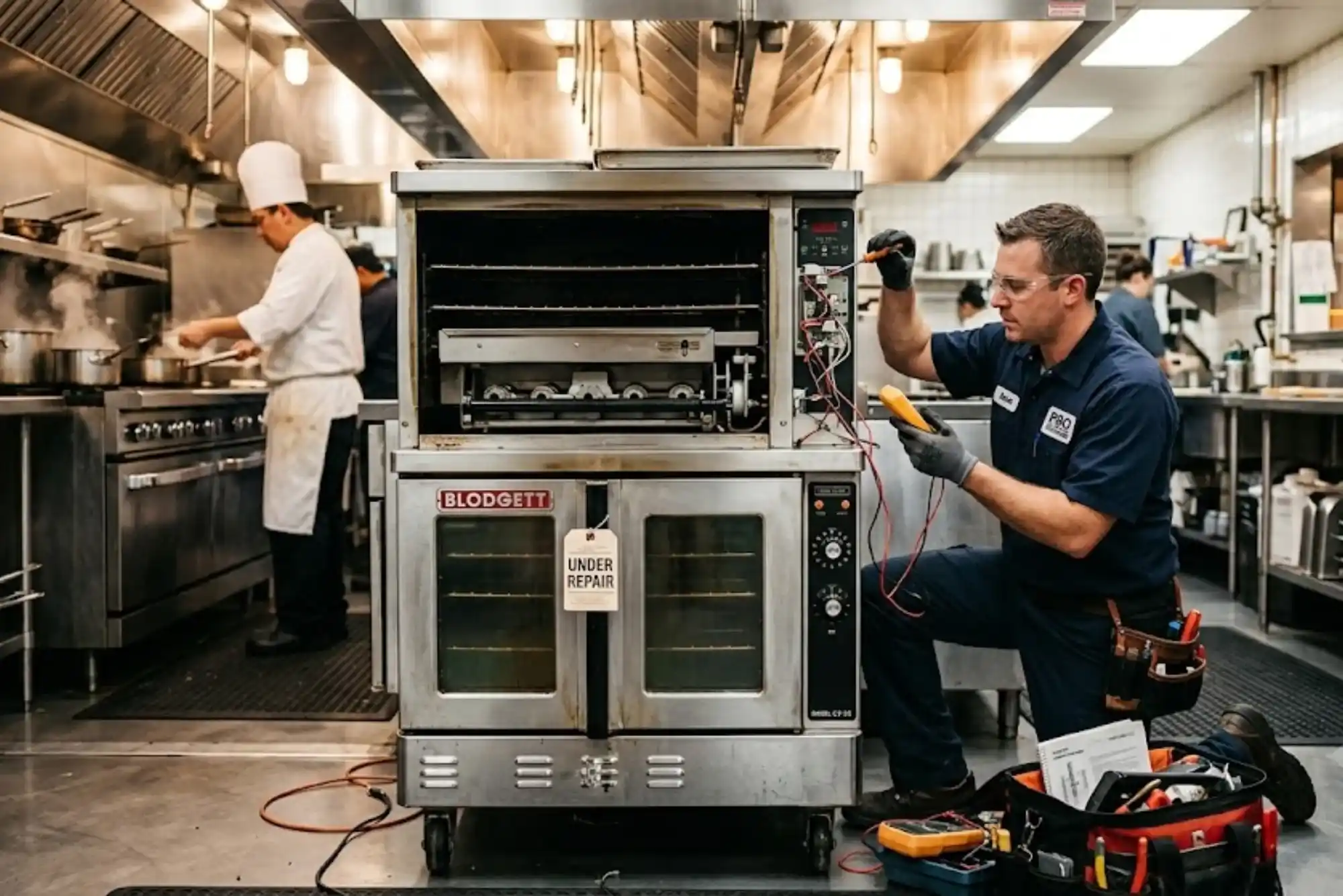
For that reason, we always recommend inspecting commercial laundry equipment before agreeing on a final purchase price. A technical inspection may identify worn bearings, heating elements, pumps, motors or control systems that still function today but could require replacement within the next year. Discovering those issues before signing the agreement allows buyers to negotiate based on actual operating conditions rather than assumptions.
Lease terms can add or remove significant value from the business
Many buyers spend hours reviewing profit and loss statements while giving only a quick glance to the lease agreement. In a laundrette business, that can be a costly mistake.
Location is one of the biggest factors behind long-term success. Even an efficiently operated laundrette may struggle if the lease expires shortly after the acquisition or if rent is scheduled to increase significantly within the next few years. Before making an offer, buyers should understand exactly how much time remains on the current lease, whether renewal options exist and whether the landlord must approve the transfer of the business to a new owner.
It’s equally important to understand what is included in the lease. Some commercial units already have the electrical capacity, drainage systems, ventilation and plumbing required for industrial laundry equipment. Replacing or upgrading these systems can become a major expense if the existing infrastructure does not support future expansion.
On several occasions we’ve seen buyers focus entirely on the equipment while overlooking limitations imposed by the premises. A laundrette may have space for additional machines, but insufficient electrical capacity can make expansion impossible without expensive upgrades.
A realistic acquisition scenario
Consider a typical example based on situations that frequently arise during business acquisitions.
A buyer is considering purchasing a laundrette in Dubai listed for AED 820,000. According to the seller, the business generates approximately AED 155,000 in monthly revenue, operates seven days a week and serves several nearby residential communities along with four commercial clients.
The financial statements appear consistent and customer reviews are generally positive. At first glance, the asking price seems reasonable compared with similar laundrette businesses currently available on the market.
During the due diligence process, however, several additional details emerge.
The commercial customer contracts remain strong, staff turnover is low and the lease still has five years remaining. Those are all positive indicators. The equipment inspection tells a slightly different story. Four commercial dryers have exceeded their recommended operating hours, two washing machines have a history of recurring pump failures and maintenance records show that several non-essential repairs were postponed over the previous eighteen months.
None of these findings make the acquisition unattractive. The laundrette is still operating successfully and continues to generate healthy cash flow. What changes is the negotiation.
Instead of accepting the original asking price, the buyer obtains quotations for the expected repairs and replacement work. Those costs become part of the acquisition discussion, leading to a revised purchase price that reflects the upcoming capital investment rather than assuming the equipment is in near-perfect condition.
Situations like this are common. In many acquisitions, the technical condition of the equipment doesn’t determine whether the buyer proceeds—it determines how much the business is actually worth.
This is exactly where an independent equipment assessment becomes valuable. Instead of relying solely on the seller’s description, buyers can negotiate using objective technical findings. In many cases, identifying worn commercial washers, dryers or other laundry equipment before closing allows repair costs to be reflected in the purchase price rather than becoming an unexpected expense for the new owner.
Deferred maintenance is one of the most common hidden costs
Commercial laundry equipment is designed to operate for many years, but only if it receives regular servicing. Sellers preparing a business for sale sometimes postpone maintenance to reduce short-term operating expenses and improve reported profitability. The financial statements may look stronger, while the buyer inherits equipment that requires immediate attention after completion.
Buyers should ask when each machine was last serviced, whether major components have been replaced, how frequently breakdowns occur and whether original manufacturer parts have been used during repairs. If detailed maintenance records cannot be provided, that uncertainty should become part of the overall risk assessment.
From our experience at Al Barouda, one of the biggest mistakes buyers make is assuming that equipment is in good condition simply because it is still operating. Commercial washers and dryers can continue running while internal components are already approaching the end of their service life. Bearings, pumps, heating elements and control boards often show early signs of wear long before a complete breakdown occurs.
One of the most valuable investments during due diligence is often not another financial report, but an independent technical inspection that confirms whether the laundrette’s most important assets are likely to support the projected cash flow over the coming years.
Staff and customer relationships should survive the ownership change
A laundrette business is often viewed as an equipment-based operation, but people still play a major role in its success. Employees understand daily routines, know regular customers and often solve small operational issues before they become larger problems. If several experienced staff members intend to leave after the sale, the transition may be far more difficult than expected.
Commercial clients deserve even closer attention. Ask whether service agreements are written contracts or simply long-standing verbal arrangements. A hotel, restaurant or property management company may have worked with the current owner for years because of a personal relationship rather than a formal agreement. If those relationships disappear after the acquisition, revenue can decline much faster than the financial statements suggest.
Whenever possible, buyers should understand how customers place orders, how invoices are managed and whether communication depends on one individual. Businesses that rely on documented procedures, digital records and consistent service standards are usually much easier to transfer successfully than those built entirely around the owner’s personal involvement.
Questions every buyer should ask before making an offer
Before signing a purchase agreement, buyers should leave the due diligence process with clear answers rather than assumptions.
For example, they should understand whether the reported revenue matches actual bank deposits, whether supplier invoices reflect normal operating costs and whether recent utility expenses are consistent with the business’s historical performance. It’s also important to determine whether any equipment is leased rather than owned, whether warranties remain valid and whether there are outstanding service contracts that will transfer to the new owner.
Operational questions matter just as much. Buyers should know who manages the laundrette when the owner is absent, how customer complaints are handled, whether machines are serviced according to a preventive maintenance schedule and how quickly replacement parts can be obtained if a breakdown occurs.
Small operational details often separate businesses that continue performing after an acquisition from those that experience immediate disruption.
Buying the right laundrette is usually better than buying the cheapest one
The lowest purchase price does not always mean the best investment. Older equipment, high utility costs, upcoming repairs or a short lease can quickly make a cheaper laundrette more expensive to operate.
A business with well-maintained machines, clear service records and stable customers may justify a higher price because it carries fewer hidden risks. Technical due diligence helps buyers estimate future maintenance costs before completing the transaction.
Frequently Asked Questions
Is a laundrette business profitable in the UAE?
A laundrette can be profitable when it maintains consistent customer demand, controls operating expenses and keeps equipment running efficiently. Businesses with recurring commercial contracts often generate more predictable revenue than those relying only on walk-in customers.
What should I inspect before buying a laundrette?
Review financial statements, lease agreements, utility costs, payroll records, customer contracts and maintenance history. A professional inspection of commercial washing machines and dryers is also recommended because equipment replacement can significantly affect future profitability.
Why is equipment inspection so important?
Commercial laundry equipment represents one of the largest investments inside the business. Identifying worn components, recurring faults or overdue maintenance before completing the purchase helps buyers negotiate a fair price and prepare for future operating costs.
How do I know whether the asking price is reasonable?
Comparing similar laundrette businesses currently available on the market provides valuable context. Looking at several opportunities instead of one makes it easier to understand typical valuations and identify businesses that may be overpriced or underpriced.
Related Reading: If an AI Searched for Your Business Right Now, What Would It Find?