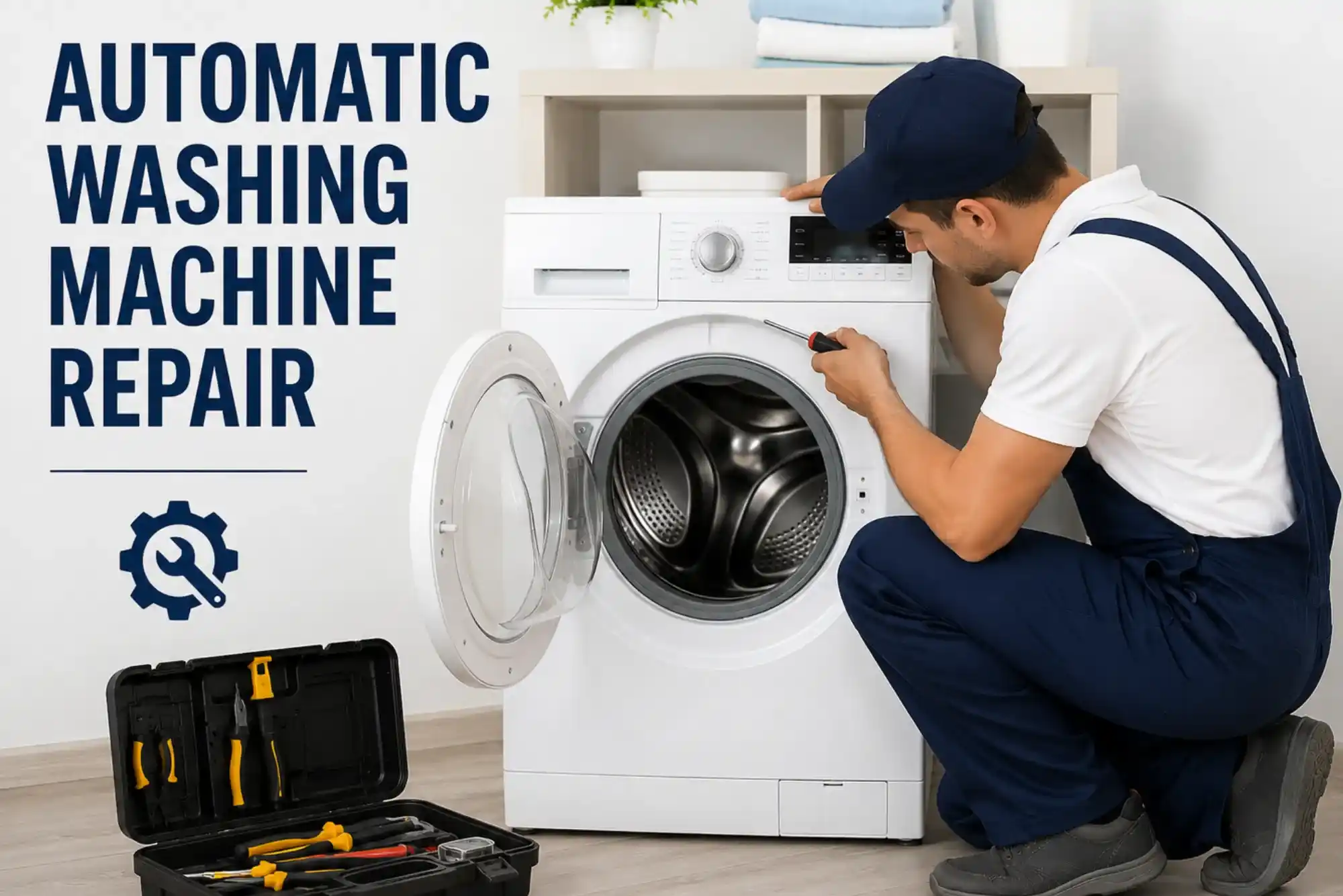
Automatic Washing Machine Repair: A Practical Guide to Common Washer Problems
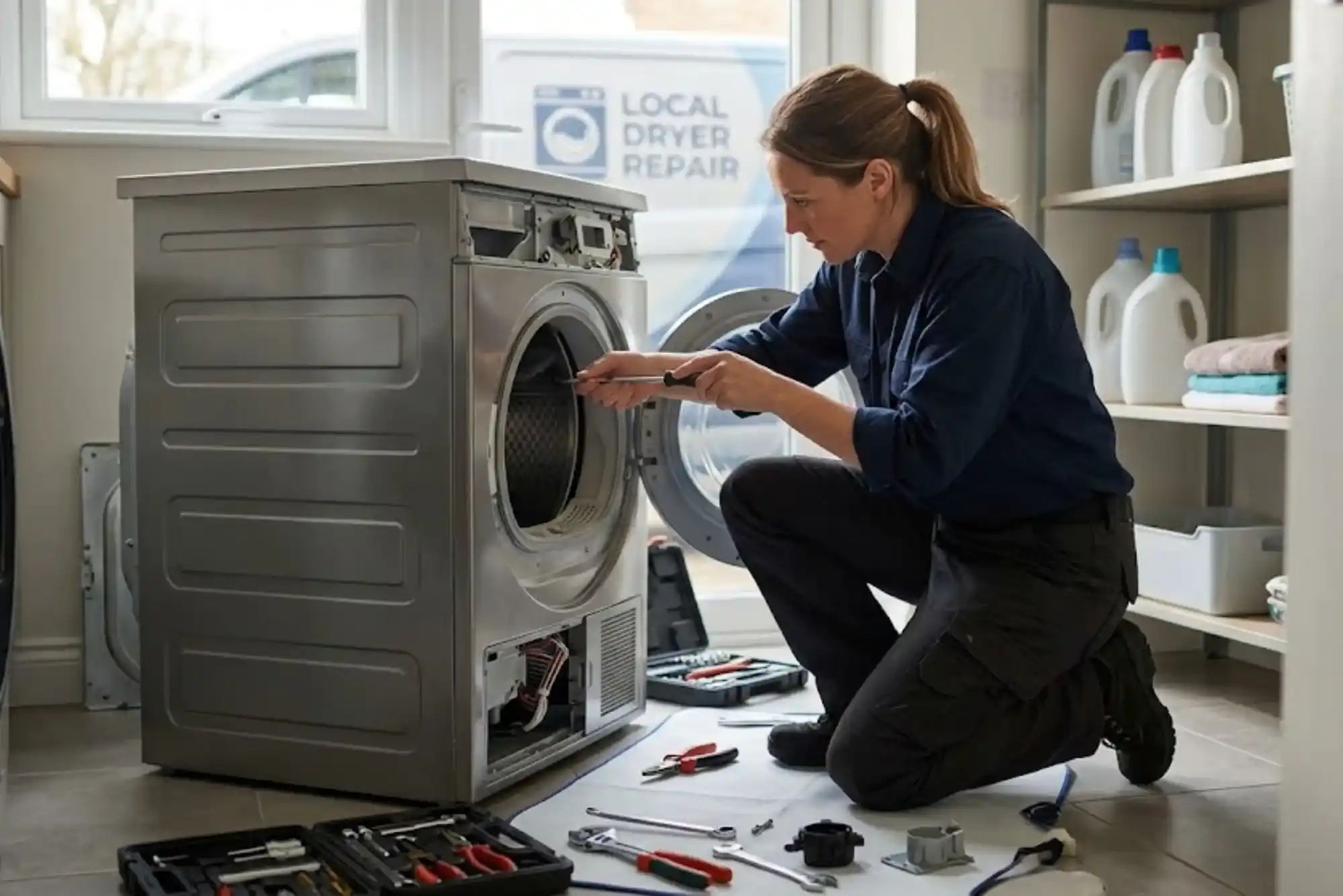
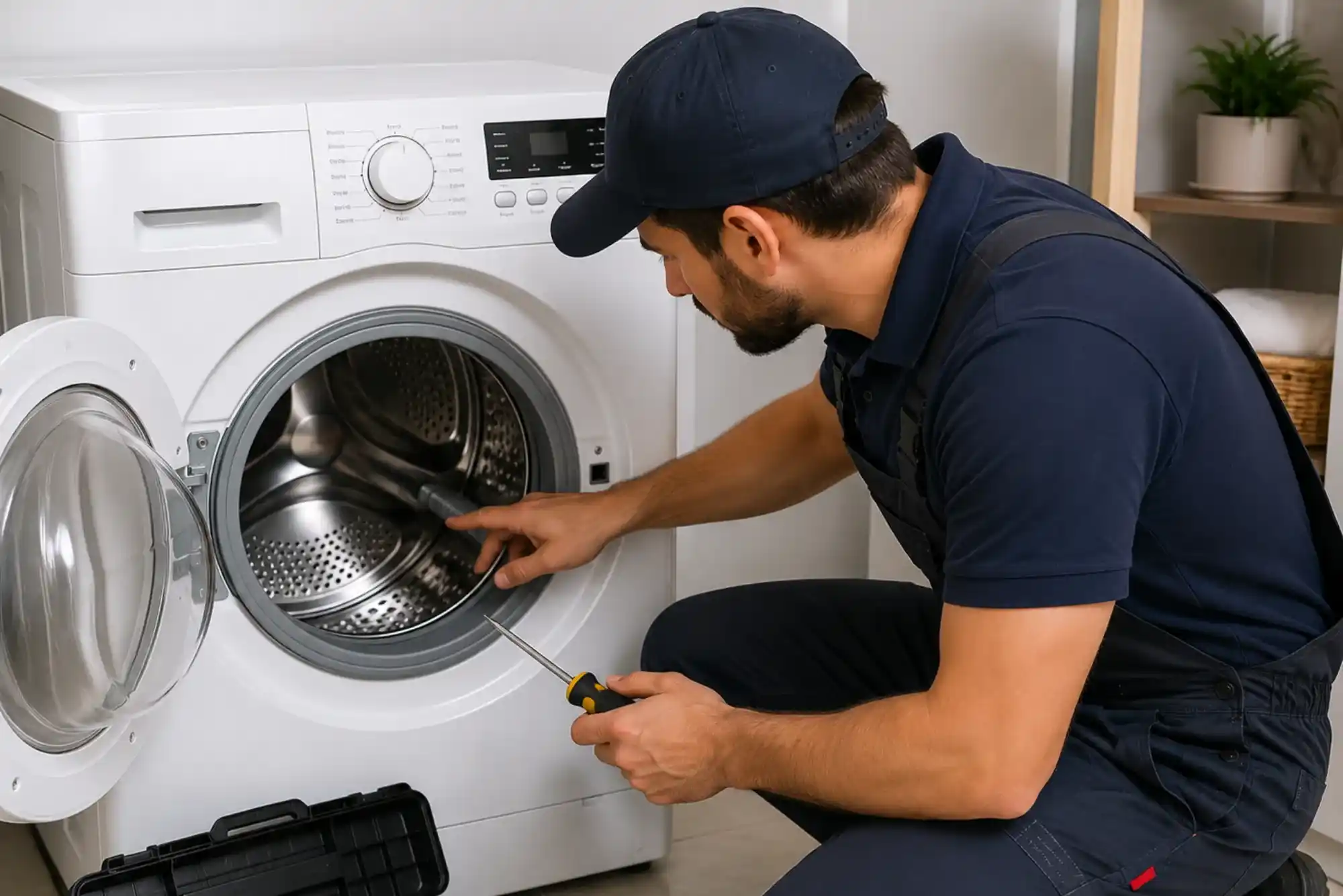
Modern washing machines make laundry faster and more convenient, but even a reliable automatic washer can develop problems over time. When the appliance stops spinning, fails to drain, produces unusual sounds, or refuses to complete a cycle, understanding the likely cause can help you decide what to do next. Automatic Washing Machine Repair covers a wide range of faults, from simple drainage issues to motor, door-lock, electronic control, and drum-related problems.
A good starting point is to identify the exact symptom rather than immediately replacing the appliance. Some problems can result from an overloaded drum, blocked filter, unbalanced load, or incorrect cycle selection. Other faults require inspection by a qualified technician. For additional guidance on common washer faults, readers can explore washing machine troubleshooting before deciding on the next step.
Why Automatic Washing Machines Develop Problems
An automatic washing machine contains several interconnected systems. The motor turns the drum, the pump removes used water, valves control the water supply, sensors monitor different stages of the cycle, and electronic controls coordinate the entire operation. A fault in one component can therefore affect the machine’s overall performance.
Regular use also contributes to gradual wear. Bearings, belts, motor components, door locks, hoses, pumps, and electrical connections can deteriorate with age. Poor loading habits and infrequent cleaning may make certain problems appear sooner.
Common warning signs include:
- The drum does not spin or spins inconsistently.
- Water remains inside the washer after a cycle.
- The machine makes grinding, banging, or humming sounds.
- The washer stops before completing its program.
- An error code appears on the display.
- The door remains locked after the cycle finishes.
Washer Not Spinning: What Could Be Wrong?
A washer that fills with water but fails to spin is one of the more noticeable problems. The cause may be relatively simple, such as an unbalanced load, but mechanical or electrical faults are also possible.

Overloading the drum can prevent the washer from reaching the correct spin speed. A badly distributed load can produce a similar result because modern machines may stop or reduce spinning when excessive vibration is detected. If redistributing the clothes does not solve the problem, further inspection may be necessary.
Potential causes can include a worn belt, motor problem, damaged coupling, faulty door-lock mechanism, drainage issue, or electronic control fault. A useful resource on this specific symptom is washing machine not spinning repair, which can help readers understand the different possibilities.
Drainage Problems Should Not Be Ignored
If dirty water remains in the drum, the washing machine may refuse to enter its final spin stage. A blocked drain hose, clogged filter, or obstructed pump can restrict water removal. In some cases, the drain pump itself may have developed a mechanical or electrical fault.
Before attempting any inspection, switch off the appliance and disconnect it from the power supply. Check only the easily accessible areas recommended by the manufacturer’s instructions. If the machine still cannot drain, professional diagnosis is safer than repeatedly running failed cycles.
For more detailed information, see washing machine not draining water solutions.
When an Error Code Appears
Error codes are designed to help identify abnormal operating conditions. However, the meaning of a code can vary between manufacturers and models. A displayed code should therefore be checked against the appliance’s manual rather than interpreted from a generic list.
Some codes may relate to drainage, water supply, door locking, motor operation, temperature, or electronic controls. Resetting the machine may occasionally clear a temporary fault, but repeated error messages indicate that the underlying problem still needs attention.
Understanding the code before arranging repair can make communication with a technician easier because the reported symptom and displayed message provide useful diagnostic information.
Motor and Control System Faults
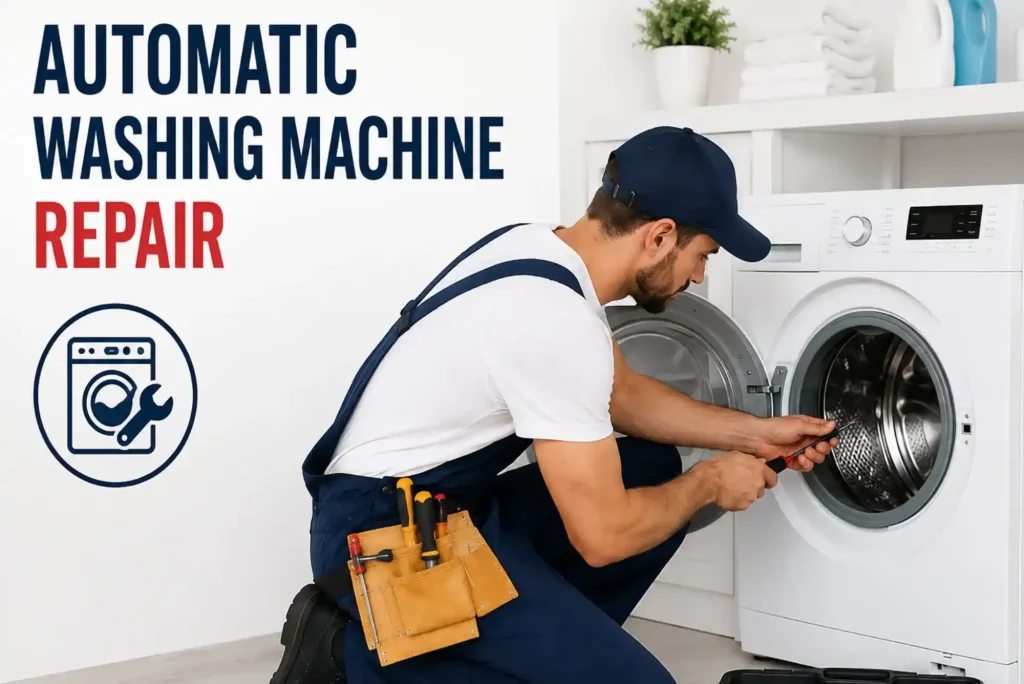
The motor is one of the most important components in an automatic washing machine because it provides the movement required for washing and spinning. If the motor develops a fault, the machine may struggle to rotate the drum, stop unexpectedly, or produce unusual sounds.
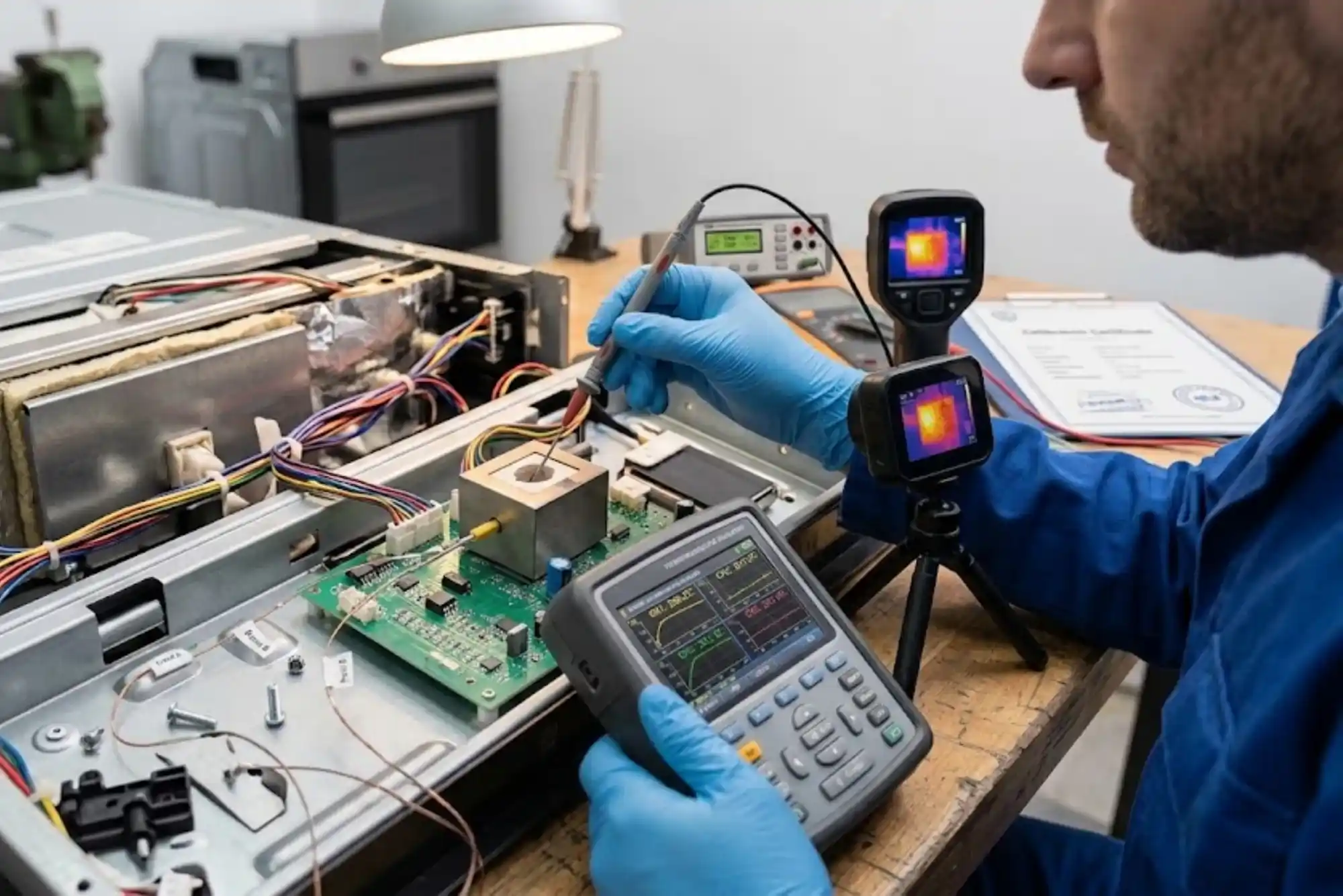
Electrical connections, motor components, drive systems, and control boards can all contribute to performance problems. Modern machines may also use inverter-based systems, making accurate diagnosis particularly important. Rather than replacing expensive components based only on symptoms, a technician should identify the actual source of the fault.
For readers interested in the mechanical side of washer operation, washing machine motor repair provides additional information about motor-related problems.
Should You Repair or Replace the Washing Machine?
Not every washing machine fault means that the appliance needs to be replaced. The decision should consider the machine’s age, condition, repair requirements, availability of replacement parts, and expected future reliability.
| Situation | Repair May Make Sense | Replacement May Be Considered |
|---|---|---|
| Minor drainage issue | Usually worth repairing | Rarely necessary |
| Worn motor component | Often repairable | Consider if the appliance is very old |
| Repeated major faults | May become expensive | Compare total repair costs |
| Severe drum damage | Depends on parts and labor | May be more practical |
| Older inefficient appliance | Suitable for minor faults | Replacement may offer better long-term value |
How to Reduce the Need for Washing Machine Repairs
Good maintenance cannot prevent every mechanical or electrical failure, but it can help reduce avoidable problems. Simple habits also allow homeowners to identify unusual behavior before a minor issue develops into a larger fault.
- Do not overload the washing machine beyond the manufacturer’s recommended capacity.
- Distribute clothes evenly when possible, especially during high-speed spin cycles.
- Clean accessible filters and detergent compartments according to the manufacturer’s instructions.
- Inspect visible hoses periodically for signs of deterioration or leakage.
- Use the correct detergent and recommended quantity for the machine.
- Pay attention to new noises, vibrations, error messages, or changes in washing performance.
Expert Tip: Do not judge a washing machine problem only by its most obvious symptom. A washer that does not spin, for example, may have a drainage, door-lock, motor, load-balance, or control-system problem. Correct diagnosis should come before replacing parts.
When Professional Automatic Washing Machine Repair Is the Better Choice
Basic checks are reasonable when they can be performed safely, but internal electrical and mechanical repairs are different. If the machine repeatedly trips a circuit breaker, smells of burning, leaks from an internal component, displays persistent fault codes, or makes severe mechanical noises, it is better to stop using it and arrange professional inspection.
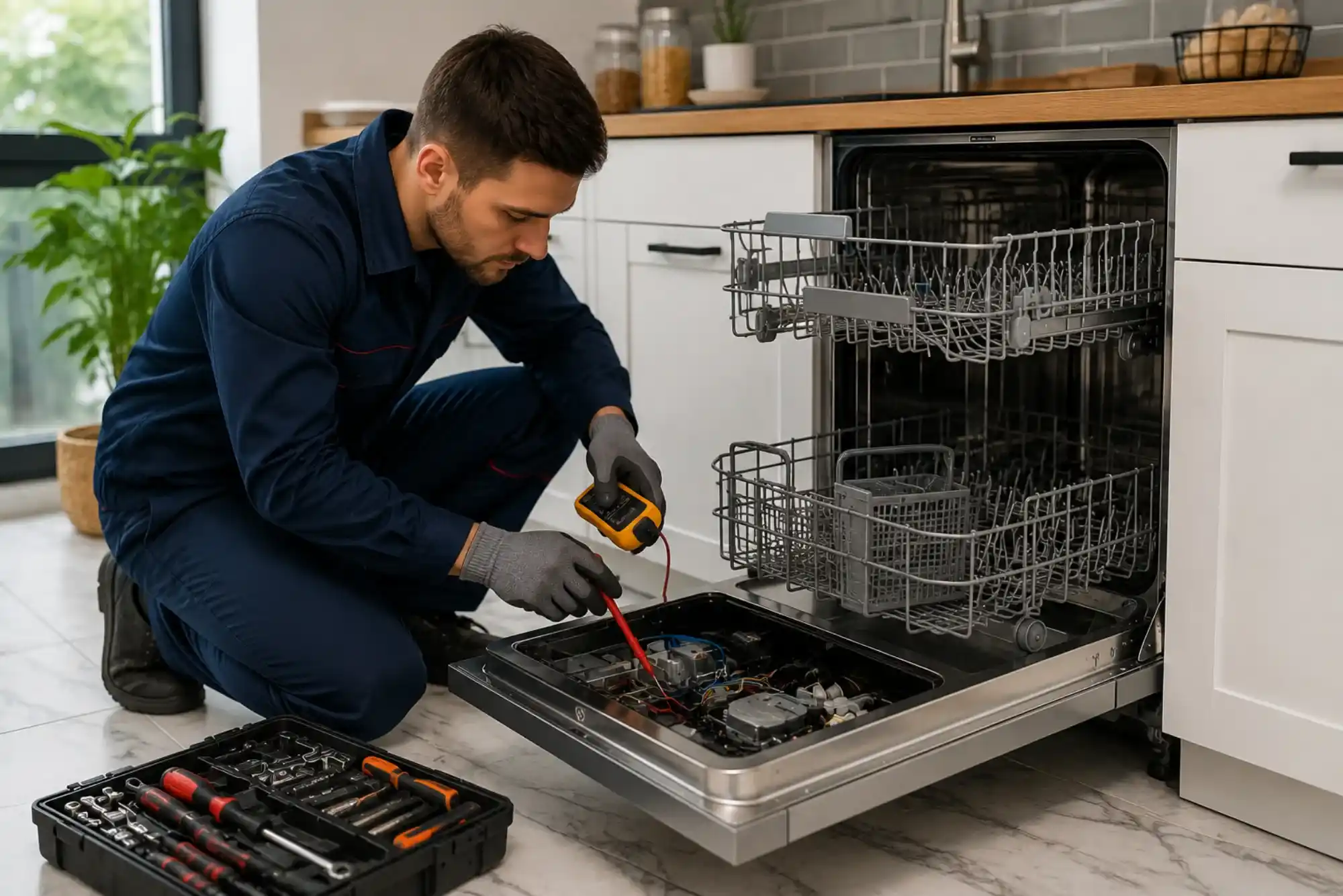
A qualified repair professional can inspect the relevant components, identify the underlying cause, and determine whether repair is technically and economically sensible. This approach can prevent unnecessary part replacement and reduce the risk of causing additional damage through trial-and-error repairs.
Frequently Asked Questions
What is automatic washing machine repair?
Automatic washing machine repair involves diagnosing and fixing faults affecting an automatic washer’s mechanical, electrical, drainage, water-supply, control, or spinning systems.
Why is my automatic washing machine not spinning?
Possible causes include an unbalanced load, drainage problem, worn drive component, motor fault, door-lock issue, or electronic control problem. The exact cause depends on the machine and its symptoms.
Why does my washing machine keep water inside?
Water may remain in the drum because of a blocked drain hose, clogged filter, pump obstruction, or faulty drain pump. Disconnect the appliance from power before carrying out any safe external checks.
Are washing machine error codes serious?
Some error codes indicate temporary operating conditions, while others point toward component faults. The manufacturer’s manual should be used to identify the meaning of a specific code.
Can regular maintenance prevent washing machine breakdowns?
Regular cleaning, correct loading, suitable detergent use, and attention to unusual noises or performance changes can help reduce avoidable problems, although normal component wear can still occur.
Conclusion
Reliable Automatic Washing Machine Repair starts with understanding the symptoms and identifying the actual cause of the problem. Issues such as failed spinning, drainage faults, error codes, motor problems, and unusual noises can have several possible causes, so replacing parts without proper diagnosis is not always the best approach.
Simple maintenance and responsible use can help keep an automatic washer operating efficiently, while persistent or potentially dangerous faults should be assessed by a qualified professional. When repair is required, accurate diagnosis can help determine whether fixing the existing machine is the practical choice or whether replacement deserves consideration.
Related Reading: When to Repair or Replace a Washing Machine
Related Reading: Samsung Washing Machine Repair