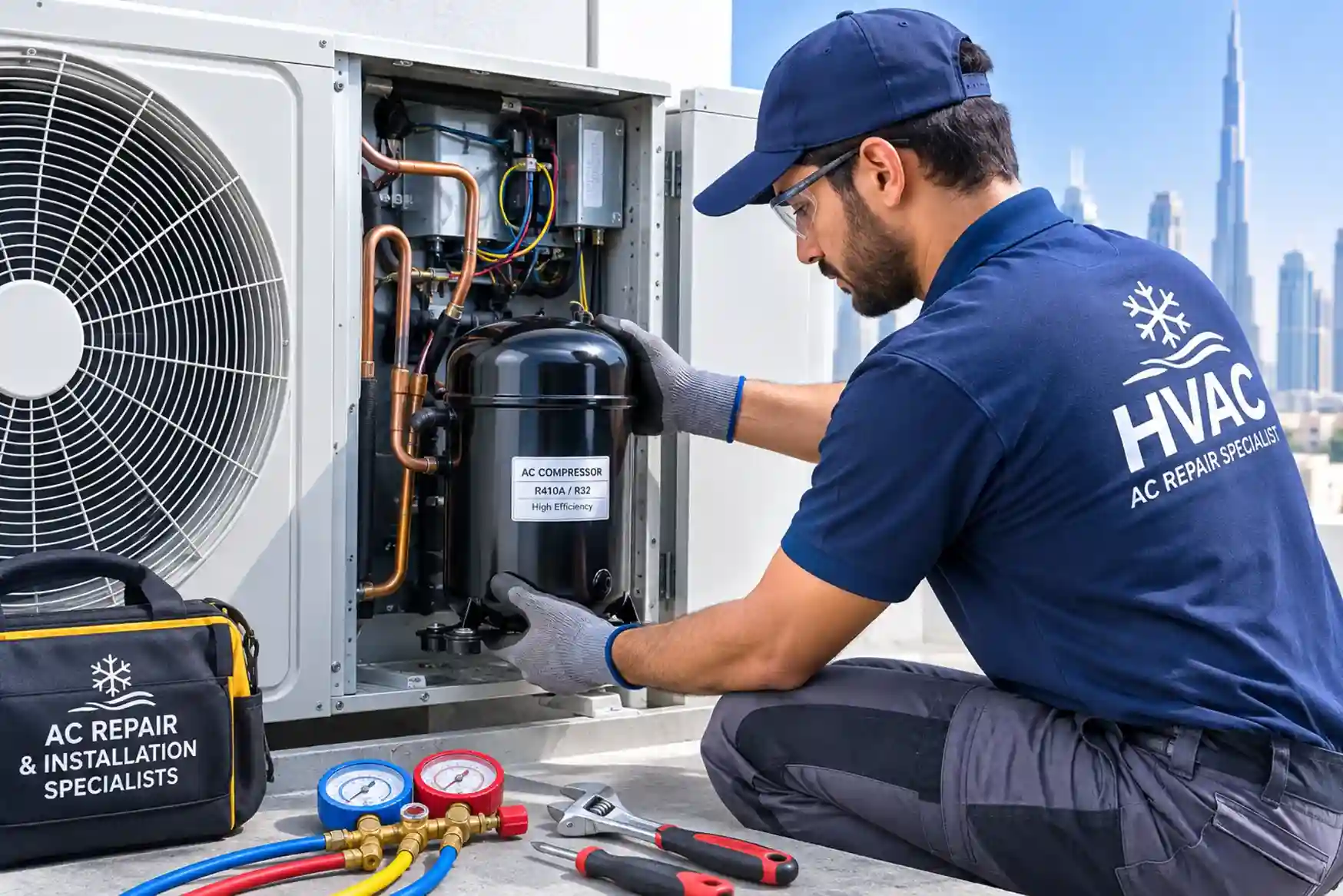
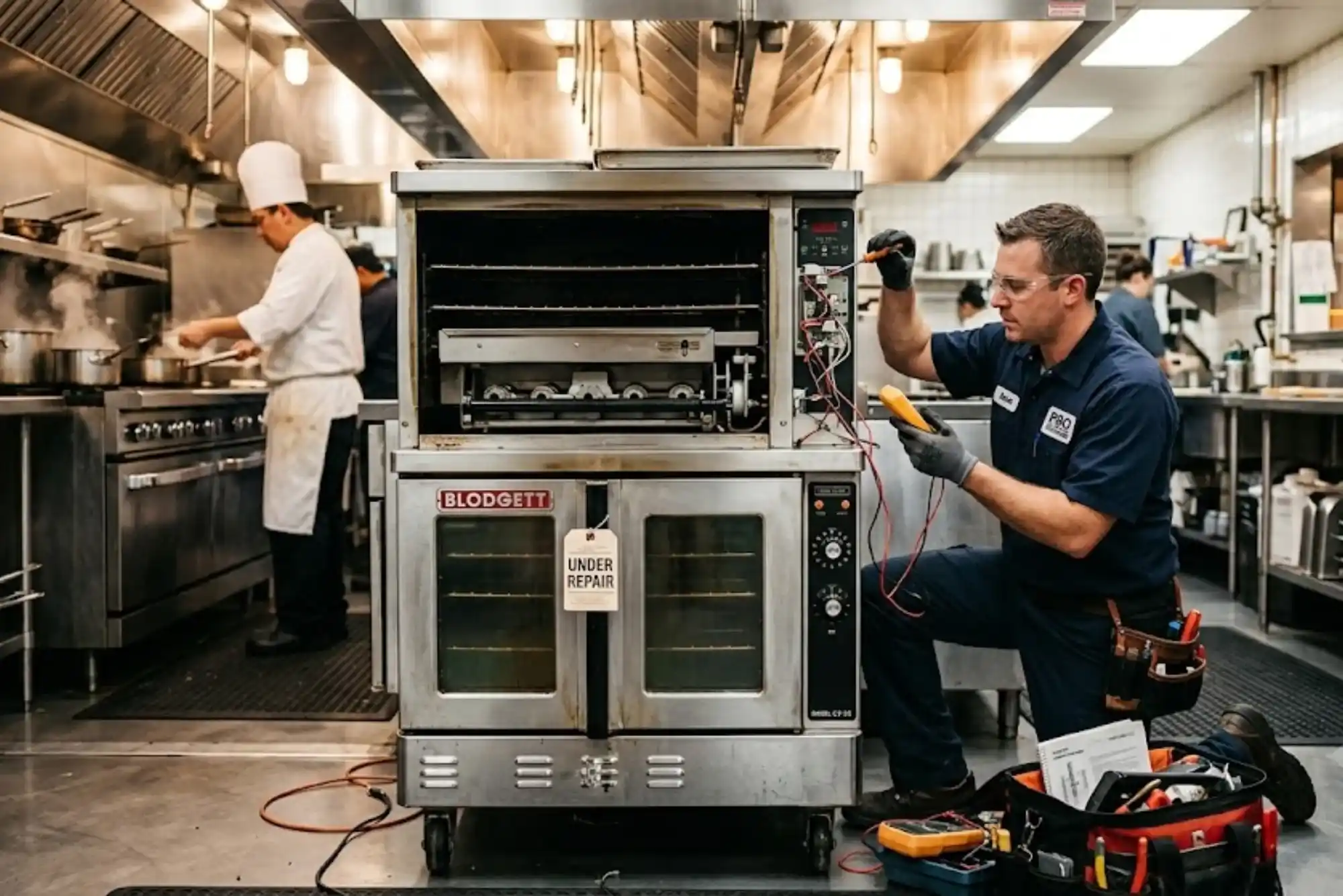
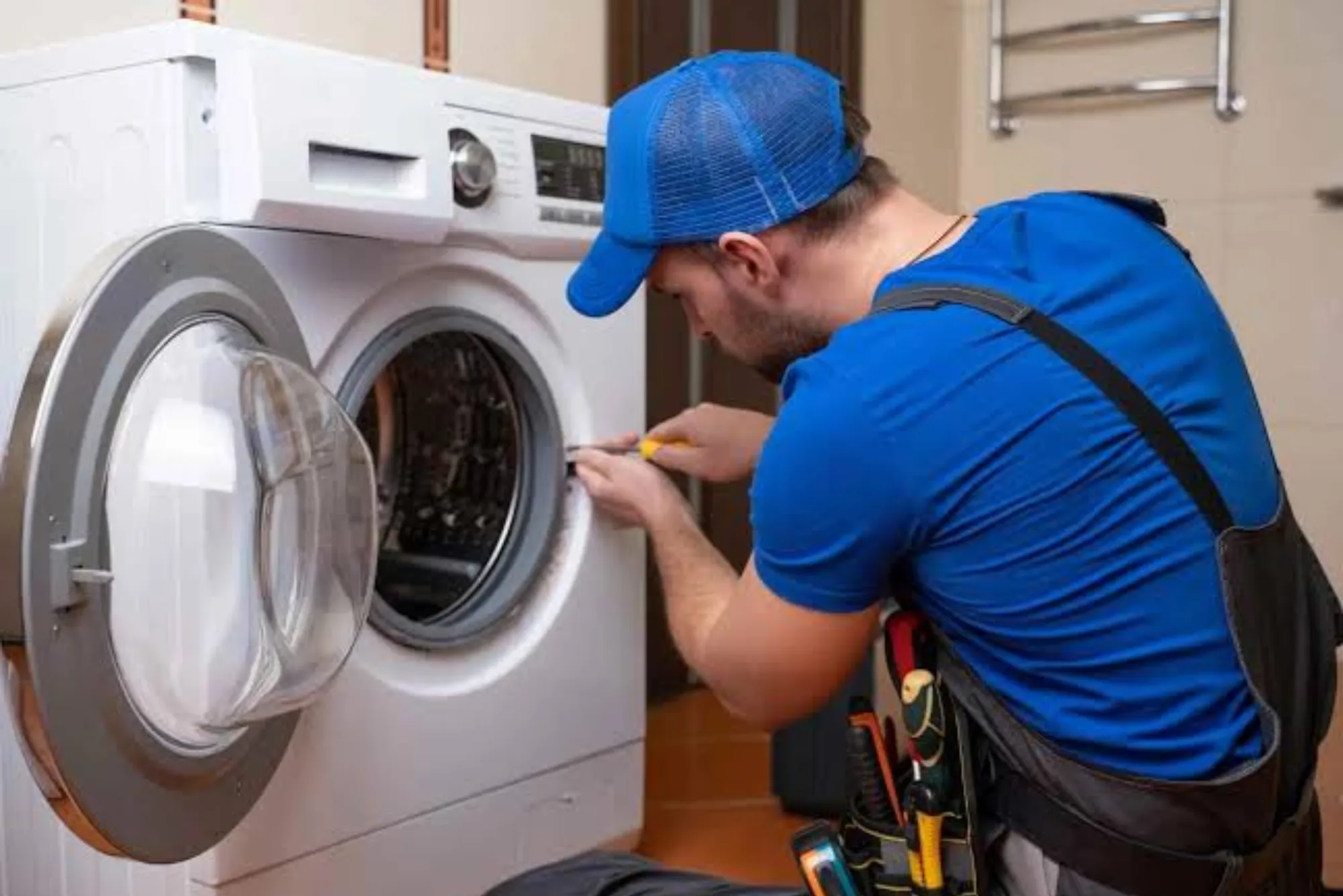
An air conditioner can struggle to cool a property when its compressor is damaged, worn, electrically faulty, or unable to circulate refrigerant correctly. Because the compressor is one of the most important components in a cooling system, choosing Professional AC Compressor Replacement And Repair Services can help identify the actual fault before unnecessary parts are replaced. A proper diagnosis also helps determine whether repairing the compressor is practical or whether replacement is the better long-term option.
Compressor problems can develop gradually or appear suddenly. An AC may start producing warm air, cycle on and off repeatedly, make unusual sounds, or fail to start altogether. These symptoms can also be caused by capacitors, electrical connections, refrigerant problems, airflow restrictions, or other components, which is why accurate troubleshooting matters.
Why the AC Compressor Matters
The compressor is responsible for circulating refrigerant through the air conditioning system and maintaining the pressure needed for the cooling cycle. When it cannot operate correctly, the entire system may lose its ability to provide effective cooling.
Professional technicians normally inspect the wider system rather than assuming that every cooling problem is caused by the compressor. Electrical readings, system pressures, airflow, controls, and visible component conditions can all provide useful clues during diagnosis.
For general AC maintenance and repair guidance, homeowners can also explore air conditioner maintenance and repair services to understand how routine servicing can help identify developing problems.
Common Signs of Compressor Problems
Several symptoms may indicate that an air conditioner needs compressor-related attention. However, these signs should be treated as warning signals rather than proof that the compressor itself has failed.

- The AC does not produce sufficiently cool air.
- The outdoor unit struggles to start or repeatedly shuts down.
- Unusual humming, clicking, grinding, or buzzing sounds come from the outdoor unit.
- The system trips a circuit breaker during operation.
- The compressor becomes excessively hot.
- The AC runs for long periods without achieving comfortable indoor temperatures.
Repair or Replacement: Which Is Better?
Not every compressor problem requires complete replacement. A qualified technician first needs to establish whether the compressor has suffered an actual mechanical failure or whether an external component is preventing normal operation.
| Situation | Potential Approach | Main Consideration |
|---|---|---|
| Electrical component fault | Repair or component replacement | Compressor may still be serviceable |
| Minor connection issue | Electrical repair | Requires safe testing |
| Mechanical compressor failure | Compressor replacement | System compatibility is important |
| Older inefficient system | Repair or wider system replacement | Long-term operating value should be considered |
A professional assessment is particularly important because replacing a compressor is a significant repair. The replacement component needs to be compatible with the air conditioning system, refrigerant requirements, electrical characteristics, and installation specifications.
Why Professional Diagnosis Is Important
Attempting to diagnose a compressor without the correct equipment can lead to incorrect conclusions. For example, a faulty capacitor or electrical supply problem can sometimes make a healthy compressor appear defective. Similarly, airflow or refrigerant-related problems may cause poor cooling without requiring compressor replacement.
Professional AC repair services can approach the problem systematically, identify the likely source of the failure, and recommend the most appropriate repair path. This reduces the risk of replacing an expensive component unnecessarily.
When a compressor is confirmed to be faulty, the technician can determine whether repair is technically reasonable or whether installing a compatible replacement is more appropriate. The goal should always be dependable cooling rather than simply replacing parts.
When Should You Call an AC Technician?
It is sensible to arrange professional inspection when an AC repeatedly fails to cool, makes unusual outdoor-unit noises, trips electrical protection, or refuses to start. Continuing to operate a system with a serious mechanical or electrical fault may worsen the underlying problem.
For homeowners dealing with broader cooling problems, AC not cooling repair guidance can also help explain some common causes of inadequate cooling.
“`html
What to Expect During Compressor Replacement
When testing confirms that the compressor has failed and replacement is the appropriate solution, the work should be carried out carefully and according to the AC manufacturer’s specifications. The technician needs to confirm the correct replacement compressor and assess the condition of related components before installation.
A typical professional process may involve:
- Inspecting the existing AC system and confirming the compressor fault.
- Checking electrical components, refrigerant conditions, and system connections.
- Selecting a compatible replacement compressor.
- Removing the defective component using appropriate service procedures.
- Installing and connecting the replacement compressor correctly.
- Testing the system to confirm stable operation and effective cooling.
The surrounding components should not be overlooked. A compressor can fail because of an underlying electrical, refrigerant, airflow, or system-related issue, so identifying contributing factors is an important part of a quality repair.
How Regular AC Maintenance Can Protect Compressor Performance
Regular maintenance does not guarantee that a compressor will never fail, but it can help identify conditions that may place unnecessary stress on the cooling system. Dirty filters, restricted airflow, poor electrical connections, and other unresolved faults can affect overall AC performance.
Routine inspection can also provide an opportunity to identify unusual sounds, temperature changes, electrical issues, and other warning signs before they develop into larger problems. Homeowners looking for ongoing service can review AC cleaning and annual maintenance services as part of a broader preventive approach.
Expert Tip: Do not assume that every AC that stops cooling needs a new compressor. A professional diagnosis should check the electrical system, refrigerant circuit, airflow, controls, and compressor condition before an expensive replacement is recommended.
Choosing Professional AC Compressor Replacement And Repair Services
Choosing the right service provider is important when dealing with a major AC component. Look for technicians who approach compressor problems through diagnosis rather than immediately recommending replacement. Experience with different air conditioning systems can also be valuable because compressor specifications and system configurations vary.
A professional service should provide a clear explanation of the identified problem and explain whether repair or replacement is the more practical option. It is also useful to ask about the replacement component’s compatibility and what testing will be performed after the work is completed.
AC Compressor Repair and Replacement FAQs
What are the most common signs of a bad AC compressor?
Common warning signs include poor cooling, unusual outdoor-unit noises, repeated shutdowns, difficulty starting, overheating, and electrical protection trips. These symptoms can have other causes, so professional testing is recommended.
Can an AC compressor always be repaired?
No. Some problems involve external electrical or control components and may be repairable, while serious internal mechanical damage may make compressor replacement more appropriate.
How do I know if I need compressor replacement?
Replacement should generally be considered after proper testing confirms compressor failure and establishes that repairing the existing unit is not technically or economically suitable.
Can a faulty capacitor look like a compressor problem?
Yes. A defective capacitor or another electrical fault can prevent the compressor from starting correctly. This is one reason professional diagnosis is important before replacing the compressor.
Why is my AC running but not cooling properly?
Poor cooling can result from several issues, including airflow restrictions, refrigerant-related problems, dirty components, electrical faults, thermostat issues, or compressor problems. A complete inspection can help identify the actual cause.
Is professional compressor replacement better than DIY repair?
Yes, compressor work involves electrical components, refrigerant systems, specialized equipment, and compatibility requirements. Professional service is the safer and more reliable approach for diagnosis and replacement.
Conclusion
An AC compressor plays a central role in the cooling process, so compressor-related problems should not be ignored. However, poor cooling or unusual AC behavior does not automatically mean that the compressor needs to be replaced. Accurate diagnosis is essential for distinguishing compressor failure from electrical, refrigerant, airflow, or control-related faults.
Professional AC Compressor Replacement And Repair Services can provide a structured approach to identifying the problem, determining whether repair is practical, and installing a compatible replacement when necessary. With proper diagnosis, professional workmanship, and regular maintenance, homeowners and businesses can make more informed decisions about their air conditioning systems and work toward reliable cooling performance.
Related Reading: Professional Residential And Commercial AC Repair Services
Related Reading: AC Thermostat Replacement – Complete Professional Guide
Related Reading: Professional Indoor Air Quality And HVAC Services
Related Reading: Evaporator Coil Repair Services — full guide