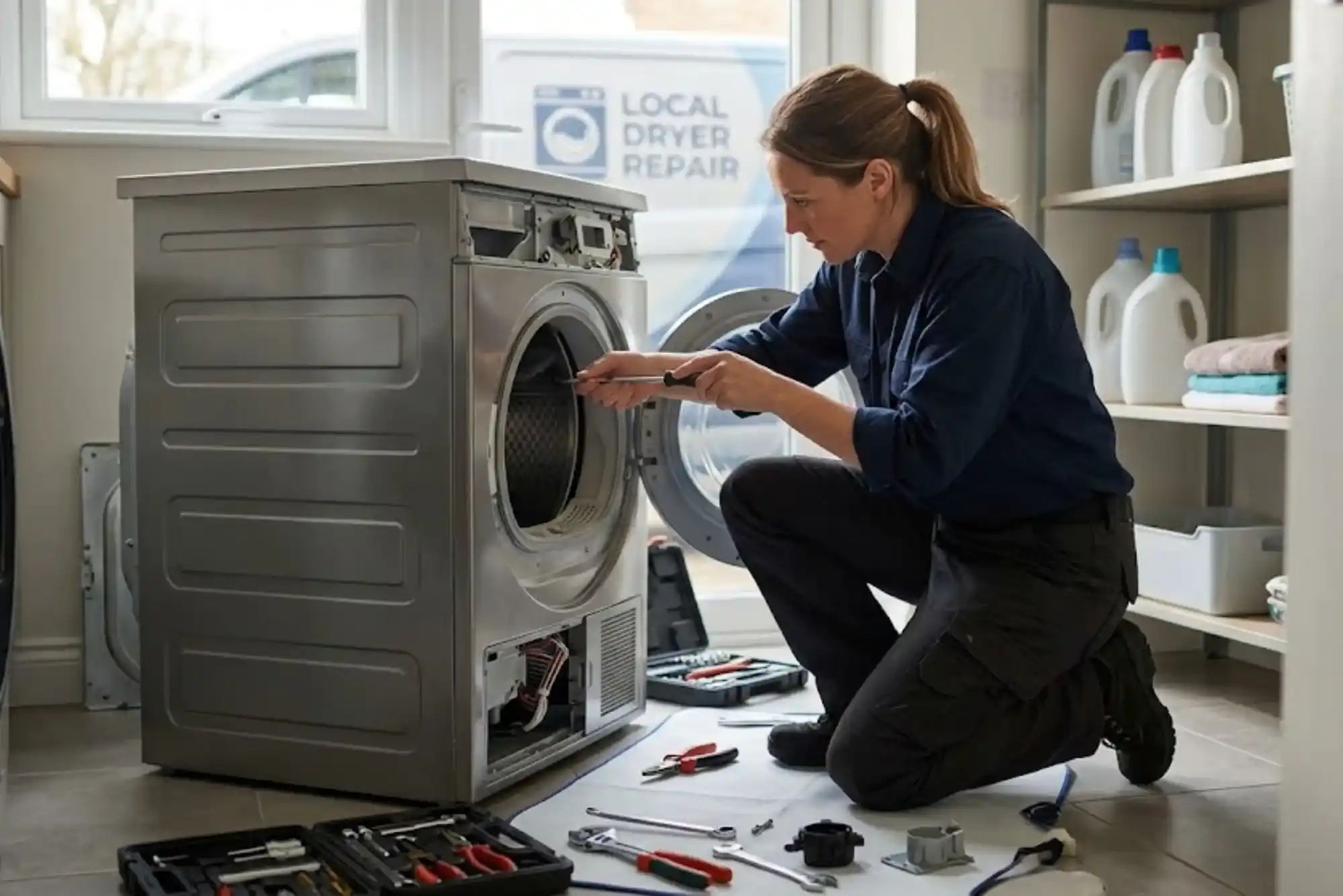
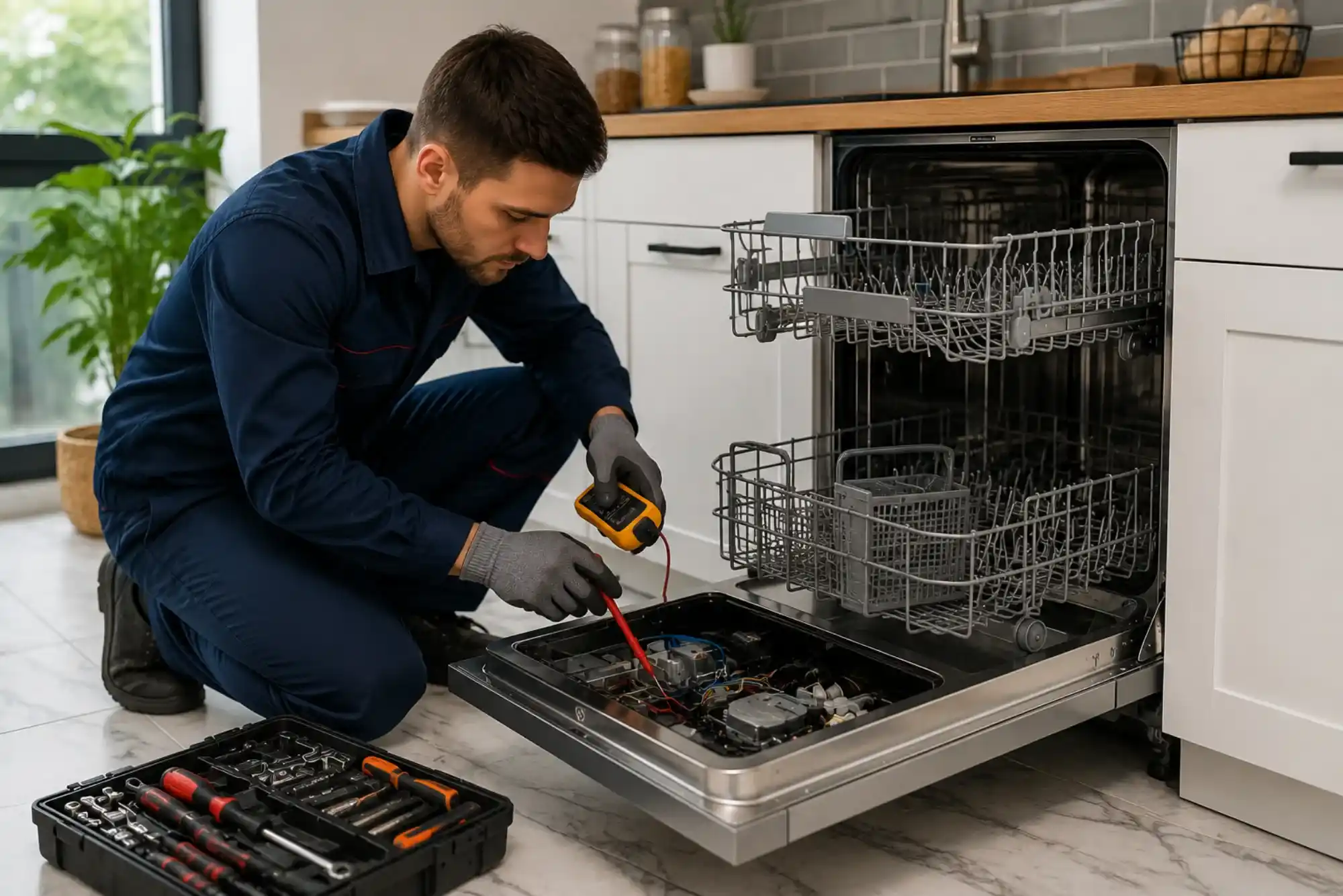
Indoor air quality has become a critical concern for homeowners, businesses, and property managers worldwide. As modern buildings become more energy-efficient and tightly sealed, maintaining healthy indoor air while ensuring optimal heating, ventilation, and air conditioning (HVAC) performance has never been more important. Professional indoor air quality and HVAC services play a vital role in creating comfortable environments, improving energy efficiency, and protecting occupant health.
From residential apartments to commercial facilities, HVAC systems operate continuously to regulate temperature, humidity, and air circulation. However, without proper maintenance and professional inspection, these systems can become sources of poor air quality, increased energy consumption, and costly repairs. Understanding the importance of professional HVAC and indoor air quality services helps property owners make informed decisions that benefit both their health and their investment.
Understanding Indoor Air Quality and Its Importance
Indoor air quality (IAQ) refers to the cleanliness and condition of the air inside homes, offices, and commercial buildings. Poor indoor air quality can result from various factors, including dust accumulation, mold growth, inadequate ventilation, airborne allergens, volatile organic compounds (VOCs), and contaminated HVAC systems.
Since individuals spend a significant portion of their time indoors, exposure to poor air quality can contribute to respiratory discomfort, allergies, headaches, fatigue, and reduced productivity. Professional indoor air quality assessments help identify hidden problems while providing effective solutions tailored to each property’s specific requirements.
Common Indoor Air Pollutants
- Dust and particulate matter
- Pet dander and allergens
- Mold spores and mildew
- Bacteria and viruses
- Volatile organic compounds (VOCs)
- Smoke particles
- Excess humidity and airborne contaminants
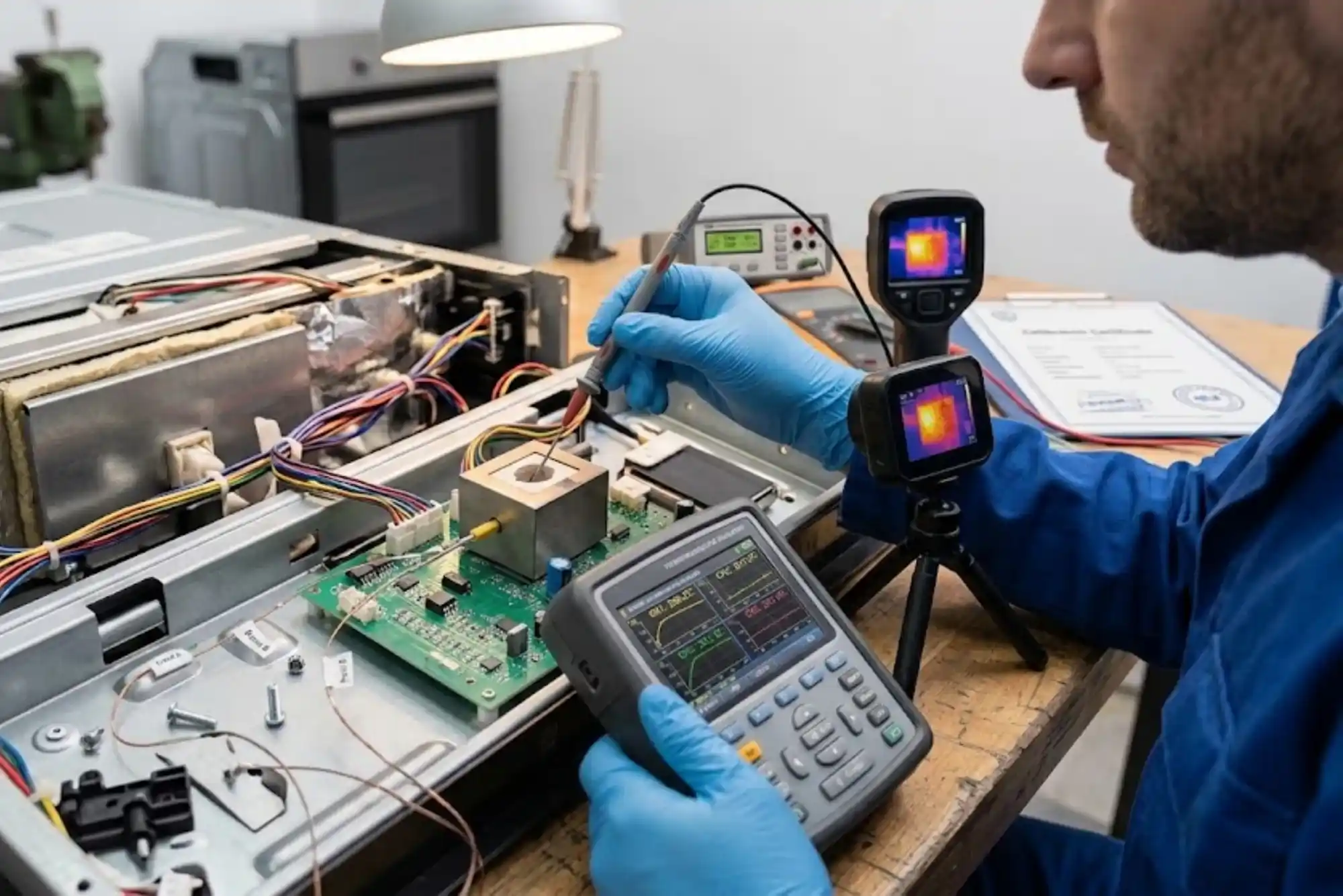
Professional HVAC specialists use advanced diagnostic tools to evaluate air quality and recommend appropriate filtration, ventilation, and purification solutions.
The Connection Between HVAC Systems and Indoor Air Quality
HVAC systems directly impact indoor air quality because they continuously circulate air throughout a building. A poorly maintained HVAC system can distribute dust, allergens, and contaminants, while a properly serviced system improves air circulation and filtration.

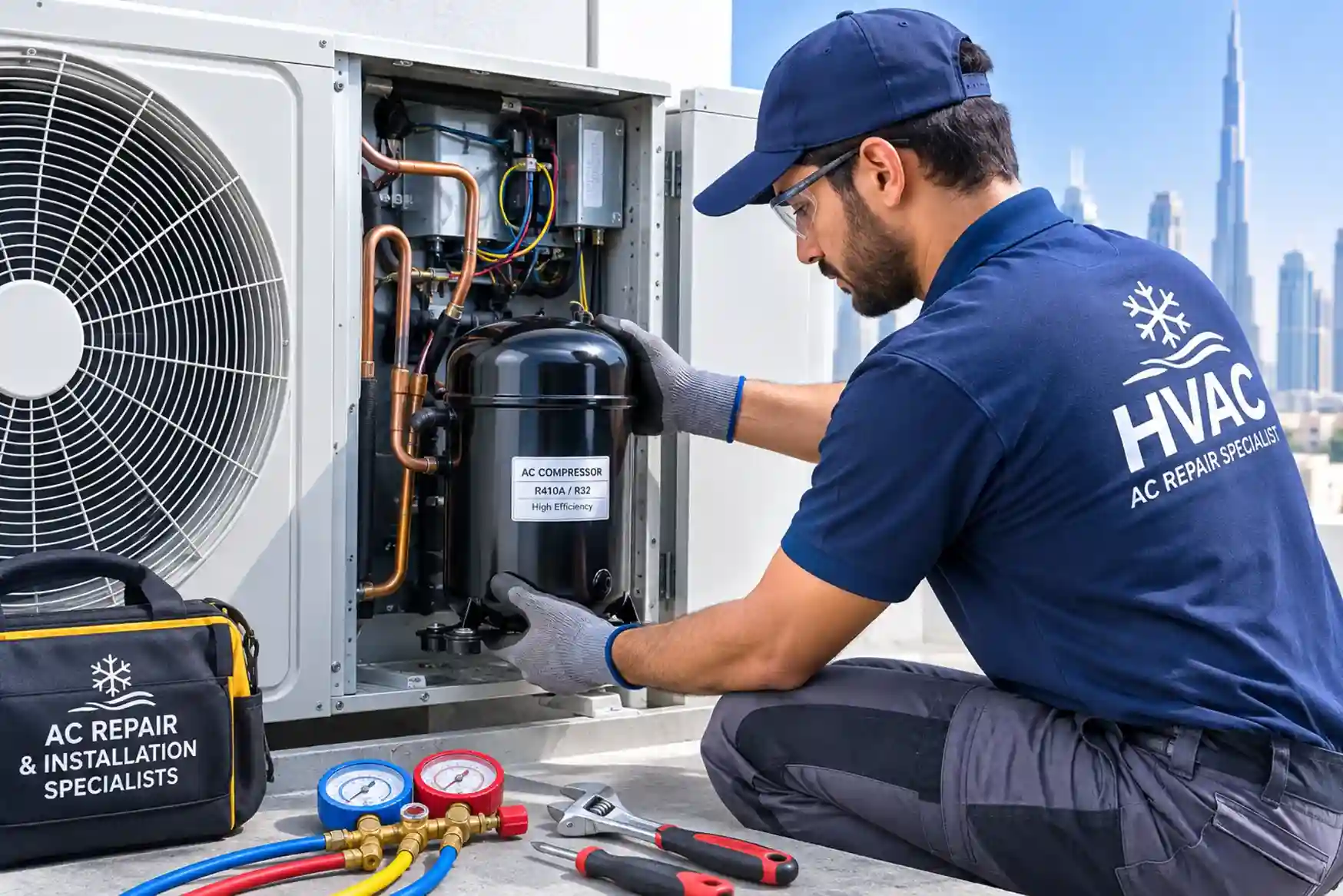
Regular inspections and maintenance services help ensure that heating and cooling equipment functions efficiently while maintaining healthier indoor environments. Property owners often benefit from scheduling periodic professional home cooling repair and maintenance services to maintain both comfort and air quality.
Professional technicians evaluate several components that influence indoor air quality, including:
- Air filters
- Ductwork condition
- Evaporator coils
- Ventilation systems
- Humidity control equipment
- Airflow performance
Benefits of Professional Indoor Air Quality Services
Improved Health and Wellness
One of the primary advantages of professional indoor air quality services is improved occupant health. Cleaner air reduces exposure to harmful pollutants and allergens, supporting better respiratory health and overall wellness.
Enhanced Energy Efficiency
Dirty filters, blocked vents, and neglected HVAC components force systems to work harder than necessary. Professional maintenance improves operational efficiency, reducing energy consumption and lowering utility costs.
Extended Equipment Lifespan
Routine maintenance and early detection of issues can significantly extend the operational lifespan of HVAC equipment. Preventive care minimizes wear and tear while helping property owners avoid expensive replacements.
Greater Indoor Comfort
Professional HVAC services help maintain consistent temperatures, proper humidity levels, and balanced airflow throughout indoor spaces, creating a more comfortable living and working environment.
Essential HVAC Services That Support Better Indoor Air Quality
Professional HVAC companies provide a wide range of services designed to optimize system performance and improve indoor air quality.
| Service | Purpose | Primary Benefit |
|---|---|---|
| Air Filter Replacement | Remove airborne particles | Cleaner indoor air |
| Air Duct Cleaning | Eliminate accumulated debris | Improved airflow |
| Coil Cleaning | Restore cooling efficiency | Lower energy costs |
| Humidity Control | Balance moisture levels | Reduced mold growth |
| Ventilation Inspection | Improve air circulation | Healthier indoor environment |
| System Performance Testing | Optimize HVAC operation | Longer equipment lifespan |
The Importance of Preventive HVAC Maintenance
Preventive maintenance remains one of the most effective ways to ensure consistent indoor comfort and healthy air quality. Scheduled inspections allow technicians to identify small issues before they develop into major system failures.
Many cooling performance problems result from neglected maintenance practices. Issues such as restricted airflow, refrigerant leaks, and dirty components can significantly impact system performance. Professional cooling system maintenance services help maintain optimal operation while reducing unexpected breakdowns.
Preventive maintenance typically includes:
- Air filter inspection and replacement
- Refrigerant level checks
- Electrical system testing
- Thermostat calibration
- Coil cleaning
- Drain line inspection
- Airflow performance evaluation
Signs Your HVAC System May Be Affecting Indoor Air Quality
Property owners should remain aware of warning signs that indicate potential indoor air quality or HVAC problems. Early detection can prevent more serious issues and costly repairs.
Persistent Dust Accumulation
Excessive dust buildup throughout the property may indicate poor filtration or duct contamination.
Unpleasant Odors
Musty, burning, or unusual smells coming from vents often signal underlying HVAC problems requiring professional inspection.
Uneven Temperatures
Rooms with inconsistent temperatures may indicate airflow restrictions, equipment inefficiencies, or ventilation problems.
Increased Energy Bills
Unexpected increases in utility costs frequently indicate declining HVAC efficiency.
In situations involving cooling failures, homeowners often require immediate assistance through reliable air conditioning repair solutions to restore comfort and prevent further complications.
Advanced Indoor Air Quality Technologies
Modern indoor air quality solutions have evolved significantly, offering advanced technologies designed to improve air cleanliness and occupant comfort.
HEPA Filtration Systems
High-Efficiency Particulate Air (HEPA) filters capture microscopic particles, improving overall indoor air quality.
UV Air Purification Systems
Ultraviolet purification technology helps reduce bacteria, viruses, and mold growth within HVAC systems.
Whole-Home Air Purifiers
Integrated air purification systems continuously clean indoor air throughout the entire property.
Smart Air Quality Monitoring
Modern monitoring systems provide real-time data on air quality conditions, helping property owners maintain healthier environments.
Environmental Benefits of Efficient HVAC Systems
Energy-efficient HVAC systems contribute not only to lower utility costs but also to environmental sustainability. Properly maintained systems consume less energy, reduce greenhouse gas emissions, and minimize unnecessary equipment replacement.
Older systems often experience reduced performance and increased environmental impact over time. Understanding the environmental effects of aging air conditioning systems can help property owners make better long-term decisions regarding maintenance, upgrades, and replacement planning.
Choosing Professional HVAC and Indoor Air Quality Services
Selecting experienced HVAC professionals is essential for ensuring high-quality service and long-term system reliability. Qualified technicians possess the training, equipment, and expertise necessary to diagnose complex problems and implement effective solutions.
When choosing a professional service provider, consider the following factors:
- Industry experience and certifications
- Comprehensive inspection procedures
- Transparent pricing practices
- Emergency service availability
- Customer reviews and reputation
- Preventive maintenance programs
Professional service providers also stay updated with evolving technologies, energy regulations, and indoor air quality standards, ensuring clients receive modern and effective solutions.
The Future of Indoor Air Quality and HVAC Services
As awareness of indoor environmental health continues to grow, the HVAC industry is rapidly adopting new technologies designed to improve comfort, efficiency, and air quality. Smart HVAC systems, AI-powered diagnostics, energy recovery ventilation systems, and advanced filtration technologies are transforming how buildings manage indoor environments.
These innovations enable property owners to monitor air quality in real time, optimize energy consumption, and maintain healthier indoor spaces with greater precision than ever before.
Conclusion
Professional indoor air quality and HVAC services play an essential role in maintaining healthy, comfortable, and energy-efficient indoor environments. Regular maintenance, advanced air purification technologies, and expert system inspections help reduce health risks, improve comfort, extend equipment lifespan, and lower operating costs.
Whether managing a residential property or a commercial facility, investing in professional HVAC and indoor air quality services represents a proactive approach to protecting both occupants and valuable building systems. By prioritizing preventive maintenance and expert care, property owners can enjoy cleaner air, better comfort, and greater long-term efficiency.
Related Reading: How Clean Carpets Improve Your Home's Health in DubaiGuest Post · Al Barouda Home Services — full guide