A common cause of AC bad odor from vents is the growth of mold and mildew within the air conditioning system. Moisture naturally accumulates in components such as evaporator coils and drip pans. When combined with dust and debris, this creates a perfect environment for mold and mildew to flourish. As the AC circulates air, these mold spores are released into the indoor environment, producing a musty odor that can cause irritation to the respiratory system and trigger allergies.
Another frequent contributor to unpleasant smells is a dirty or clogged air filter. Air filters are designed to trap dust, pollen, and other contaminants to maintain clean indoor air. Over time, filters can become saturated with trapped debris, which may begin to decompose and emit foul odors. When air passes through a clogged filter, the contaminated airflow carries these unpleasant smells throughout the living space. Regular maintenance and replacement of air filters, typically performed by a professional AC repair service, are necessary to prevent this problem.
Water accumulation in the AC’s drain line can also result in AC bad odor from vents. Air conditioners remove moisture from the indoor air, and this moisture is directed into a condensate drain line. If this line becomes blocked or clogged, water stagnates within the system, creating a damp environment that emits a foul odor. The resulting smell can often be musty, damp, or sour, signaling the need for immediate inspection and cleaning.
In some cases, odors can stem from dead rodents or pests inside the ductwork or vents. Small animals may find their way into AC ducts, and if they die within the system, decomposition produces a strong, foul smell that spreads throughout the space. This type of odor is particularly unpleasant and typically requires a professional AC repair service to identify and remove the source effectively.
Occasionally, a burning smell coming from vents may indicate electrical problems or overheating components within the AC system. While less common, such odors should never be ignored, as they pose a serious safety risk. Immediate professional attention is required to prevent fire hazards and ensure that the system functions safely and efficiently.
Identifying the Type of AC Odor
Recognizing the type of odor can help homeowners and technicians determine the underlying cause and apply the correct solution. A musty or moldy smell generally points to the presence of mold and mildew in coils, vents, or ductwork. A rotten egg or sulfur-like odor is often associated with bacterial growth or a blocked condensate drain line.

A burning smell usually signals electrical issues or overheated components that demand urgent attention. A foul organic smell often indicates the presence of dead rodents or pests within the system. Understanding the source of the odor allows a professional AC repair service to implement targeted solutions that not only remove the odor but prevent its recurrence.
Health Risks Linked to AC Bad Odor from Vents
Persistent AC bad odor from vents is not merely an aesthetic problem; it can have tangible health consequences. Mold spores and bacteria released from the system can irritate the respiratory system, triggering coughing, sneezing, and worsening asthma symptoms. Allergic reactions, including itchy eyes, skin irritation, and frequent headaches, are also common in spaces affected by poor indoor air quality.
In severe cases, prolonged exposure to contaminated air can lead to bacterial infections and other health issues, particularly for individuals with weakened immune systems. Addressing AC odors promptly through professional AC repair service is essential for protecting both health and comfort.
Professional Solutions for AC Bad Odor
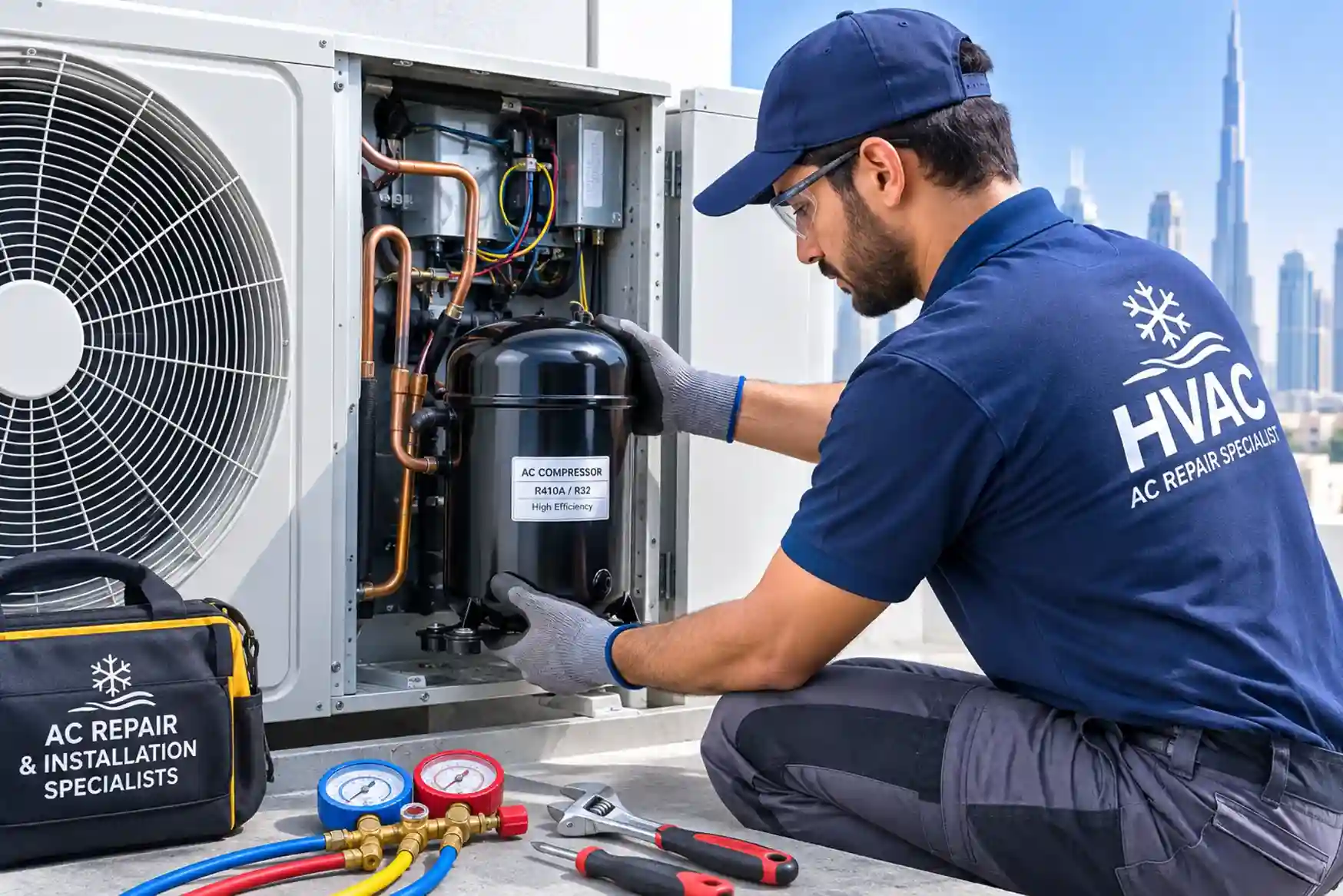
Professional AC technicians employ comprehensive approaches to eliminate odors and ensure that the system operates efficiently. They begin by thoroughly cleaning components such as evaporator coils, air ducts, vents, and the condensate drain line. This process removes accumulated dust, mold, and bacteria, which are often the primary sources of foul smells.
Air filters play a critical role in maintaining clean airflow. Technicians replace or recommend high-quality filters designed to trap contaminants more effectively, preventing odors from developing or returning. Ductwork sanitization is another essential step, where EPA-approved disinfectants are applied using specialized equipment to eradicate bacteria, mold, and other odor-causing agents from hard-to-reach areas.
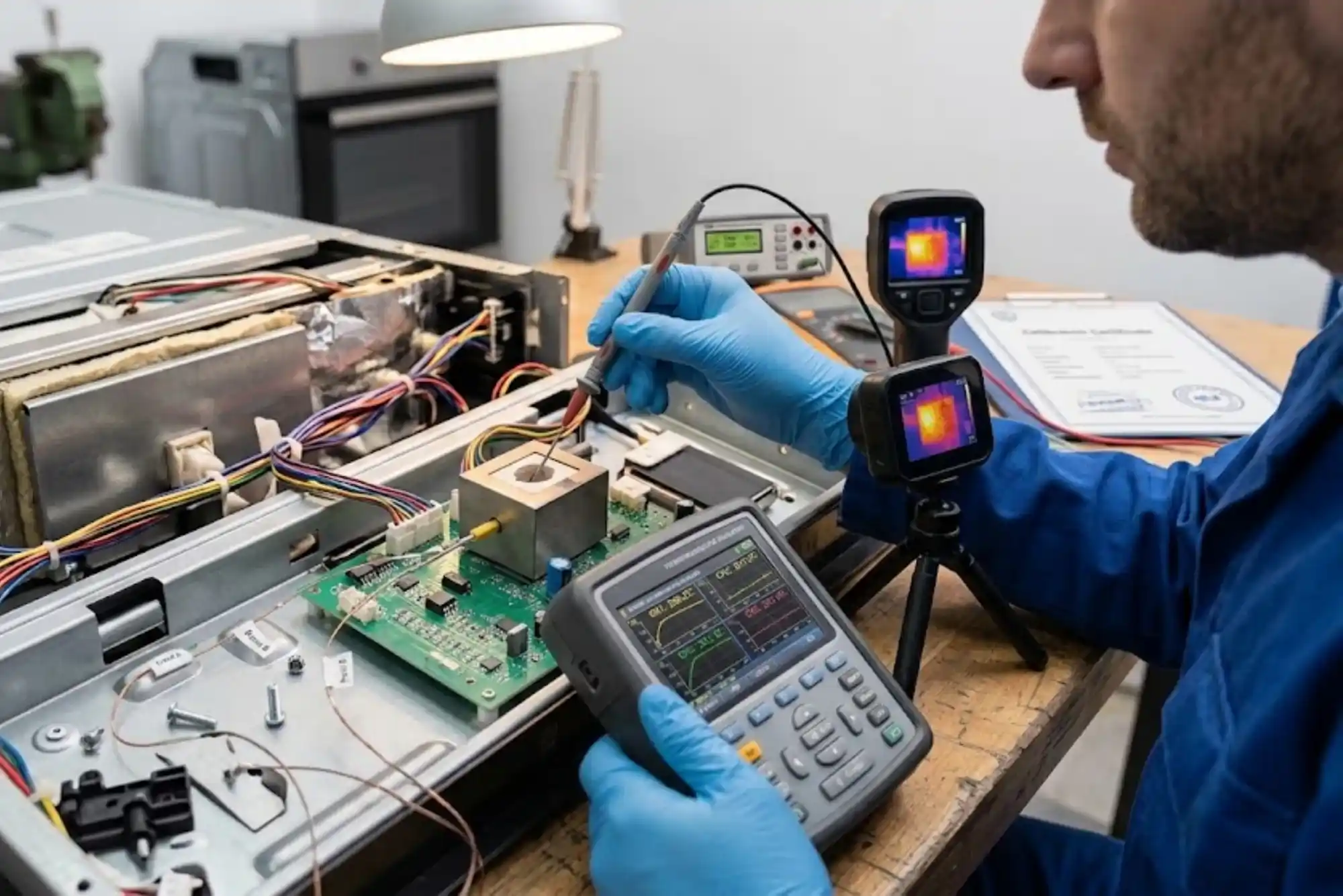
Drain line maintenance is equally important. Professional services ensure that the line is clear of blockages, allowing water to flow properly and preventing stagnant water that can lead to bad odors. For odors caused by electrical or mechanical issues, technicians carefully inspect the system to identify overheating components or faulty wiring and perform the necessary repairs to prevent potential hazards.
By addressing all these potential causes, a professional AC repair service ensures not only the removal of existing odors but also the prevention of future problems.
Preventing AC Bad Odor
Preventing AC bad odor from vents requires consistent maintenance and monitoring. Homeowners should schedule regular inspections by certified technicians to ensure that all components, including coils, ducts, and drain lines, remain clean and in good working condition. Air filters should be replaced at recommended intervals to maintain optimal airflow and prevent the accumulation of dust and debris. Keeping vents unobstructed and ductwork free from pests further reduces the risk of odors developing. Monitoring condensate drain lines for blockages and promptly addressing any water accumulation is also critical. Maintaining these practices ensures that indoor air remains fresh and that the AC system continues to operate efficiently.
Selecting a Reliable AC Repair Service
When dealing with AC bad odor from vents, choosing a professional and reliable AC repair service is vital. Homeowners should seek technicians with proper certifications, licensing, and experience handling a variety of residential and commercial AC systems. Technicians should use professional-grade cleaning and sanitization equipment and follow safe procedures to remove mold, debris, and odor-causing agents.
Transparent pricing and service guarantees offer assurance of quality work. Additionally, a service provider with positive customer reviews demonstrates a consistent track record of effective and reliable AC repair solutions. By selecting the right professional service, homeowners can ensure long-term comfort, safety, and efficiency of their AC systems.
Unpleasant AC bad odor from vents is an issue that should never be ignored. It can indicate mold growth, clogged filters, water stagnation, pest problems, or even electrical hazards. These odors not only affect indoor air quality and comfort but can also pose significant health risks. Prompt intervention by a professional AC repair service is essential to eliminate odors and restore clean airflow.
Regular maintenance, including thorough system cleaning, filter replacement, and duct sanitization, ensures the continued efficiency and safety of your air conditioning system. Understanding the causes of odors and taking preventive measures empowers homeowners to maintain a fresh, comfortable, and healthy indoor environment.