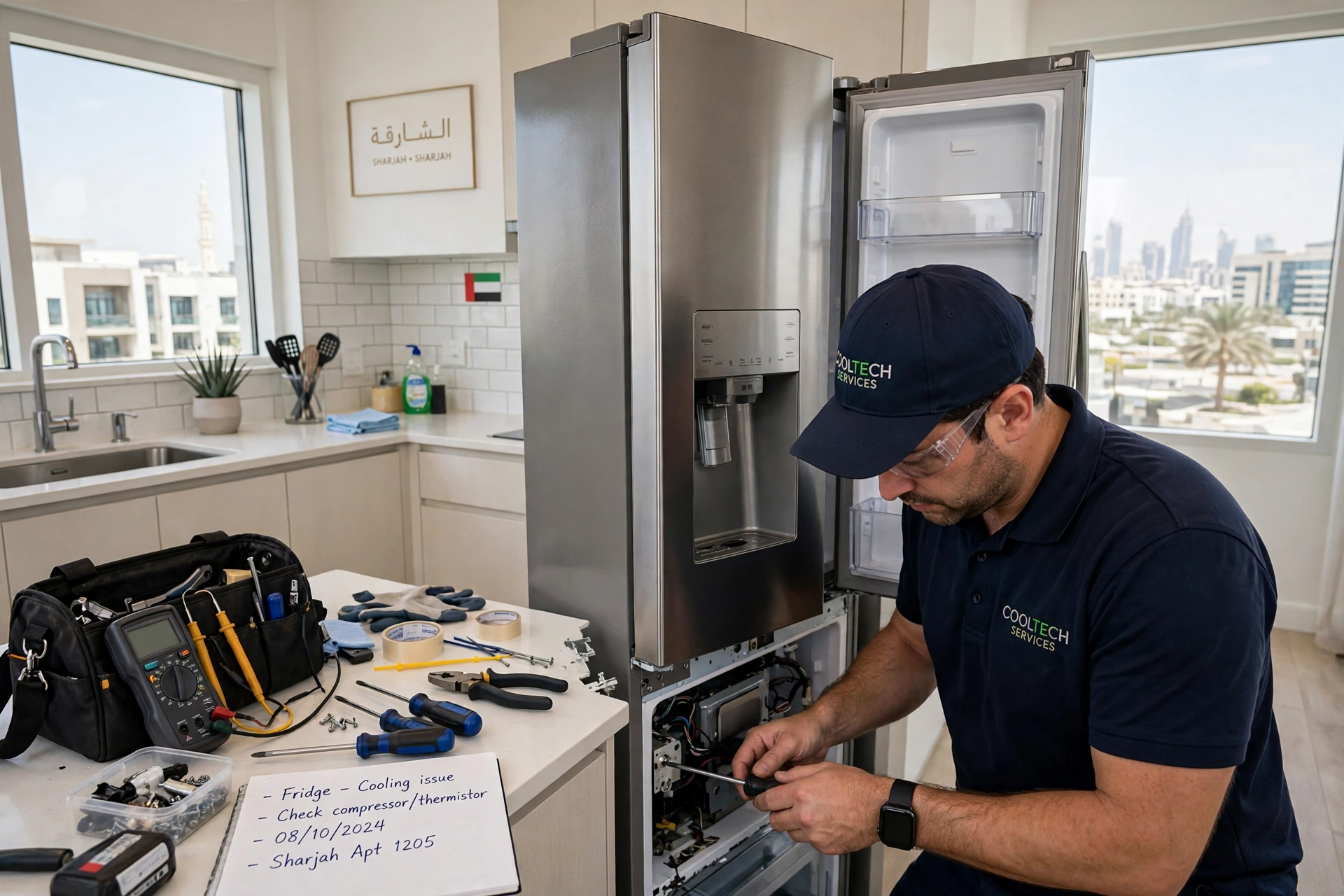
There is a particular silence every home cook in Dubai knows. You set the cooker on the flame, wait for the familiar hiss, and nothing happens. The lentils sit in lukewarm water and dinner drifts further away. If you plan your week around home cooking the way visitors plan their days around the best of the UAE, you know how much a reliable kitchen matters. This guide explains why cookers fail, which faults are worth repairing, and when Pressure Cooker Repair Dubai is the smarter choice.
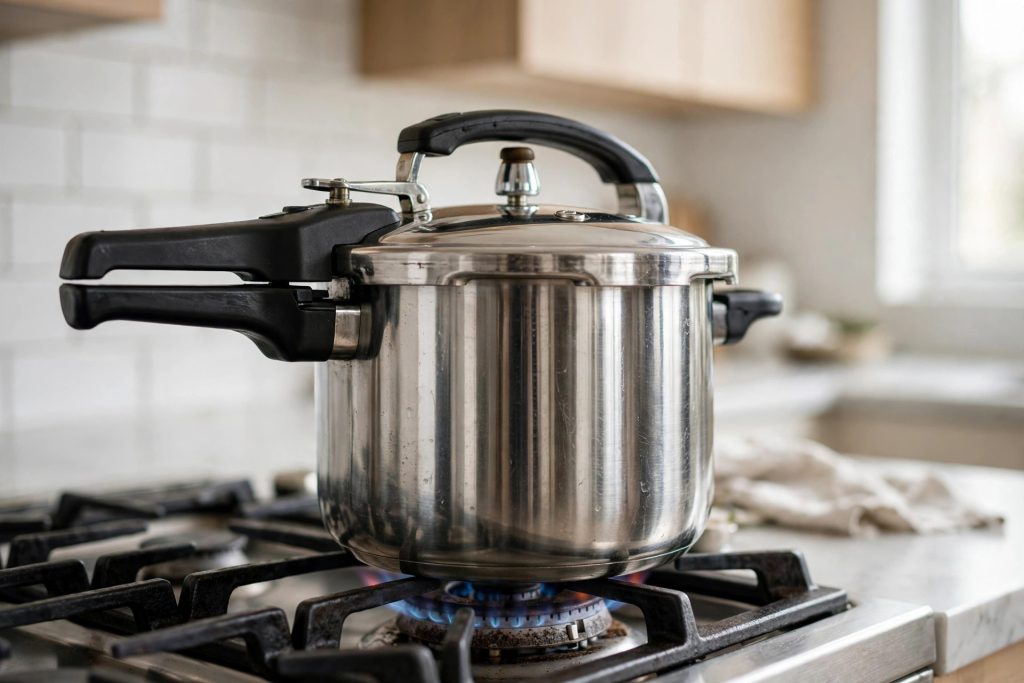
Why a Pressure Cooker Stops Building Pressure
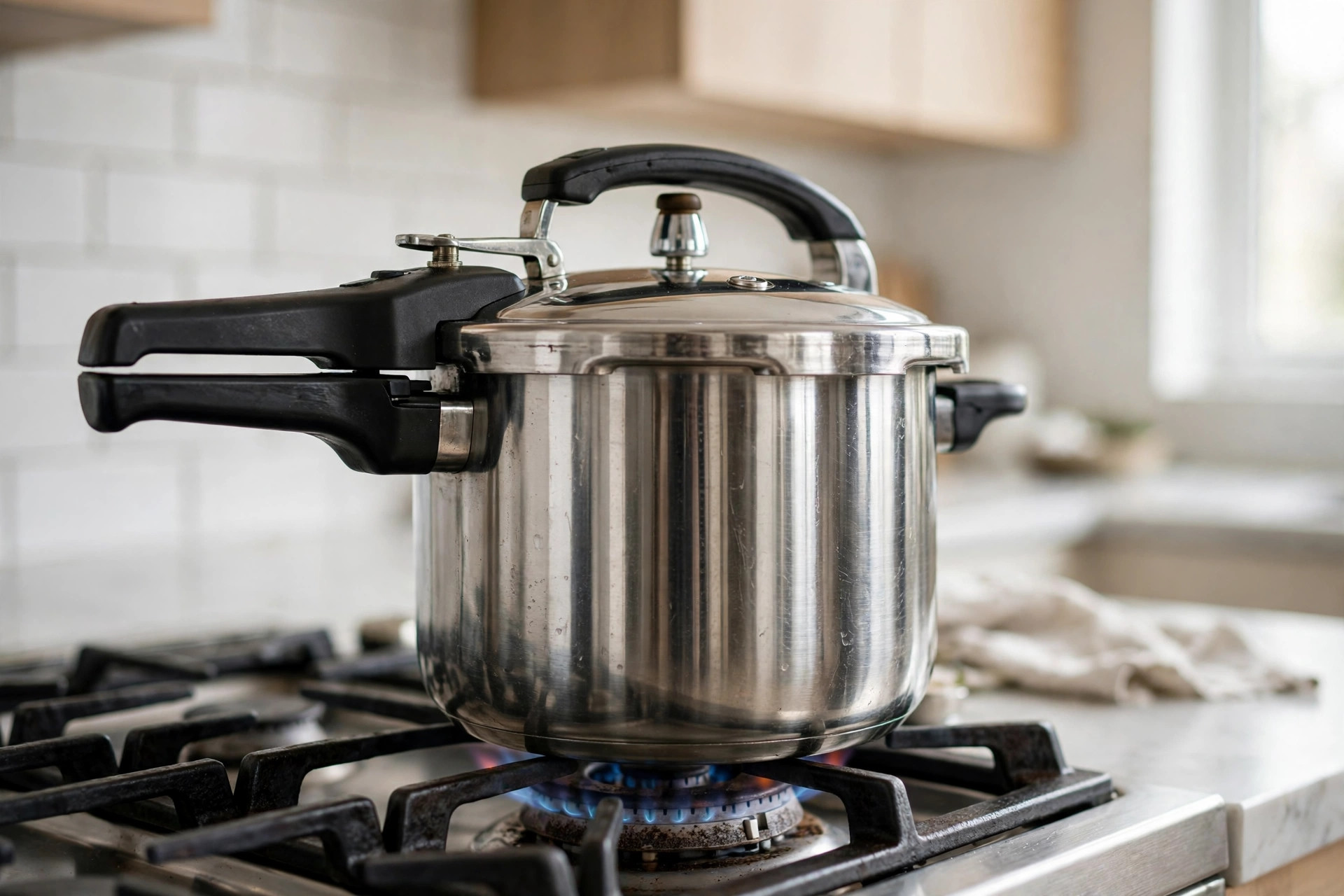
A pressure cooker has one job: trap steam. When it cannot, the fault is almost always a leak in the seal. The lid gasket — the rubber ring inside the rim — hardens and loses its spring after months of daily use in a hot kitchen, letting steam escape around the edges.
The second suspect is the pressure valve. On a stovetop cooker, the weight on top of the lid regulates how much steam stays in. If dried dal or spice paste clogs the vent pipe, the valve whistles without building pressure, or stays silent because no steam reaches it at all.
The safety valve is a third common failure point. Designed to release steam only if pressure climbs too high, a worn or stuck valve can leak at normal cooking pressure — mimicking a gasket fault, which is why diagnosis matters before any part is replaced.
Steam Leaking From the Lid: What It Tells You
Steam escaping from the lid is the most reported pressure cooker complaint in Dubai homes, and it usually means one of three things: a hard or cracked gasket leaking along the rim, a bent lid that no longer sits flush, or an overfilled cooker pushing food into the vent pipe.
A quick check you can do at home: run a finger along the gasket and look for flat spots, cracks, or a surface that feels stiff instead of soft and springy. If the gasket is the problem, replacing it is a quick, affordable repair. If the lid itself is warped, a technician needs to assess whether it can be reseated.
Safety Valve and Gasket Problems
The gasket and safety valve work as a pair, and when either fails the cooker becomes unreliable — or unsafe. Replace the gasket roughly once a year in a daily-use household; signs it is finished include cracks, a flat shape, a burnt smell, and steam leaking past a firmly locked lid.
The safety valve is the cooker’s last line of defence: stuck open, it never reaches pressure; stuck closed, pressure can climb too high. Neither fault should be ignored. A technician fits the correct part and tests the cooker under pressure before handing it back.
A Loose Handle, a Wobbly Base and Other Small Faults
Not every fault announces itself with steam. A loose handle is easy to dismiss until it gives way under a full, hot cooker. Screws work free with heat and vibration, or the plastic cracks around the fixing. Tightening a screw is quick; replacing a cracked handle is a proper repair worth doing.
The base matters too, especially on gas hobs. A base warped from repeated overheating will not sit flat and heats unevenly; on induction hobs, a damaged base may stop the hob recognising the pot. A wobbling cooker should be checked, since an uneven base also strains the lid seal.
Electric cookers fail differently: one that switches on but never heats usually has a failed heating element, thermostat or control board — electrical faults, not a do-it-yourself job.
When to Repair and When to Replace
It depends on three things: the cooker’s age, the part’s cost, and the body’s condition. A cooker under five years old with a sound body and a single failed part — a gasket, a valve, a handle — is almost always worth repairing, since these are inexpensive parts.
Replace it when the body is damaged: deep pitting or corrosion inside the pot, a lid that no longer locks securely, a badly warped base, or a cracked safety valve housing. No repair is worth doing if the cooker cannot be made safe again.
If the repair costs more than half the price of a comparable new cooker, replacement deserves thought; anything less, repair is usually better value.
What a Professional Repair Visit Looks Like
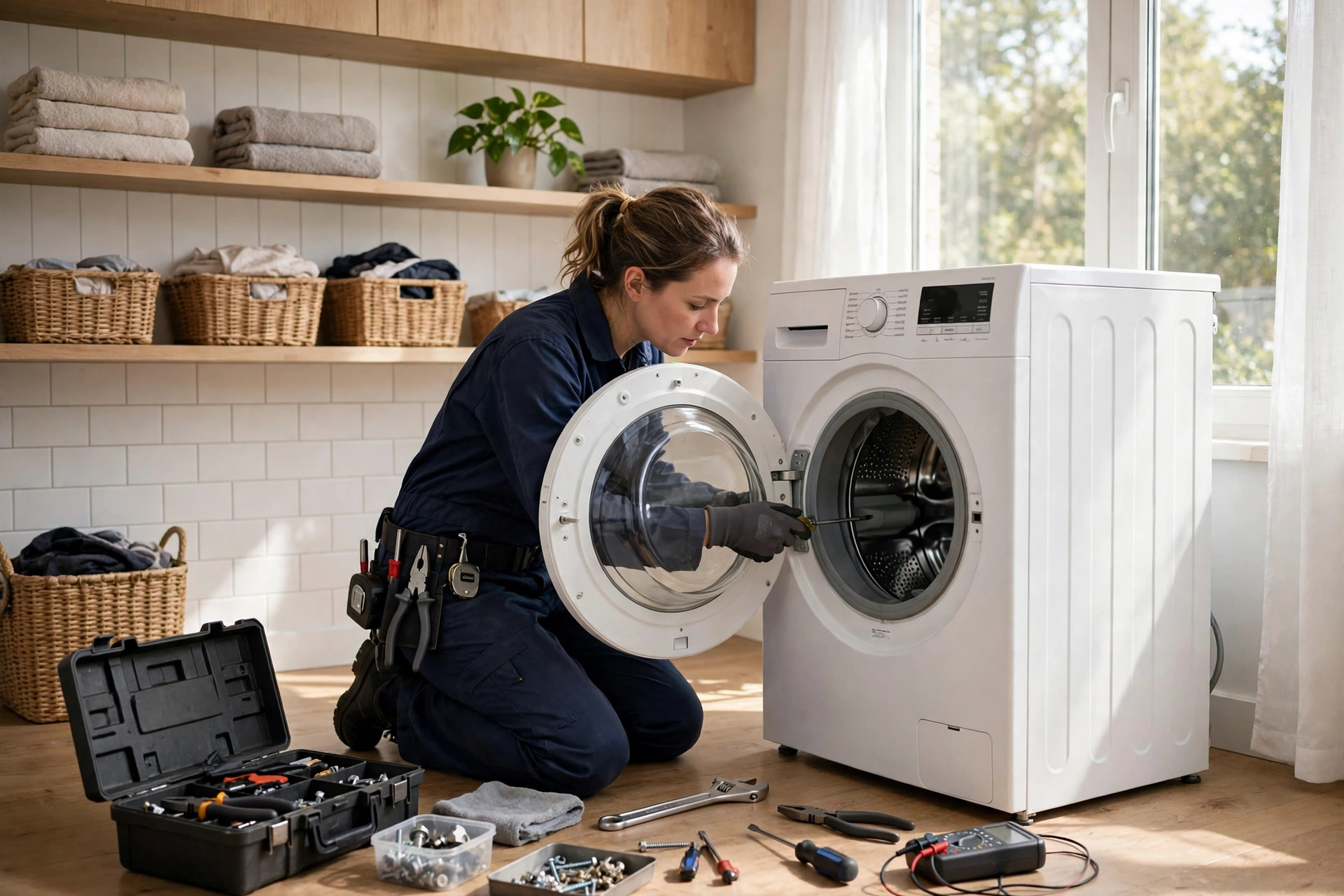
A professional Pressure Cooker Repair Dubai visit starts with a diagnosis, not a guess. The technician checks the gasket, vent pipe, pressure valve and safety valve, tests the lid lock, and inspects the base and handle — plus the heating element and controls on an electric cooker. Only then is a part replaced, and the cooker is tested under pressure before it is returned.
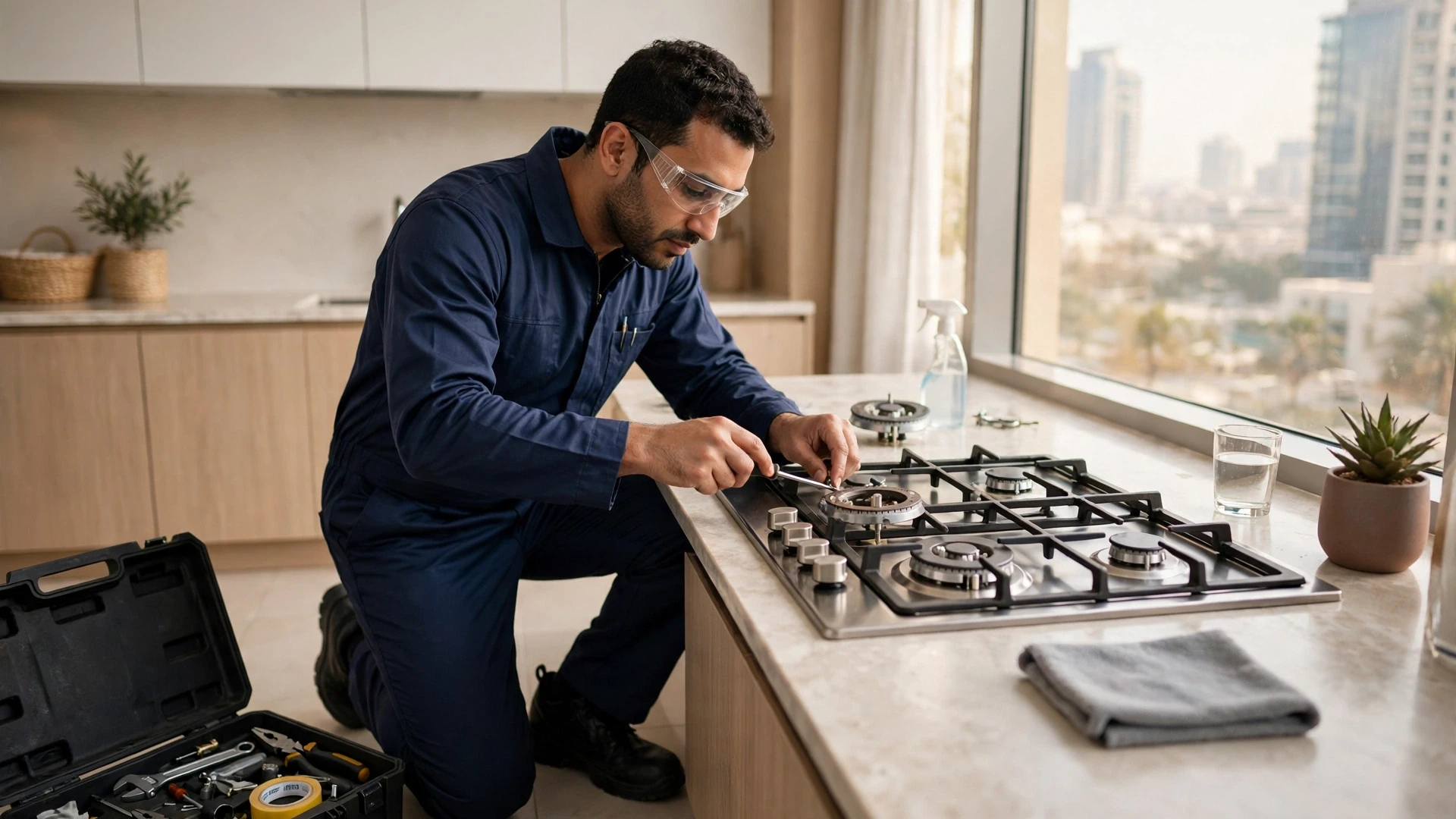
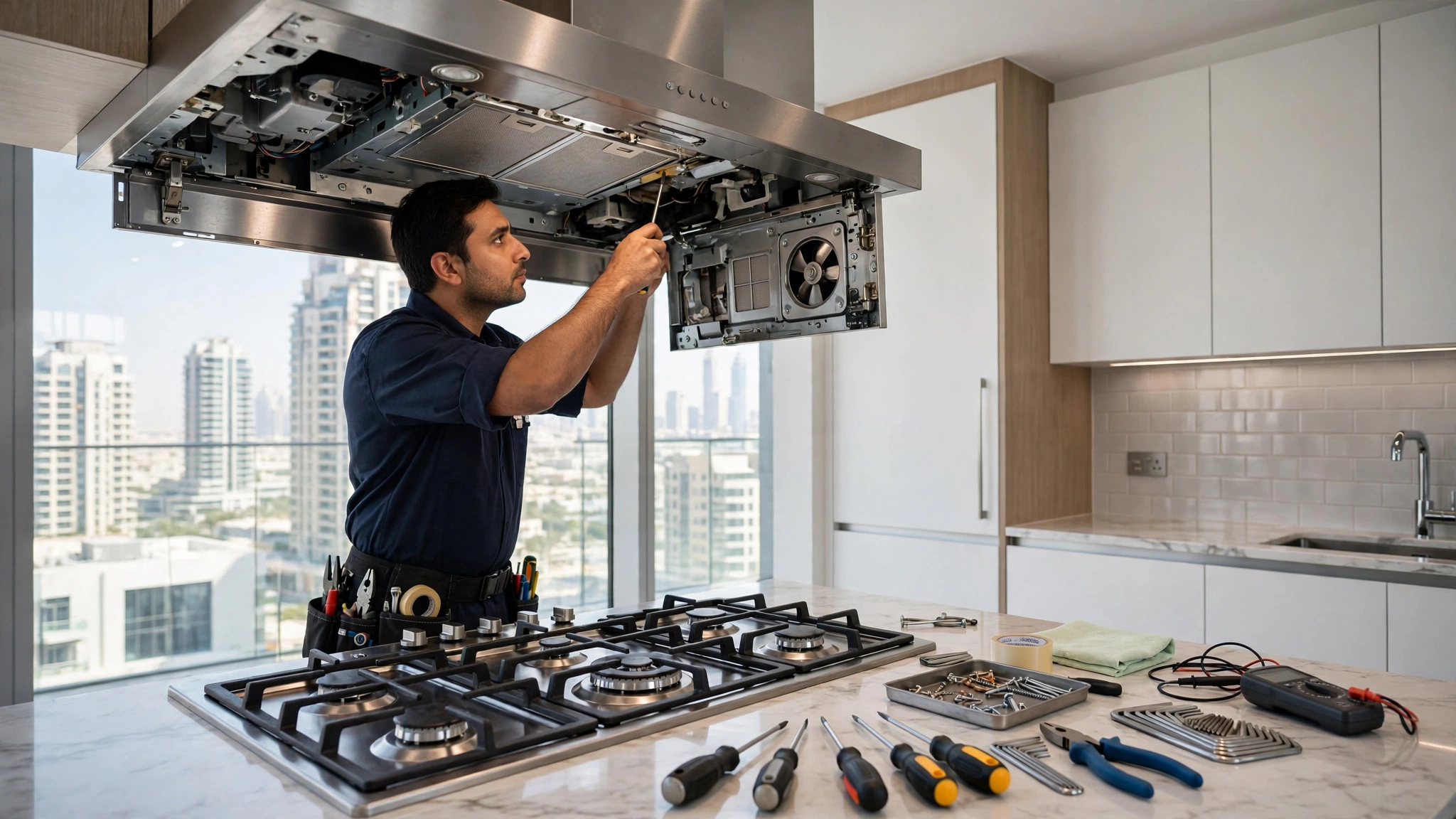
Al Barouda Repair offers a free quote before any work begins, with no visit fee and 24/7 service across Dubai, Sharjah and Ajman. The same team covers the rest of the kitchen too: gas stove repair in Dubai for burners and ignition, cooker hood repair in Dubai for cooking smells, and microwave repair in Sharjah for Sharjah households.
Keeping Your Pressure Cooker Healthy
A repaired cooker lasts longest with a few small habits. Clean the vent pipe and valve after every use — a thin skewer clears lodged food. Wash the gasket in warm soapy water, dry it fully, and store the lid upside down so the rubber is not compressed. Never overfill: two-thirds full for most foods, half full for anything that expands, like pulses and rice. Never force a lid open while the cooker is still under pressure.
Frequently Asked Questions
Why is my pressure cooker not building pressure?
Usually a worn lid gasket letting steam escape around the rim. A clogged vent pipe or leaking safety valve causes the same symptom, and a technician can identify the failed part in one visit.
Is it safe to use a pressure cooker that leaks steam from the lid?
A small leak usually means the cooker is not reaching full pressure, so food cooks slowly. But it is also a warning that a seal or valve has failed, and a failed safety valve can be dangerous — have it checked first.
How often should a pressure cooker gasket be replaced?
In a household that uses a pressure cooker daily, once a year is sensible. In a hot, humid kitchen the rubber can harden sooner, so replace it at the first sign of cracks or steam leaking around the lid.
Can a loose pressure cooker handle be repaired?
Yes, in most cases. Loose screws can be tightened or replaced, and a cracked handle can be fitted with a replacement. A handle that feels unreliable should never be ignored, since it carries a full, hot cooker.
My electric pressure cooker switches on but does not heat. Is it worth repairing?
Often, yes. The usual causes are a failed heating element, thermostat or control board, and a technician can test each one and give you a free quote before any work begins.
Do you repair pressure cookers at home in Dubai, Sharjah and Ajman?
Yes — Dubai, Sharjah and Ajman, with 24/7 service, no visit fee and a free quote before any work starts. Call +971 58 293 5151 to book a visit.
The Bottom Line
A pressure cooker that will not build pressure is rarely a mystery and rarely a write-off. Most of the time the fault is a gasket, a valve or a handle — small parts and straightforward repairs. The faults that matter most touch safety: a valve that will not hold, a lid that will not lock, a body that has corroded.
If your cooker is leaking steam, whistling without building pressure, or has a handle you no longer trust, get a free quote first. Al Barouda Repair has served homes across Dubai, Sharjah and Ajman since 2015, with no visit fee and 24/7 service. Call +971 58 293 5151 and get your kitchen back on schedule.