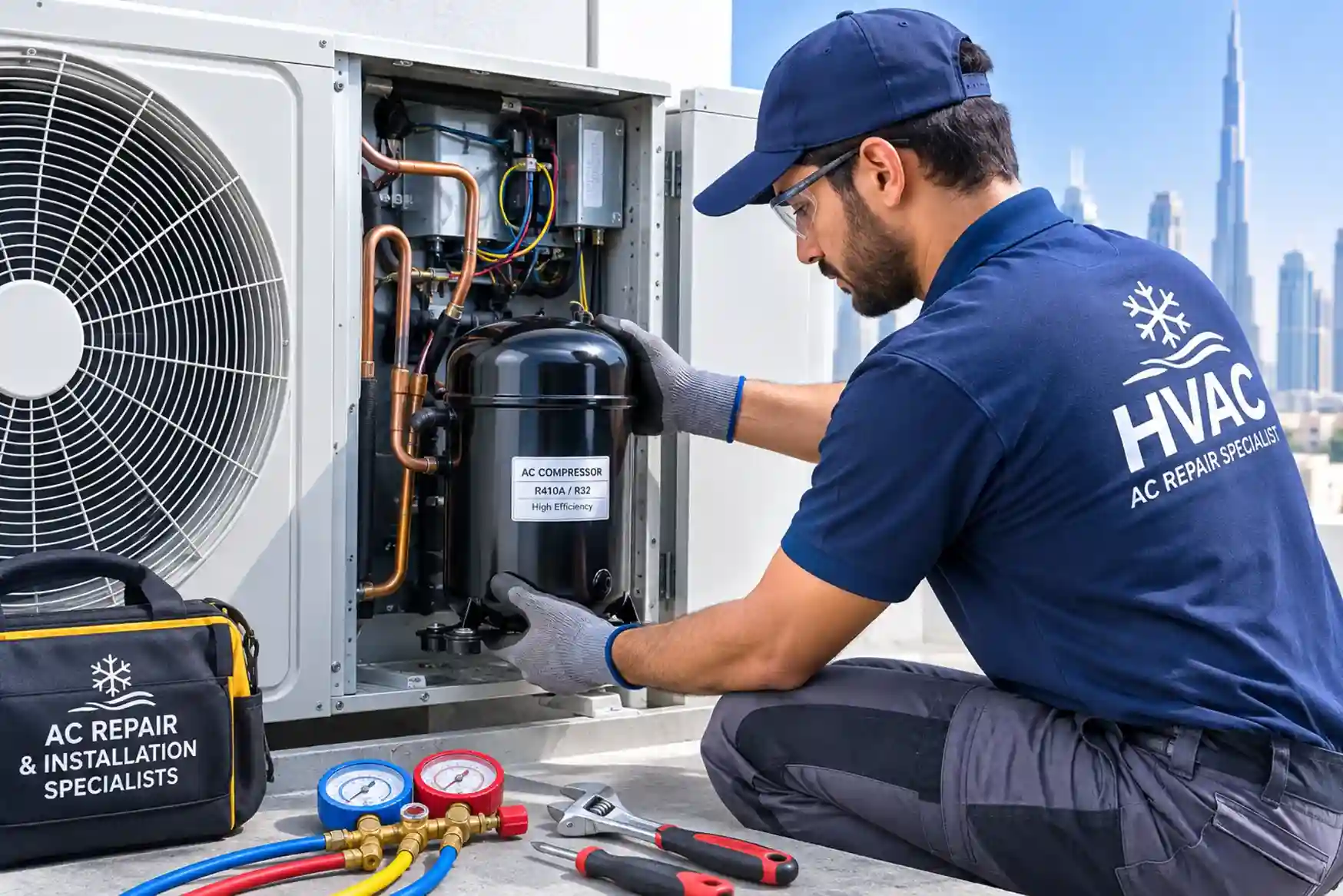
Air conditioning systems are essential for maintaining indoor comfort, especially in regions with high temperatures and humidity. However, many homeowners and businesses encounter a common but serious issue known as AC ice formation on coils. When ice begins to accumulate on the evaporator coils of an air conditioning unit, it can significantly reduce cooling performance and may even damage the entire system if left unresolved. Understanding the causes and the importance of professional ac repair service is crucial for maintaining the efficiency and lifespan of your air conditioning system.
Understanding AC Ice Formation on Coils
The evaporator coil is a critical component of any air conditioning system. Its primary function is to absorb heat from the indoor air, allowing the system to produce cool air that circulates throughout the space. Under normal conditions, the coil operates at a temperature low enough to remove heat but not low enough to freeze moisture.
AC ice formation on coils occurs when the temperature of the evaporator coil drops below the freezing point. When this happens, the moisture present in the air condenses on the coil and quickly turns into ice. Over time, this ice builds up and covers the coil, preventing proper airflow and heat exchange.
This issue does not appear suddenly without a cause. It is usually the result of underlying mechanical problems, airflow restrictions, or refrigerant issues. Addressing these problems quickly with professional ac repair service is essential to avoid system failure.
How Airflow Problems Lead to Coil Freezing
One of the most common reasons behind AC ice formation on coils is restricted airflow within the system. Airflow is vital for maintaining the correct temperature balance across the evaporator coil. When airflow becomes limited, the coil temperature can drop excessively, causing condensation to freeze.
Several factors can restrict airflow. Dirty air filters are among the most frequent culprits. When filters become clogged with dust, debris, and particles, the air cannot move freely through the system. As a result, the evaporator coil becomes too cold and begins to freeze.

Blocked or closed vents can also reduce airflow. In many buildings, furniture placement or improperly adjusted vents restrict the circulation of air. Over time, this imbalance contributes to coil freezing.
A malfunctioning blower fan is another airflow-related problem. If the fan responsible for pushing air across the evaporator coil fails or slows down, the cooling process becomes inefficient. This situation often leads to AC ice formation on coils and reduced cooling performance. Professional ac repair service technicians can inspect airflow systems, identify the cause of restrictions, and restore proper circulation.
The Role of Refrigerant in AC Ice Formation
Refrigerant is the substance responsible for absorbing heat from indoor air and releasing it outside. Maintaining the correct refrigerant level is critical for efficient air conditioning performance.
When refrigerant levels drop due to leaks or improper charging, the pressure inside the evaporator coil decreases. Lower pressure causes the coil temperature to fall below normal levels, increasing the risk of ice buildup.
Refrigerant leaks are particularly dangerous because they not only cause AC ice formation on coils but also reduce cooling capacity and increase energy consumption. Additionally, running an air conditioner with low refrigerant can damage the compressor, which is one of the most expensive components in the system.
Professional ac repair service providers use specialized equipment to detect refrigerant leaks, repair them, and recharge the system with the correct amount of refrigerant. This process restores the system’s ability to regulate temperature and prevents further ice formation.
Impact of Dirty Evaporator Coils
Another significant factor that contributes to AC ice formation on coils is the accumulation of dirt and debris on the evaporator coil surface. Over time, dust particles bypass air filters and settle on the coil fins.
When the coil surface becomes dirty, it loses its ability to absorb heat efficiently. This reduced heat transfer causes the coil temperature to drop excessively, leading to ice formation.
Dirty coils also force the air conditioning system to work harder to achieve the desired indoor temperature. This additional strain increases energy consumption and accelerates wear on internal components.
Regular maintenance performed by professional ac repair service technicians includes cleaning the evaporator coil to remove accumulated debris. This cleaning process improves heat transfer, restores system efficiency, and helps prevent recurring freezing issues.
Thermostat and Sensor Malfunctions
Temperature sensors and thermostats play an essential role in controlling the operation of an air conditioning system. If these components malfunction, they may cause the system to run longer than necessary or operate at incorrect temperatures.
When the thermostat fails to detect indoor temperatures accurately, the AC unit may continue cooling even after the desired temperature is reached. This continuous operation can lower the evaporator coil temperature beyond safe limits, resulting in AC ice formation on coils.
Similarly, a faulty temperature sensor inside the evaporator coil may misread temperature data and cause the system to operate inefficiently. Professional ac repair service technicians can diagnose these electronic issues and replace faulty components to restore proper system control.
Environmental Conditions and Humidity Levels
Environmental conditions also influence the likelihood of AC ice formation on coils. High humidity levels increase the amount of moisture present in indoor air. When this moisture comes into contact with a cold evaporator coil, condensation forms rapidly.
If the air conditioning system is already operating under restricted airflow or low refrigerant conditions, this excess moisture can quickly freeze and form ice. In humid climates, maintaining proper airflow and refrigerant balance becomes even more critical.
Professional ac repair service providers often recommend system inspections and maintenance before peak summer seasons to ensure the air conditioner can handle increased humidity levels without freezing.
Consequences of Ignoring Ice Formation
Ignoring AC ice formation on coils can lead to serious consequences for both the air conditioning system and indoor comfort. As ice accumulates on the coil, airflow becomes increasingly restricted. This restriction reduces the system’s ability to cool the space effectively.
Eventually, the entire coil may become covered with ice, completely blocking airflow. When this happens, the air conditioner may stop cooling altogether.
Prolonged freezing also places significant stress on the compressor. The compressor must work harder to circulate refrigerant through a system that cannot exchange heat properly. This additional workload increases the risk of compressor failure, which can lead to costly repairs or even full system replacement.
Another consequence is increased energy consumption. When an AC unit struggles to cool a space due to frozen coils, it runs longer cycles and consumes more electricity. Professional ac repair service intervention at the early stage of ice formation helps prevent these costly outcomes.
Importance of Professional Diagnosis
Many homeowners attempt to resolve AC ice formation on coils by simply turning off the system and allowing the ice to melt. While this may temporarily restore airflow, it does not address the underlying cause of the problem.
A professional diagnosis is necessary to identify whether the issue originates from airflow restrictions, refrigerant imbalance, mechanical failure, or electronic control problems. Experienced ac repair service technicians perform comprehensive inspections using advanced diagnostic tools.
These inspections often include airflow measurements, refrigerant pressure checks, electrical testing, and coil condition evaluations. By identifying the root cause, technicians can implement targeted repairs that restore system performance and prevent future freezing.
Preventive Maintenance and System Care
Preventive maintenance is one of the most effective strategies for avoiding AC ice formation on coils. Routine servicing ensures that all components of the air conditioning system operate within their designed parameters.
Maintenance typically involves cleaning air filters, inspecting ductwork, checking refrigerant levels, and evaluating the performance of fans and motors. Technicians also inspect evaporator coils for dirt buildup and ensure thermostats and sensors function correctly.
Regular maintenance carried out by a qualified ac repair service not only prevents freezing issues but also extends the overall lifespan of the air conditioning system. Well-maintained systems operate more efficiently, provide consistent cooling, and consume less energy.
Restoring Efficiency After Ice Formation
Once AC ice formation on coils has occurred, the recovery process involves more than simply melting the ice. A professional repair process ensures that the system returns to optimal operating conditions.
Technicians typically begin by safely shutting down the system and allowing the ice to thaw completely. They then inspect the evaporator coil for damage and identify the root cause of freezing. Depending on the diagnosis, repairs may include refrigerant recharging, airflow restoration, thermostat replacement, or coil cleaning.
After repairs are completed, the system is tested under normal operating conditions to confirm that the coil temperature remains within safe limits. Professional ac repair service providers ensure the system runs smoothly without recurring ice formation.
AC ice formation on coils is a warning sign that something within the air conditioning system is not functioning correctly. Whether the problem stems from restricted airflow, refrigerant leaks, dirty coils, or faulty sensors, ignoring the issue can lead to severe system damage and increased energy costs.
Understanding the causes of AC ice formation on coils helps property owners recognize the importance of timely maintenance and professional intervention. Reliable ac repair service plays a critical role in diagnosing the problem, restoring system efficiency, and preventing future complications.