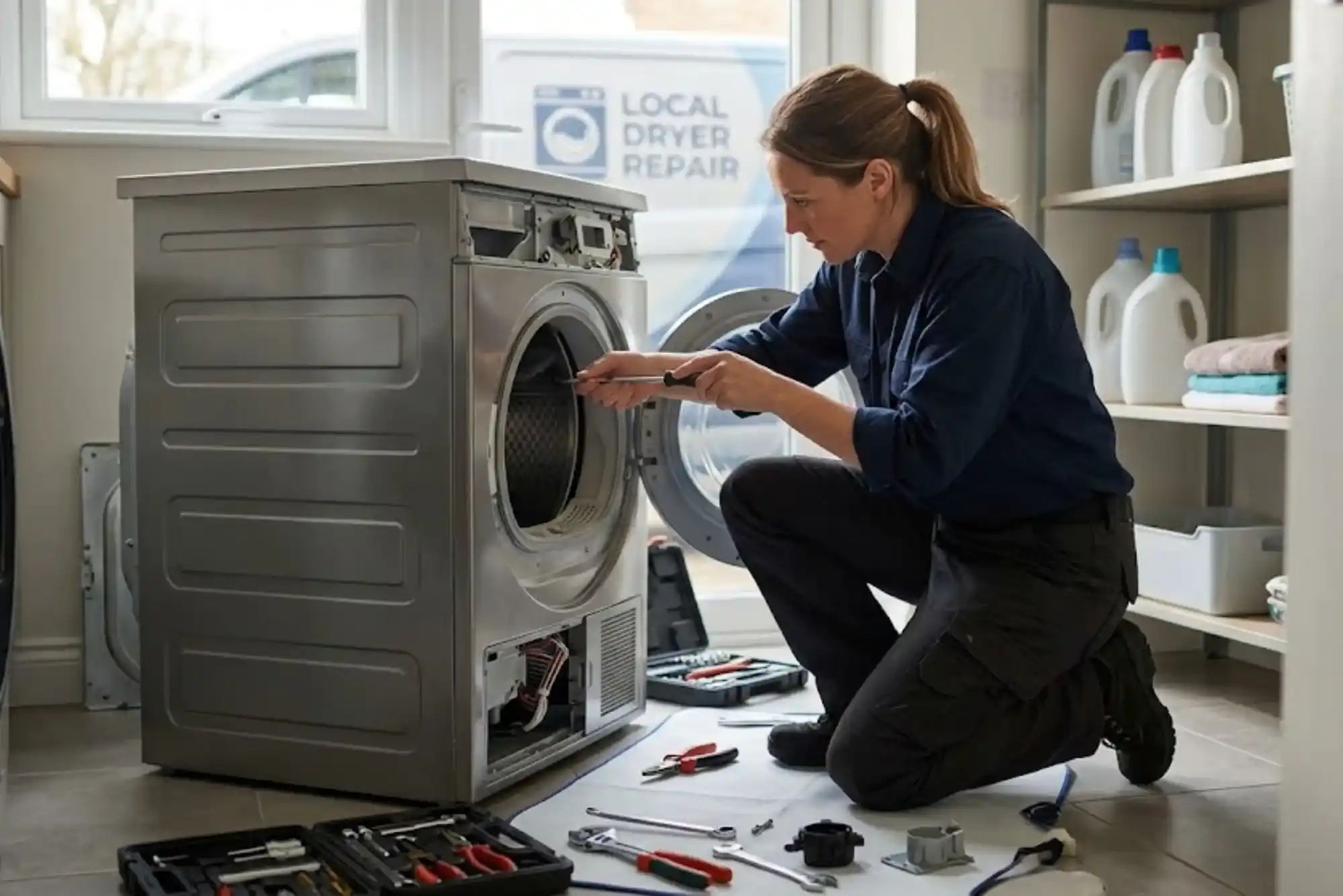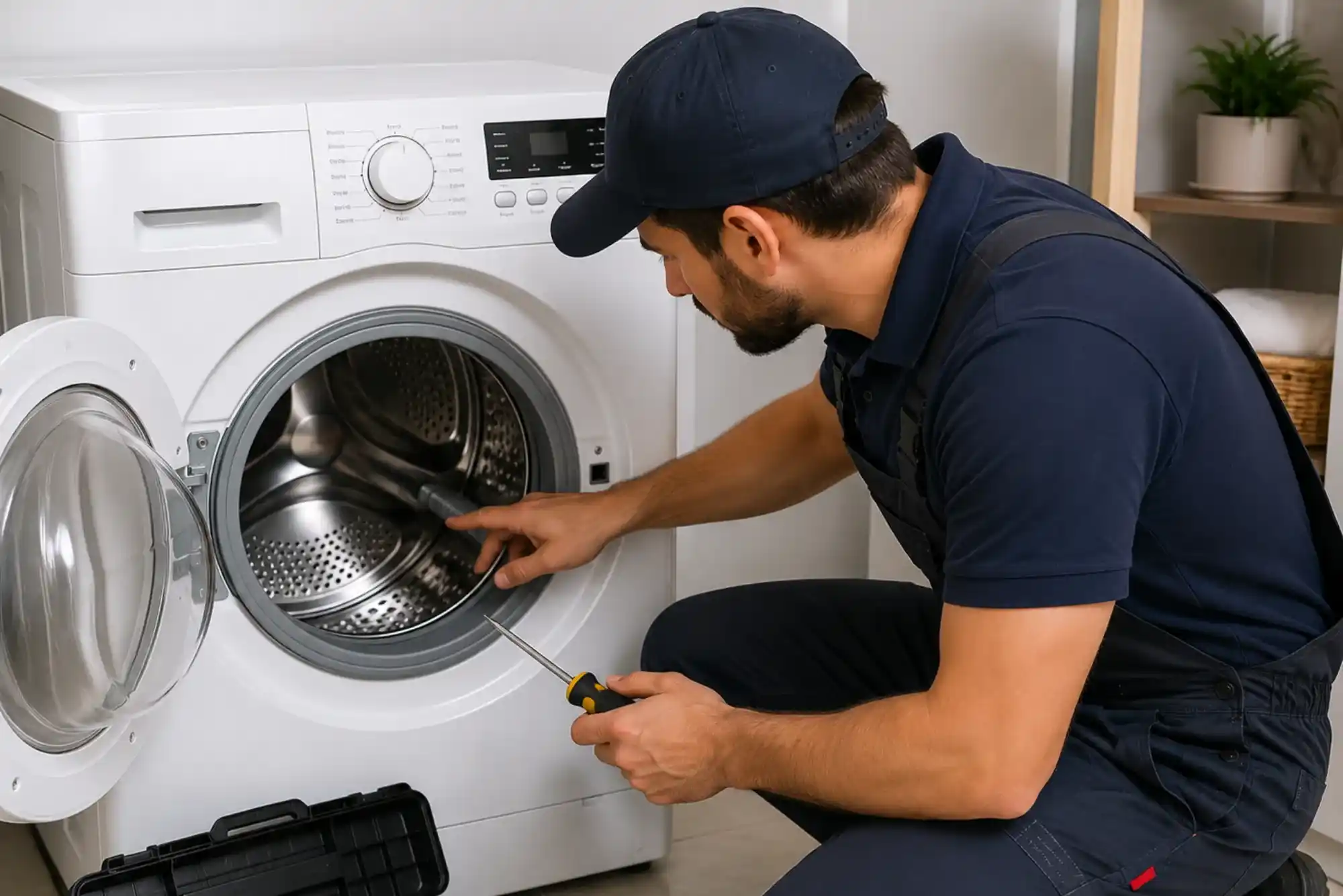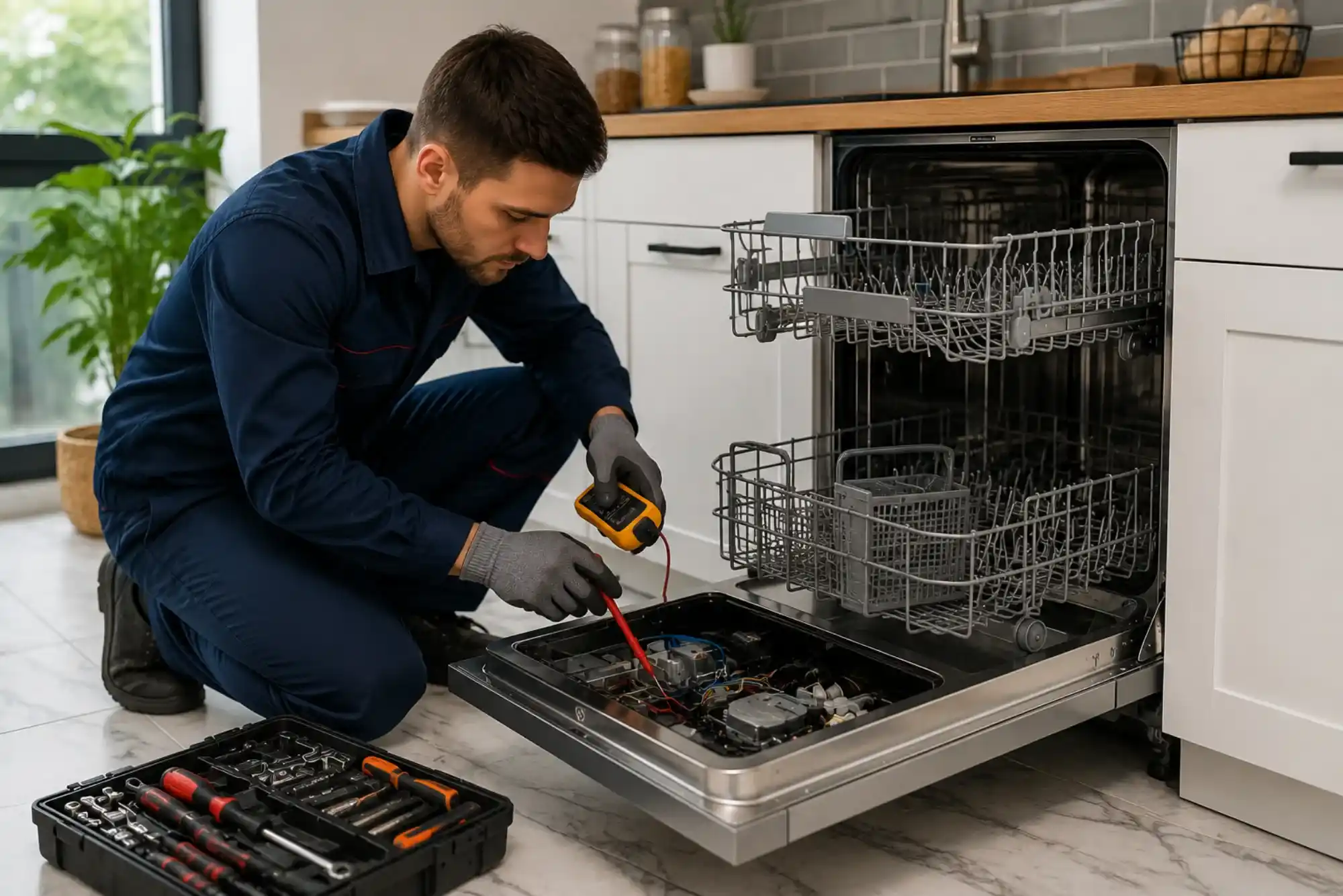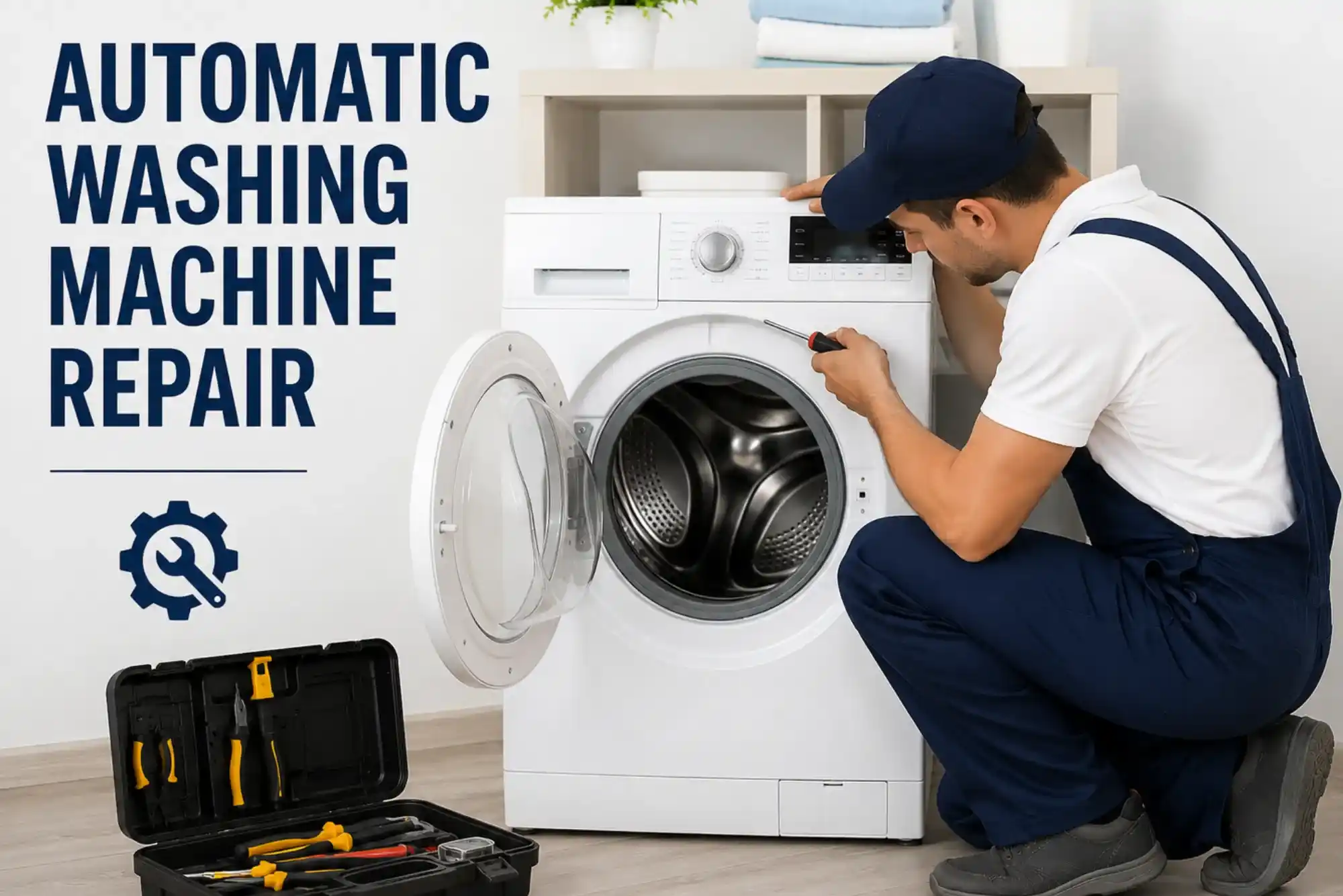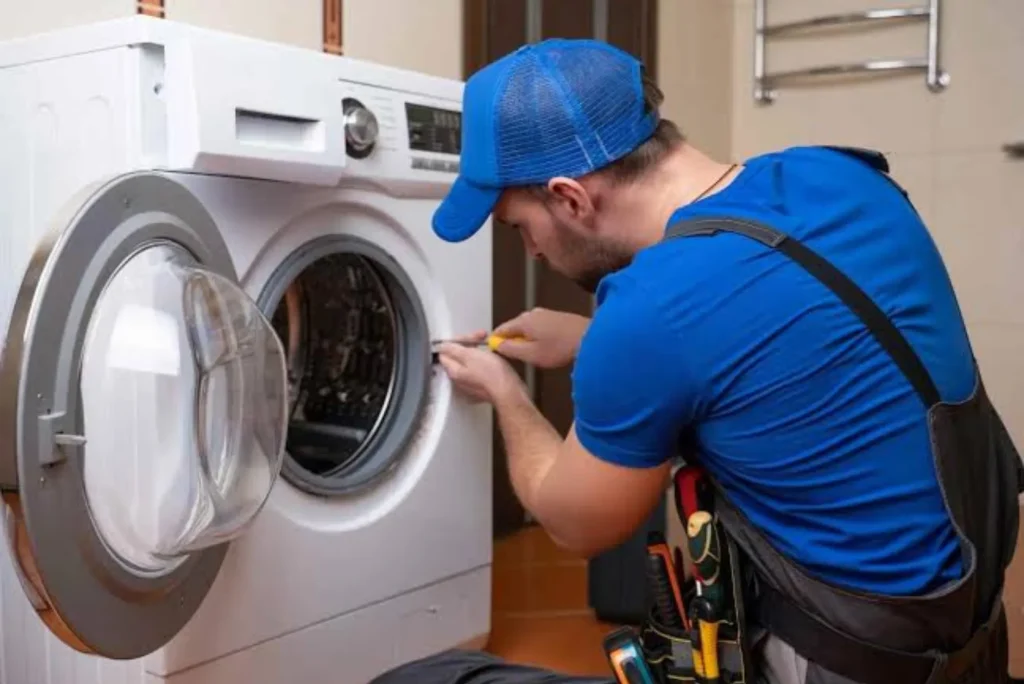
A washing machine is one of the hardest-working appliances in any home. It quietly handles loads of laundry every week, making everyday life easier. However, like any household appliance, it eventually develops problems. Some faults are minor and inexpensive to repair, while others indicate that investing in a new appliance may be the smarter choice. Understanding when to repair or replace a washing machine can save you money, reduce inconvenience, and prevent unexpected breakdowns.
Many homeowners replace their washing machines too early, while others continue repairing an appliance that has already reached the end of its useful life. The right decision depends on several factors, including the age of the machine, repair costs, energy efficiency, and the severity of the problem.
If you are experiencing drainage issues, spinning problems, unusual noises, or recurring faults, professional washing machine repair services can help diagnose the issue before you decide whether replacement is necessary.
Why This Decision Matters
Repairing a washing machine is often significantly less expensive than purchasing a brand-new appliance. On the other hand, repeatedly paying for repairs on an ageing machine can become more costly over time.
Making the right choice provides several advantages:
- Reduces unnecessary expenses
- Extends appliance lifespan
- Improves energy efficiency
- Prevents unexpected breakdowns
- Keeps laundry routines uninterrupted
The key is recognising the warning signs before a minor issue turns into a major failure.

Average Lifespan of a Washing Machine
Most modern washing machines last between 10 and 15 years with regular maintenance. Premium models often exceed this lifespan if properly maintained, while heavily used machines may wear out sooner.
| Machine Age | Recommended Action |
|---|---|
| 0–5 Years | Repair is usually the best option. |
| 6–10 Years | Compare repair cost with replacement value. |
| 10–15 Years | Replacement becomes more practical if major components fail. |
| 15+ Years | Replacement is generally the smarter long-term investment. |
Signs Your Washing Machine Should Be Repaired
Not every problem means the appliance has reached the end of its life. Many issues can be fixed quickly by experienced technicians.
It Doesn’t Spin Properly
If clothes remain soaking wet after a wash cycle, the issue may involve the drive belt, motor, drain pump, or suspension system.
Before replacing the appliance, it is worth understanding the causes of spinning failures. This guide explains common problems in detail: washing machine not spinning repair.
Water Is Not Draining
Drainage problems often result from blocked filters, damaged pumps, or clogged drain hoses. These repairs are generally affordable and can restore normal performance without replacing the machine.
Error Codes Appear Frequently
Modern washing machines display error codes that identify specific faults. Many of these errors relate to sensors, valves, or electronic components that can be repaired.
If your appliance displays fault codes, this troubleshooting guide may help: washing machine error code solutions.
Minor Water Leaks
Small leaks are commonly caused by worn door seals, damaged hoses, or loose water connections. These components are relatively inexpensive compared to buying a completely new machine.
Factors to Consider Before Replacing Your Washing Machine
Before making a final decision, evaluate the overall condition of your appliance rather than focusing on a single fault. A machine with one repairable issue may continue operating efficiently for many more years after professional servicing.
Ask yourself the following questions:
- How old is the washing machine?
- Has it required multiple repairs recently?
- Are replacement parts readily available?
- Does it consume excessive electricity or water?
- Is the repair cost reasonable compared to buying a new appliance?
Routine servicing can also help prevent unexpected failures. Regular washing machine maintenance keeps important components operating efficiently and often extends the life of the appliance.
When Replacing Your Washing Machine Makes More Sense
While many washing machine faults can be repaired, there comes a point where replacement becomes the more practical and cost-effective option. If your appliance has become unreliable or requires frequent repairs, purchasing a newer model may provide better long-term value.
The Machine Is More Than 10–15 Years Old
Older washing machines naturally experience more wear and tear. Internal components such as bearings, motors, control boards, and drums become increasingly difficult to repair, and replacement parts may no longer be readily available.
If your appliance is over a decade old and develops a major mechanical fault, replacing it is often the smarter investment.
Repair Costs Are Too High
A useful guideline followed by many appliance professionals is to compare the repair cost with the price of a new washing machine. If repairing the appliance costs close to half of the price of a comparable new model, replacement usually offers better long-term value.
Multiple Problems Keep Appearing
A washing machine that suffers from repeated issues—even after professional repairs—may have widespread wear affecting several components. Constant service visits increase maintenance expenses and create unnecessary inconvenience.
Poor Energy Efficiency
Modern washing machines are designed to use less electricity and water than older models. Replacing an outdated appliance may reduce utility consumption while providing improved washing performance and quieter operation.
Repair vs Replacement Comparison
| Situation | Repair | Replace |
|---|---|---|
| Minor leak or blocked drain | ✔ Recommended | ✘ Not Necessary |
| Broken belt or pump | ✔ Recommended | ✘ Usually Not Needed |
| Control board failure on an older machine | Possible | ✔ Often Better |
| Drum or bearing failure after 12+ years | Rarely Cost Effective | ✔ Recommended |
| Several recurring faults | Temporary Solution | ✔ Best Choice |
How Regular Maintenance Helps You Avoid Replacement
Preventive maintenance remains one of the best ways to maximise the lifespan of any washing machine. Simple habits can prevent costly repairs and improve washing performance throughout the year.
- Clean the detergent drawer regularly.
- Inspect water hoses for signs of wear.
- Avoid overloading the drum.
- Use the correct amount of detergent.
- Clean the drain filter periodically.
- Leave the door open after each wash to reduce moisture build-up.
When Should You Call a Professional?
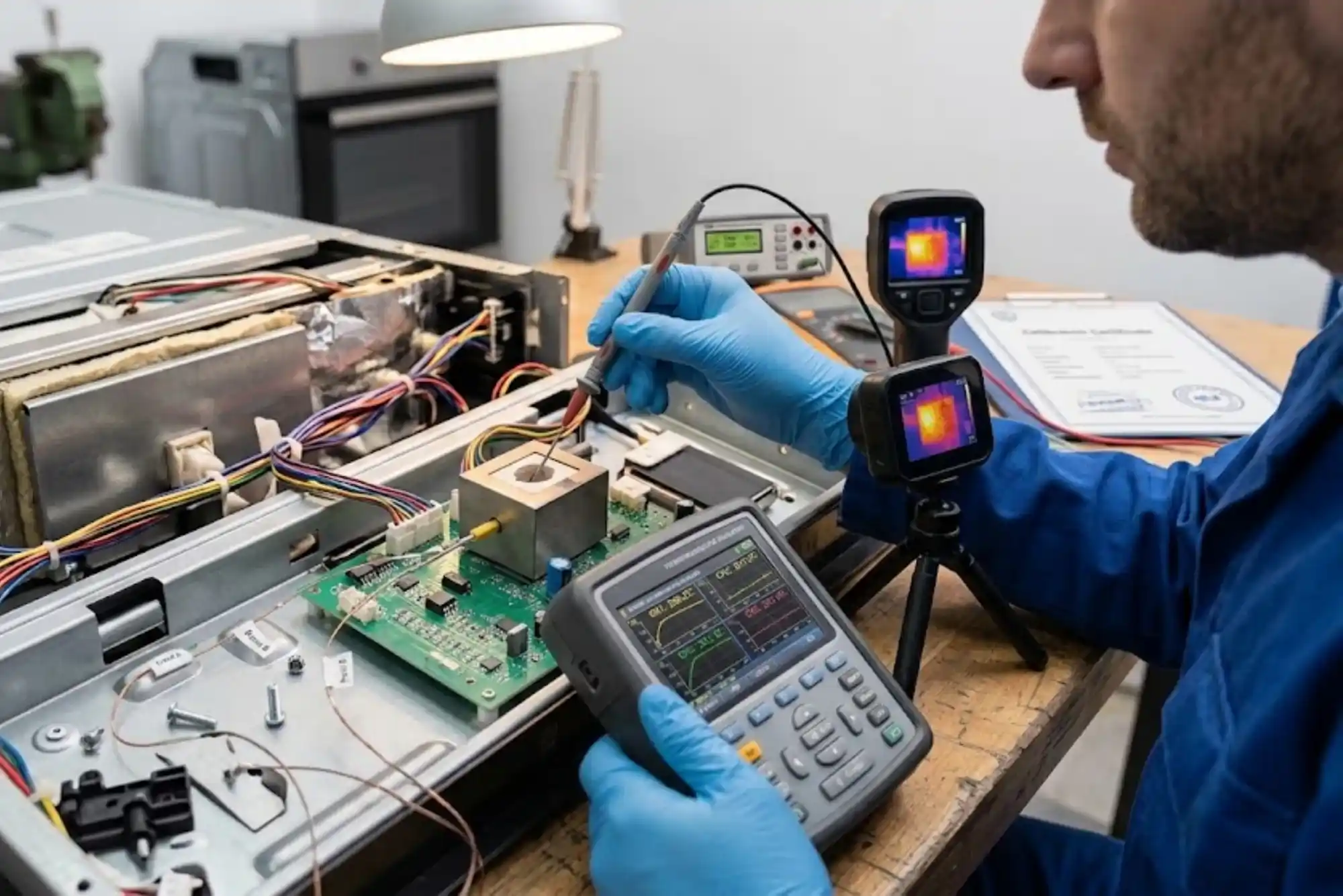
Some problems require specialist knowledge and diagnostic equipment. If your washing machine stops mid-cycle, fails to drain, produces burning smells, or repeatedly displays error codes, professional inspection is the safest option.
Qualified technicians can identify the root cause, recommend the most cost-effective solution, and determine whether repairing or replacing the appliance is the better decision. For expert assistance, visit Al Barouda, where experienced technicians provide reliable appliance repair and maintenance solutions across the UAE.
Frequently Asked Questions
How long should a washing machine last?
Most washing machines operate efficiently for around 10–15 years, depending on usage, maintenance, and build quality.
Is it cheaper to repair or replace a washing machine?
Minor faults such as blocked drains, damaged hoses, or faulty pumps are generally worth repairing. Major failures in older machines often make replacement the more economical choice.
Can regular maintenance extend the lifespan of my washing machine?
Yes. Routine cleaning, proper loading practices, and scheduled servicing help reduce wear on internal components and improve overall performance.
What are the most common washing machine problems?
Common issues include drainage problems, spinning failures, leaking water, unusual noises, faulty door locks, and electronic error codes.
Should I replace my washing machine if it is leaking?
Not necessarily. Many leaks are caused by worn hoses, damaged seals, or loose connections, all of which can often be repaired without replacing the entire appliance.
Conclusion
Knowing when to repair or replace a washing machine allows homeowners to make informed decisions that balance cost, reliability, and long-term performance. Minor faults such as drainage issues, spinning problems, leaks, or error codes are often repairable by experienced technicians. However, if your appliance is more than 10–15 years old, experiences frequent breakdowns, or requires expensive repairs, investing in a modern replacement may provide greater value.
Related Reading: Top Load Washing Machine Repair Complete Guide — full guide
Related Reading: Washing Machine Installation and Repair
Related Reading: Washing Machine Installation and Repair — full guide