Washing Machine Not Spinning Fix: Common Causes and Solutions
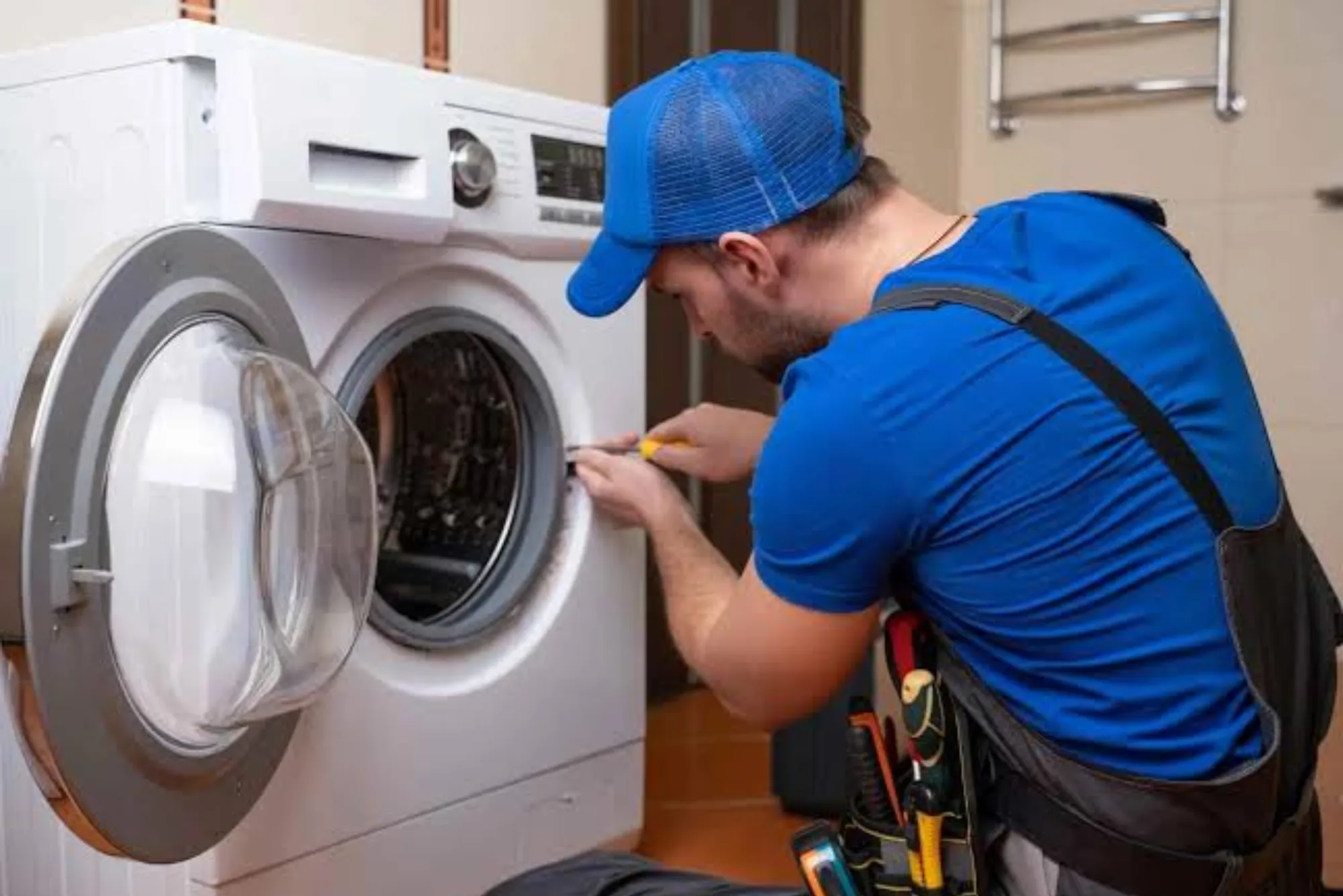
A washing machine that fills with water and completes part of a cycle but refuses to spin can quickly become a frustrating household problem. Fortunately, a Washing Machine Not Spinning Fix does not always require replacing the appliance. The problem may come from an unbalanced load, blocked drainage, a door-lock issue, or a component that needs professional attention.
Before taking the machine apart, it is useful to understand what the spin cycle actually requires. The washer must be able to drain the water, secure the door or lid, control the motor, and rotate the drum at the programmed speed. A failure in any of these areas can prevent spinning.
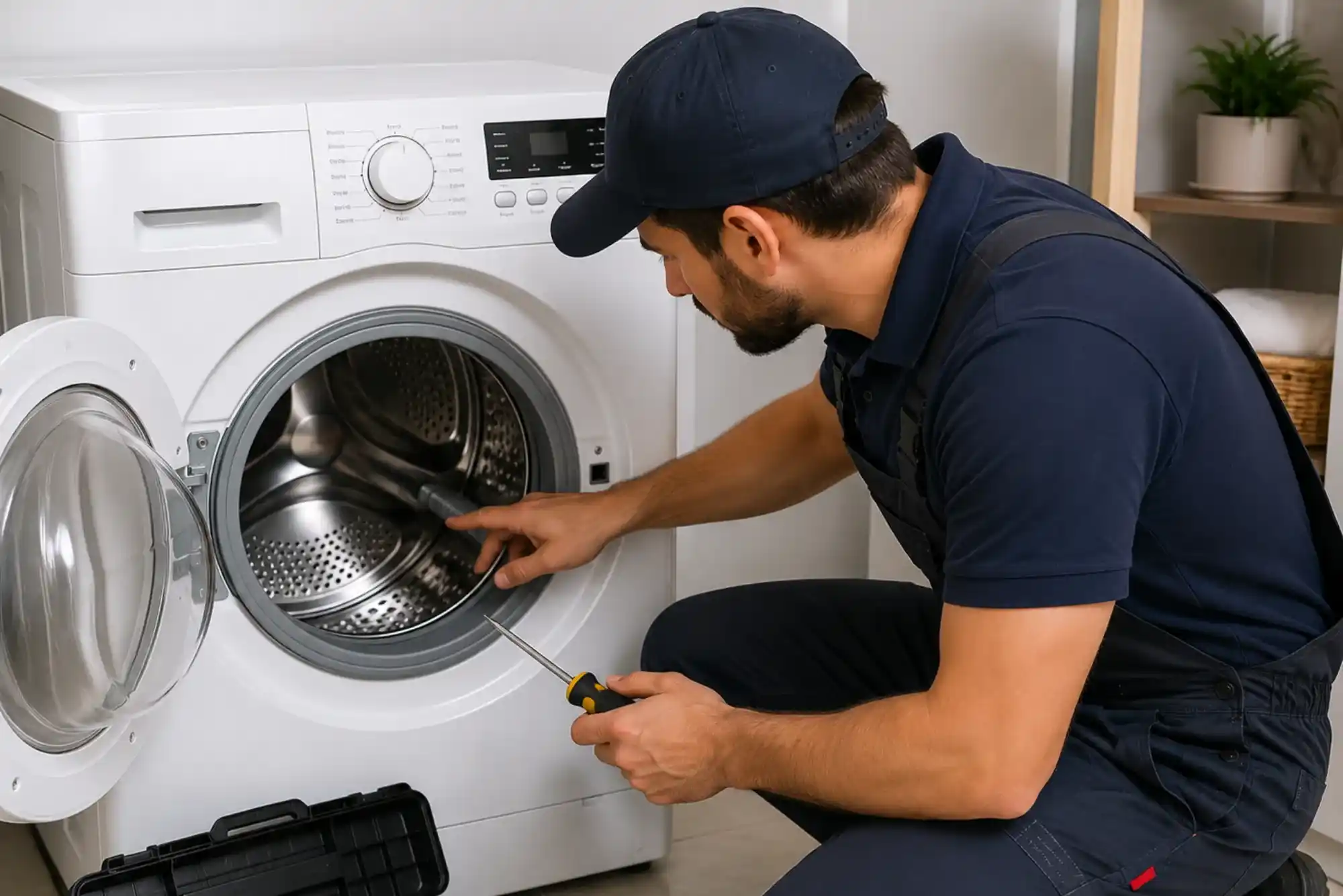
If basic troubleshooting does not solve the problem, a professional washing machine repair service can diagnose the appliance without unnecessary part replacement.
Why Is My Washing Machine Not Spinning?
Several different faults can produce the same symptom. Some are simple operating problems, while others involve electrical or mechanical components. Identifying the symptoms before attempting a repair can save time and reduce the risk of damaging the washer.
1. The Load Is Unbalanced
An uneven load is one of the simplest reasons a washer may refuse to spin properly. A heavy towel, blanket, or several large garments can collect on one side of the drum. Modern machines may detect excessive vibration and slow down or stop the spin cycle to protect the appliance.
Pause the machine, redistribute the clothing evenly around the drum, and restart the spin cycle. Avoid packing the washer too tightly, because overloaded drums can also make it difficult for the motor to reach the required speed.

2. The Washer Cannot Drain Properly
A washing machine normally needs to remove the water before entering a high-speed spin. If water remains inside the drum, the machine may prevent spinning as part of its safety and control sequence.
Check whether the appliance is leaving standing water after the wash cycle. A blocked drain hose, clogged filter, or faulty drain pump can interfere with water removal. For a related diagnosis, see this guide on washing machine not draining water.
3. The Door or Lid Is Not Properly Locked
Front-loading washers commonly use a door-lock mechanism that confirms the door is securely closed before high-speed spinning begins. If the lock does not engage correctly, the control system may stop the cycle.
First, make sure no clothing is trapped between the door seal and frame. Close the door firmly and check whether the machine displays an error message. Do not bypass or electrically defeat a door-lock safety mechanism.
Basic Washing Machine Troubleshooting Steps
Before assuming that a major component has failed, work through a few basic checks. These steps can help distinguish an operating issue from a genuine mechanical or electrical fault.
- Stop the washer and redistribute an uneven load.
- Check whether water remains inside the drum.
- Inspect the visible drain hose for obvious kinks or restrictions.
- Confirm that the door or lid closes and locks normally.
- Run an appropriate empty spin or drain cycle if the manufacturer’s instructions permit it.
If the machine still refuses to spin, avoid repeatedly restarting it. Continued operation with a mechanical or electrical fault can potentially make the underlying problem worse.
When the Motor or Drive System Is Involved
If the drum does not rotate even when the washer is empty and able to drain, the motor or drive system becomes more relevant. Depending on the appliance design, the fault could involve the motor, coupling, belt, control board, or another drive component.
For example, a washer may fill and drain normally but fail to rotate because the motor cannot transfer power effectively to the drum. A technician can test the relevant components rather than replacing parts based only on the symptom.
For more specific information, you can also read about washing machine motor repair and washing machine motor couplings.
Other Reasons a Washer May Stop Spinning
Not every spinning problem is caused by the motor. A worn belt, damaged coupling, faulty lid switch, or control problem can produce similar symptoms. The exact design varies between brands and models, so diagnosis should be based on the machine’s behavior rather than a single suspected component.
Check for Unusual Noises
Pay attention to what happens when the washer attempts to spin. A humming sound without drum movement may point toward a drive or motor-related problem, while grinding, scraping, or repeated clicking can indicate a mechanical issue. A completely silent machine may require investigation of the controls, door or lid switch, wiring, or power supply.
Do not continue running the washer if you notice burning smells, smoke, exposed wiring, or unusually loud mechanical noise. Disconnect the appliance from power and arrange for appropriate inspection.
Control Board and Sensor Problems
Modern washing machines rely on electronic controls and sensors to coordinate filling, draining, door locking, motor operation, and spin speed. A fault in an inverter board, sensor, wiring connection, or control board can therefore prevent the drum from spinning even when the mechanical parts appear normal.
Error codes can provide useful clues, but their meaning differs between manufacturers. If the display shows an error, record the code before switching the machine off. This information can help a technician identify the correct diagnostic path.
For additional background, you can explore this guide to washing machine inverter board troubleshooting.
Washing Machine Not Spinning: Repair or Simple Troubleshooting?
| Symptom | Possible Cause | Recommended Action |
|---|---|---|
| Drum stops with clothes inside | Unbalanced or overloaded load | Redistribute the load and retry |
| Water remains in the drum | Drain restriction or pump problem | Check accessible drainage components |
| Door will not lock | Door-lock or obstruction issue | Check the door and seek service if needed |
| Motor hums but drum does not rotate | Drive, motor, or mechanical fault | Professional diagnosis recommended |
| No spin despite normal operation | Control, sensor, or drive-system fault | Arrange technical inspection |
How to Prevent Future Spin Problems
Regular care can reduce avoidable washing machine problems and help the appliance operate more consistently. Prevention does not eliminate component failures, but good operating habits can reduce unnecessary strain on the washer.
- Follow the manufacturer’s recommended load capacity.
- Distribute large and heavy garments rather than placing them together.
- Keep accessible filters and drainage areas clean according to the manual.
- Do not force the door or lid closed.
- Investigate unusual vibrations or noises instead of ignoring them.
- Use the correct detergent and amount recommended for the appliance.
Expert Tip: Before replacing expensive parts, confirm that the washer can drain correctly and that the load is balanced. These simple checks can prevent unnecessary repairs and make professional diagnosis much more accurate.
When Should You Call a Washing Machine Technician?
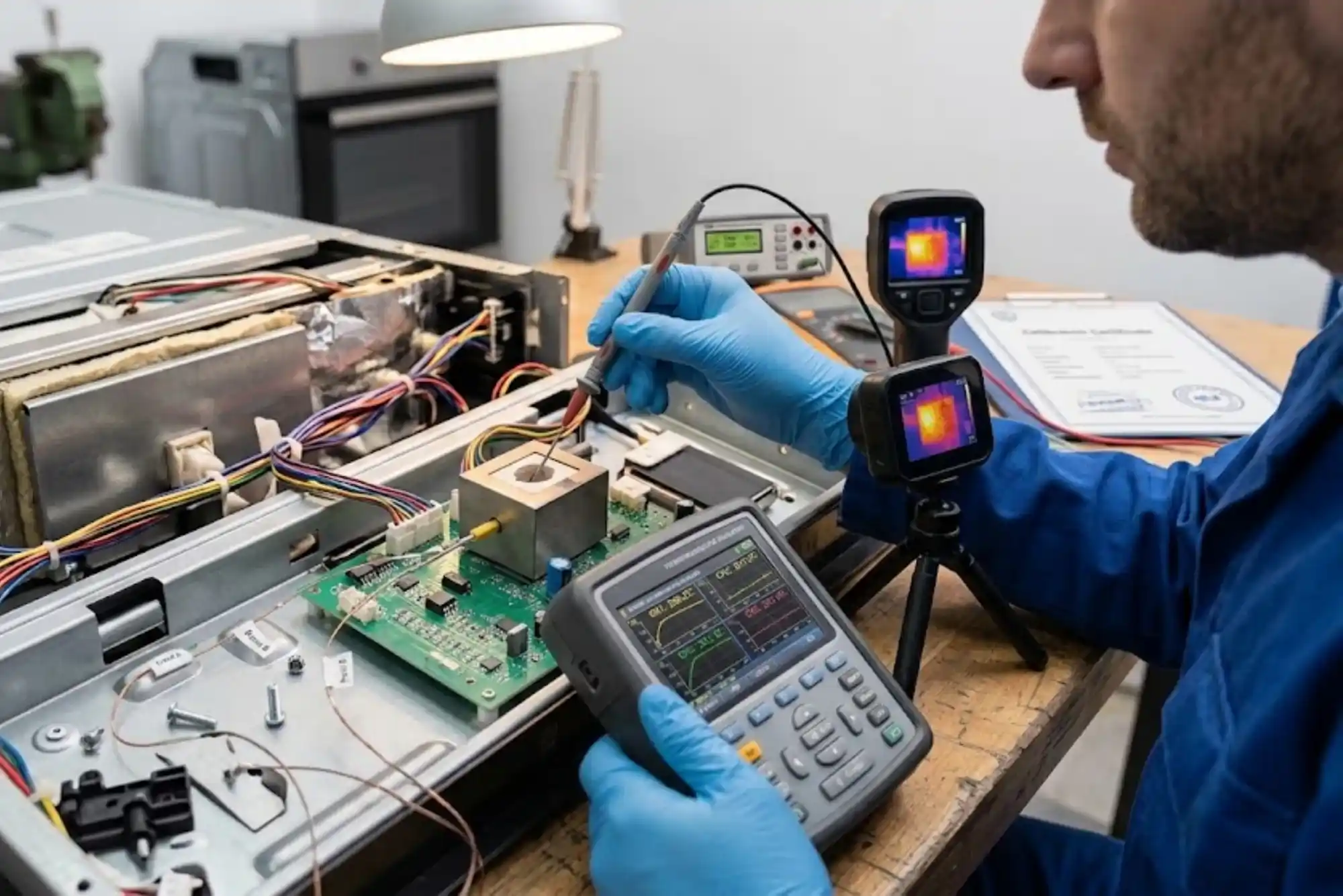
A professional inspection is sensible when basic troubleshooting has failed, particularly if the washer repeatedly stops during the spin cycle. Internal components such as motors, drive systems, wiring, control boards, and switches may require electrical testing or disassembly that should not be attempted without the appropriate knowledge and tools.
Professional help is especially appropriate when the appliance trips a circuit breaker, produces a burning smell, leaks water near electrical components, or makes severe grinding or banging noises. Safety should take priority over trying to complete a repair at home.
Frequently Asked Questions
Why is my washing machine not spinning but draining?
If the washer drains but the drum still does not spin, possible causes include a drive-system problem, motor fault, belt or coupling issue, door or lid switch problem, or electronic control fault. The exact cause requires model-specific diagnosis.
Can an overloaded washer stop spinning?
Yes. An overloaded or badly balanced drum can create excessive vibration, causing some machines to reduce or stop the spin cycle. Redistributing the load and selecting an appropriate cycle may resolve the issue.
Why does my washing machine spin slowly?
A slow spin can result from an unbalanced load, drainage difficulty, selected cycle settings, or a developing mechanical or electronic fault. If the problem happens repeatedly with normal loads, professional inspection is advisable.
Should I keep running a washer that makes a strange noise?
No. Persistent grinding, scraping, burning smells, smoke, or severe vibration should not be ignored. Stop the appliance and disconnect it from power when safe to do so.
Is a washing machine not spinning always expensive to repair?
No. Some causes are simple, such as an uneven load or drainage restriction. More complex faults involving motors, control boards, or drive components can require additional repair, so diagnosis should come before deciding whether replacement is necessary.
Conclusion
A Washing Machine Not Spinning Fix starts with identifying why the appliance has stopped rotating. An uneven load, drainage problem, door-lock issue, motor fault, drive-system failure, or electronic control problem can all create similar symptoms.
Start with safe, straightforward checks such as load distribution and drainage. If the problem continues, avoid unnecessary part replacement and have the appliance properly diagnosed. With timely troubleshooting and sensible maintenance, many washing machine problems can be identified before they develop into more complicated failures.
Related Reading: AC Bad Odor from Vents
Related Reading: AC Ice Formation on Coils
Related Reading: Buying a Launderette Business in the UAE: What Buyers Should Check Before Making an Offer — full guide
Related Reading: Washing Machine Not Draining Water Fix — full guide