Dishwashers have become a staple in modern households, making the chore of cleaning dishes faster, easier, and far more efficient than manual washing. While many users admire the convenience, not everyone knows what makes these machines work so effectively behind the scenes.
One of the most vital components responsible for the performance of a dishwasher is the wash impeller. Without it, water would not circulate properly, and dishes would never achieve the sparkling clean results people expect. Understanding the role of wash impellers in dishwashers provides valuable insight into how these appliances function, why they sometimes fail, and what can be done to maintain them in top condition.
Understanding the Basic Function of a Wash Impeller
A wash impeller is essentially a small propeller-like device located inside the dishwasher’s pump assembly. It is designed to force water through spray arms under high pressure, ensuring that water and detergent are evenly distributed across all the dishes. This consistent circulation of water is what loosens food debris, dissolves detergent, and rinses away residue. Unlike spray arms, which are visible when you open the machine, the wash impeller is hidden within the motor system and plays a behind-the-scenes yet critical role.
When the dishwasher cycle begins, the motor activates the impeller, spinning it rapidly. This spinning action creates water pressure strong enough to shoot jets of water upward and outward. As the spray arms rotate, they reach every section of the dishwasher racks, allowing dishes, glasses, and cutlery to be thoroughly cleaned. Essentially, the impeller is the driving force that powers the entire cleaning system.
The Importance of Wash Impellers in Cleaning Performance
The efficiency of a dishwasher largely depends on the wash impeller’s ability to generate enough water pressure. If the impeller is damaged, clogged, or worn out, the cleaning performance immediately suffers. Dishes may come out with food particles still attached, glassware may appear cloudy, and detergents may not dissolve completely.
In well-functioning dishwashers, the impeller not only distributes water but also helps maintain the rhythm of the wash cycle. It ensures that water reaches even the most stubborn corners of the dishwasher, making it possible to clean heavily soiled pots and pans as effectively as delicate glassware. Because water pressure plays such a central role in dishwashing efficiency, manufacturers design impellers with precision, ensuring they withstand thousands of cycles without losing their ability to perform.

Wash Impellers vs. Drain Impellers
To better understand the role of wash impellers, it’s important to differentiate them from drain impellers. Many dishwashers are equipped with both, each serving a unique purpose. The wash impeller is responsible for forcing water through the spray arms, while the drain impeller directs dirty water out of the machine at the end of each cycle.
Although they work in tandem, the wash impeller is more directly connected to the cleaning quality of the appliance. A malfunctioning wash impeller can result in ineffective cleaning, whereas a drain impeller failure typically leads to standing water at the bottom of the tub. Recognizing these distinctions helps homeowners and technicians troubleshoot issues more accurately.
Common Problems Associated with Wash Impellers
Over time, wash impellers may encounter issues due to wear, mineral buildup, or blockages caused by food debris. Hard water can also contribute to scaling, reducing the impeller’s efficiency. The most common signs of a problematic wash impeller include dishes not coming out clean, odd noises during operation, or reduced water circulation.
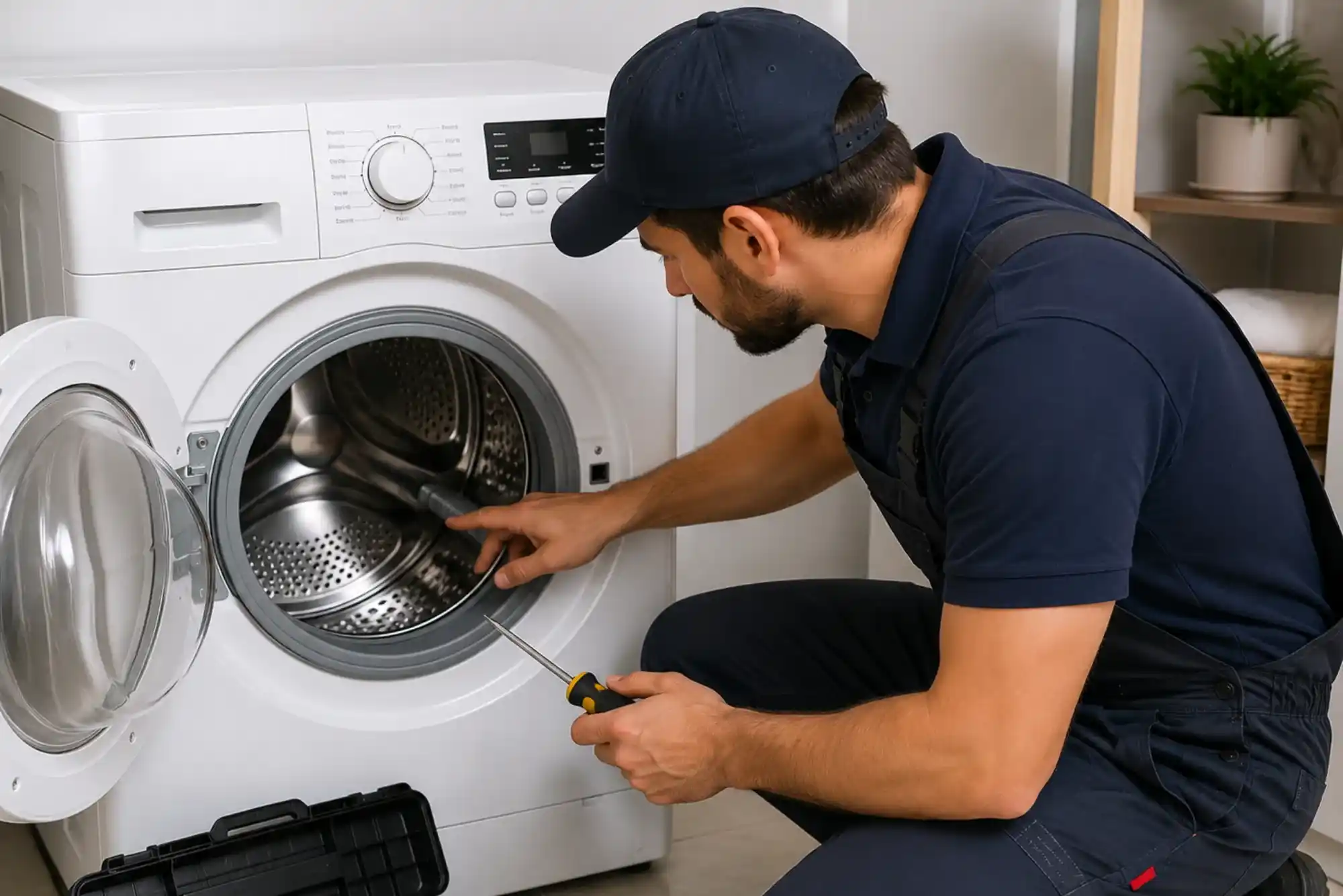
In some cases, the impeller may become cracked or warped. Even minor damage can disrupt water flow and prevent the dishwasher from working properly. Unlike visible parts such as racks or spray arms, impellers require disassembly to inspect and repair, which often means professional servicing is needed.
The Role of Wash Impellers in Energy and Water Efficiency
Modern dishwashers are designed to be more environmentally friendly, using less water and energy while still delivering excellent cleaning results. Wash impellers are central to this efficiency. By maximizing water pressure and distribution, they reduce the need for excessive amounts of water and longer wash cycles. A well-functioning impeller ensures that dishes are cleaned thoroughly in one cycle, preventing the need for rewashing and conserving resources.
Manufacturers continually innovate in impeller design, incorporating advanced engineering that improves water circulation while keeping energy consumption low. This focus not only benefits homeowners with lower utility bills but also contributes to sustainability efforts by minimizing waste.
How Maintenance Impacts the Life of Wash Impellers
While impellers are durable, their performance can be affected by poor maintenance. Regular dishwasher care, such as cleaning filters, checking spray arms, and avoiding large food scraps in the machine, indirectly protects the wash impeller from strain. Using dishwasher-safe cleaners to reduce limescale buildup also helps maintain smooth water flow.
Ignoring maintenance may shorten the impeller’s lifespan, eventually leading to expensive repairs or replacements. On the other hand, consistent care ensures that the impeller continues working efficiently, extending the overall life of the dishwasher.
The Connection Between Impellers and Dishwasher Technology
Dishwasher technology has advanced significantly over the years, and the role of impellers has evolved along with it. High-end models now feature specially designed impellers that can adjust water pressure based on load size or soil level. Some machines even use variable speed impellers to optimize performance during different stages of the wash cycle.
This integration of smart technology highlights just how important wash impellers are to dishwashing efficiency. Without them, even the most advanced sensors and controls would not be able to deliver effective cleaning results.
Professional Repair and Replacement of Wash Impellers
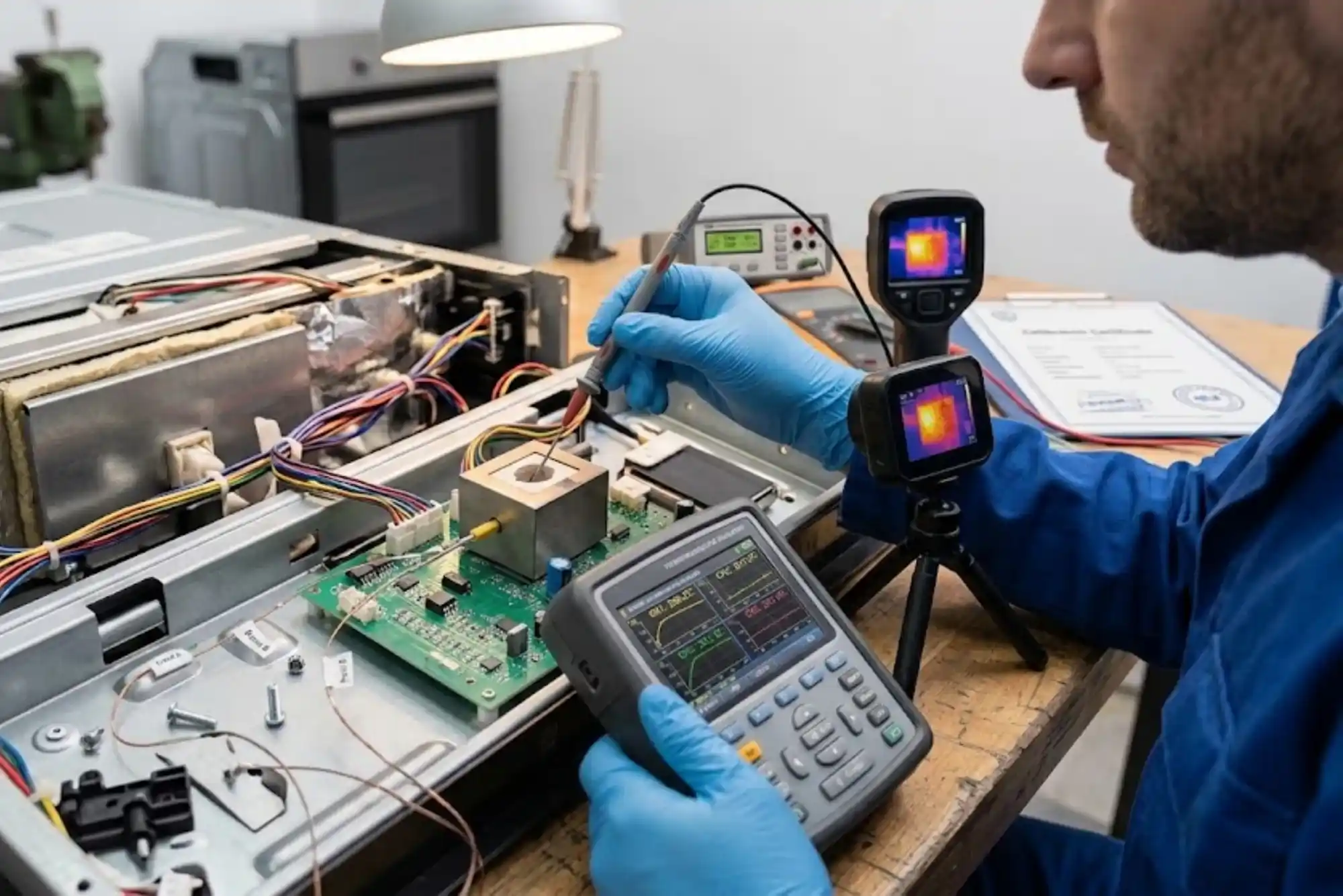
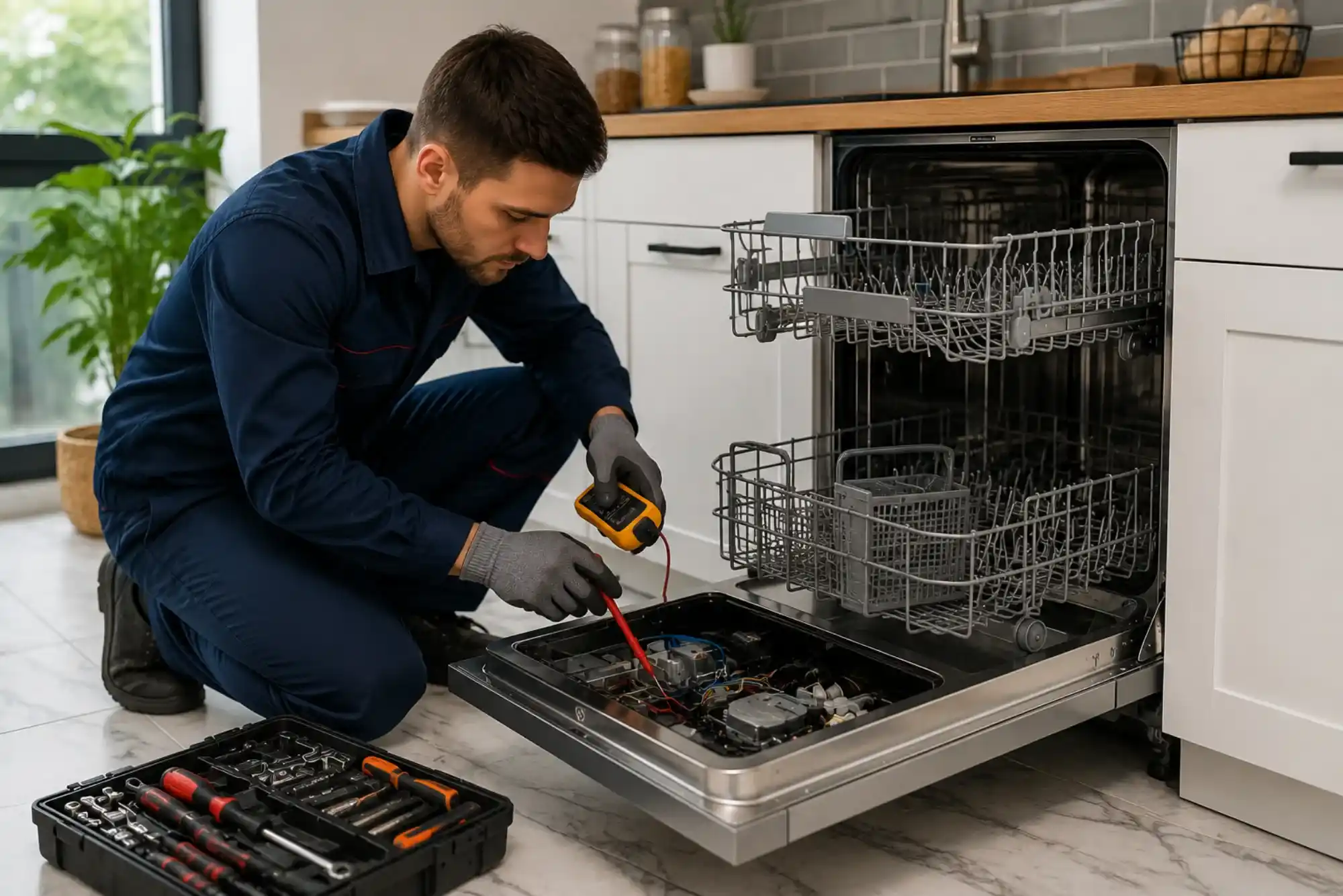
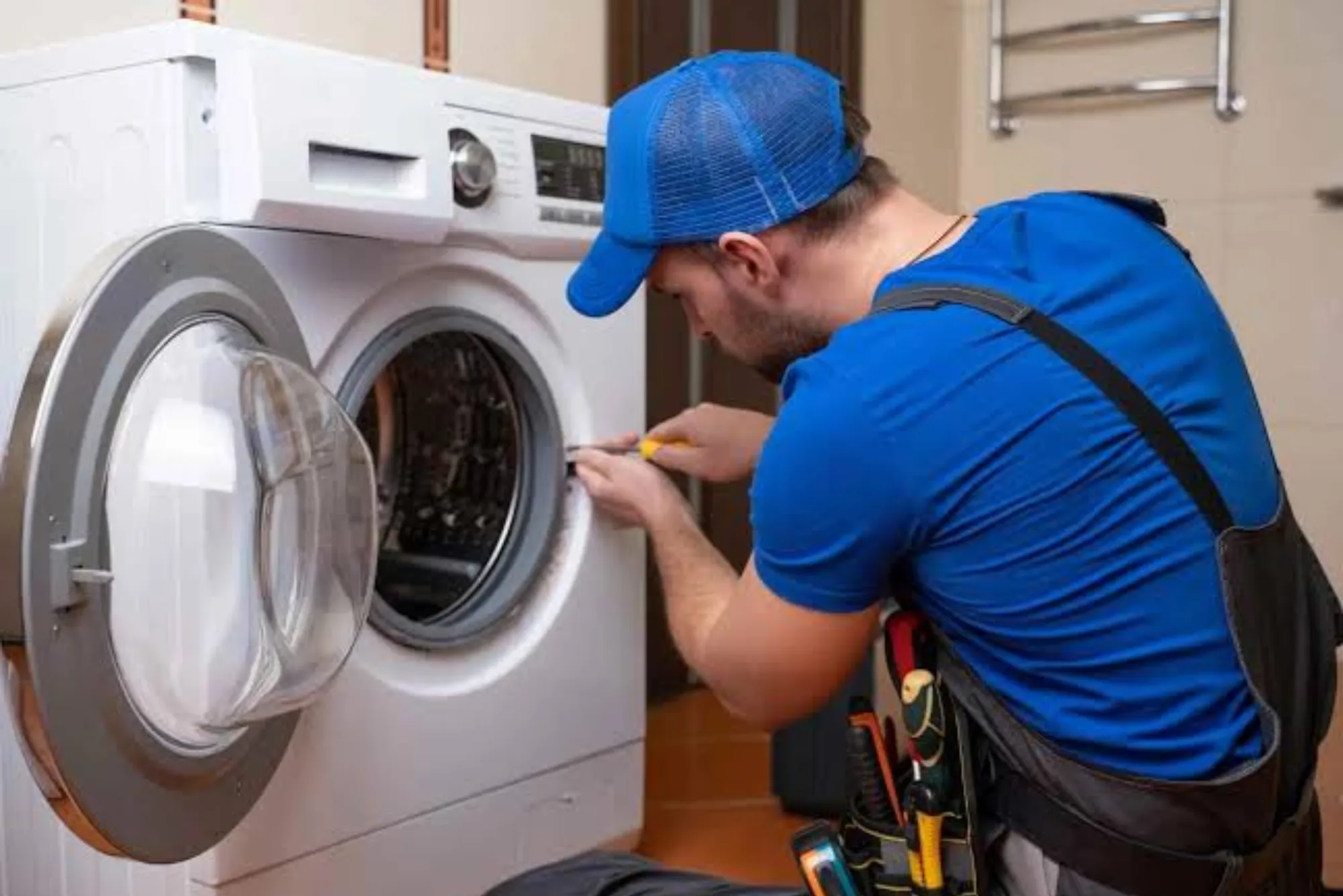
When wash impellers fail, professional servicing is often necessary. Because impellers are housed within the pump and motor system, accessing and replacing them requires technical expertise. Attempting a do-it-yourself repair without proper knowledge can lead to further damage or safety risks.
A technician can diagnose whether the impeller itself is the issue or if another component, such as the motor or filter, is affecting performance. In many cases, replacing a worn-out impeller restores the dishwasher’s functionality and saves the cost of buying a new appliance.
Why Wash Impellers Matter More Than You Think
Dishwashers may appear to be simple appliances on the surface, but their effectiveness depends on precise engineering and reliable internal components. Among these, the wash impeller plays one of the most critical roles. By powering water circulation, enhancing cleaning efficiency, and contributing to energy savings, it ensures that dishwashers continue to deliver spotless results cycle after cycle.
For homeowners, understanding the role of wash impellers helps in appreciating how dishwashers work and in recognizing early signs of potential issues. For technicians, it underscores the importance of this often-overlooked part in maintaining overall appliance performance. With proper care, attention, and timely servicing, wash impellers can keep dishwashers running smoothly for years, proving that even small components can make a huge difference in modern convenience.