A dishwasher is one of the most convenient appliances in any modern kitchen, helping homeowners save time and maintain hygiene with minimal effort. While these appliances are designed to be durable, certain parts are more prone to wear and tear due to frequent usage. One of the most common components that may need replacement is the dishwasher door handle.
Since the handle is used multiple times a day, it can crack, loosen, or completely break over time. A damaged handle not only makes it difficult to operate the appliance but also impacts the overall look of the kitchen. Fortunately, replacing a dishwasher door handle is a task that can be done at home with some patience, the right tools, and a clear understanding of the process.
In this guide, we will walk you through the entire process of replacing a dishwasher door handle, from preparation to installation, while also discussing tips to ensure the new handle lasts longer. Whether you are a DIY enthusiast or simply someone who wants to save money on appliance repair, this detailed explanation will help you complete the job with confidence.
Understanding the Role of a Dishwasher Door Handle
Before starting the replacement process, it is important to understand why the dishwasher door handle plays such a critical role. The handle is not merely a cosmetic feature; it serves as the main access point for opening and closing the dishwasher. A damaged or missing handle can make it difficult to load and unload dishes, and in some cases, it may even compromise the sealing of the door, leading to leaks during washing cycles.
Dishwasher handles come in different designs depending on the brand and model. Some are integrated into the control panel, while others are mounted separately on the outer door. Understanding the type of handle your dishwasher uses will help you prepare the right replacement and tools.
Preparing for the Replacement
Replacing a dishwasher handle requires preparation, and the first step is ensuring safety. Since dishwashers operate using both electricity and water, there is always a risk of accidents if precautions are ignored. Always disconnect the appliance from the power supply before beginning any work. If your dishwasher is hardwired, it may be necessary to switch off the circuit breaker that supplies electricity to the unit.

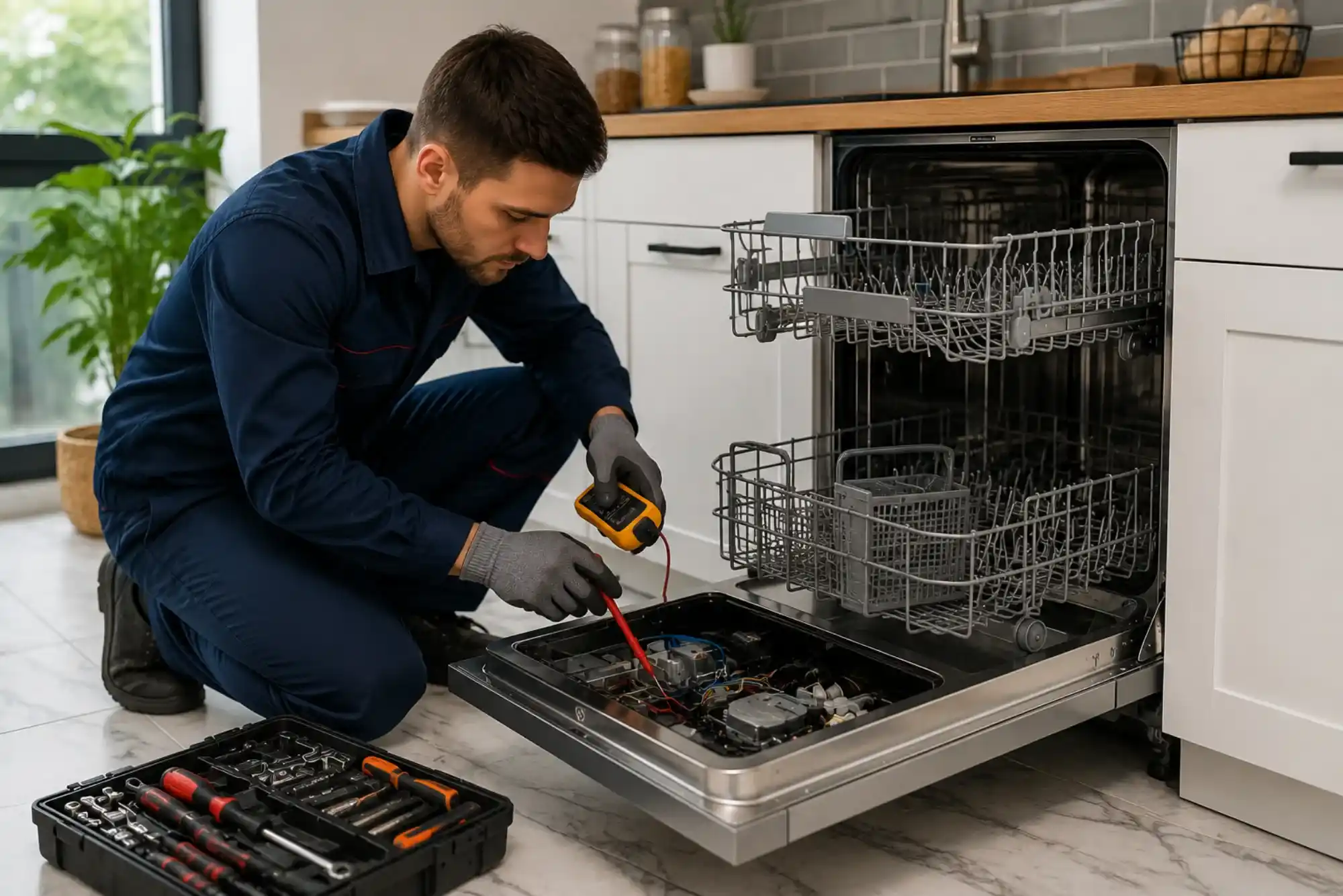
Once the power is disconnected, gather the necessary tools. Most dishwasher handles can be replaced using a simple screwdriver, but depending on the brand, you may also need a Torx driver or Allen wrench. Having the replacement handle in hand is also essential. Ensure you purchase the correct part by checking your dishwasher’s model number, which is usually located inside the door or on a label near the frame.
Removing the Old Handle
The process of removing a dishwasher door handle varies slightly between brands, but the general approach remains similar. Start by opening the dishwasher door and identifying the screws that hold the handle in place. These screws are usually located on the inner panel of the door. By carefully removing them, you will release the outer panel that holds the handle.
It is important to proceed gently during this stage to avoid damaging the control panel or door insulation. Place the screws in a safe container so they don’t get misplaced. Once the panel is loose, carefully detach the old handle from its position. In some cases, the handle may be clipped into the panel rather than screwed, requiring a bit of pressure to release it.
Installing the New Handle
With the old handle removed, it is time to install the replacement. Position the new handle in the same spot, ensuring it aligns perfectly with the screw holes or clips. If your dishwasher uses screws, hold the handle firmly in place while securing it with the screwdriver. Make sure the screws are tightened evenly to prevent the handle from shifting during use.
If your model uses clips, push the handle into position until you hear or feel a click. Test the alignment by gently opening and closing the door to confirm the handle sits securely. At this stage, also check that the outer panel and control panel are properly reattached to the door frame.
Reconnecting Power and Testing the Handle
Once the new handle is installed, reconnect the dishwasher to the power supply. Turn on the appliance and test the door by opening and closing it several times. The handle should feel secure, comfortable, and easy to operate. Pay attention to whether the door seals correctly when closed, as a misaligned handle can sometimes interfere with the latch.
If everything works as expected, the replacement process is complete. However, if you notice that the door is not sealing properly or that the handle feels loose, double-check the screws and alignment before using the dishwasher for a full cycle.
Common Mistakes to Avoid
Many homeowners attempt to replace dishwasher handles without sufficient preparation, which can lead to mistakes. One common error is forgetting to disconnect the power before starting the repair. This creates unnecessary risks, especially when working near the control panel. Another frequent issue is using the wrong replacement part. Handles are designed specifically for each model, and using a mismatched one can cause fitting issues.
Over-tightening the screws is another mistake to avoid. While it is important for the handle to be secure, applying too much pressure can crack the plastic or damage the panel. Always tighten screws just enough to hold the handle firmly in place.
When to Call a Professional
Although replacing a dishwasher handle is a relatively simple repair, there are situations where professional help may be required. If the handle is integrated into an electronic control panel, the replacement process can become more complicated, involving delicate wiring that should only be handled by an experienced technician. Similarly, if you notice that the door latch or locking mechanism is also damaged, it may be best to call a repair service to avoid further complications.
Hiring a professional ensures that the repair is done correctly and quickly. While it may cost more than a DIY approach, it eliminates the risk of damaging the appliance further.
Maintaining Your Dishwasher Handle
Once your new handle is installed, proper maintenance can extend its lifespan. Always open and close the dishwasher door gently rather than pulling or pushing aggressively. Teach children in the household to handle the appliance carefully, as rough use is one of the leading causes of handle breakage.
Regular cleaning also helps. Over time, grease, detergent residue, and moisture can accumulate around the handle, weakening its structure. Wiping it down with a soft cloth and mild detergent prevents build-up and keeps the handle looking new.
The Benefits of Timely Replacement
Replacing a dishwasher handle as soon as it shows signs of wear provides several advantages. Firstly, it restores the appliance’s functionality, allowing you to open and close the door without difficulty. Secondly, it improves the overall appearance of your kitchen, as a broken handle can make even the most modern dishwasher look neglected. Finally, timely replacement prevents additional damage to the door latch or control panel, which could lead to more expensive repairs in the future.
Final Thoughts
A dishwasher is one of the most frequently used appliances in any household, and the door handle is an essential part of its daily operation. While it may seem like a small component, a damaged handle can cause inconvenience and even affect the performance of the appliance. Replacing the handle is a straightforward task that most homeowners can manage with the right tools and careful attention to detail.