A dishwasher is one of the most essential appliances in any modern kitchen, designed to save time, reduce effort, and deliver sparkling clean dishes with minimal manual work. However, like any mechanical appliance, it requires proper care and maintenance to perform at its best. One of the most overlooked but highly important aspects of dishwasher maintenance is lubrication. While people often focus on cleaning filters, unclogging spray arms, or descaling the interior, lubrication is equally critical to keeping moving parts smooth, silent, and long-lasting. Without proper lubrication, your dishwasher may begin to make squeaking noises, operate less efficiently, and suffer unnecessary wear and tear that leads to costly repairs. This article offers professional yet simple DIY dishwasher lubrication tips that can help homeowners maintain their appliances with ease.
Why Lubrication Matters in a Dishwasher
A dishwasher is composed of many moving components that operate under high heat, water pressure, and friction. Hinges, rollers, gaskets, and seals all undergo constant stress during repeated cycles. Over time, the friction from repeated motion wears down the original lubrication applied at the factory, leading to dryness and resistance. This can cause parts to squeak, doors to stick, or racks to become difficult to slide in and out. More importantly, lack of lubrication accelerates mechanical damage, which shortens the overall lifespan of the dishwasher. By applying the right type of lubricant, homeowners can reduce friction, extend the life of parts, and improve the overall performance of the machine.
Common Parts of a Dishwasher That Need Lubrication
While not every component requires lubrication, certain areas benefit greatly from regular care. The hinges on the dishwasher door are critical because they are constantly under pressure from the opening and closing motion. Rack rollers also require smooth gliding action to prevent jerky movement or stiffness. Additionally, rubber gaskets and seals may dry out over time, leading to leaks if they are not conditioned with the right lubricant. These areas, when properly maintained, ensure that your dishwasher runs quietly and efficiently.
Choosing the Right Lubricant
One of the most important things to remember is that not all lubricants are safe for dishwashers. Since this appliance operates in a moist and heated environment, standard household oils and greases can break down quickly or contaminate the interior. It is always best to choose a food-grade, waterproof lubricant that is designed to withstand both high heat and constant exposure to water. Silicone-based lubricants are an excellent option as they resist moisture and provide long-lasting performance without damaging plastic or rubber components. Petroleum-based products should generally be avoided because they can cause deterioration of seals and gaskets, leading to costly leaks.
How to Prepare for Dishwasher Lubrication
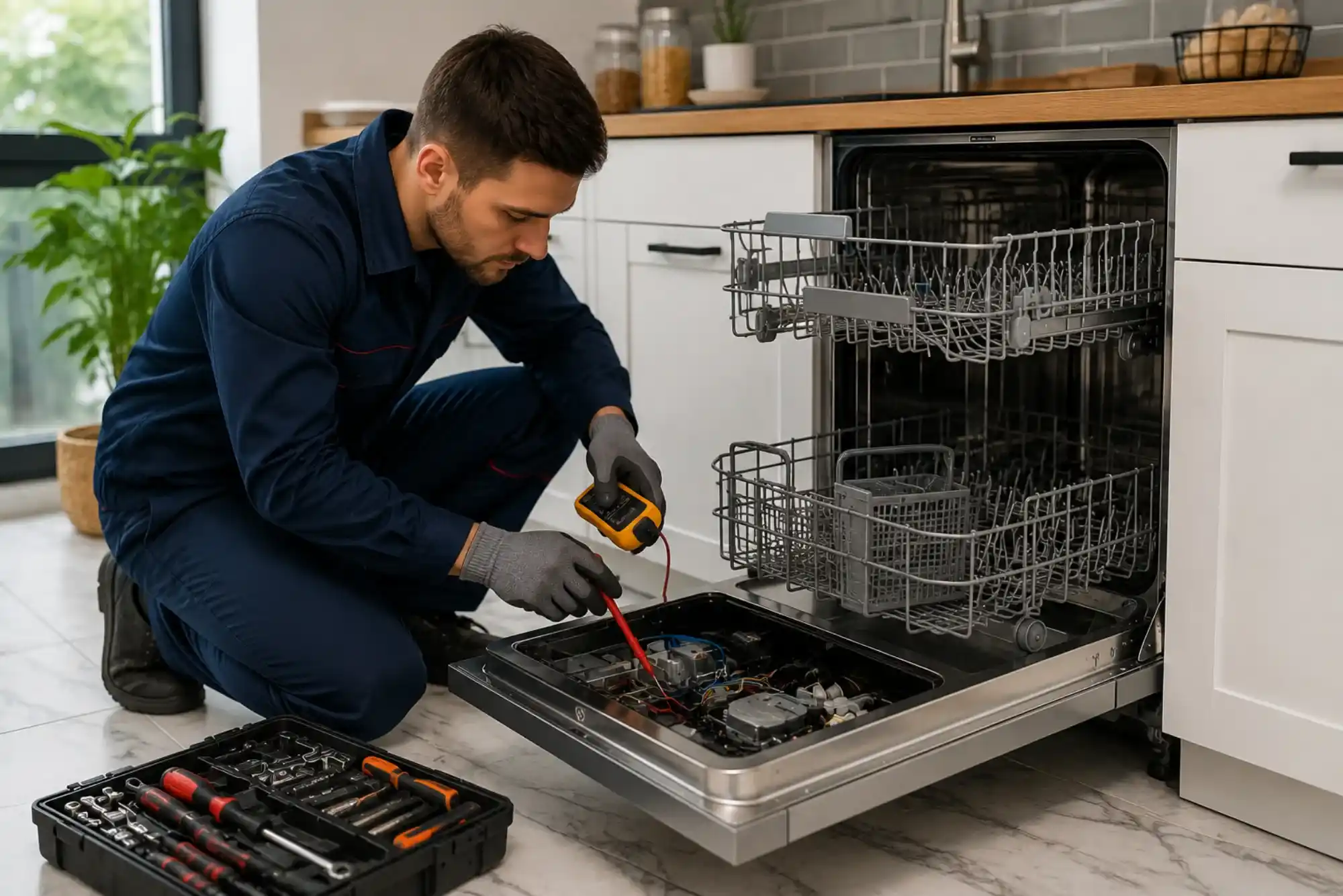
Before beginning the lubrication process, it is essential to prepare the dishwasher correctly. First, make sure the appliance is disconnected from its power source for safety reasons. Removing any dishes or racks from the interior provides better access to the parts that require attention. A quick wipe-down of the areas you plan to lubricate ensures that dirt, food particles, or detergent residue do not mix with the lubricant. This preparation not only ensures safety but also guarantees that the lubrication is effective.
Applying Lubrication to Hinges
The door hinges on a dishwasher are often the first parts to show signs of stiffness or squeaking. A few drops of food-safe silicone lubricant applied to the hinge joints can restore smooth operation. Once applied, the door should be gently opened and closed several times to distribute the lubricant evenly. Properly lubricated hinges reduce strain on the door mechanism and prevent unnecessary wear on the springs that balance the door’s weight.

Conditioning the Rack Rollers
The racks inside a dishwasher slide in and out multiple times during each use, and their rollers are prone to dryness and resistance. By applying a thin coat of silicone spray or gel lubricant to the roller axles, you can restore effortless gliding action. This not only makes the dishwasher easier to load and unload but also prevents small plastic components from cracking under pressure. Smooth rollers also help prevent unnecessary noise, giving the appliance a quieter and more professional feel.
Protecting the Gaskets and Seals
The rubber gaskets that line the dishwasher door are responsible for creating a watertight seal during every cycle. Over time, exposure to hot water and detergents can cause them to dry out or crack. A thin application of food-grade silicone grease can rejuvenate the rubber, making it more flexible and resistant to damage. Not only does this prevent leaks, but it also ensures that the dishwasher maintains optimal water pressure and cleaning performance.
Avoiding Common Mistakes in Dishwasher Lubrication
While lubrication may seem straightforward, there are common mistakes that should be avoided. Applying too much lubricant can lead to buildup, which may attract dirt and debris, creating the opposite effect of what was intended. Using the wrong type of lubricant is another error that can damage the appliance. For example, petroleum jelly or standard motor oil can corrode rubber components and contaminate the dishwasher interior. Additionally, neglecting to clean surfaces before lubrication reduces effectiveness, as the lubricant will not properly bond with dirty or greasy parts.
Benefits of Regular Lubrication
The advantages of routine lubrication go far beyond eliminating squeaks or improving ease of use. Well-lubricated components last significantly longer, which reduces the need for frequent replacements and saves money on repairs. A smoother-running dishwasher also consumes less energy, as it does not need to work as hard against stiff parts. Noise reduction is another key benefit, allowing homeowners to enjoy a quieter kitchen environment. Ultimately, these small maintenance efforts add up to a longer-lasting and more efficient appliance.
When to Seek Professional Help
Although lubrication is a relatively simple DIY task, there are cases where professional service may be necessary. If lubrication does not resolve issues such as loud grinding noises, difficulty closing the door, or leaks, then the problem may be more serious. Professionals have the expertise and tools to identify worn-out components, faulty hinges, or damaged seals that require replacement. Regular service checks also include more comprehensive maintenance that ensures all systems of the dishwasher are operating correctly.
Building a Routine Maintenance Schedule
Consistency is key when it comes to appliance care. Homeowners who integrate dishwasher lubrication into their regular maintenance schedule will notice long-term improvements in performance. A simple practice of cleaning filters monthly, checking spray arms, and applying lubrication every few months can prevent most mechanical issues. By doing so, you ensure that the dishwasher not only cleans effectively but also operates at maximum efficiency for many years.
Dishwasher lubrication may not be the first thing that comes to mind when considering appliance maintenance, but it is one of the most valuable steps you can take to extend the lifespan of your machine. From hinges and rollers to gaskets and seals, every moving component benefits from smooth, consistent motion provided by the right food-grade lubricant. With careful preparation, proper technique, and regular upkeep, homeowners can enjoy a quieter, more efficient, and more reliable dishwasher. While some problems may still require professional attention, DIY lubrication tips offer a simple and effective way to keep one of your most important kitchen appliances in top condition.