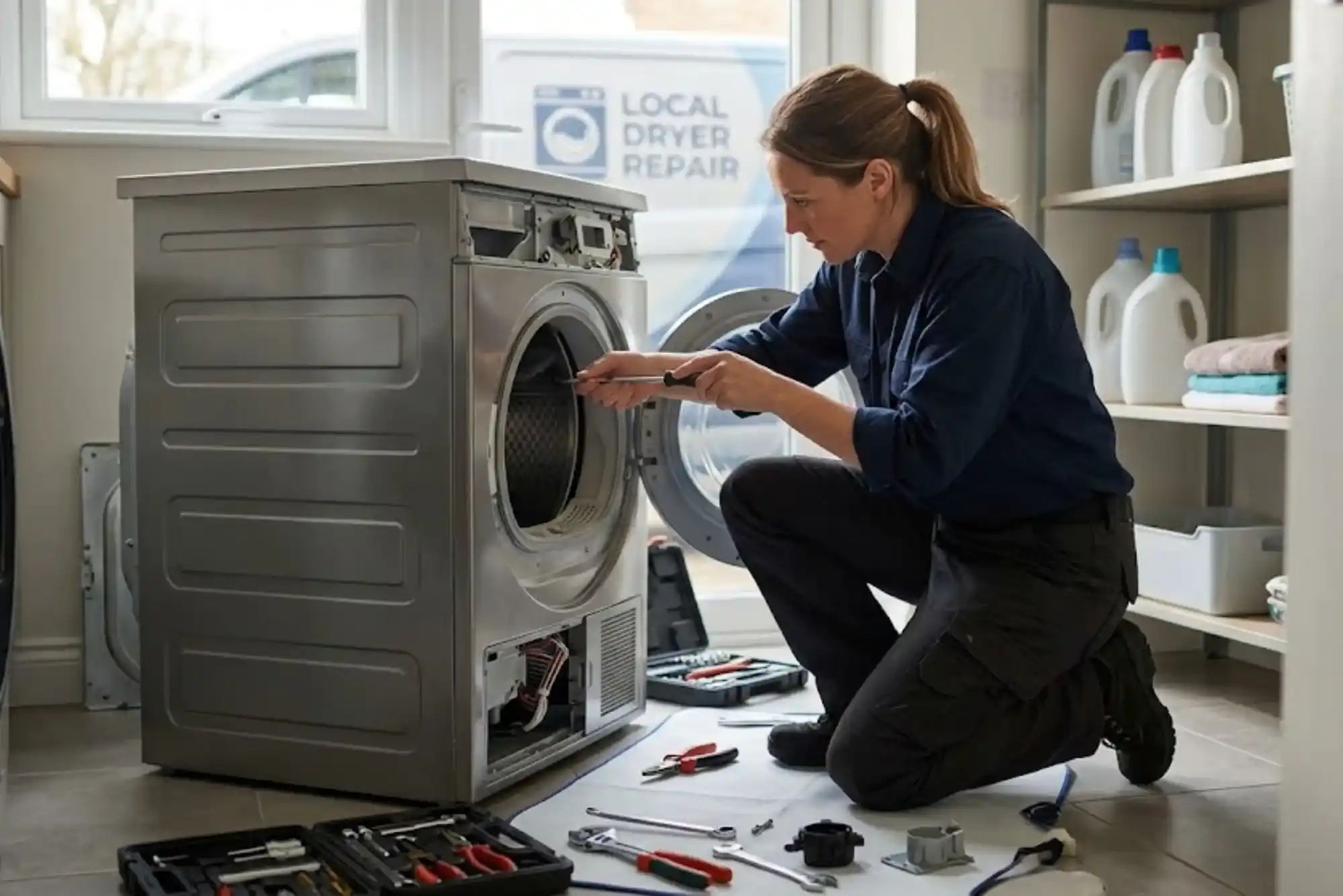
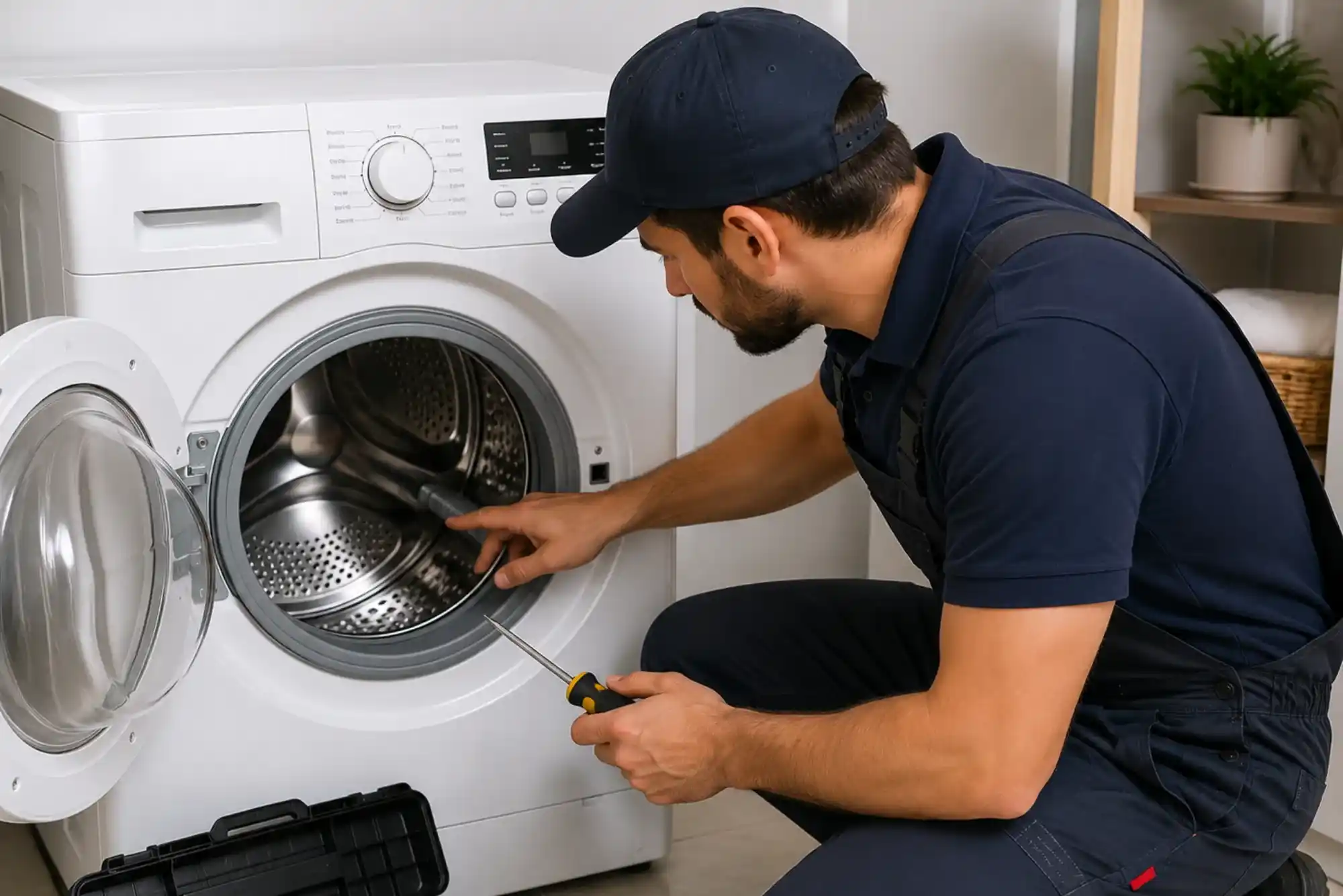
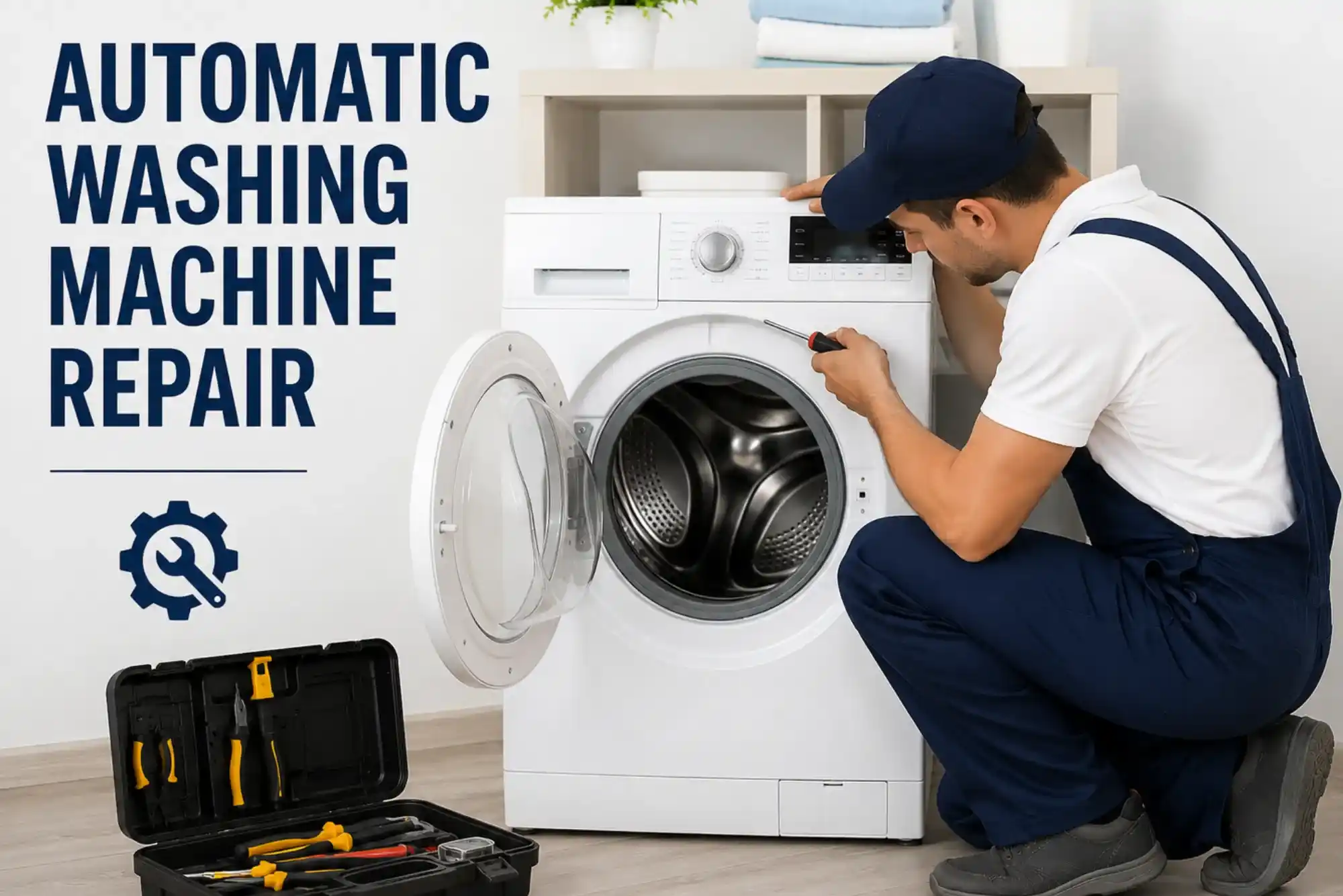
A washing machine service and repair home visit offers a convenient and efficient solution when your appliance starts showing signs of trouble. Instead of transporting a heavy machine to a workshop, qualified technicians can inspect, diagnose, and repair many common problems directly at your home. This approach saves time, reduces inconvenience, and helps restore your laundry routine with minimal disruption.
Modern washing machines contain complex electrical, mechanical, and electronic components. From drainage issues and spin cycle failures to electronic control faults, professional diagnosis is often the fastest way to identify the root cause. Home visit repair services have become increasingly popular because they provide practical solutions without requiring homeowners to move large appliances.
For households that depend on daily laundry cycles, timely servicing can prevent small faults from becoming expensive repairs. Understanding how home visit services work can help you make informed decisions when your washer starts acting up.
What Is a Washing Machine Service and Repair Home Visit?
A washing machine service and repair home visit is a professional appliance support service where a technician travels to the customer’s location to inspect, troubleshoot, maintain, or repair a washing machine. The technician arrives with diagnostic tools and commonly required replacement parts to resolve issues on-site whenever possible.
These services typically cover:
- Performance inspections
- Fault diagnosis
- Drainage and pump repairs
- Motor troubleshooting
- Control board assessments
- Door lock repairs
- Water leakage detection
- Preventive maintenance
- Replacement of worn components
Many homeowners choose professional washing machine repair services because they provide expert assistance without the hassle of transporting the appliance.

Common Washing Machine Problems Fixed During Home Visits
Most washing machine faults can be diagnosed and repaired during a single technician visit. The exact repair depends on the machine’s condition, age, and model.
| Problem | Possible Cause | Typical Home Visit Solution |
|---|---|---|
| Machine not starting | Power supply issue, faulty door lock, control board fault | Electrical testing and component replacement |
| Not draining water | Blocked pump, clogged filter, damaged drain hose | Cleaning or replacing affected parts |
| Excessive vibration | Worn shock absorbers, uneven installation | Adjustment and component replacement |
| Water leakage | Damaged seals, loose hoses, pump failure | Leak detection and repair |
| Door won’t open | Lock mechanism failure | Door lock diagnosis and repair |
| Low spin speed | Motor, belt, sensor, or control issue | Performance testing and repair |
| Error codes displayed | Electronic or mechanical malfunction | Diagnostic scanning and troubleshooting |
Many homeowners first notice performance issues such as reduced spinning efficiency. Understanding why a washing machine spin speed becomes low can help identify early warning signs before a complete breakdown occurs.
Signs Your Washing Machine Needs Professional Attention
Washing machines rarely fail without warning. Most appliances display symptoms that indicate the need for professional inspection.
- Unusual grinding, banging, or squealing noises
- Water remaining inside the drum after cycles
- Clothes coming out excessively wet
- Burning smells during operation
- Frequent error codes
- Water leaks around the appliance
- Door locking or unlocking issues
- Unexpected cycle interruptions
Ignoring these symptoms can increase wear on internal components and potentially lead to more expensive repairs later.
The Home Visit Repair Process
Professional home repair services follow a structured process designed to identify faults accurately and resolve them efficiently.
- Appointment scheduling and initial problem assessment.
- Technician arrival and visual inspection.
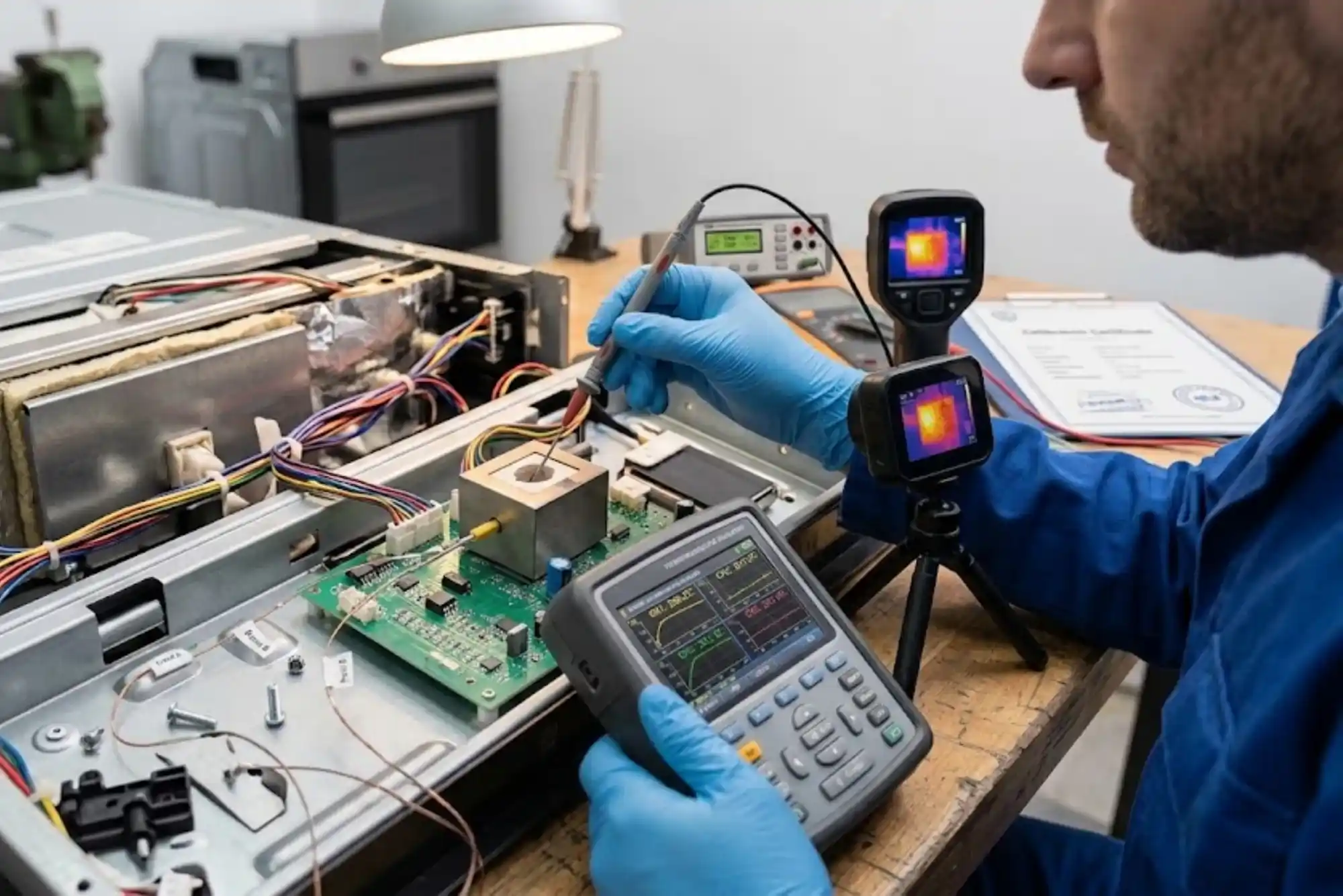
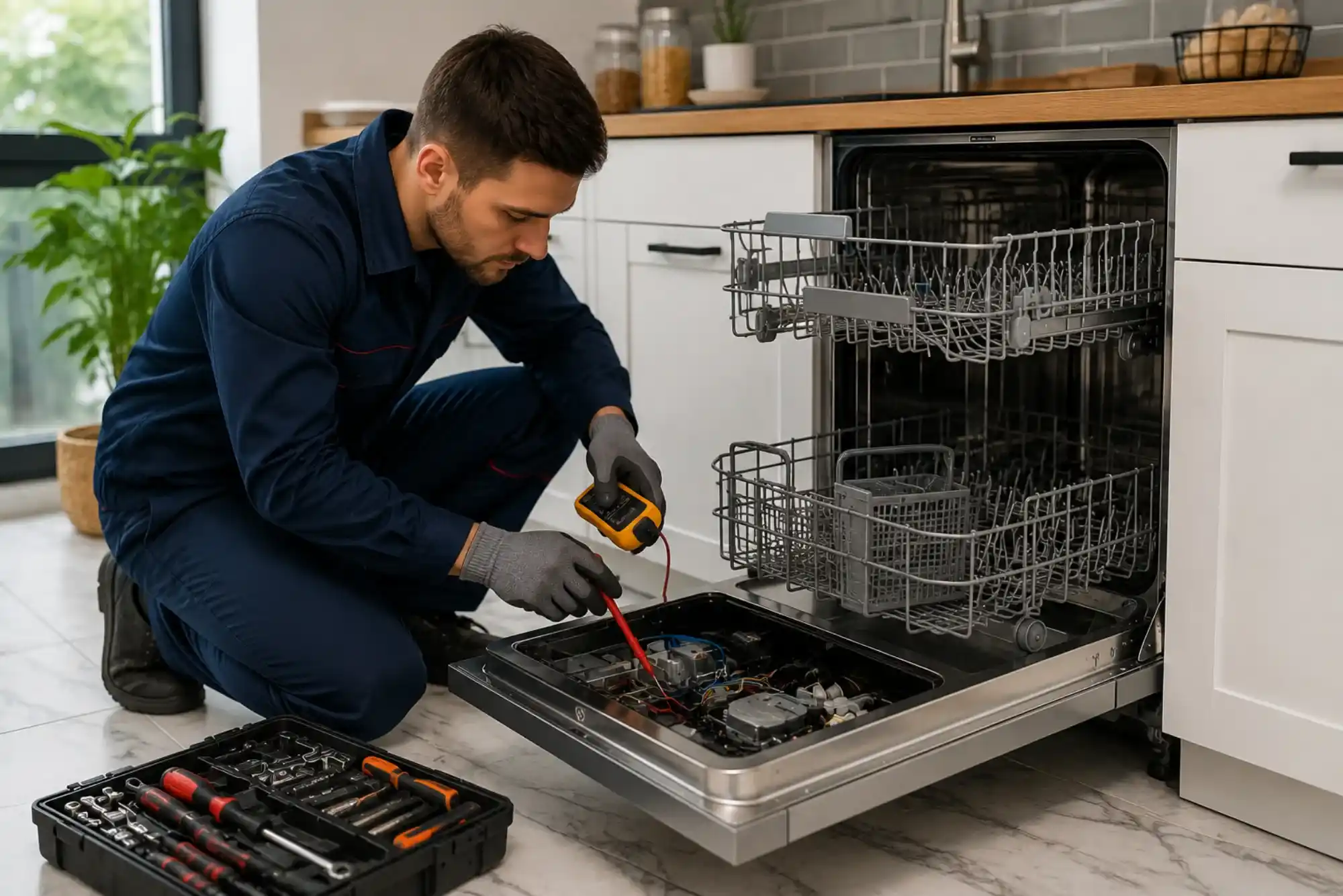
- Diagnostic testing of electrical and mechanical systems.
- Identification of faulty components.
- Explanation of repair recommendations.
- On-site repair when parts are available.
- Operational testing after repair.
- Maintenance recommendations for future performance.
This systematic approach ensures that both obvious and hidden faults are addressed during the visit.
Benefits of Choosing Home Visit Washing Machine Repairs
Home repair services offer several advantages compared to transporting appliances to service centers.
Convenience
The technician comes directly to your property, eliminating transportation challenges and scheduling complications.
Faster Diagnosis
Technicians can inspect the appliance in its actual operating environment, which often helps identify installation-related problems.
Reduced Downtime
Many repairs can be completed during the first visit, allowing households to resume normal laundry operations quickly.
Cost Efficiency
Home visits can eliminate transportation costs and reduce the risk of damage that may occur when moving large appliances.
Expert Troubleshooting
Professional technicians use specialized diagnostic equipment and follow manufacturer-recommended repair procedures.
Why Preventive Maintenance Is Just as Important as Repairs
Many washing machine failures result from gradual wear, poor maintenance, or environmental factors rather than sudden breakdowns. Regular inspections help identify potential issues before they become major problems.
Factors such as mineral buildup, detergent residue, clogged filters, and hard water can gradually affect machine performance. The impact is particularly noticeable in regions where water hardness is high. Learning about the impact of hard water on washing machines can help homeowners understand why routine maintenance matters.
Preventive maintenance commonly includes:
- Cleaning filters and drainage systems
- Inspecting hoses and connections
- Checking drum alignment
- Testing electrical components
- Evaluating motor performance
- Inspecting door seals
- Verifying water inlet functionality
Repair or Replace: How to Make the Right Decision
One of the most common questions homeowners ask is whether repairing an older washing machine makes sense. The answer depends on several factors.
| Factor | Repair May Be Better | Replacement May Be Better |
|---|---|---|
| Machine Age | Less than 8 years old | More than 10 years old |
| Repair Frequency | Rare breakdowns | Repeated major repairs |
| Component Failure | Minor mechanical issues | Major structural damage |
| Energy Efficiency | Still operating efficiently | Significantly outdated model |
| Parts Availability | Parts readily available | Parts difficult to source |
A qualified technician can evaluate the appliance and recommend the most practical option based on its overall condition.
Common Causes of Washing Machine Breakdowns
Understanding why washing machines fail helps homeowners take preventive measures.
Some of the most common causes include:
- Overloading the drum
- Using excessive detergent
- Blocked drainage systems
- Worn bearings and seals
- Faulty water inlet valves
- Electrical surges
- Poor installation practices
- Neglected maintenance schedules
For more advanced troubleshooting, homeowners can explore resources on washing machine inverter board troubleshooting, which explains how modern electronic systems affect appliance performance.
What to Do Before the Technician Arrives
Preparing for a home service visit can help speed up diagnosis and repair.
- Clear access around the washing machine.
- Remove laundry from the drum.
- Make note of any displayed error codes.
- Record unusual sounds or behaviors.
- Keep purchase and warranty information available.
- Explain when the problem first appeared.
Providing accurate information allows technicians to diagnose faults more efficiently and arrive better prepared.
Choosing a Reliable Washing Machine Repair Provider
Not all repair services offer the same level of expertise. Homeowners should look for providers with experience, transparent communication, and support for multiple appliance brands.
Key qualities to consider include:
- Qualified technicians
- Experience with various washing machine brands
- Clear service explanations
- Availability of genuine replacement parts
- Professional diagnostic procedures
- Positive customer reputation
Additional appliance care resources and maintenance insights can be found through industry publications and technical references such as [Insert relevant reference link here].
How Regular Service Extends Appliance Lifespan
A washing machine is one of the most heavily used appliances in a home. Regular inspections and timely repairs can significantly improve reliability and longevity.
Professional servicing helps maintain proper water flow, efficient spinning, balanced drum movement, and stable electrical operation. Small issues detected early often cost less to fix than major failures involving motors, drums, or electronic control systems.
Many homeowners also benefit from scheduling periodic inspections similar to a comprehensive washing machine full inspection, which can uncover hidden issues before they affect daily operation.
Frequently Asked Questions
How long does a washing machine home repair visit usually take?
Most diagnostic and minor repair visits take between one and two hours. Complex repairs may require additional time or a follow-up visit if specialized parts are needed.
Can most washing machine problems be fixed at home?
Yes. Many issues involving pumps, door locks, hoses, sensors, motors, and control systems can be repaired during a home visit without moving the appliance.
Is preventive maintenance really necessary?
Regular maintenance helps identify wear and tear before major failures occur, improving performance and extending the machine’s lifespan.
What information should I provide when booking a repair?
Provide the appliance brand, model number, symptoms, error codes, and a brief description of when the problem started.
When should I call a professional instead of attempting DIY repairs?
Professional assistance is recommended whenever electrical components, motors, water leaks, electronic control boards, or safety-related issues are involved.
Conclusion
A washing machine service and repair home visit provides a practical, efficient, and cost-effective way to keep one of the home’s most important appliances operating reliably. From diagnosing drainage issues and spin cycle failures to performing preventive maintenance and replacing worn components, professional technicians can resolve many problems directly on-site. By addressing faults early and scheduling routine inspections, homeowners can reduce unexpected breakdowns, extend appliance lifespan, and maintain consistent washing performance throughout the year.
Related Reading: Home Dishwasher Repair Service
Related Reading: AC Home Cooling Repair Service
Related Reading: Home Washing Machine Repair Service
Related Reading: AC Bad Odor from Vents
Related Reading: Azerbaijan Visit Visa Requirement for Pakistani Travelers
Related Reading: Same Day Washing Machine Repair Service