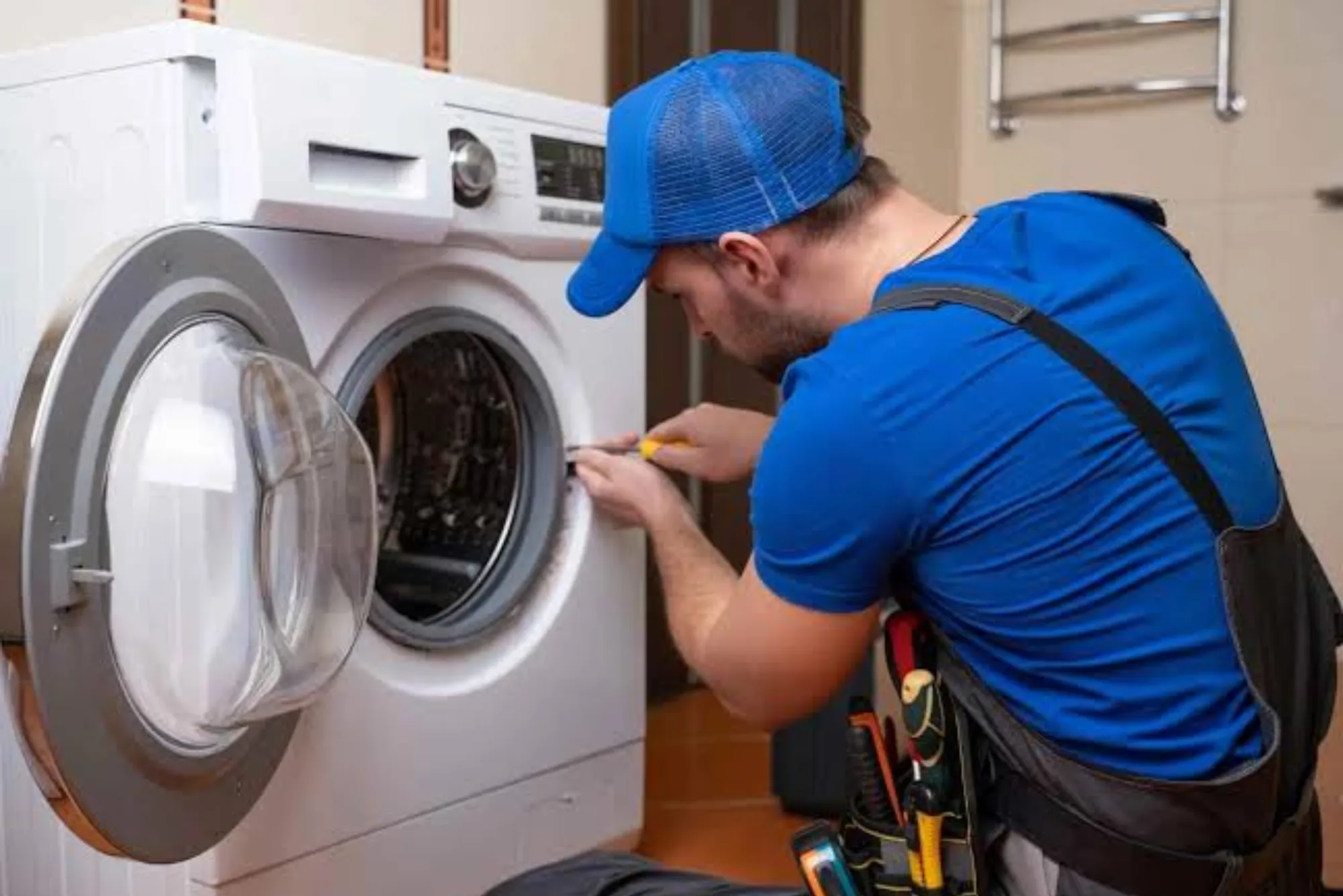
A washing machine is a modern necessity that saves both time and effort, ensuring clothes are cleaned and ready for use without the tedious work of hand washing. However, when the machine’s spin speed drops unexpectedly, it can lead to damp clothes, extended drying times, and growing frustration. Understanding why your washing machine’s spin speed is low is the first step toward fixing the problem and restoring your appliance’s performance.
While a reduction in spin speed may seem like a simple inconvenience, it often signals an underlying issue that requires technical attention. Washing machines operate on a combination of mechanical and electronic systems, and any imbalance in these can affect performance. Whether it’s related to load distribution, component wear, or electrical control, identifying the root cause is essential for proper repair and long-term reliability.
Understanding How the Spin Cycle Works
The spin cycle of a washing machine removes excess water from clothes after washing and rinsing. It does this by rotating the drum at high speeds, using centrifugal force to extract water through the holes in the drum’s surface. The water is then pumped out through the drain system.
For this process to work effectively, several components must function in harmony. The motor, belt, bearings, and control system all contribute to maintaining a consistent spin speed. When any of these elements fail or become imbalanced, the machine automatically reduces its spin power to protect itself. This self-regulation ensures safety but also leads to noticeable performance drops.
Common Causes of Low Spin Speed
When your washing machine begins spinning slower than usual, multiple factors may be at play. In some cases, the load inside the drum is uneven. An imbalanced load can cause the washer to detect instability and reduce speed to prevent damage. In other instances, the issue may stem from a worn-out drive belt that slips during operation.
A weak motor or failing control board may also cause a slow spin cycle, especially in modern electronic models that rely on precise signals to regulate speed. If the washer’s drain system is clogged, excess water inside the drum can create resistance, preventing it from spinning freely. These internal malfunctions require professional attention because diagnosing them involves both electrical and mechanical testing.

The Role of the Motor in Spin Speed
The motor is the powerhouse of your washing machine. It drives the drum rotation, and its efficiency directly determines how fast the spin cycle operates. Over time, continuous use causes wear in the motor’s brushes or internal coils. As these parts degrade, the motor loses torque, reducing the machine’s ability to reach optimal spin speeds.
Some advanced washers feature inverter motors that use electronic control for variable speeds. When these control modules fail or encounter sensor errors, they automatically limit the motor’s output to avoid overheating. Regular maintenance and early detection are crucial for preventing these issues from becoming severe.
How Load Distribution Affects Spinning
One of the simplest yet most common reasons for low spin speed is an imbalanced load. When heavy items such as blankets or towels bunch together on one side of the drum, they create uneven weight distribution. The washing machine detects this imbalance through internal sensors and automatically slows the spin cycle to protect the suspension system from damage.
This safety feature, while beneficial, often frustrates users who notice their clothes coming out excessively wet. To avoid this, it’s important to distribute laundry evenly inside the drum and avoid overloading. Over time, consistent misuse can strain internal parts, leading to more serious mechanical failures.
Electrical and Sensor-Related Problems
Modern washing machines rely heavily on sensors to determine load weight, water level, and drum speed. If any of these sensors malfunction, the machine receives incorrect data, causing it to misjudge the appropriate spin speed. Similarly, problems in the control board, which acts as the machine’s brain, can result in erratic spinning or premature cycle stops.
Faulty wiring or damaged connectors can also interfere with signals between the motor and control board. These issues often require professional testing and replacement, as incorrect handling can cause electrical hazards or void warranties. Timely repair by skilled technicians ensures that these problems are resolved safely and effectively.
The Impact of Blocked Drainage Systems
A slow or incomplete drain cycle can directly affect the spin cycle. When water is not pumped out efficiently, it creates resistance inside the drum, preventing it from reaching higher speeds. Over time, lint, detergent residue, or foreign objects can clog the drainage hose or pump filter.
While minor clogs can sometimes be cleared manually, repeated blockages or pump failure require professional servicing. Ignoring drainage issues not only reduces spin speed but can also lead to foul odors and long-term mechanical strain on the washer’s motor and suspension system.
Bearing and Suspension Problems
The bearings in your washing machine allow the drum to rotate smoothly. When these bearings wear out, friction increases, reducing spin efficiency. You may hear grinding noises or notice vibration during the spin cycle — both signs that the bearings need attention.
Similarly, the suspension system, which supports the drum and absorbs movement, plays a major role in maintaining stability. If it weakens, the machine may struggle to reach full spin speed without shaking excessively. These mechanical components should be inspected and replaced by experienced technicians to restore smooth operation.
The Role of Regular Maintenance
Like any appliance, washing machines benefit from routine maintenance. Regular cleaning of filters, checking hoses for blockages, and inspecting belts for wear can significantly reduce the risk of performance loss. Maintenance also involves checking electrical components for corrosion or loose connections, which are often overlooked but can drastically affect spin speed.
Professional servicing every six to twelve months helps identify potential issues early, preventing sudden breakdowns. Many homeowners underestimate the importance of maintenance until the washer stops performing efficiently. Investing in periodic service not only ensures longevity but also improves overall wash quality.
The Cost of Ignoring Low Spin Speed
Many users ignore low spin speeds, assuming it’s a temporary issue. However, this neglect often leads to higher repair costs in the future. When the machine struggles to spin efficiently, the motor works harder, consuming more electricity and wearing out faster. Moisture left in clothes also means longer drying times, leading to increased energy use in dryers or manual drying.
Prolonged strain on mechanical parts such as bearings, belts, and suspension springs can result in complete failure, requiring costly replacements. Addressing performance drops early saves money and extends the machine’s lifespan.
When to Seek Professional Help
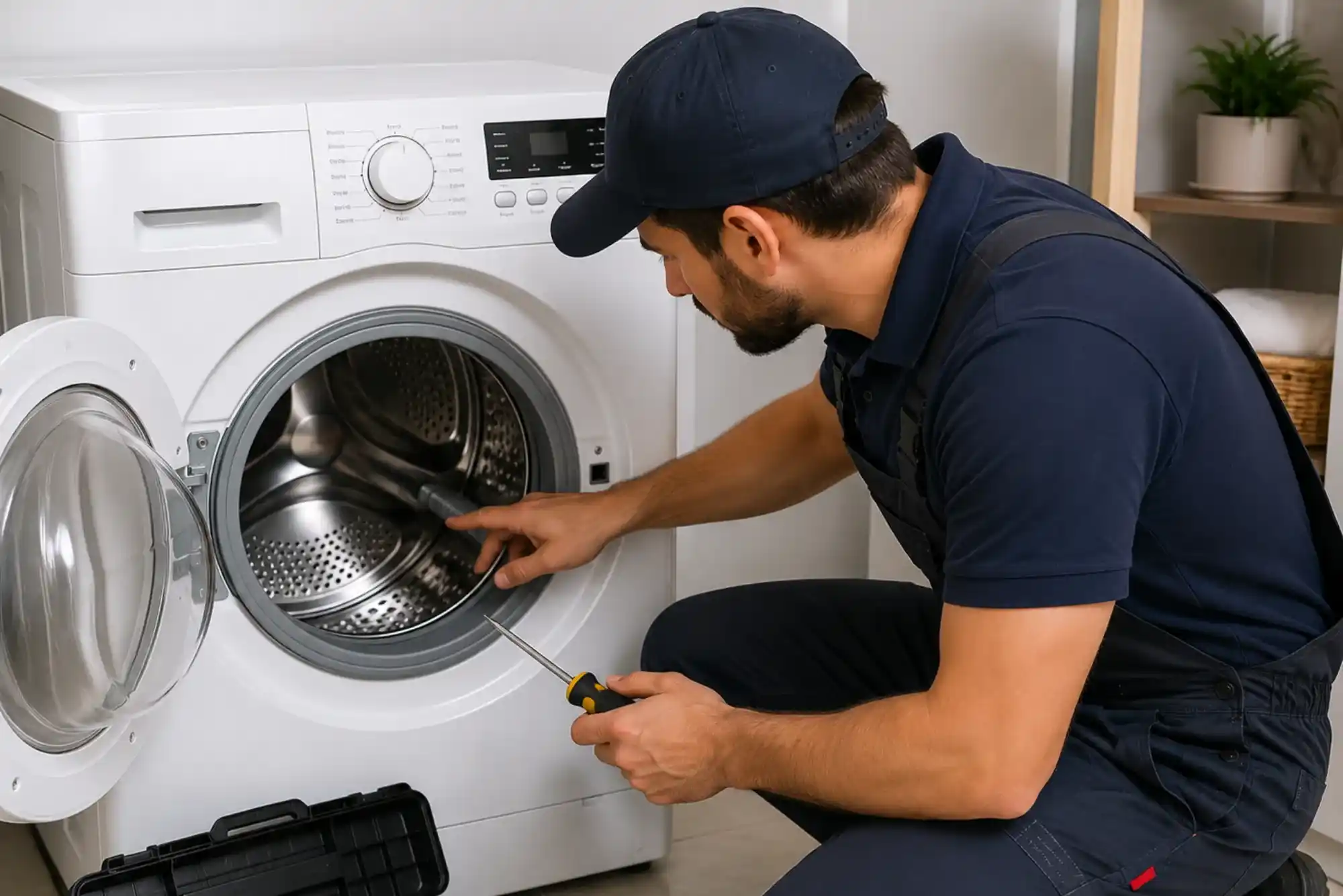
While some spin speed issues may have simple causes, such as unbalanced loads, others require technical intervention. If you notice consistent slow spinning, unusual noises, or error codes, it’s time to call a professional. Trained technicians can identify whether the issue lies with the motor, sensors, or internal wiring.
Attempting to fix complex problems without the right tools or expertise can cause further damage or safety hazards. Professional service ensures the repair is done correctly, restoring the washing machine’s spin efficiency and preventing recurring issues.
How Professionals Diagnose and Fix the Issue
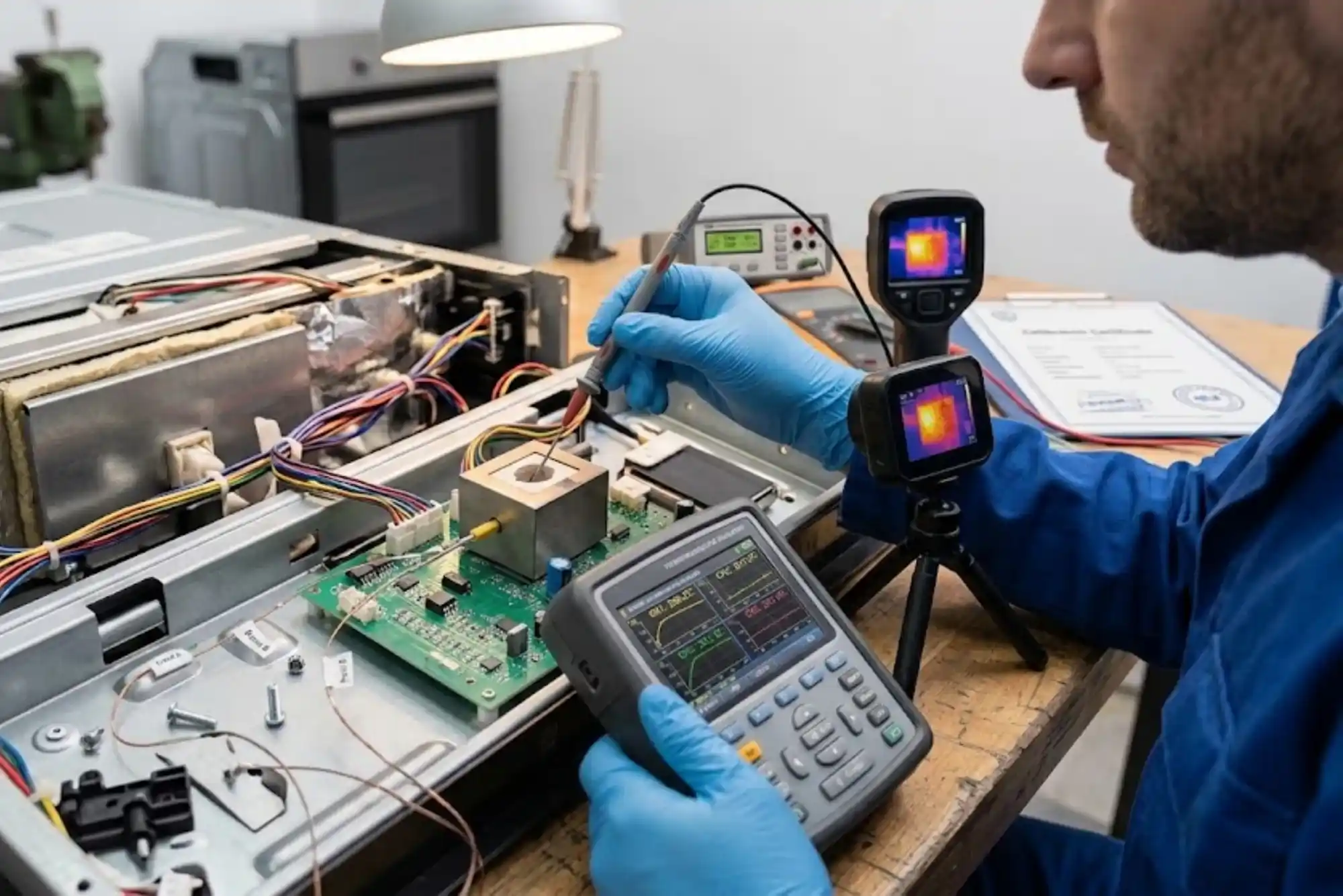
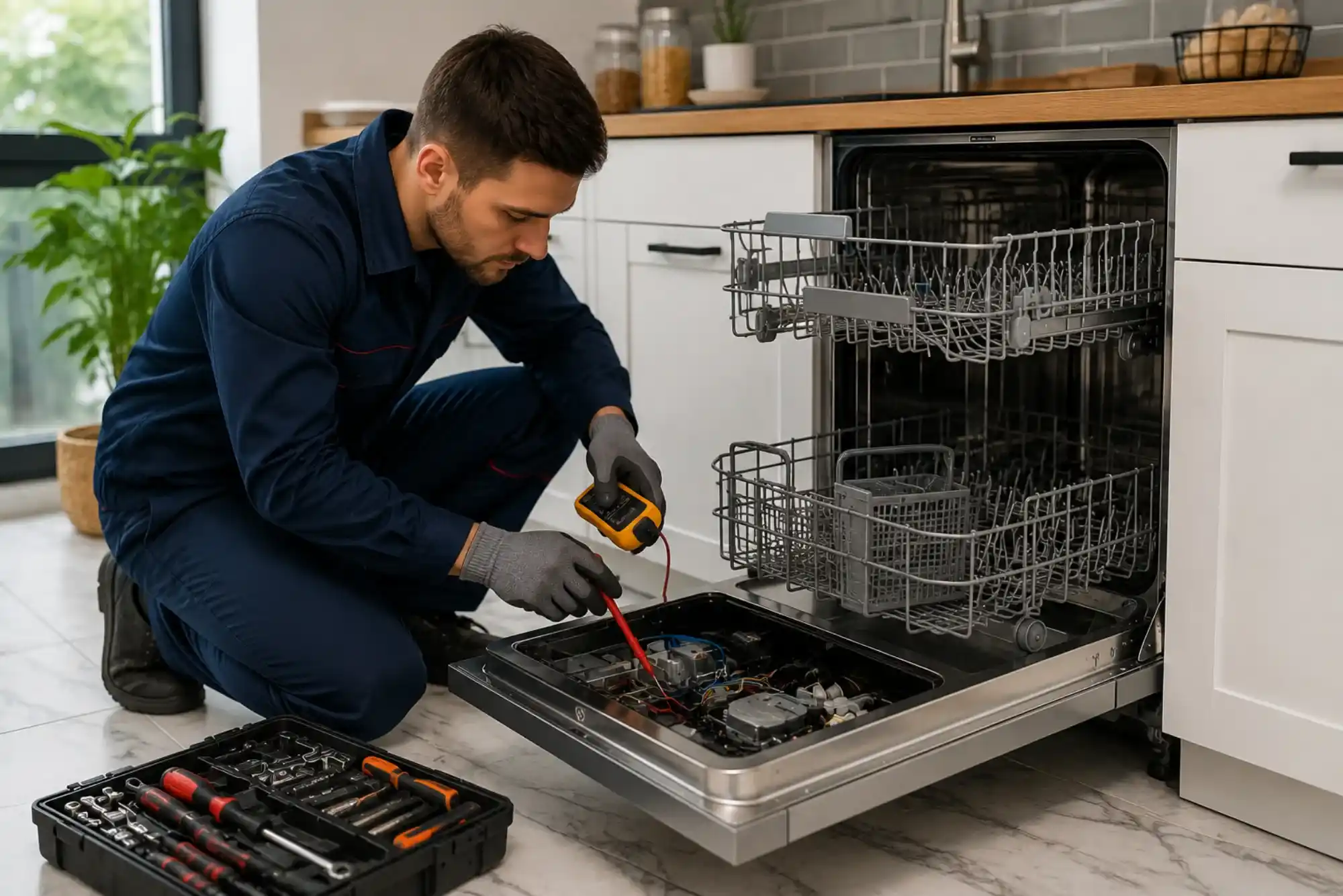
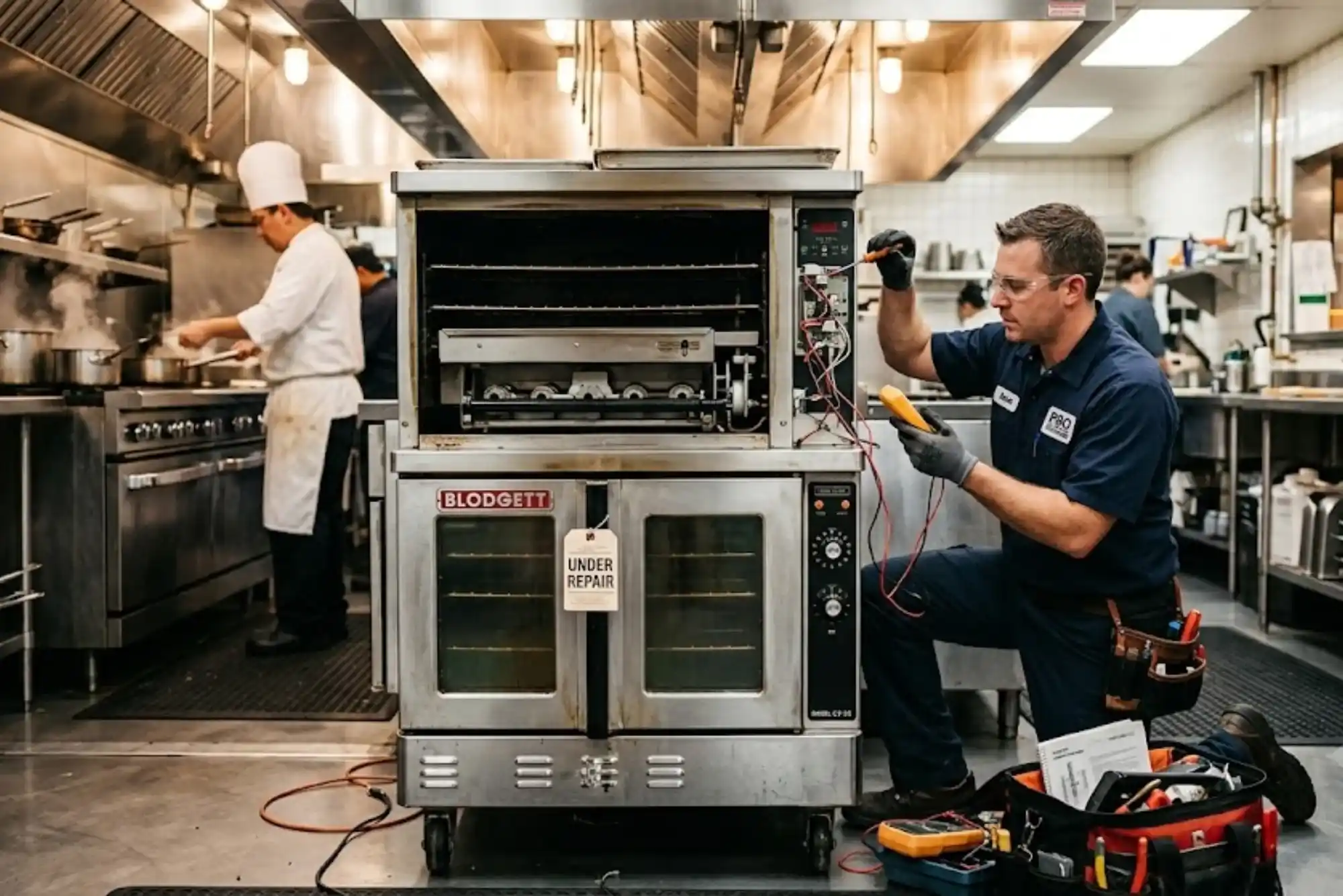
When a washing machine exhibits low spin speed, professional repair technicians follow a systematic diagnostic process. They begin by checking basic functions like drainage, load balance, and drum movement. Next, they test electrical components using specialized tools to measure voltage, resistance, and continuity.
Once the source of the problem is identified—be it the motor, control board, or mechanical wear—they perform precise repairs or replacements. After servicing, they run complete test cycles to ensure that the spin speed and performance are fully restored. This thorough process ensures reliability and safety, which DIY solutions often fail to guarantee.
Extending the Lifespan of Your Washing Machine
A washing machine that maintains proper spin speed not only cleans better but also lasts longer. Regular maintenance, correct loading habits, and timely repairs are the foundation of long-term performance. Avoiding overloading, using the right detergent, and ensuring balanced spins protect the machine’s internal systems.
It’s also advisable to run cleaning cycles periodically to remove detergent buildup that can interfere with sensors and drain pumps. Keeping the machine in a well-ventilated area helps prevent moisture-related corrosion on electrical components. Taking these precautions ensures consistent results and prevents sudden breakdowns.
Restoring Efficiency Through Awareness and Care
A low spin speed in your washing machine may seem minor, but it’s often a signal that something within the appliance needs attention. Whether the issue arises from motor fatigue, imbalance, sensor malfunction, or poor drainage, identifying and addressing it early can make a significant difference in both performance and longevity.
Modern washing machines are intricate devices designed for efficiency and safety. Ignoring symptoms or attempting unqualified repairs can cause more harm than good. Professional inspection and timely intervention ensure the machine continues to deliver the fast, effective spin cycles that define its value.
Ultimately, maintaining your washing machine is not just about preserving convenience; it’s about ensuring that your daily routines remain uninterrupted and your clothes are cared for properly. A little attention today can prevent major issues tomorrow, keeping your appliance in perfect condition for years of dependable service.