A washing machine is one of the most hardworking appliances in any home. It runs several times a week, handling loads of laundry that include dirt, lint, fabric fibers, and even small debris. Over time, all these elements accumulate inside the filter traps of the washing machine. The filter is a small yet vital component designed to capture unwanted particles before they enter the drain system. However, when the filter becomes clogged or dirty, it can significantly affect the performance of the entire appliance.
Cleaning the washing machine filter traps is one of the simplest but most crucial maintenance steps that homeowners can perform. It ensures efficient operation, reduces the risk of drainage problems, and prevents unpleasant odors that can develop over time. Understanding how to clean and maintain the filter properly helps extend the life of the washing machine and ensures it continues to perform at its best.
Understanding the Role of Washing Machine Filters
To appreciate the importance of cleaning filter traps, it helps to understand what they do. Washing machine filters are designed to collect lint, threads, coins, buttons, and other small debris that come off clothes during washing. Without these filters, the waste would flow directly into the drainage system, leading to blockages or pump damage.
In front-loading machines, the filter is often located near the bottom front panel, while in top-loading machines, it may be found inside the agitator or near the water pump. The exact position and structure depend on the brand and model, but the purpose remains the same — to protect the washer’s internal components and maintain efficient water flow.
When filters become clogged, the machine has to work harder to drain water. This additional strain can lead to longer washing times, poor rinsing, or even error codes signaling drainage failure. A clean filter ensures smooth operation and helps prevent costly breakdowns.
Signs That Your Washing Machine Filter Needs Cleaning
Many homeowners are unaware that their washing machine filter traps require regular cleaning until they encounter a problem. A washing machine with a clogged filter will often show clear signs of distress. You may notice that the clothes come out still soapy, the washer drains slowly, or water remains at the bottom of the drum after a cycle.

Sometimes, you might hear unusual noises during the spin or drain cycle caused by trapped objects restricting water flow. In other cases, a persistent bad odor may indicate that lint and residue have built up in the filter, providing an ideal environment for bacteria and mold growth. Recognizing these symptoms early and cleaning the filter promptly prevents more serious issues from developing.
Why Cleaning the Filter Is Essential for Performance
The efficiency of a washing machine depends on the free circulation of water through its system. A clogged filter interrupts that process, forcing the pump and motor to work harder than necessary. This not only increases energy consumption but also reduces the machine’s lifespan.
Regular cleaning of the filter ensures that water drains properly, detergent residues are flushed out completely, and clothes are washed more effectively. It also minimizes wear on the internal components, helping the appliance maintain consistent performance over time. Neglecting this simple maintenance task can eventually lead to the need for professional repairs or even replacement parts.
How Filter Blockage Impacts Water Drainage
The drainage system in a washing machine works by pumping used water out after each wash or rinse cycle. If the filter is blocked, the water has nowhere to go, leading to stagnant water in the drum. Over time, this trapped water becomes a breeding ground for bacteria and mold, causing unpleasant smells.
Blocked filters can also prevent sensors from detecting water levels correctly, resulting in cycles that stop midway or fail to drain. These symptoms can sometimes mimic more serious technical faults, which is why cleaning the filter should always be one of the first maintenance steps when diagnosing performance issues.
The Process of Cleaning Washing Machine Filter Traps
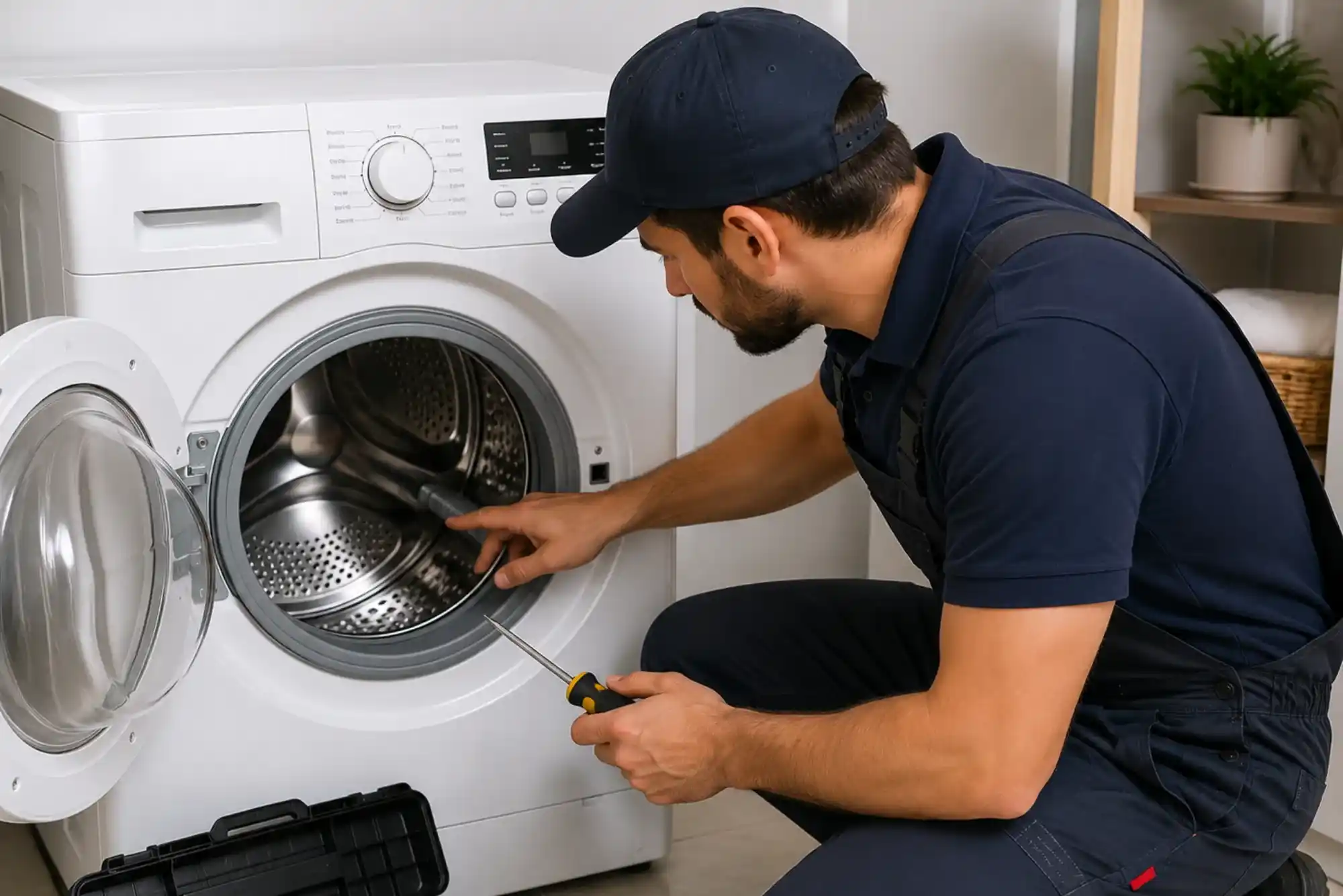
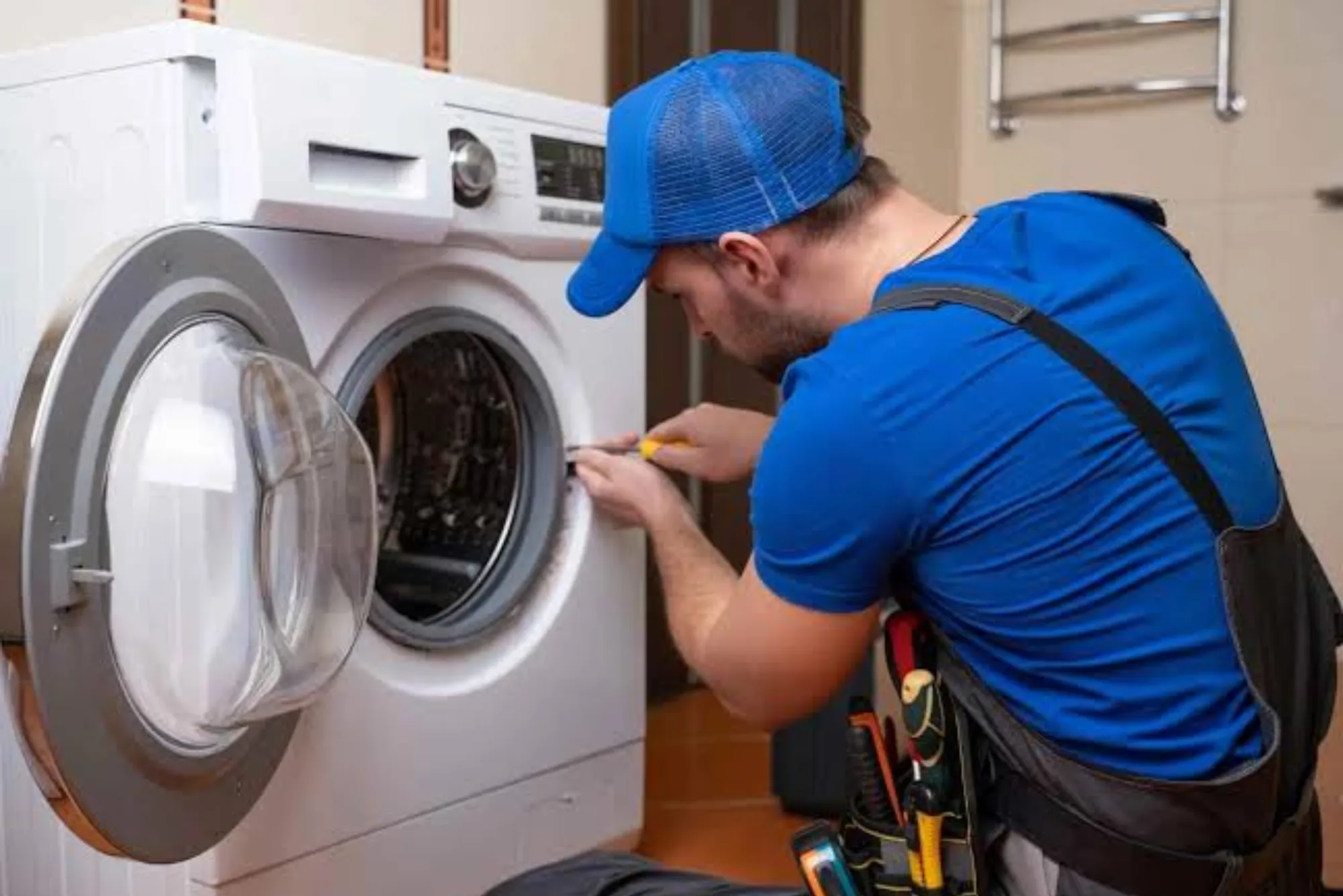
While the cleaning process varies slightly between brands, the general approach remains similar. It begins by turning off the machine and unplugging it for safety. Locating the filter is the next step. In most front-load washers, it is behind a small door or panel at the bottom front of the machine. Once the filter is located, it can be carefully removed by twisting or pulling it out according to the manufacturer’s instructions.
When removed, the filter will usually have lint, small debris, or even objects like hairpins and coins trapped in it. Rinsing it under warm running water helps remove residues. For stubborn buildup, a soft brush or old toothbrush can be used gently to dislodge dirt. After cleaning, the filter should be checked for damage before reinserting it securely back into position.
Once the filter is reinstalled, running a short rinse or drain cycle without laundry helps flush out any remaining debris in the system. Performing this cleaning process every few weeks keeps the washing machine in peak condition and prevents unexpected drainage issues.
Safety Considerations During Cleaning
Safety is a critical aspect of cleaning washing machine filter traps. Because the filter area may contain residual water, always ensure the machine is unplugged before starting. It is also advisable to place a towel or shallow tray beneath the filter opening to catch any water that spills during removal.
Avoid using sharp tools or metal objects to clean the filter, as these can damage delicate components. If the filter appears damaged or cracked, it should be replaced immediately to maintain proper filtration. Following these precautions ensures a safe and effective cleaning process.
How Often Should You Clean the Filter?
The frequency of cleaning depends on how often you use your washing machine and the types of fabrics you wash. For a household that runs several loads per week, cleaning the filter once every three to four weeks is recommended. If the washer is used less frequently, cleaning it once every two months may suffice.
Homes with pets or heavy fabric loads, such as towels and blankets, should clean their filters more often because lint and pet hair accumulate faster. Regular maintenance ensures that performance remains consistent and that unexpected drainage problems are avoided.
The Link Between Filter Maintenance and Appliance Longevity
Cleaning filter traps is not just about immediate performance—it directly affects the long-term durability of the washing machine. When filters are kept clean, pumps and motors do not have to work under pressure, reducing mechanical strain. This lowers the risk of overheating and extends the life of internal components.
A well-maintained washing machine consumes less energy and requires fewer repairs over its lifetime. Keeping the filter clean is a simple yet powerful step toward protecting your investment and ensuring dependable operation for years.
Professional Maintenance and Inspection
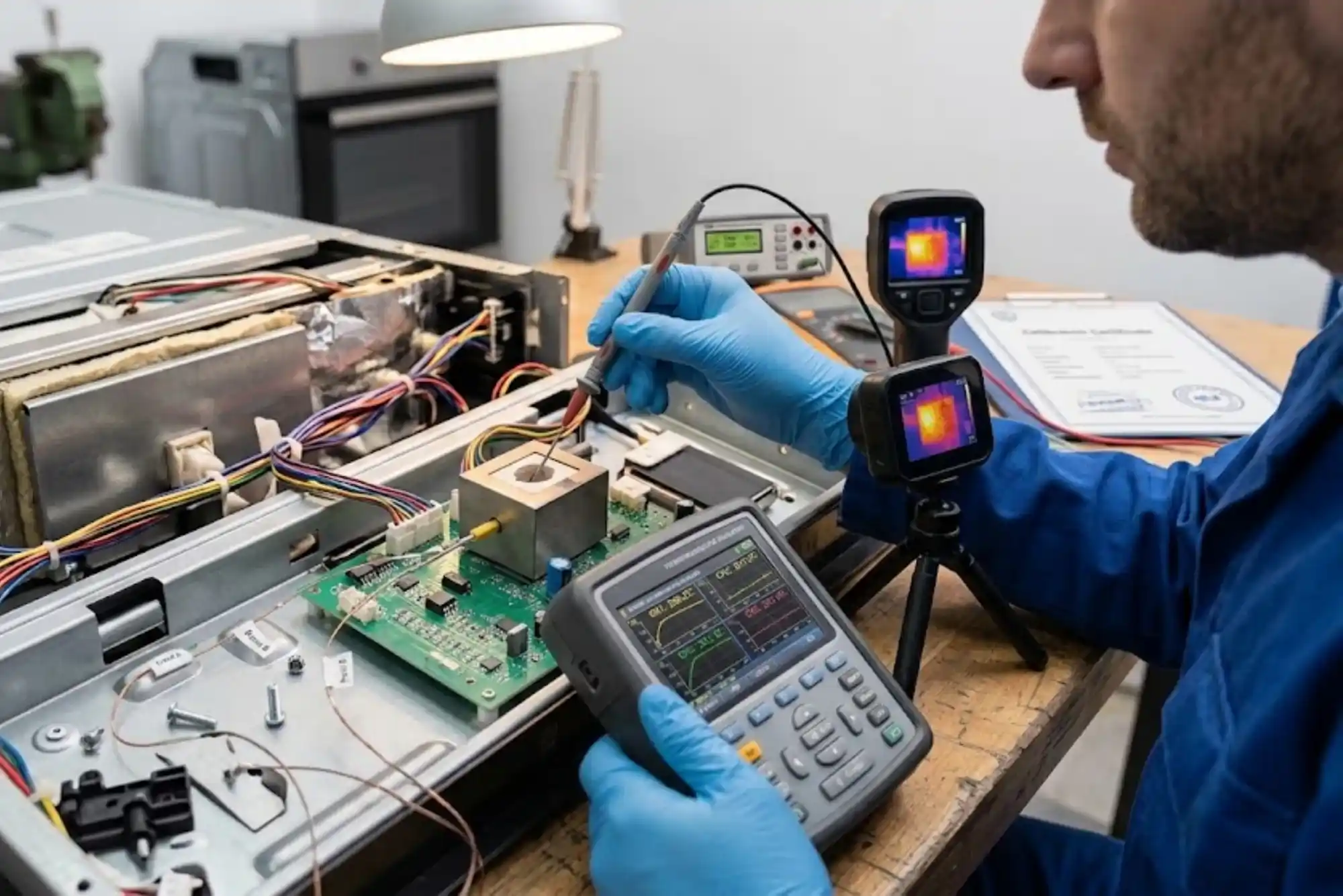
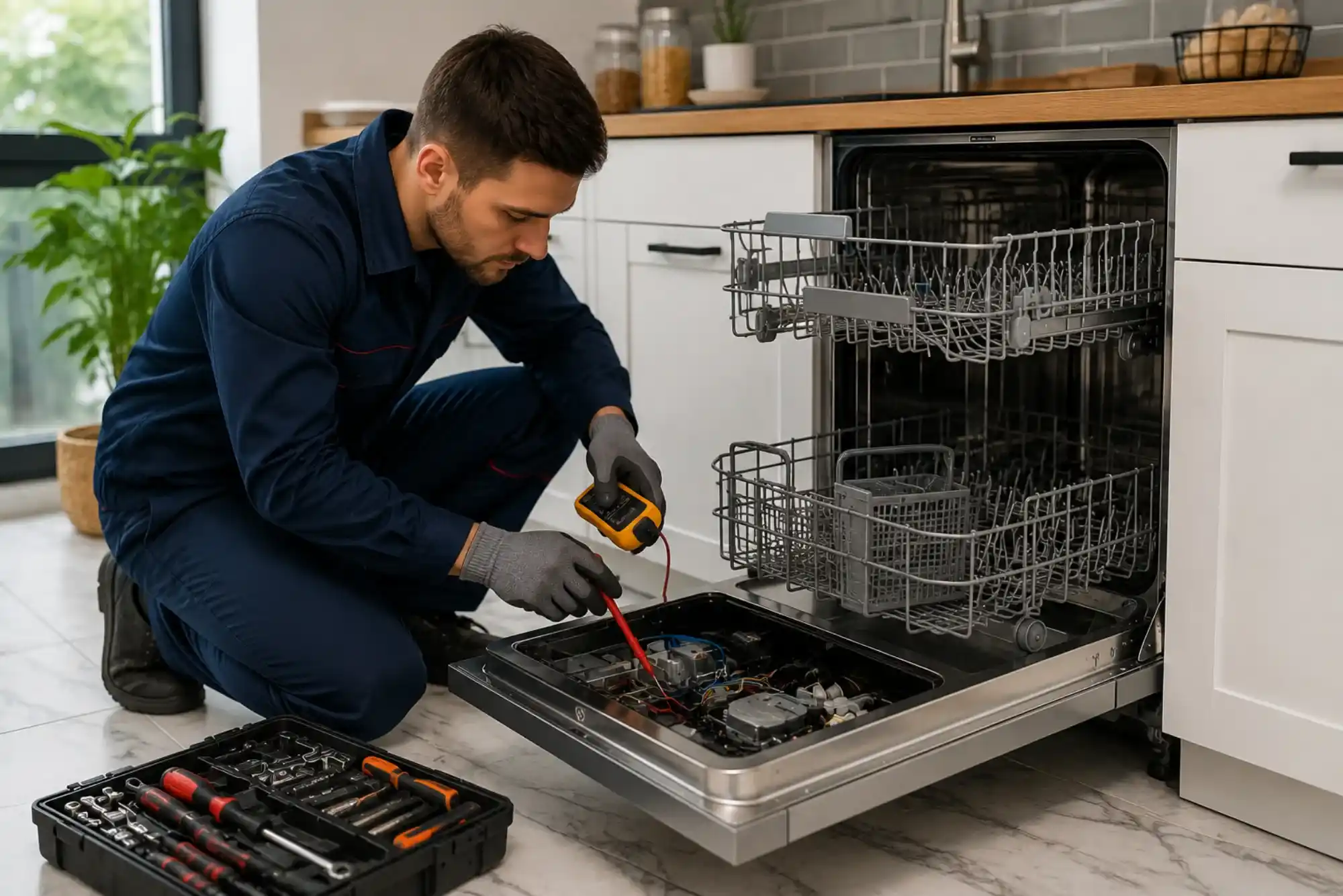
While homeowners can clean washing machine filter traps themselves, professional maintenance remains important for complete care. Technicians can check other internal components such as hoses, pumps, and seals to ensure the appliance is functioning at its best. Professional inspections can also detect minor leaks or wear that may go unnoticed until a serious problem occurs.
Periodic servicing from an appliance repair expert ensures that filters, drain systems, and mechanical parts are in perfect condition. This not only enhances washing performance but also gives homeowners confidence in the reliability of their machines.
Preventing Future Blockages
After cleaning, preventive care helps avoid rapid reaccumulation of debris in the filter. Shaking out heavily soiled clothes before washing, emptying pockets, and using the correct detergent for your machine type all reduce the strain on the filter. Running a monthly maintenance wash with hot water and a bit of white vinegar or baking soda can also help dissolve detergent residues and keep the interior clean.
These simple practices minimize lint and buildup, keeping the water flow unobstructed and maintaining optimal performance between professional services.
Why Regular Filter Cleaning Reflects Good Appliance Care
Owning a washing machine is an investment in comfort and convenience. Like any sophisticated appliance, it requires periodic attention to operate efficiently. Regular filter cleaning is a reflection of good appliance care and demonstrates a commitment to both hygiene and sustainability. A clean filter allows the machine to use less water and energy while providing better cleaning results.
By dedicating just a few minutes every month to maintenance, homeowners can save time, reduce repair costs, and avoid premature appliance replacement. This small act of care has a big impact on performance and overall satisfaction.
Maintaining Clean Filters for Long-Term Efficiency
Cleaning washing machine filter traps is one of the simplest yet most important maintenance tasks any homeowner can perform. It keeps water flowing freely, protects essential components, and prevents unpleasant odors and drainage issues. Regular cleaning ensures your appliance remains efficient, hygienic, and reliable for years to come.
A clean filter is a clean start for every wash cycle. By taking time to understand the purpose of the filter, recognizing warning signs, and maintaining it regularly, you ensure that your washing machine continues to perform like new. Ultimately, caring for this small but vital part of the appliance ensures smoother operation, lower energy costs, and greater peace of mind every time you press the start button.