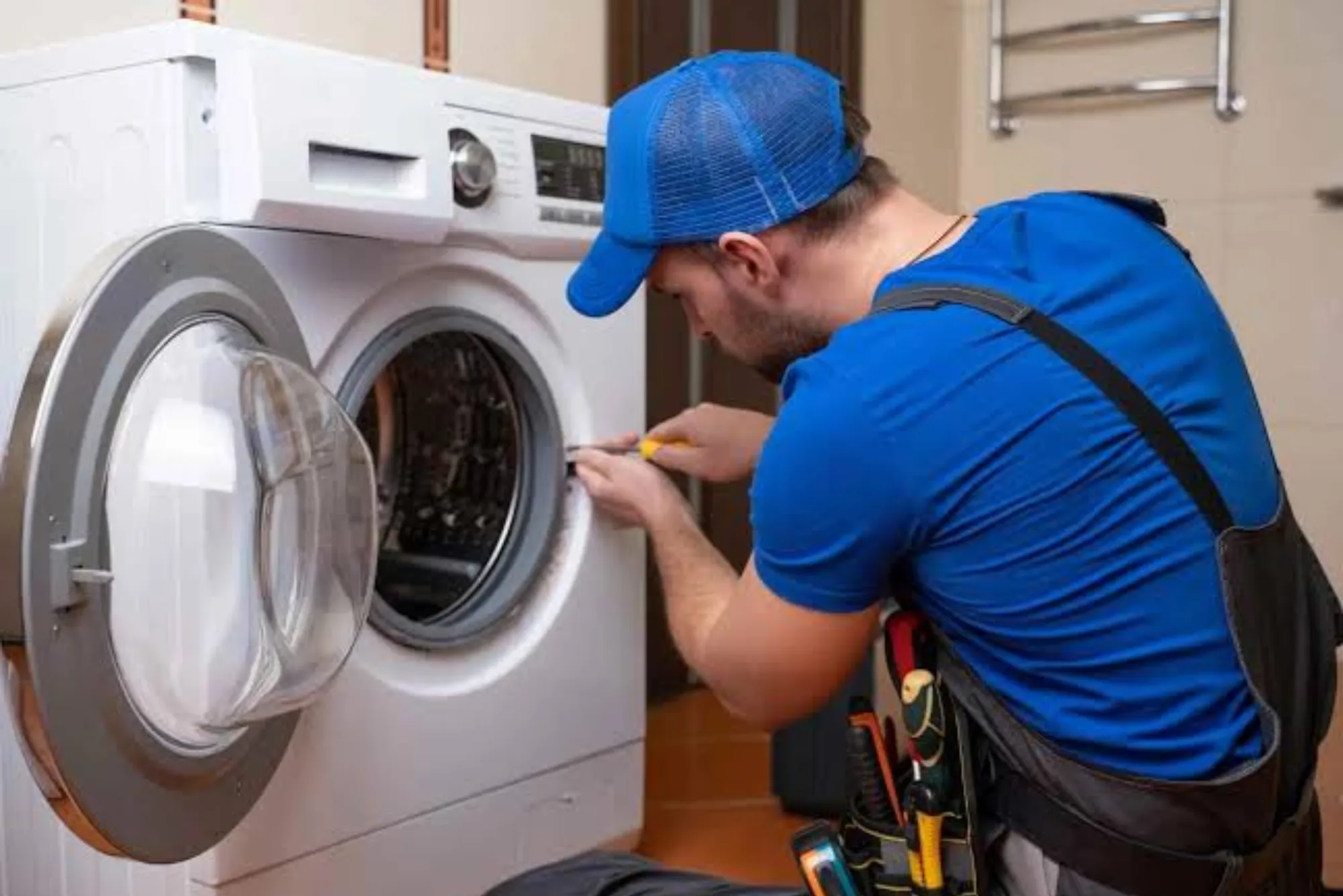
A dishwasher is one of the most useful appliances in any home, taking care of the tedious task of washing dishes and ensuring that every plate, cup, and utensil comes out sparkling clean. However, while most people regularly wipe down the interior of their dishwasher or run a cleaning cycle, one area often overlooked is the rubber seals and gaskets that line the door. These seals may not seem important at first glance, but they play a crucial role in keeping water inside the appliance during operation and preventing leaks. Over time, though, they can trap food particles, soap scum, and moisture, which leads to mold, unpleasant odors, and even damage to the dishwasher itself. Understanding how to clean dishwasher seals and gaskets properly ensures your machine remains hygienic, efficient, and long-lasting.
Why Dishwasher Seals and Gaskets Matter
The seals and gaskets of a dishwasher are designed to provide a tight closure when the door shuts, creating a waterproof barrier. Without them, water would escape, leading to leaks and potential kitchen floor damage. These components also help maintain the dishwasher’s efficiency by ensuring water pressure and steam remain contained during each wash cycle.
Unfortunately, because they are made of rubber and constantly exposed to moisture, they become the perfect breeding ground for mold and bacteria. If ignored, dirty gaskets can contribute to foul smells, unsanitary conditions, and even reduce the effectiveness of your dishwasher. Regular maintenance is not just about cleanliness—it is about protecting your appliance from unnecessary wear and ensuring your dishes come out hygienically clean every time.
Signs That Your Dishwasher Seals Need Cleaning
Dishwasher gaskets are not always visibly dirty, but several telltale signs indicate it’s time for a thorough cleaning. One of the most common is the presence of a musty or moldy odor every time you open the dishwasher door. This smell usually comes from bacteria and mildew hiding within the folds of the gasket. Another sign is visible black or dark green spots, which are mold colonies forming on the rubber surface. You might also notice that the dishwasher doesn’t close as tightly as it once did, or there are small amounts of water leaking out after a wash cycle. All of these problems can often be traced back to seals that are clogged with debris or suffering from mold buildup.
Preparing to Clean Dishwasher Seals
Before you begin cleaning, it is important to prepare the right tools and materials. A gentle but effective cleaning approach is always recommended, as harsh chemicals can damage the rubber seals. Typically, you will need warm water, mild dish soap, a microfiber cloth or sponge, and an old toothbrush for scrubbing tight corners. For mold or heavy buildup, a solution of white vinegar and water or a diluted bleach mixture can be used carefully. It’s always best to check the manufacturer’s recommendations before applying strong cleaning agents, as some dishwasher models may have guidelines for maintaining seals.
Step-by-Step Guide to Cleaning Dishwasher Seals
Start by opening the dishwasher door fully and examining the gasket area. Run a damp cloth along the seal to remove loose debris and food particles that may be trapped. Once the surface dirt is cleared, dip a sponge or cloth in warm, soapy water and gently scrub the gasket. Pay special attention to the folds and corners, as these are the areas where mold and residue tend to accumulate.

For stubborn spots, use an old toothbrush to carefully scrub the grime away. If you notice mold stains, spray a mixture of equal parts white vinegar and water onto the area and let it sit for a few minutes before scrubbing again. Vinegar is particularly effective because it not only cleans but also kills mold spores naturally. After scrubbing, wipe the gasket thoroughly with a damp cloth to remove any soap or cleaning solution, and then dry it with a microfiber towel to prevent moisture from lingering.
If you prefer a stronger approach for heavy mold growth, a diluted bleach solution may be used. Mix one teaspoon of bleach with two cups of water, apply it to the stained areas, and scrub gently. Be sure to rinse thoroughly afterward, as bleach can degrade rubber if left to sit.
Preventing Mold and Dirt Buildup
Cleaning the seals once in a while is helpful, but preventing dirt and mold buildup is even better. One of the simplest habits you can adopt is wiping the gasket dry after every wash cycle. Since moisture is the main culprit behind mold growth, keeping the seals dry dramatically reduces the chances of bacteria forming. Another useful tip is to leave the dishwasher door slightly ajar when it is not in use. Allowing air circulation prevents the inside from becoming a damp, sealed environment where mold thrives.
Running a monthly maintenance cycle using a dishwasher cleaner or simply a cup of white vinegar placed on the top rack also helps keep the entire appliance, including the seals, fresh and odor-free. For households with heavy usage, more frequent cleanings may be necessary to ensure the gasket remains in good condition.
Extending the Life of Your Dishwasher
A well-maintained dishwasher not only provides cleaner dishes but also saves money by reducing the need for repairs or early replacement. Seals and gaskets may seem like minor parts, but they contribute significantly to the appliance’s performance. By keeping them clean, you prevent leaks that can damage both the machine and your kitchen floor. Clean seals also mean less strain on the dishwasher’s motor and pumps, as they don’t have to work harder against water escaping. In the long run, this translates into fewer service calls and a longer lifespan for your appliance.
When to Replace Dishwasher Seals
Even with proper maintenance, dishwasher seals and gaskets won’t last forever. Over time, rubber naturally wears out, losing its flexibility and becoming brittle. If you notice cracks, tears, or persistent leaks despite cleaning, it may be time to replace the gasket. Replacements are usually inexpensive and can be installed either by a professional technician or as a DIY project, depending on the model. Regular cleaning will extend the lifespan of your seals, but being aware of when they need replacement ensures your dishwasher continues to operate at peak efficiency.
Professional Help for Dishwasher Maintenance
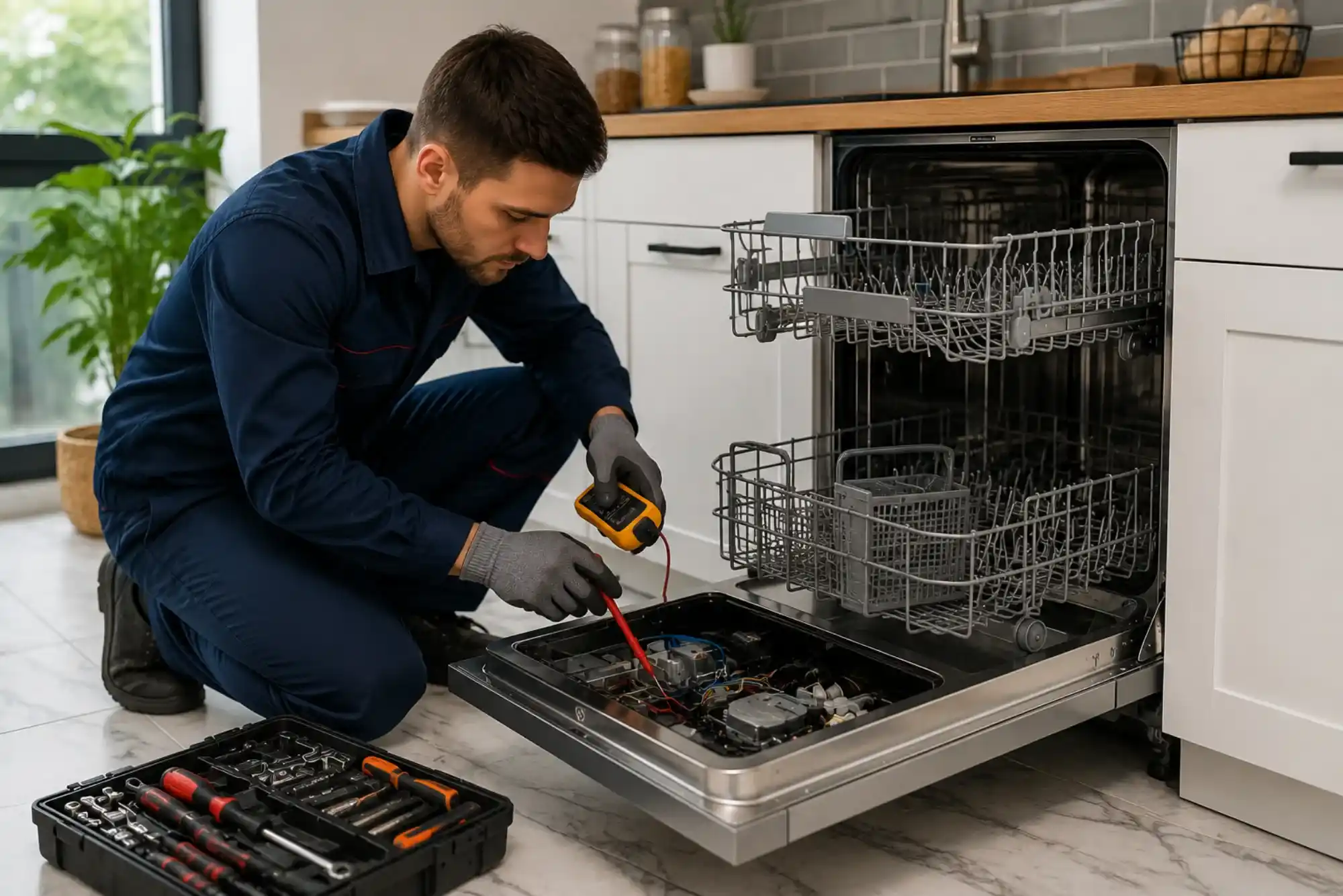
While homeowners can certainly clean seals themselves, there are times when professional maintenance may be required. If you are dealing with recurring mold, frequent leaks, or a persistent odor that won’t go away despite cleaning, calling an appliance repair specialist is the best solution. Professionals not only have the tools and experience to deep-clean the dishwasher but can also inspect other components to make sure everything is functioning properly.
Maintaining a dishwasher involves more than just loading it correctly and running regular cycles. The seals and gaskets, though often ignored, are essential for keeping the appliance efficient, hygienic, and leak-free. By learning how to clean dishwasher seals and gaskets properly, you eliminate odors, prevent mold, and extend the life of your machine. A simple routine of wiping, drying, and periodic deep cleaning ensures that this hardworking appliance continues to serve your household reliably for years. Taking a few minutes every month to care for the seals is a small effort compared to the cost and inconvenience of repairs or replacements caused by neglect.