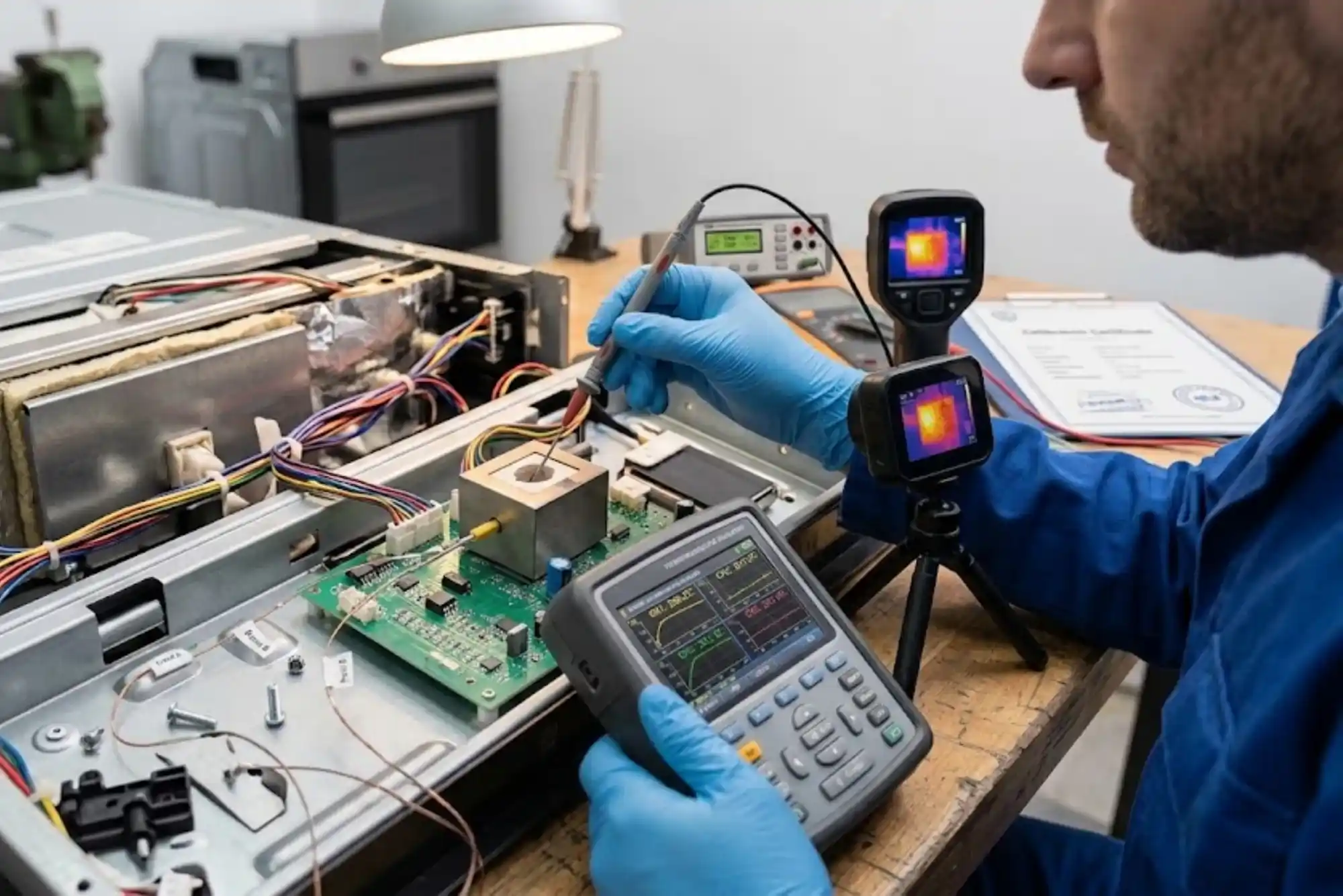
The stove burner head may appear to be a modest component of a cooking appliance, yet it plays a central role in how effectively and efficiently heat is delivered to food. Without a properly functioning burner head, the entire process of preparing meals can be compromised, regardless of whether the stove runs on gas or electricity. As kitchens evolve into hubs of culinary creativity and technological sophistication, the burner head remains a crucial point where science, design, and daily utility intersect. This article examines the function, design, materials, efficiency, safety considerations, and future prospects of stove burner heads, showing why they deserve greater recognition in modern cooking technology.
How Burner Heads Control Flame Distribution
The fundamental purpose of a stove burner head is to regulate the distribution of flame or heat across the bottom of cookware. In gas stoves, the burner head receives fuel through the orifices and distributes it evenly, allowing the flame to emerge through strategically placed ports. The shape, spacing, and size of these ports dictate how the flame spreads and whether it provides even heating. Poorly designed burner heads may result in hot spots that burn food in one area while leaving other parts undercooked. By contrast, a well-engineered head ensures balanced flame patterns that align with the cookware’s surface, optimizing both efficiency and flavor.
Materials and Durability in Burner Head Design
Burner heads are commonly constructed from durable metals such as aluminum, brass, or cast iron. Each material offers distinct advantages. Brass, for example, resists corrosion and maintains structural integrity even under continuous exposure to high temperatures, making it ideal for heavy-duty stoves. Aluminum is lightweight and conducts heat efficiently, though it may wear more quickly. Cast iron, prized for durability, offers longevity in demanding kitchen environments. Manufacturers select materials not only for resilience but also for their ability to withstand expansion and contraction from repeated heating cycles. The material choice directly affects performance, safety, and lifespan, making it a critical consideration in design.
Efficiency and Energy Considerations
The burner head contributes significantly to energy efficiency in cooking appliances. Gas burners, for instance, are often measured by their thermal efficiency, which evaluates how much heat reaches the cookware versus how much dissipates into the surrounding environment. An efficiently designed burner head minimizes energy loss by directing as much flame as possible onto the base of the pan. This reduces cooking time, fuel consumption, and overall operational costs. In professional kitchens, where stoves may run continuously, efficiency translates into meaningful savings over time. Additionally, consumers increasingly value sustainability, making burner head innovation a key factor in environmentally responsible cooking.
Safety Mechanisms and Flame Stability
Safety is another essential role of burner heads, especially in gas-powered systems. A stable flame requires consistent distribution of fuel through the burner ports. If the head becomes clogged or damaged, irregular flames may pose risks of incomplete combustion, leading to carbon monoxide emissions. To address such concerns, manufacturers design burner heads with self-cleaning features or coatings that reduce residue buildup. Some modern systems also integrate flame failure devices, ensuring that gas flow automatically shuts off if the flame extinguishes. By maintaining proper fuel-air mixing and flame stability, burner heads serve as a frontline safeguard in kitchen safety.
Design Variations for Culinary Needs
Not all cooking tasks demand the same type of heat. To accommodate diverse culinary practices, burner heads are designed in a variety of configurations. High-powered wok burners deliver concentrated flames suitable for rapid stir-frying, while simmer burners provide low, controlled heat for delicate sauces. Dual-ring or triple-ring designs allow flexibility, enabling cooks to switch between high and low output without changing burners. Such versatility highlights how burner heads serve not merely as functional hardware but as adaptable tools that expand the culinary possibilities available in both domestic and commercial kitchens.

Maintenance and Longevity of Burner Heads
The long-term performance of burner heads depends heavily on proper maintenance. Over time, food particles, grease, and mineral deposits can obstruct the burner ports, disrupting the flame pattern. Routine cleaning ensures consistent heat distribution and prevents energy waste. In professional kitchens, where continuous use is common, burner heads may be inspected and serviced daily. Domestic users may require less frequent attention, but cleaning should still be part of regular appliance care. Advances in design, including removable heads and nonstick coatings, have made maintenance easier, reinforcing the importance of upkeep in maximizing durability.
The Evolution of Burner Head Technology
The history of burner heads traces back to early open-flame stoves, where flame control was rudimentary. Modern advancements, however, have introduced precision-engineered components capable of fine-tuned heat regulation. Computer-aided design allows manufacturers to optimize port patterns and airflow dynamics for superior combustion efficiency. Innovations such as sealed burners reduce spillage into internal stove components, enhancing hygiene and safety. Furthermore, integration with smart kitchen technologies is emerging, enabling real-time monitoring of flame output and fuel consumption. This evolution demonstrates how a seemingly simple component adapts to the demands of contemporary cooking and energy conservation.
Burner Heads in Commercial vs. Domestic Settings
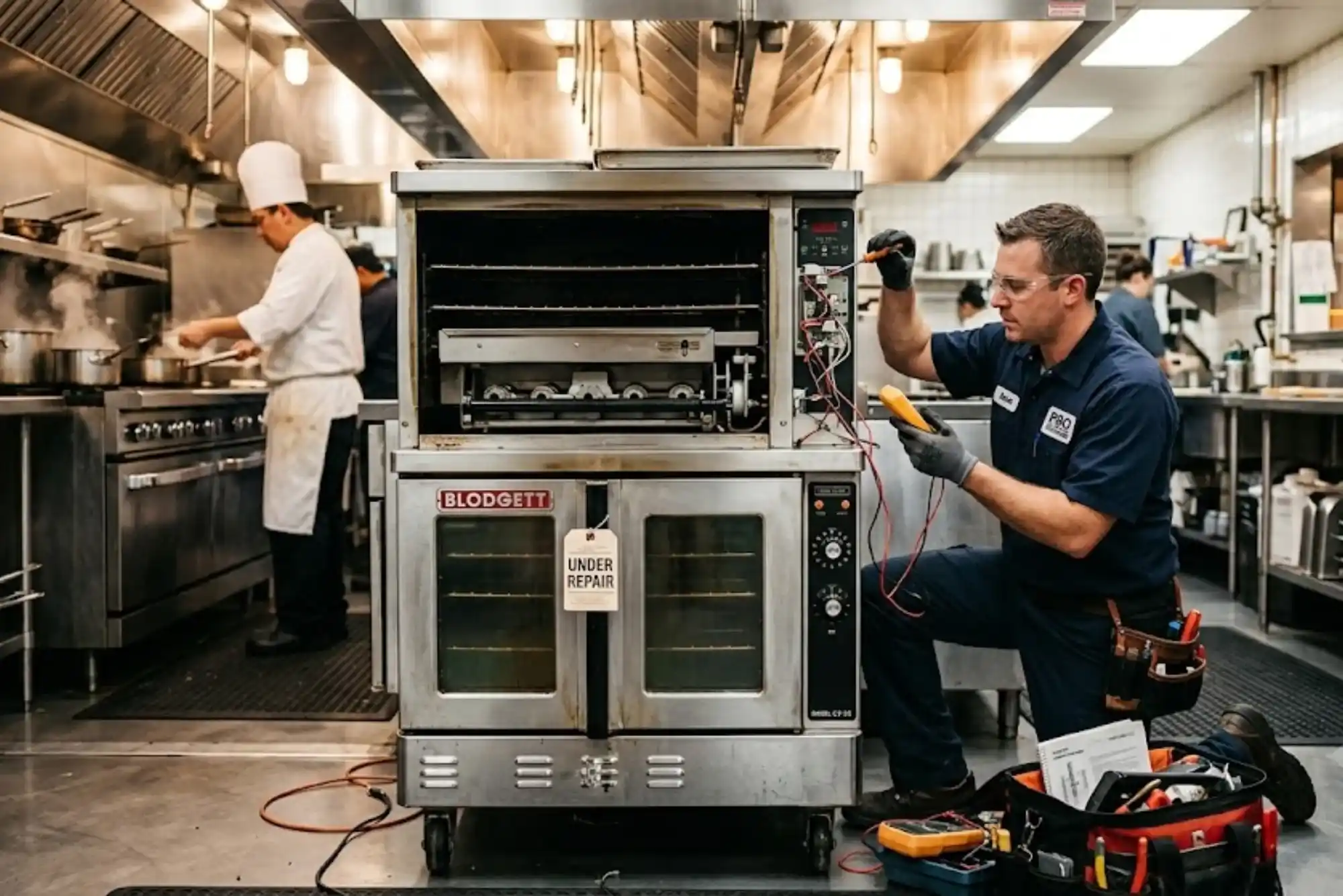
The requirements for burner heads differ significantly between domestic households and commercial kitchens. In homes, burner heads must balance efficiency, safety, and ease of cleaning for everyday cooking. Commercial kitchens, however, demand higher durability, rapid heat output, and adaptability to various cooking techniques. Burner heads designed for restaurants often feature reinforced construction and interchangeable designs to meet rigorous culinary standards. Despite these differences, the underlying principle remains the same: an effective burner head ensures consistent, controllable, and safe heat delivery. Understanding this distinction helps explain why professional-grade appliances often carry higher costs due to the specialized engineering of their burner components.
Environmental Implications of Burner Head Design
As global emphasis on sustainability grows, burner head technology is adapting to reduce emissions and improve resource efficiency. Advanced port designs improve combustion, lowering the release of unburned hydrocarbons and carbon monoxide. Some manufacturers experiment with hybrid technologies that allow stoves to integrate renewable fuel sources or operate more efficiently at lower temperatures. By focusing on combustion efficiency and durability, burner heads contribute to the broader effort of reducing environmental footprints in the kitchen. The cumulative impact, especially when applied across millions of households and businesses worldwide, reinforces the importance of continuous innovation in this small but vital component.
The Future of Stove Burner Heads
Looking ahead, stove burner heads are likely to incorporate further technological advancements that blend efficiency, safety, and connectivity. Smart sensors may allow real-time monitoring of flame patterns, alerting users when cleaning or adjustments are needed. Materials with self-healing properties or advanced coatings could extend durability while reducing maintenance. As induction cooking gains popularity, the role of traditional burner heads may shift, but gas stoves are expected to remain essential in many regions due to their adaptability and cost-effectiveness. The future lies in balancing tradition with innovation, ensuring that burner heads continue to meet evolving culinary and environmental demands.
Although often overlooked, stove burner heads are central to the performance, efficiency, and safety of cooking appliances. Their design determines whether food cooks evenly, whether fuel is used responsibly, and whether the kitchen remains safe from hazards associated with incomplete combustion. From material selection and port arrangement to maintenance practices and technological integration, burner heads embody the intersection of engineering and everyday life. As cooking technology continues to advance, this component will remain indispensable, adapting to changing expectations while upholding its timeless role as the heart of the stove.