Stoves are at the heart of most kitchens, and their heating elements perform the critical job of delivering consistent and controllable heat for cooking. When a stove element begins to fail, it often disrupts not only meal preparation but also the safety and efficiency of your appliance. Diagnosing stove element failures requires more than noticing that your burner is not working—it involves understanding the signs of wear, the mechanics behind heating elements, and the safe steps for troubleshooting.
This article explores the process of diagnosing stove element problems in depth, giving you the tools to determine what’s wrong and whether a repair or replacement is the best course of action.
Understanding How Stove Elements Work
Stove elements operate by converting electrical energy into heat. In an electric stove, the coil or radiant element contains a high-resistance wire encased in a durable material. When current flows through this wire, resistance generates heat, which is then transferred to your cookware.
Over time, continuous heating and cooling cycles place stress on the material. Small cracks, wear in insulation, or electrical connection issues may arise, ultimately leading to failure. Understanding this mechanism is key, because any interruption in electrical flow—whether from a damaged coil, loose connector, or internal break—will prevent the element from working properly.
Recognizing Early Signs of Failure
One of the first steps in diagnosis is being aware of the symptoms that suggest a stove element is failing. A burner may heat unevenly, producing hot spots in certain areas and leaving other areas cold. In some cases, the element may glow dimly compared to others or fail to reach high temperatures even when the dial is set to maximum.

A sudden shutdown, sparking, or buzzing sound while the element is in use may also point toward an electrical issue. These signs should never be ignored, as they can indicate not only inefficiency but also potential fire hazards.
Checking for Visible Damage
Visual inspection is one of the most straightforward diagnostic methods. Turn off the stove and ensure it is unplugged or disconnected from its power supply before beginning. Once the stove is safe to examine, look for cracks, blisters, or burned spots on the element surface. Any visible damage usually indicates the element has deteriorated and can no longer function reliably.
Corrosion around the connection points is another red flag. Stove elements are connected to the appliance via prongs or terminals, and if these become corroded or burnt, they may fail to transmit electricity effectively.
Testing the Heating Element with a Multimeter
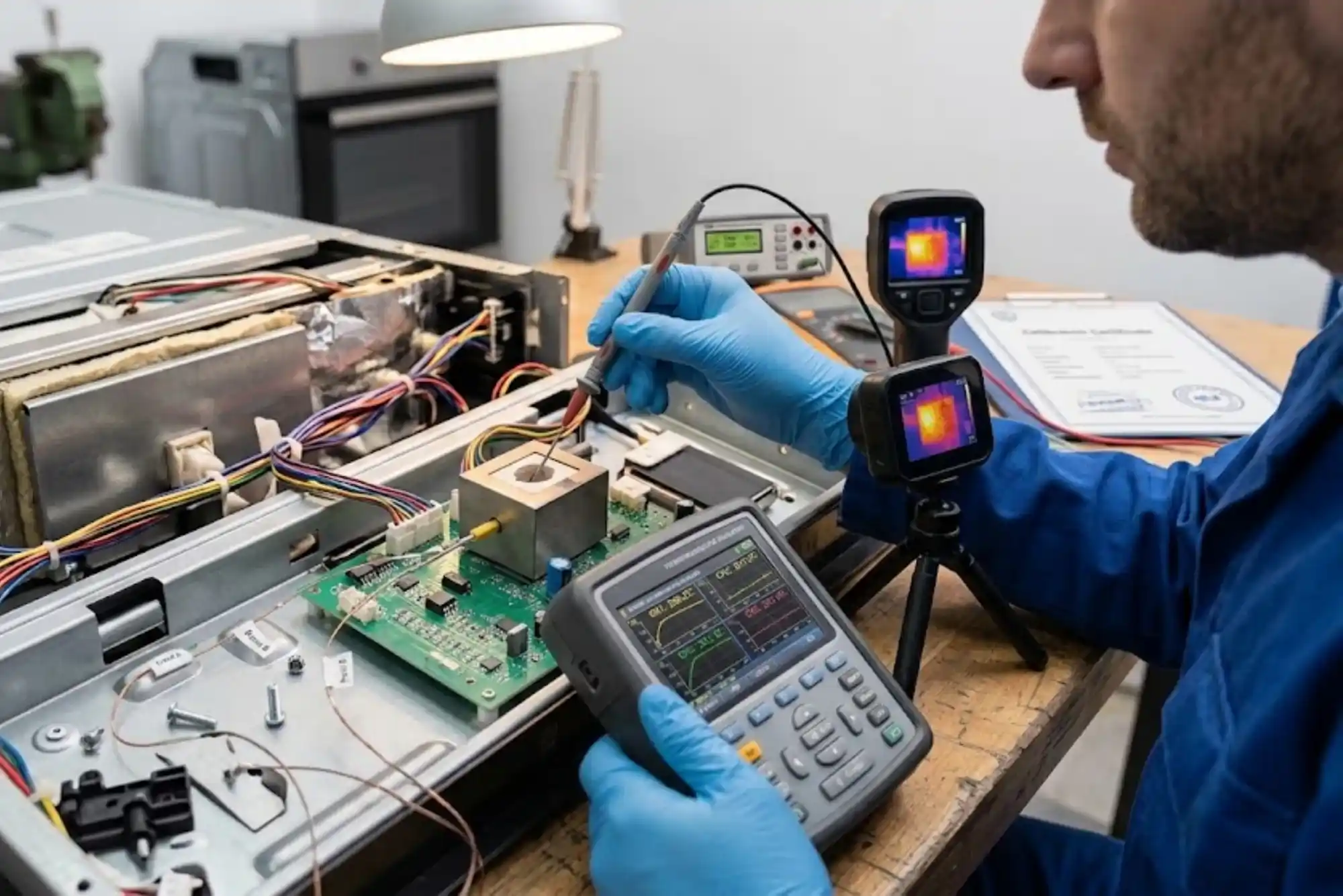
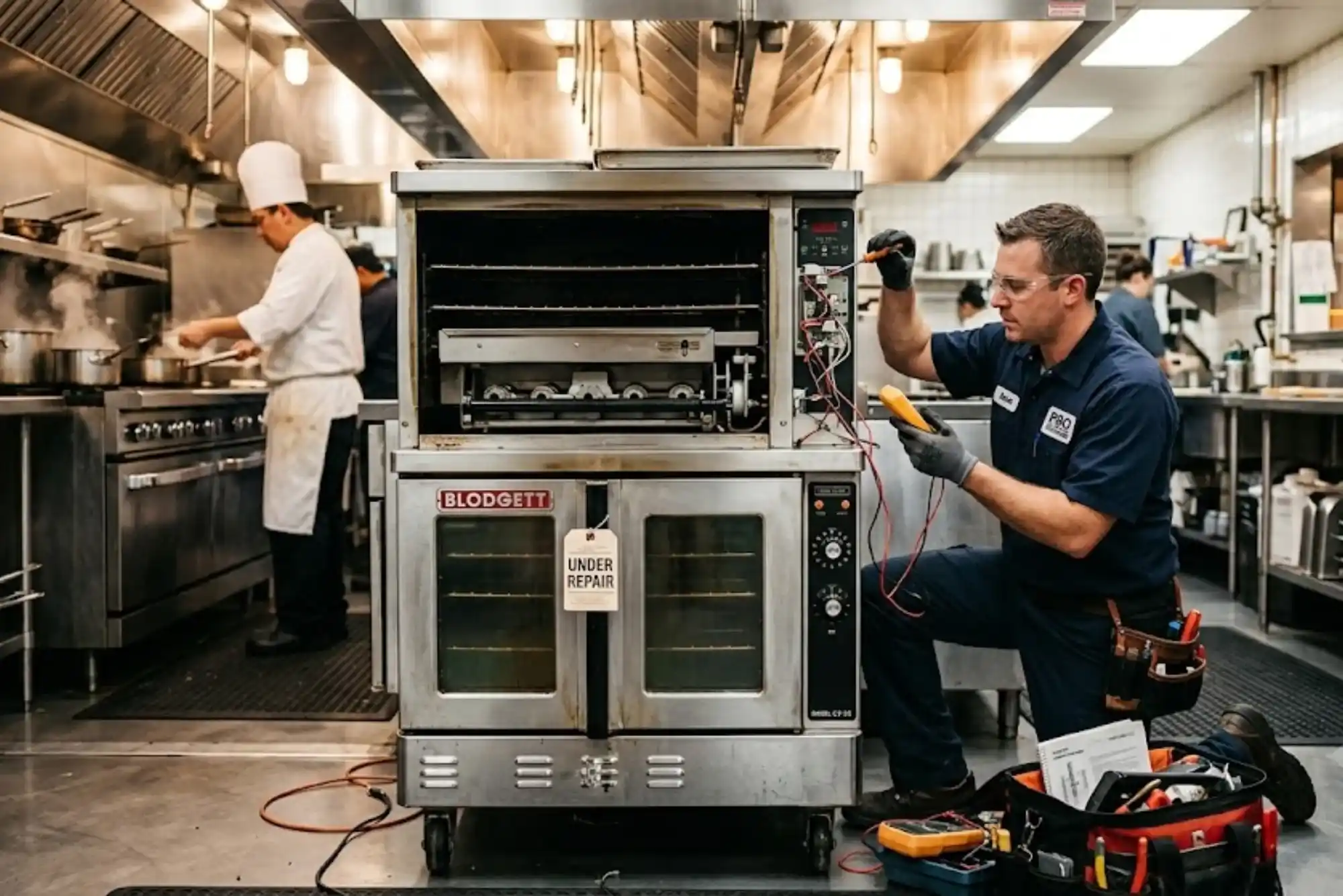
When visual inspection does not provide a clear answer, a multimeter can be used to test the continuity of the element. Continuity refers to the uninterrupted path that electricity must travel through the element. A properly functioning element should show consistent resistance on a multimeter, while a broken one will show no continuity.
Set the multimeter to the resistance or ohms setting. Place the probes on the terminals of the element and observe the reading. A normal element will display resistance within the manufacturer’s specifications, which are usually listed in the appliance’s manual. A reading of zero or infinite resistance indicates the element is defective and needs to be replaced.
Assessing Electrical Connections and Switches
Sometimes the problem does not lie in the element itself but in the connections or switches that control it. Each burner is connected to the stove’s control switch, which regulates the flow of electricity based on the heat setting. If the switch becomes worn or damaged, it may fail to supply adequate current to the element, making it appear as though the element itself has failed.
Checking the control switch requires care, as this involves handling internal wiring. If you are not experienced with electrical repairs, this is an area where professional help is recommended. A technician can test the switch and confirm whether it needs replacement.
Considering the Role of the Oven Receptacle
The receptacle, or the socket into which the element plugs, also plays a crucial role in stove performance. Loose, charred, or melted receptacles are common causes of element failures. If the element is functional but the receptacle is damaged, electricity may not pass through effectively.
Replacing a worn receptacle is generally more affordable than replacing the element itself and is often a good first step if visible damage is found in this area. However, if both the element and receptacle show wear, replacing them together ensures a more reliable repair.
Distinguishing Between Surface and Oven Elements
Electric stoves have two main types of elements: surface burners and oven heating elements. While both operate on similar principles, they present different signs of failure.
Surface burners may stop glowing, fail to heat cookware evenly, or spark during use. Oven elements, on the other hand, often show signs through uneven baking, longer preheat times, or visible glowing in only part of the coil. Diagnosing these requires attention to the specific symptoms associated with each type.
By distinguishing between the two, you can more effectively identify which component requires testing and potential replacement.
Evaluating Safety Risks
Diagnosing a stove element failure is not solely about restoring function. It is also about ensuring the safety of your home. A faulty element can overheat, create sparks, or lead to electrical shorts that may cause damage to other parts of the appliance. In severe cases, it may pose a fire hazard.
When an element shows significant visible damage, produces unusual sounds or smells, or causes tripped breakers, it should not be used again until the issue is resolved. Safety should always come first, even if the stove appears to function intermittently.
Deciding Between Repair and Replacement
Once the source of the problem is identified, the next decision is whether to repair or replace. In many cases, stove elements are not designed to be repaired. If the coil itself is cracked or broken, replacement is the only reliable option.
However, when the issue lies in the switch, receptacle, or wiring, repairing or replacing just the faulty component may be sufficient. Replacement elements are widely available and typically straightforward to install, making them a cost-effective solution compared to replacing the entire appliance.
When to Call a Professional
Although many homeowners can perform a basic diagnosis using visual inspection and a multimeter, there are times when professional assistance is the safest and most effective option. If you are uncertain about handling electrical parts, if the wiring shows damage, or if the issue persists after replacing the element, a qualified technician should be consulted.
Professionals can not only confirm the diagnosis but also ensure that the repair is performed safely and according to local electrical codes. This helps prevent recurring issues and extends the life of the stove.
Preventing Future Stove Element Failures
Prevention is an often-overlooked aspect of maintaining stove elements. Proper care can significantly reduce the likelihood of early failure. Avoid dropping heavy cookware onto surface burners, as impact can damage the coil. Ensure pots and pans are flat-bottomed to distribute weight and heat evenly.
Regularly clean spills, especially sugary or acidic substances, as they can corrode the element or receptacle. Additionally, do not operate the stove without cookware on the burner, as this can cause overheating and premature wear.
By adopting these simple habits, you can prolong the life of your stove’s heating elements and reduce the frequency of costly repairs.
Diagnosing stove element failures requires a balance of observation, testing, and safety awareness. From identifying early warning signs and conducting visual inspections to testing with a multimeter and evaluating electrical connections, each step provides valuable insight into the health of your appliance.
While many stove element issues can be resolved with replacement parts, knowing when to call a professional is essential for both effectiveness and safety. Ultimately, by understanding how stove elements work, recognizing the signs of failure, and applying preventive maintenance, you can keep your kitchen running smoothly and your appliance operating at peak efficiency.