Owning a vintage stove is not just about having a functional kitchen appliance—it’s about preserving a piece of history. These timeless machines, often built in the early and mid-20th century, combine craftsmanship, durability, and character that modern appliances rarely replicate. However, maintaining vintage stove models requires knowledge, patience, and a commitment to care. Whether you inherited one from your family or purchased it for your love of antiques, proper maintenance will ensure your stove continues to operate safely while maintaining its nostalgic charm.
Understanding the Craftsmanship Behind Vintage Stoves
Before beginning the process of maintenance, it’s important to appreciate what makes vintage stoves unique. Many were constructed with heavy cast iron, porcelain enamel finishes, and brass or chrome detailing. Unlike today’s mass-produced appliances, they were engineered with longevity in mind. Some stoves from the 1920s and 1930s are still fully operational because of their robust design. Recognizing these qualities helps you understand why maintenance must be done with care. Using harsh chemicals or modern shortcuts can damage original finishes and reduce both the function and the value of the stove.
Cleaning with the Right Methods and Materials
Cleaning is the first step in maintaining a vintage stove. Decades of use—or storage—can leave layers of grease, dust, and rust. It’s tempting to use heavy-duty degreasers or steel wool, but these can scratch enamel surfaces or wear away protective finishes. Instead, mild soap, warm water, and non-abrasive cloths or sponges should be your first choice. For stubborn grime, baking soda paste works as a gentle abrasive. Avoid soaking metal parts for long periods, as this can accelerate corrosion.
Glass panels on oven doors should be cleaned with vinegar solutions rather than chemical sprays to prevent streaks or etching. Polished chrome or brass elements can be revived using gentle metal polish applied carefully with soft cloths. The key is to remove buildup without stripping away the stove’s original material.
Addressing Rust and Surface Deterioration
Rust is a common issue in older stoves, particularly in parts exposed to heat and moisture. Small spots of rust can often be treated with fine-grade steel wool followed by protective oiling or repainting with high-temperature stove paint. However, if rust has eaten deeply into the metal, professional restoration may be required.
When repainting areas such as grates or oven cavities, ensure the use of paint rated for high temperatures. Regular paints can peel or emit toxic fumes when exposed to heat. Restoring enamel finishes is more complex and often requires professional refinishing to achieve authentic results.

Maintaining Mechanical Parts and Components
Vintage stoves were designed with mechanical components that can often be repaired rather than replaced. Hinges, knobs, burners, and doors may need periodic adjustments. Hinges can be lubricated with high-heat resistant oils to prevent squeaks and ensure smooth operation. Burners, whether gas or electric, should be inspected for blockages or wear. In gas models, the pilot light assembly and valves must be checked to avoid leaks or inefficiency.
Knobs and handles often loosen with age, but tightening or replacing screws can restore their sturdiness. If original knobs are missing, specialized antique restoration suppliers often carry reproductions that match the original design.
Inspecting Electrical and Gas Safety
Safety is one of the most critical aspects of maintaining vintage stoves. Many older models were built before modern safety standards existed, so attention is necessary to keep them safe to use. For gas stoves, inspect connections and pipes regularly for signs of leaks. If you smell gas, discontinue use immediately and call a certified technician. Installing a carbon monoxide detector nearby adds an additional layer of safety.
For electric stoves, old wiring can be a hazard. Cloth-insulated wires used in earlier decades may fray or lose insulation. A licensed electrician should evaluate the wiring and replace outdated connections with modern heat-resistant wiring while keeping the original design intact wherever possible. Fuses and heating elements can often be sourced from restoration suppliers or fabricated by specialists.
Preserving the Aesthetic Appeal
Part of the charm of a vintage stove lies in its appearance. The glossy enamel, ornate logos, and period-specific trims contribute to its allure. Preserving these aesthetic details requires gentle care. Avoid abrasive sponges on enamel and chrome. Use microfiber cloths for polishing to avoid scratches. For porcelain enamel, regular gentle cleaning will prevent the buildup of grime that can dull its shine.
Over time, lettering on temperature dials and branding plaques may fade. While it may be tempting to repaint these yourself, professional restorers are skilled at replicating original fonts and finishes to ensure authenticity. Preserving these small details maintains not only functionality but also historical value.
Sourcing Replacement Parts with Care
Unlike modern appliances where parts are easily available, vintage stove components can be difficult to find. Fortunately, a network of restoration companies, antique dealers, and online marketplaces specializes in vintage appliance parts. Many collectors share resources through forums, which can be valuable for sourcing rare components.
When replacing parts, always aim for authentic replacements. If exact matches cannot be found, high-quality reproductions may suffice, but avoid altering the stove’s design. Authenticity plays a significant role in both the stove’s value and its functionality.
Balancing Restoration and Preservation
An important decision for any vintage stove owner is whether to restore or preserve. Restoration often involves refinishing surfaces, replacing parts, and bringing the stove back to showroom condition. Preservation, on the other hand, means maintaining it in its current state while ensuring safety and function. Both approaches have merit, and the choice often depends on the stove’s condition and intended use.
For collectors, maintaining as much originality as possible may be more important than achieving a like-new appearance. For those using the stove daily, restoration may be necessary to ensure safety and reliability. A balance can often be struck by restoring only the necessary mechanical or safety components while preserving cosmetic originality.
Working with Professional Restorers
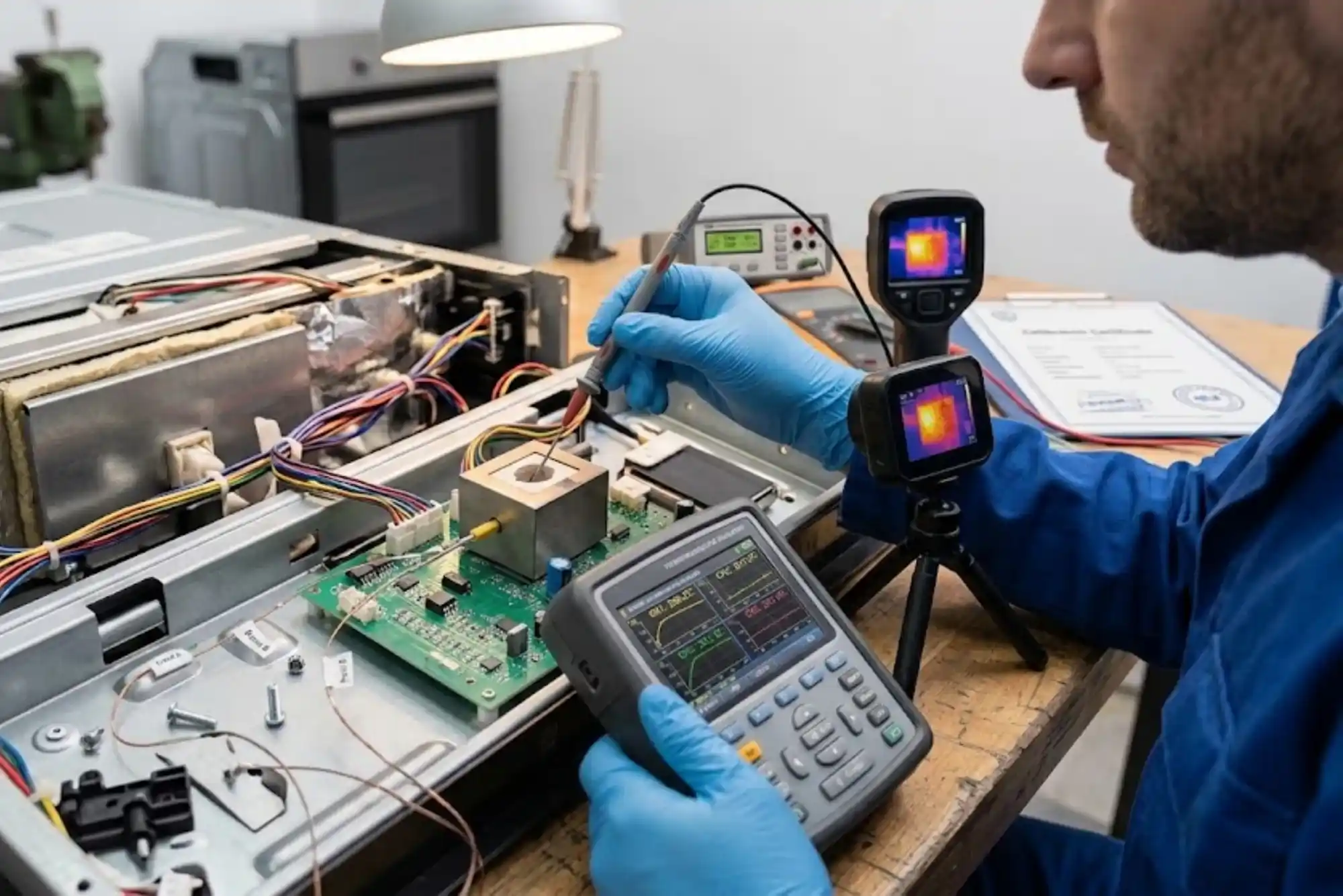
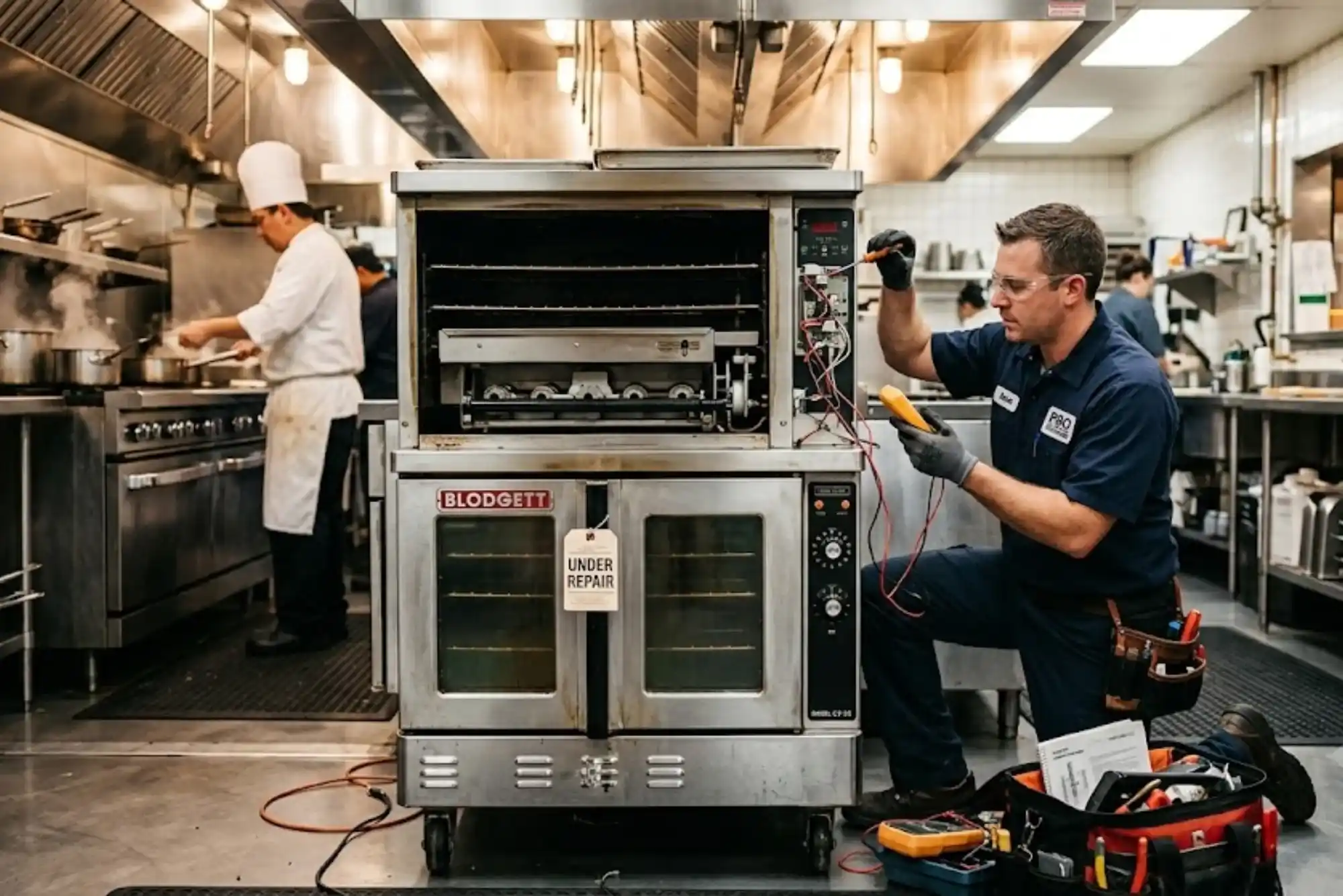
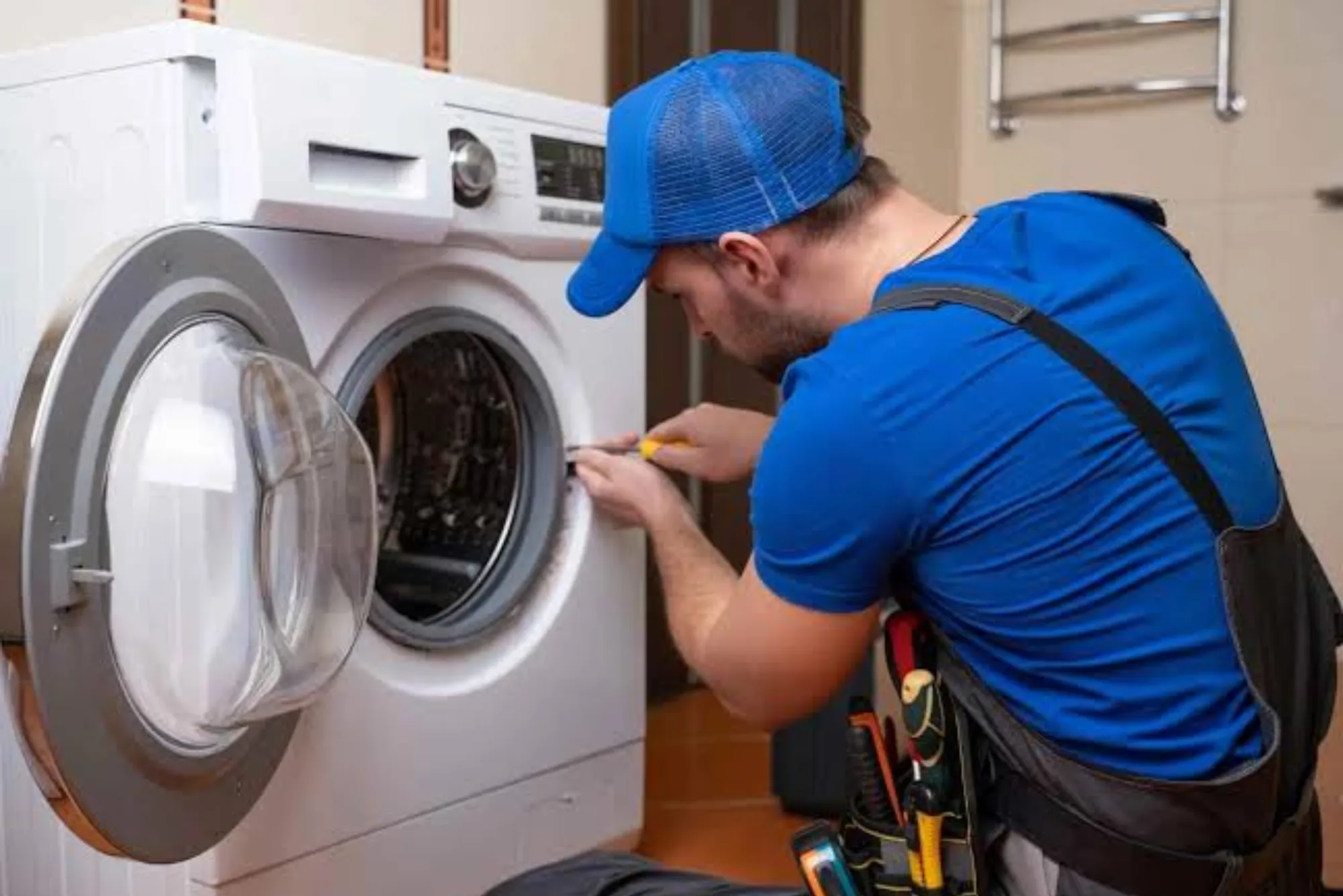
While many aspects of stove maintenance can be handled at home, certain tasks are best left to professionals. Restoring enamel, rewiring electrical systems, or repairing complex gas valves should be entrusted to experts familiar with vintage appliances. Professional restorers also have access to tools and parts not easily available to the average owner.
Choosing the right professional involves research. Look for restorers with documented experience, positive reviews, and a portfolio of past projects. An expert can provide guidance on whether your stove should be preserved, partially restored, or fully refurbished.
Maintaining Functionality Through Regular Use
Interestingly, vintage stoves often remain in better condition when used regularly. Idle stoves are prone to rust, seizing parts, or drying seals. Occasional use keeps components lubricated and functional. However, frequent use should always be paired with regular inspections to catch potential issues early.
Cooking on a vintage stove is also a unique experience that connects you with past generations. The heat distribution, control mechanisms, and even the aroma of an older oven differ from modern appliances. Proper maintenance ensures that this experience is both safe and enjoyable.
Keeping History Alive in Your Kitchen
Maintaining a vintage stove is not simply about preserving an appliance—it is about safeguarding a living artifact of domestic history. These stoves embody craftsmanship, resilience, and design that have endured for decades. With careful cleaning, proper safety checks, and a thoughtful approach to restoration, your vintage stove can continue to serve as both a functional tool and a cherished centerpiece in your home.
The satisfaction of maintaining such a piece goes beyond practicality. Every time you polish its enamel, replace a knob, or fire up the burners, you contribute to keeping history alive in your kitchen. Vintage stoves are more than relics—they are enduring companions that, with the right care, can continue to serve for generations to come.