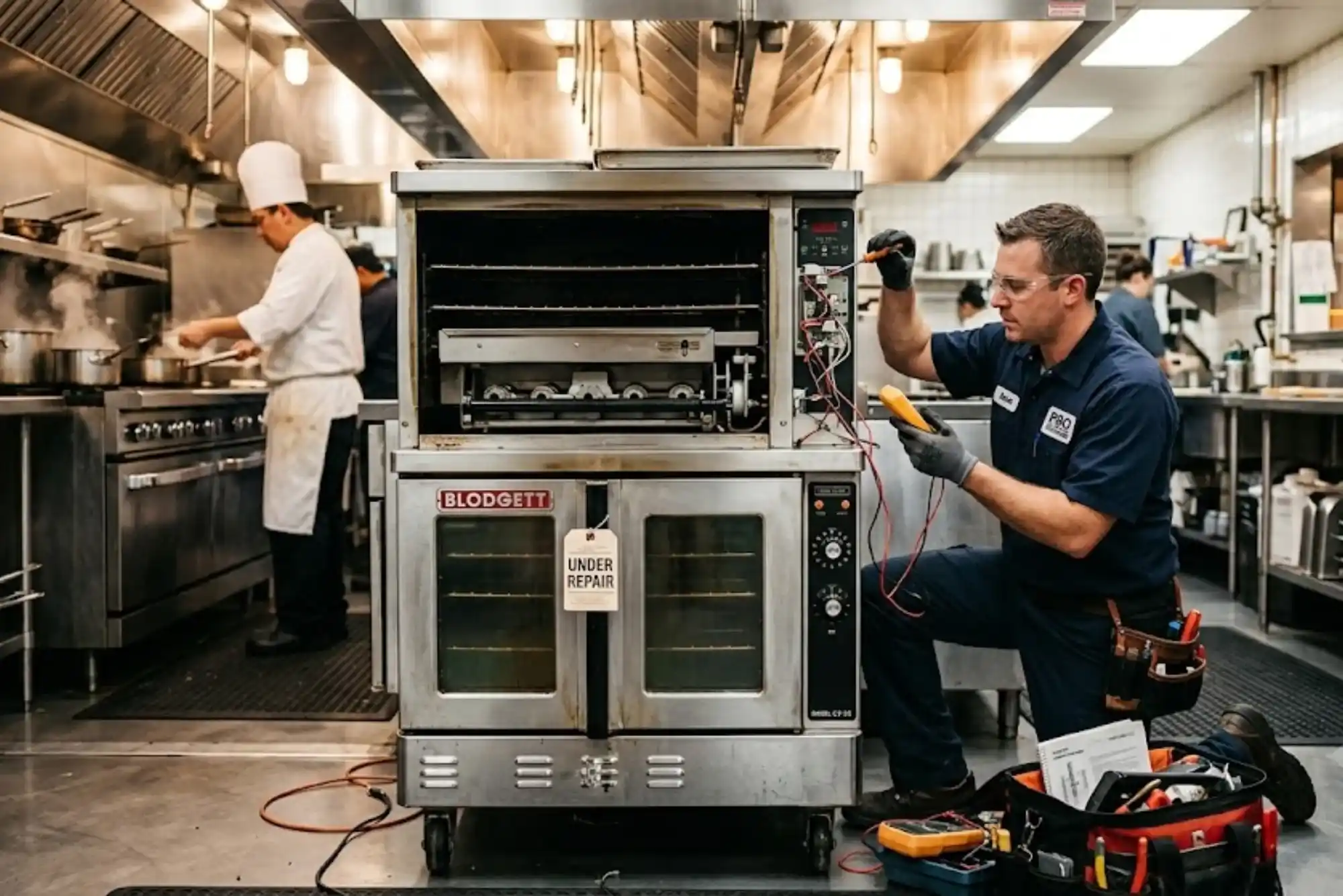
Technology has gradually moved from our offices and smartphones into the very heart of our homes. The kitchen, once the domain of simple tools and fire, has become an epicenter of innovation. Among the most transformative advancements is the smart stove. Unlike conventional cooktops and ovens, these devices are embedded with sensors, connectivity, and software that redefine how we cook and how we interact with our living spaces. For homeowners, chefs, and families, the benefits of smart stove technology extend far beyond novelty; they represent a step toward safer, greener, and more intuitive kitchens.
Safety as the Cornerstone of Innovation
One of the most immediate benefits of a smart stove is enhanced safety. Traditional stoves can be dangerous if left unattended, leading to potential fire hazards or accidents. Smart models are designed to reduce these risks by incorporating automatic shut-off functions, smoke detection, and temperature regulation. For example, if a pot begins to boil over or the stove detects unusual heat levels, it can automatically adjust or power down.
This level of precaution is particularly important for households with children, elderly residents, or busy professionals who may become distracted while cooking. By integrating with mobile applications, smart stoves send real-time alerts to a user’s phone, ensuring peace of mind even when the kitchen is out of sight. This proactive approach to safety is one of the defining characteristics that set modern stoves apart from their traditional counterparts.
Energy Efficiency and Sustainable Living
Modern life increasingly demands sustainable solutions, and smart stoves contribute to reducing household energy consumption. Traditional gas and electric cooktops often waste significant energy because they lack precision. Smart stoves, however, are designed with efficiency in mind, using induction technology, adaptive heating zones, and real-time monitoring to optimize energy usage.
Some models can measure the exact size of cookware and direct energy only where it is needed, dramatically lowering wasted electricity. Others track usage patterns and recommend cooking settings that minimize consumption without compromising performance. For environmentally conscious homeowners, these features translate into both reduced carbon footprints and lower utility bills, demonstrating that technology can drive sustainability in everyday practices.
Convenience Meets Culinary Precision
Cooking is both an art and a science, and the precision offered by smart stoves appeals to professionals and home cooks alike. Embedded sensors monitor food temperature and cooking progress, allowing for adjustments that guarantee consistency. Whether searing meat, simmering delicate sauces, or baking bread, smart stoves provide real-time feedback that helps ensure perfect results.

The convenience extends further with programmable recipes, guided cooking modes, and voice control integration through platforms like Amazon Alexa or Google Assistant. Imagine verbally instructing your stove to preheat to a specific temperature while your hands are occupied with preparation. Such seamless interaction makes the cooking process smoother, reducing stress while opening creative possibilities for experimenting in the kitchen.
Remote Monitoring and Control
Perhaps one of the most celebrated benefits of smart stove technology is remote access. Through companion apps, users can monitor cooking progress, adjust heat settings, or turn appliances on and off from virtually anywhere. For working parents, this means starting dinner before arriving home. For professionals, it allows peace of mind when they can confirm the stove was turned off after leaving the house.
This remote accessibility is more than just a convenience; it represents a shift in how we think about daily routines. By placing control in the user’s pocket, smart stoves align with broader trends in smart home ecosystems where flexibility and connectivity are central values.
Integration Into Smart Home Ecosystems
Smart stoves are not isolated devices; they form part of a larger smart home network. When paired with refrigerators, pantries, or even wearable health devices, they can provide a holistic cooking experience. For example, a connected refrigerator might suggest a recipe based on available ingredients, and the stove could automatically adjust its settings to match the recipe requirements.
This level of integration points toward kitchens that operate almost like autonomous ecosystems. Rather than juggling multiple tasks and decisions, users benefit from seamless collaboration between devices, all working toward efficient, healthy, and enjoyable living. The stove becomes more than a cooking appliance—it becomes a node in a broader network of intelligent domestic life.
Personalized Cooking Experiences
One of the understated benefits of smart stove technology is personalization. By analyzing user preferences and past cooking behaviors, the stove can recommend settings, recipes, or cooking times tailored to individual tastes. For households with multiple members, profiles can be created so that everyone’s unique preferences are considered.
This personalization transforms cooking from a repetitive task into a customized journey. Beginners receive guidance and confidence, while seasoned cooks enjoy precision and creative freedom. Over time, the stove effectively becomes a digital sous-chef, learning alongside the user and enhancing culinary experiences in subtle yet impactful ways.
Health and Nutrition Support
The modern emphasis on wellness extends to kitchens, and smart stoves are increasingly designed with health in mind. By tracking calorie counts, suggesting healthier cooking techniques, or monitoring oil temperatures to avoid harmful compounds, these appliances help users make informed dietary choices.
Some advanced models can integrate with health apps or fitness trackers, ensuring meals align with nutritional goals. For families, this function is invaluable, making it easier to prepare balanced meals while still enjoying the pleasure of cooking at home. In an era where health-conscious decisions are more important than ever, the smart stove emerges as both a culinary and wellness companion.
Reducing Food Waste Through Precision
Food waste is a global issue, and smart stoves provide tools to minimize it. With precise temperature and timing controls, meals are less likely to burn, overcook, or spoil. Integration with inventory management systems means the stove can recommend recipes that use ingredients before they expire.
This not only reduces household waste but also saves money and supports sustainability. In households where busy schedules often lead to forgotten groceries, the stove’s ability to optimize cooking decisions helps ensure food is used wisely and efficiently.
The Future of Culinary Education
Beyond home kitchens, smart stove technology is finding applications in education and professional training. Culinary schools are exploring ways to integrate these tools into their curriculum, offering students an advanced understanding of how technology enhances traditional cooking techniques. By providing precise feedback and real-time adjustments, smart stoves act as teaching tools that accelerate learning and experimentation.
This educational angle also has implications for hospitality industries, where efficiency and consistency are critical. Restaurants adopting smart stove technologies can streamline workflows, improve safety, and reduce waste, all while maintaining high standards of quality.
Economic Impact and Long-Term Value
While the initial investment in a smart stove may be higher than that of a conventional model, the long-term economic benefits can outweigh the cost. Reduced energy bills, lower food waste, and fewer safety incidents translate into significant savings over time. Furthermore, as these devices become mainstream, costs are likely to decrease, making them accessible to a wider range of households.
The value is not purely financial; a smart stove also contributes to property value and market appeal. In an increasingly competitive real estate landscape, smart home features are highly desirable, making investments in this technology not only practical but strategic.
Bridging Tradition and Technology
One concern often raised with smart appliances is whether they strip cooking of its soul, reducing an ancient practice to a sterile, mechanized process. However, the reality is quite the opposite. Smart stoves do not replace tradition; they enhance it. By removing stress and inefficiency, they allow cooks to focus on creativity, flavors, and shared experiences.
From preparing a family recipe passed down through generations to experimenting with international cuisine, smart stoves provide tools that support, rather than replace, human intuition. In this way, they bridge the gap between heritage and innovation, honoring the art of cooking while embracing the possibilities of the future.
Looking Ahead: The Next Decade of Smart Cooking
As artificial intelligence, machine learning, and IoT technologies continue to evolve, smart stoves will only grow more advanced. We can expect appliances capable of anticipating needs before users express them, stoves that interact seamlessly with grocery delivery services, and even models that use augmented reality to guide users visually through recipes.
The kitchen of the future will not simply be a place to prepare food; it will become a dynamic hub of living, learning, and connecting. In this transformation, the smart stove stands at the forefront, symbolizing both the potential of technology and its intimate role in our daily lives.
The Kitchen Reimagined
The benefits of smart stove technology extend across safety, sustainability, convenience, health, and personalization. They are not just futuristic gadgets but practical innovations that reshape how we approach cooking and living. For families, they provide peace of mind; for chefs, they deliver precision; for society, they contribute to sustainability and efficiency.
By embracing smart stoves, we embrace a vision of kitchens that are safer, greener, and more connected than ever before. The stove, once a simple tool for survival, is now a symbol of progress—proof that even in the most traditional spaces, technology can inspire transformation.