When a refrigerator’s light turns on but the cooling stops, it creates immediate concern. You know the unit is receiving power, yet food begins to warm, ice melts, and the once-quiet hum of cooling fans may disappear. This situation frustrates homeowners because the refrigerator appears operational but fails at its most important function—preserving freshness. Understanding why this happens and how to approach it properly is essential for safe, efficient, and lasting repair.
Understanding the Problem
A refrigerator operates through a balance of electrical, mechanical, and refrigerant systems. When the light still functions but the interior is warm, it means the appliance has power but the cooling system is interrupted. Several components could be responsible—the compressor, condenser coils, evaporator fan, thermostat, or control board. Each plays a vital role in moving refrigerant, circulating air, and maintaining internal temperature.
The problem may begin subtly. You might notice milk not as cold as usual, or ice cream softer than before. Within hours, the issue can worsen, leaving food unsafe to consume. A professional evaluation is critical because multiple components interact, and diagnosing which one has failed requires technical expertise.
The Compressor’s Central Role
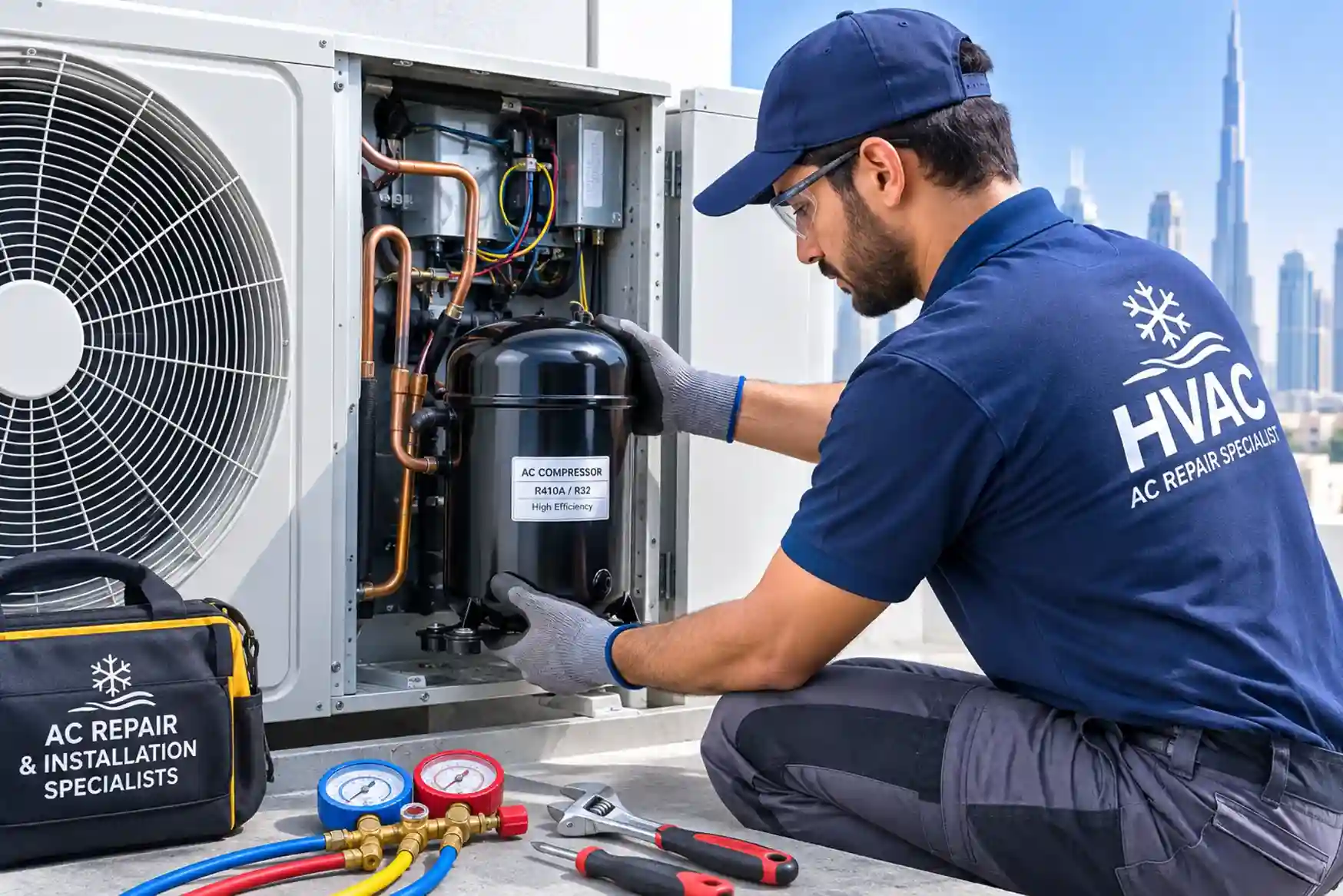
At the heart of every refrigerator is the compressor. Often described as the engine of the cooling system, it compresses and circulates refrigerant through the coils to remove heat from the interior. If the compressor fails, the refrigerator loses its ability to cool entirely, even though the light, control panel, or fans may continue working.
Compressor problems can stem from electrical surges, overheating, or general wear. Sometimes the start relay or capacitor fails, preventing the compressor from running. Because compressors are sealed systems containing refrigerant, only trained technicians should handle their repair or replacement. Attempting to fix it without specialized equipment can cause leaks, further damage, or safety risks.
Condenser and Evaporator Coil Performance
The condenser and evaporator coils form the pathway for heat exchange. Condenser coils, usually located behind or beneath the refrigerator, release the heat absorbed from inside the fridge. If these coils are coated with dust or grime, they cannot release heat efficiently, forcing the system to overwork and ultimately lose cooling capacity.

Inside the freezer compartment, evaporator coils absorb heat and keep air cold. When these coils become frosted or blocked, air circulation is reduced, and the refrigerator compartment warms up. A malfunctioning defrost heater or sensor can cause this buildup. Cleaning or servicing these coils is a delicate task that should be performed carefully to avoid damaging thin tubing or insulation.
Electrical and Thermostat Malfunctions
Sometimes, the cause of a cooling failure is not mechanical but electrical. The thermostat regulates when the compressor turns on or off. If it becomes faulty, it may fail to signal the compressor to start, resulting in a fridge that lights up but does not cool. Similarly, issues in the main control board or temperature sensor can interfere with the system’s timing.
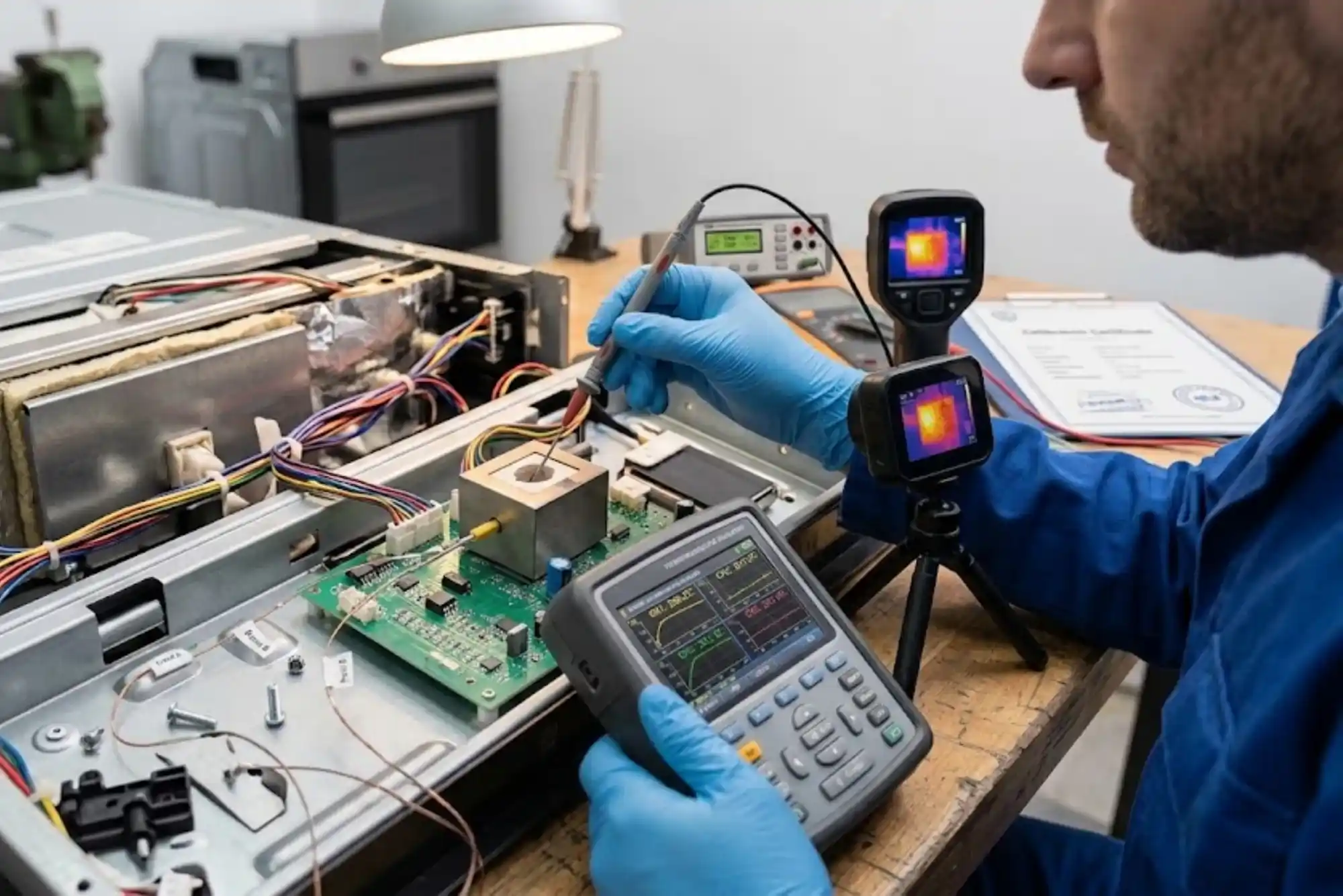
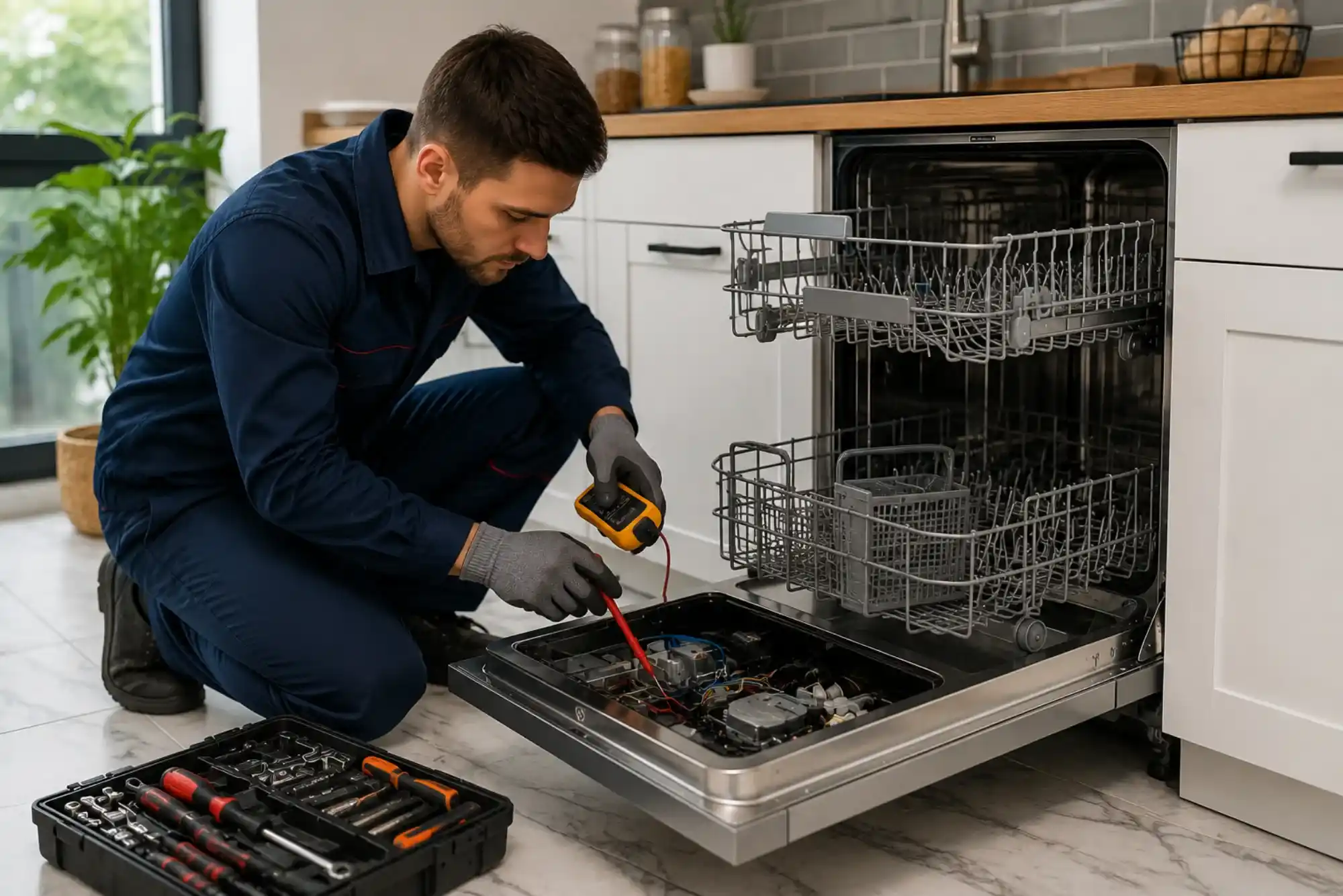
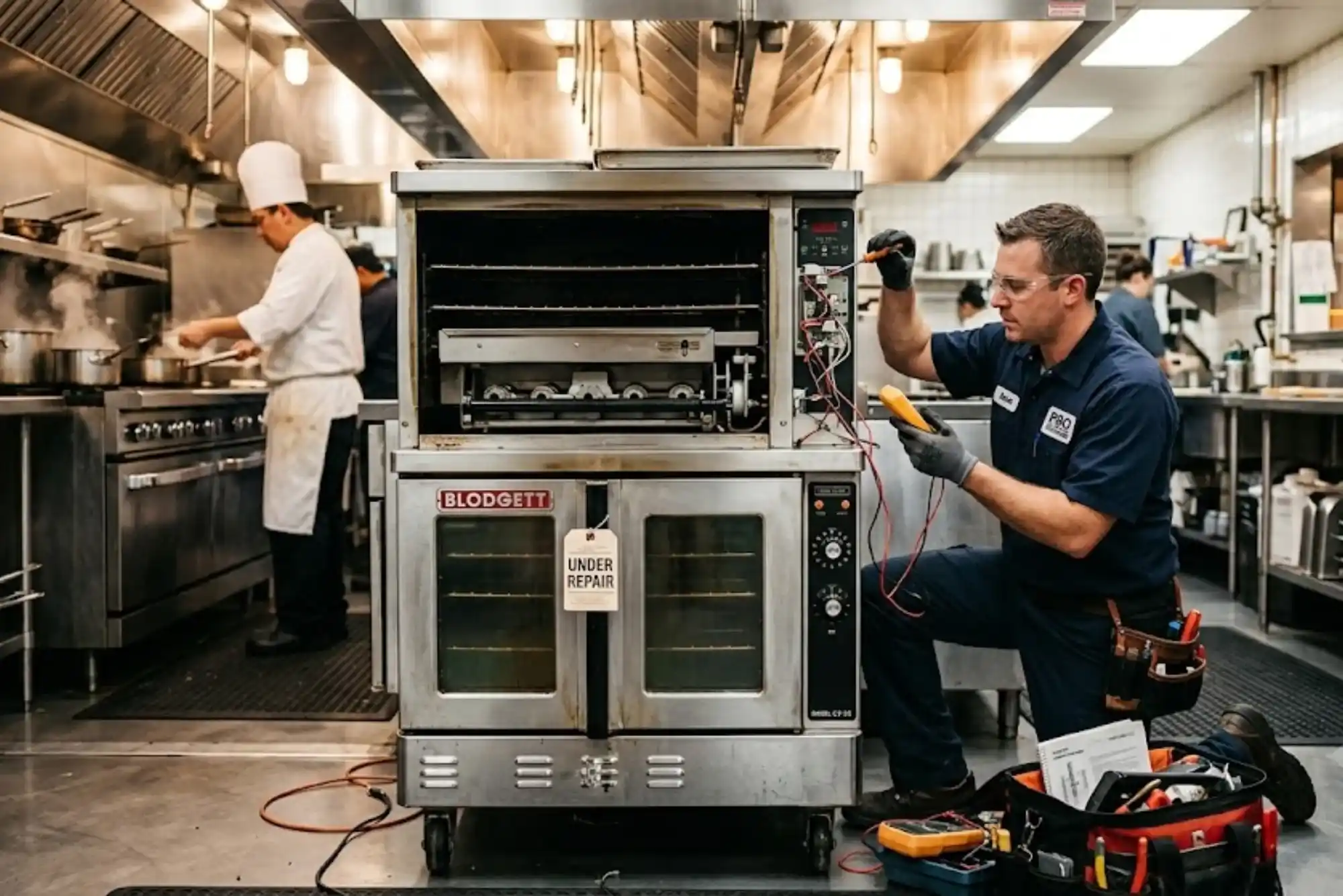
A skilled technician can use diagnostic tools to test electrical continuity, measure voltage, and confirm whether control boards are functioning properly. Modern refrigerators have electronic components that require precise calibration, so professional repair ensures accuracy and safety.
The Importance of Airflow
Airflow plays a major role in maintaining consistent cooling. Most refrigerators have fans that circulate cold air between the freezer and fridge compartments. If a fan motor burns out or an air vent becomes obstructed, one section may remain cold while the other warms. A blocked vent, often caused by overfilled shelves or ice buildup, can restrict air movement and cause uneven cooling.
Professional technicians can identify whether airflow issues stem from fan failure or blockage and perform the necessary repair or cleaning. Maintaining clear ventilation ensures both compartments cool evenly and prevents future strain on the compressor.
When to Call for Professional Help
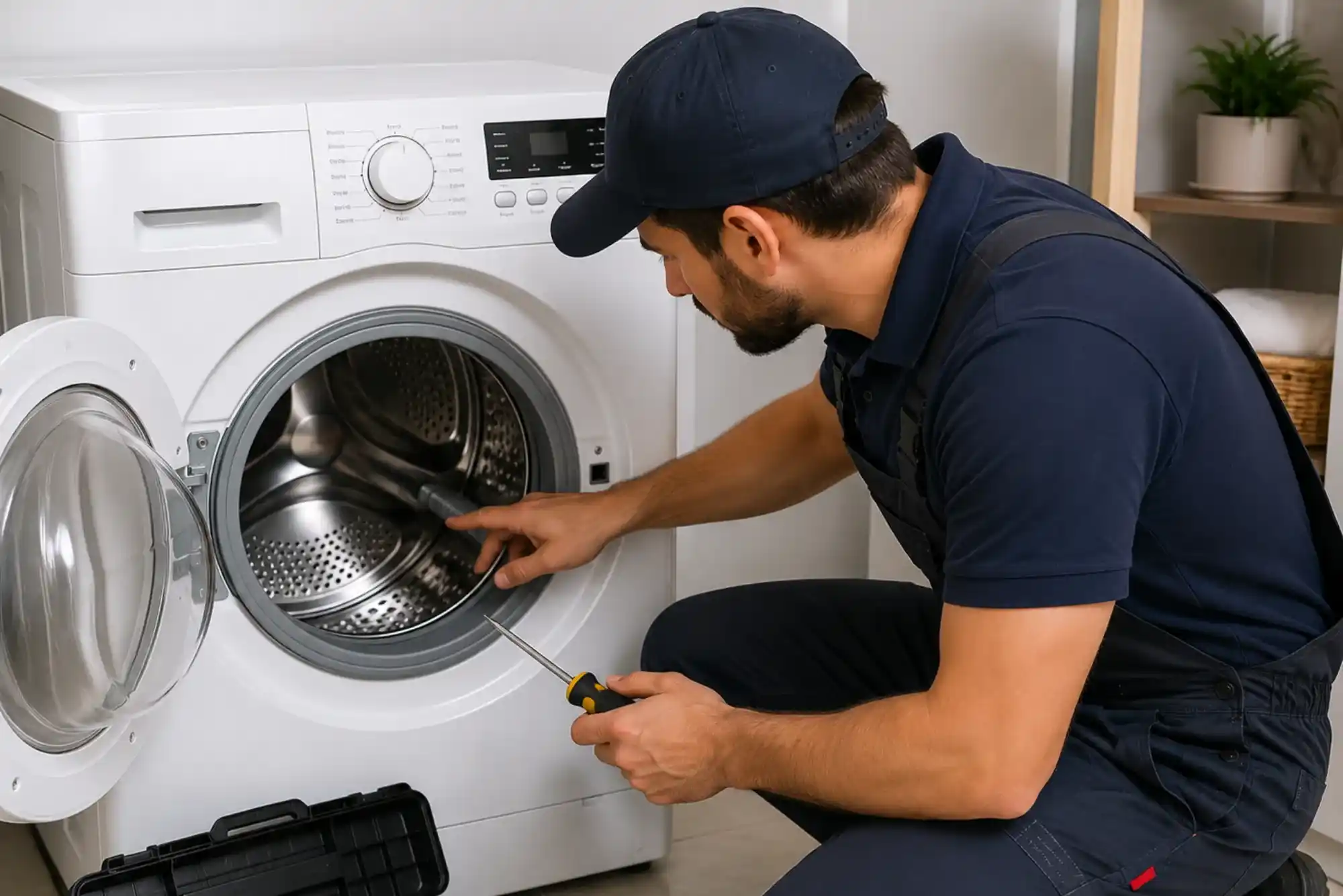
Many homeowners attempt quick fixes by unplugging the appliance or adjusting settings, but these actions rarely address the underlying issue. Because refrigerators involve electricity, gas, and sealed cooling systems, incorrect handling can create safety hazards. Professionals possess the right equipment to test pressures, detect refrigerant leaks, and replace components safely.
A technician begins with a thorough inspection, listening for compressor activity, checking temperature sensors, and measuring system pressure. Once the cause is identified, targeted repairs—such as replacing the start relay, repairing wiring, or refilling refrigerant—can be carried out. After the repair, performance tests confirm the appliance is cooling efficiently again.
Preventive Maintenance for Reliable Cooling
Once the refrigerator is repaired, preventive care becomes essential to avoid recurrence. Regularly cleaning condenser coils, ensuring proper spacing behind the appliance for airflow, and keeping door seals tight all contribute to efficiency. Avoid overloading shelves, as poor air circulation can reduce cooling effectiveness.
Scheduling routine maintenance with a qualified technician at least once a year can help identify early warning signs before they cause breakdowns. Technicians can check refrigerant levels, inspect fan motors, and verify that sensors are calibrated properly. Preventive maintenance saves both energy and money in the long run.
The Cost of Delay
Ignoring a refrigerator that isn’t cooling but still has power can lead to greater damage. Spoiled food is only the first consequence; continuous operation of a faulty compressor or blocked coils increases electricity consumption and can overheat internal components. Over time, these stresses may lead to complete system failure, requiring expensive replacements.
Addressing the problem promptly preserves food, saves energy, and extends the life of the appliance. It also ensures safety, as overheating parts or refrigerant leaks can pose health and fire risks if left unresolved.
Choosing Professional Repair Services
Selecting a reputable repair service is crucial to ensure proper handling of your appliance. A professional company provides certified technicians, transparent pricing, and genuine replacement parts. They not only fix the immediate issue but also advise on maintaining energy efficiency and avoiding future breakdowns.
An experienced technician understands how to balance performance restoration with cost-effectiveness. Instead of recommending unnecessary replacements, they focus on targeted repairs that bring your refrigerator back to optimal working condition. This approach gives you confidence and lasting results.
A refrigerator that has its light on but fails to cool is more than a minor inconvenience—it’s a warning that the cooling system needs professional attention. The issue could involve the compressor, coils, thermostat, or airflow, each requiring careful diagnosis and technical skill. Attempting to fix it without expertise can be risky, ineffective, and costly.
By calling qualified repair professionals, you ensure that every component is tested, repaired, and restored to manufacturer standards. With expert care, your refrigerator will once again preserve food efficiently and operate safely for years. Regular maintenance and timely attention remain the best ways to prevent this problem from returning, keeping your kitchen running smoothly and your investment protected.