A refrigerator plays a vital role in every household, keeping food fresh and beverages cool. When it stops cooling properly, one of the most common culprits is a faulty thermostat. The thermostat is the brain of your refrigerator’s cooling system—it regulates the internal temperature and ensures that the compressor turns on and off at the right times. When it fails, the appliance can become too warm or too cold, leading to food spoilage or frost buildup. Understanding refrigerator thermostat repair and replacement helps you maintain the performance and longevity of your appliance.
Understanding the Role of a Refrigerator Thermostat
The thermostat in a refrigerator functions as the control center for temperature regulation. It senses the temperature inside the fridge and signals the compressor when to start or stop cooling. When the internal temperature rises above the set point, the thermostat triggers the cooling system. Once the temperature drops to the desired level, it shuts the system off.
If the thermostat malfunctions, it may fail to send the correct signals, causing irregular cooling cycles. This can lead to a refrigerator that either overcools or doesn’t cool at all. A properly functioning thermostat is essential to maintain food safety, energy efficiency, and the overall health of your refrigerator.
Common Signs of a Faulty Refrigerator Thermostat
A malfunctioning thermostat can manifest in several ways. One of the most obvious signs is inconsistent cooling. You may notice that some parts of your refrigerator are colder than others, or the appliance may not cool at all. Another sign is when your refrigerator runs continuously without cycling off, wasting energy and causing excessive wear on the compressor.
Unusual temperature fluctuations can also indicate a thermostat issue. Food freezing in the fresh food compartment or warm air inside the freezer can both be linked to thermostat failure. In some cases, the thermostat knob may feel loose or unresponsive, making it difficult to adjust the temperature accurately.
Causes of Thermostat Problems in a Refrigerator
Several factors can lead to thermostat issues in a refrigerator. Over time, wear and tear naturally affect electronic components. Dust, moisture, and debris can accumulate around the control area, causing poor electrical contact. Power fluctuations or short circuits can also damage the thermostat’s internal mechanisms.

Improper usage, such as frequently changing temperature settings or overloading the refrigerator, can strain the thermostat and other cooling parts. In some instances, manufacturer defects or aging components simply reach the end of their service life. Regardless of the cause, timely diagnosis and repair are crucial to avoid further damage to the cooling system.
The Importance of Professional Refrigerator Repair
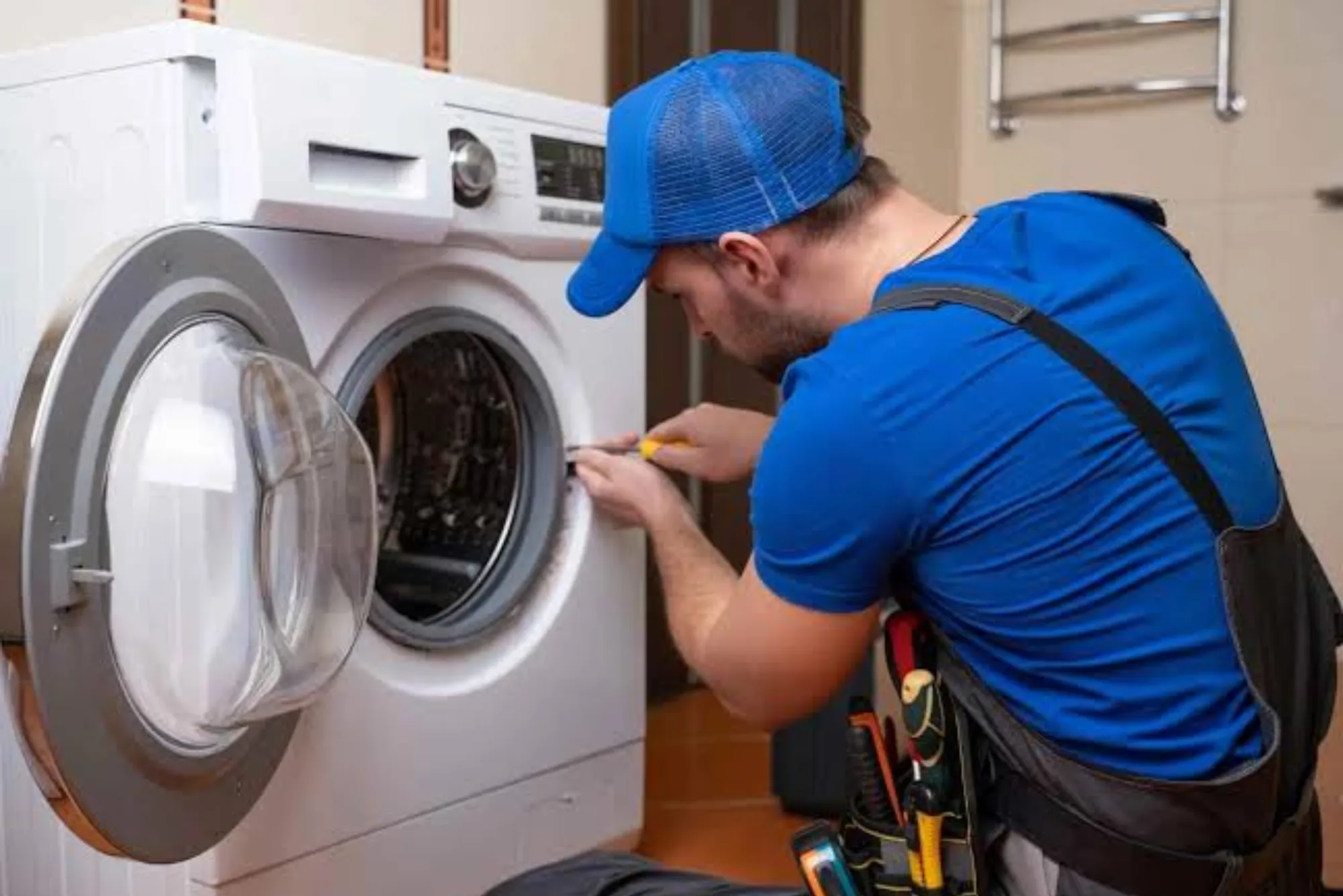
When your refrigerator begins to show signs of thermostat issues, calling a professional refrigerator repair technician is the best decision. Attempting to fix electrical or mechanical components without proper expertise can lead to further complications or safety hazards. Professionals have the necessary tools and knowledge to diagnose the problem accurately and replace faulty parts efficiently.
A certified technician will also check related components such as the compressor, evaporator fan, and defrost system to ensure the thermostat failure is not part of a larger issue. Proper refrigerator repair not only restores performance but also improves energy efficiency, helping you save money on electricity bills.
How Professionals Repair a Refrigerator Thermostat
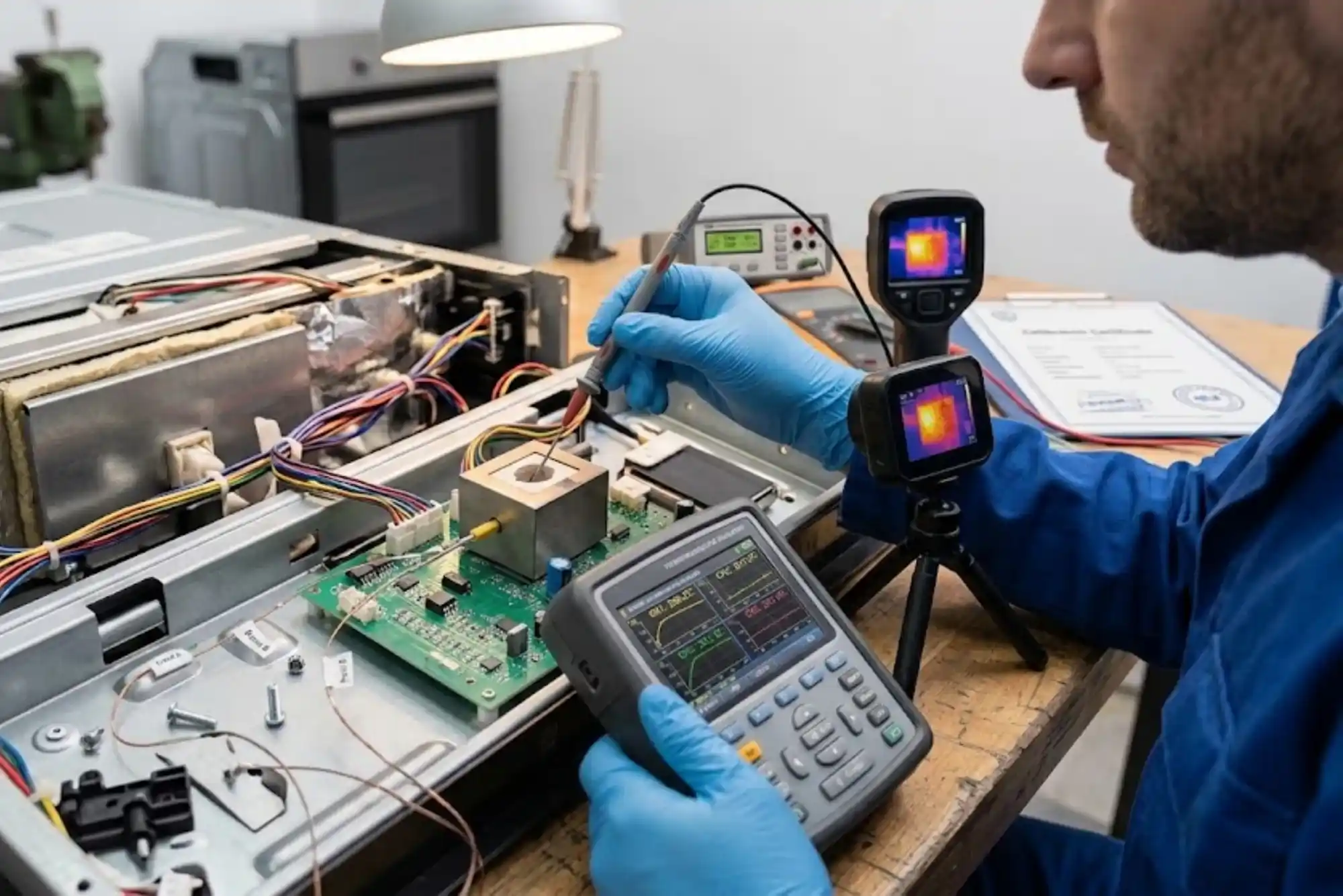
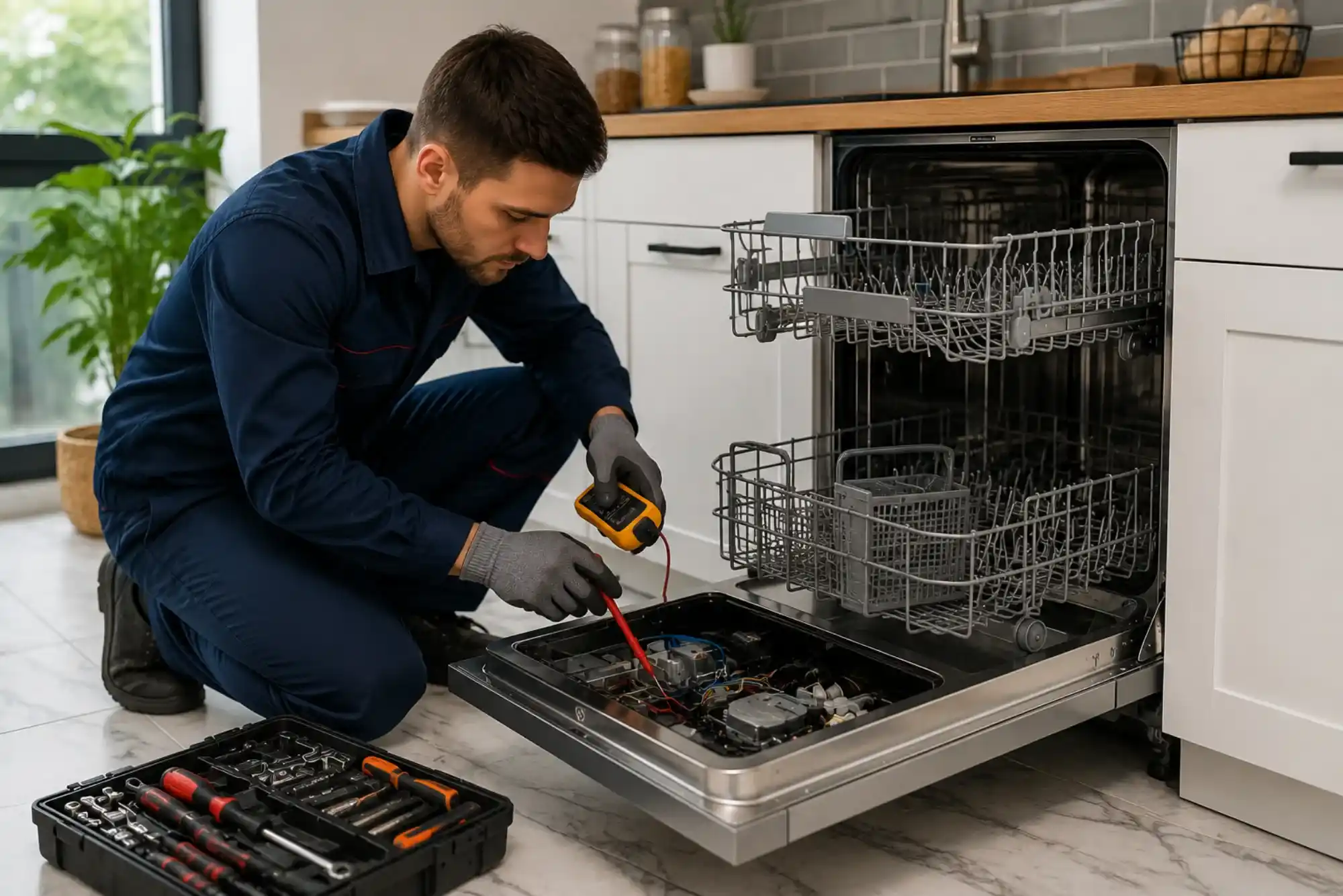
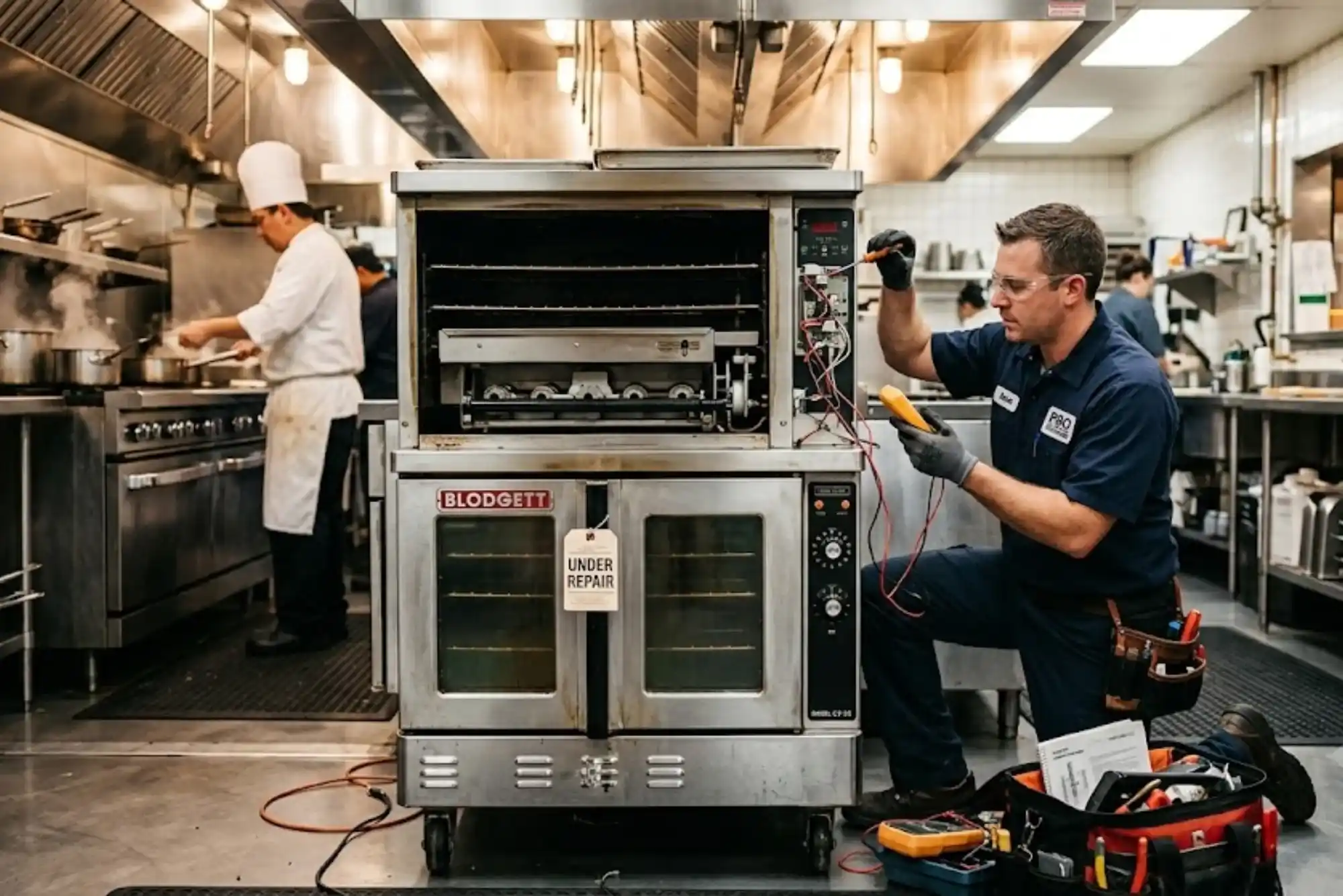
The repair process begins with a detailed inspection of the refrigerator’s cooling system. The technician first checks the temperature control settings and listens for any unusual compressor sounds. Using a multimeter, the technician tests the thermostat’s continuity to determine whether it’s functioning correctly.
If the thermostat is found to be faulty, it will be carefully disconnected from the wiring and replaced with a compatible model. After installation, the technician calibrates the new thermostat to ensure it accurately responds to temperature changes. Finally, the refrigerator is tested to confirm that cooling cycles are running smoothly and maintaining the correct temperature range.
When Replacement Becomes Necessary
Sometimes, repair is not a viable option, especially when the thermostat is beyond repair or when the cost of repair outweighs replacement. In such cases, installing a new thermostat ensures better performance and reliability. A new thermostat also provides improved temperature accuracy, allowing the refrigerator to maintain consistent cooling without overworking the compressor.
Replacement is often recommended for older refrigerators where other parts may soon fail due to age. Upgrading to a new thermostat can give your appliance a second life, extending its usability and preventing costly breakdowns in the future.
Preventing Thermostat Issues
Regular maintenance is key to preventing thermostat problems. Keep your refrigerator clean, especially around the control knobs and vents. Avoid setting the temperature too low, as it can strain the cooling system unnecessarily. Periodically check that the temperature control responds accurately and that the compressor cycles on and off normally.
It’s also important to maintain proper airflow inside the refrigerator by not overloading it with items. Overstuffing can restrict circulation, causing temperature inconsistencies that may affect the thermostat’s function. Scheduling regular professional inspections ensures early detection of potential issues before they escalate into costly repairs.
Energy Efficiency and Cost Savings
A properly functioning thermostat contributes directly to energy efficiency. When the thermostat maintains accurate temperature control, the refrigerator does not run longer than necessary, reducing electricity consumption. This not only lowers your utility bills but also reduces the wear and tear on the compressor, extending the appliance’s lifespan.
Professional refrigerator repair and timely thermostat replacement are smart investments. They prevent food spoilage, save energy, and reduce the risk of complete system failure that would otherwise require a full refrigerator replacement.
Choosing the Right Refrigerator Repair Service
When looking for a refrigerator repair service, choose a company with experienced and certified technicians who specialize in refrigerator repair. A reliable service provider should offer prompt diagnosis, transparent pricing, and high-quality replacement parts. Check for customer reviews, warranties, and service guarantees to ensure you receive dependable results.
Professional repair services not only handle thermostat issues but also inspect related systems to prevent future breakdowns. Partnering with an expert ensures your refrigerator remains in optimal condition for years to come.
A malfunctioning thermostat can disrupt your refrigerator’s cooling performance, leading to food spoilage and energy waste. Understanding the importance of timely refrigerator thermostat repair and replacement is essential for maintaining the efficiency and reliability of your appliance.
When signs of thermostat failure appear, seeking help from a professional refrigerator repair service is the best solution. Skilled technicians can quickly identify the problem, repair or replace the thermostat, and ensure your refrigerator operates at its best. With proper maintenance and timely attention, your refrigerator can continue serving your household efficiently and reliably for many years.