Siemens refrigerators are renowned for their reliability, advanced technology, and modern design. They offer exceptional cooling performance, energy efficiency, and a range of smart features that make daily life easier. However, even high-quality appliances are not immune to technical issues. One of the most common challenges that Siemens refrigerator owners face is the appearance of error codes on the display. These codes are essential diagnostic signals that alert users to potential problems in the appliance. Understanding what a Siemens refrigerator error code means, its possible causes, and how to address it is vital for maintaining optimal appliance performance and avoiding expensive repairs.
Error codes are more than just numerical or alphanumeric combinations on the display. They serve as a communication bridge between the appliance and the user or service technician. They indicate malfunctions in specific components, sensors, or systems within the refrigerator. Recognizing these signals promptly can prevent further damage, ensure food safety, and minimize downtime.
What Is a Siemens Refrigerator Error Code?
A Siemens refrigerator error code is a system-generated alert displayed on the control panel when the appliance detects a fault. Modern Siemens refrigerators are equipped with electronic control systems that monitor various aspects of operation, including temperature regulation, defrost cycles, compressor performance, fan operation, and sensor functionality. When an abnormal condition occurs, the control system identifies the source of the problem and displays a corresponding error code.
These codes are designed to simplify the diagnostic process for both users and professional technicians. They allow anyone responsible for the appliance to understand whether the problem is minor and easily resolvable or whether it requires professional attention. While some error codes can be cleared by simple resets or adjustments, others point to critical issues that must be addressed by a qualified refrigerator repair service.
Common Siemens Refrigerator Error Codes and What They Mean
Siemens refrigerators have a variety of error codes, which may vary depending on the model. However, certain codes are frequently observed across multiple models. Understanding what these error codes signify is crucial to addressing issues quickly and efficiently.
For example, an E1 error code generally indicates a malfunction in the temperature sensor that monitors the refrigerator compartment. This sensor is responsible for regulating the internal temperature by communicating with the control board. If the sensor is faulty, the refrigerator may fail to maintain the desired temperature, potentially compromising food safety.

An E3 error code is commonly associated with problems in the defrost system. The defrost system prevents ice buildup on the evaporator coils, which is essential for maintaining efficient cooling. A defective defrost sensor, heater, or thermostat may trigger this code, and prolonged issues could lead to ice accumulation that affects airflow and cooling efficiency.
Compressor-related error codes often signal issues in the mechanical or electrical components of the cooling system. The compressor is the heart of the refrigeration process, circulating refrigerant to remove heat from the interior. Errors in this system may indicate worn-out components, electrical faults, or refrigerant leakage, requiring prompt professional intervention.
By recognizing the meaning of each error code, homeowners can quickly assess the severity of the problem and decide whether a simple troubleshooting step or professional repair service is necessary.
Causes of Siemens Refrigerator Error Codes
The underlying causes of Siemens refrigerator error codes are diverse and can stem from internal or external factors. Sensor malfunctions, electrical issues, defrost system failures, and compressor problems are common internal sources. Environmental conditions and user practices may also contribute to errors.
Temperature sensor errors often occur due to damaged wiring, loose connections, or defective sensors. If the sensor fails to relay accurate readings, the refrigerator cannot maintain the desired temperature, triggering an error code. In some cases, a control board malfunction may misinterpret sensor readings, further complicating the issue.
Defrost system errors may arise from ice accumulation on the evaporator coils, which can happen when the door is frequently opened or left ajar. A malfunctioning defrost heater or thermostat may also prevent the appliance from melting excess ice, leading to E3 or similar error codes. Left unresolved, these issues can compromise airflow, reduce cooling efficiency, and even damage the compressor.
Compressor-related errors can result from mechanical wear, refrigerant leakage, or electrical malfunctions. Since the compressor is a critical component responsible for circulating refrigerant, any fault can significantly impact cooling performance. Professional repair service is essential to diagnose and resolve such issues safely.
External factors can also contribute to error codes. Power fluctuations, voltage instability, and improper installation can disrupt normal operation and trigger alerts. Placing the refrigerator near heat sources, blocking vents, or overcrowding the interior can affect temperature consistency, prompting sensor alerts. Recognizing both internal and external causes is key to effective troubleshooting.
How to Troubleshoot Siemens Refrigerator Error Codes
When an error code appears on a Siemens refrigerator, it is important to respond calmly and systematically. The first step is to consult the user manual, which provides detailed explanations for each code. Some errors may be resolved by simple corrective measures, such as resetting the appliance. A reset typically involves turning off the refrigerator, unplugging it for a few minutes, and then restarting it. This process may clear minor glitches in the electronic control system and allow normal operation to resume.
Temperature-related errors can sometimes be resolved by adjusting the settings or ensuring that the refrigerator is not overloaded. Defrost system errors may temporarily improve by removing ice buildup manually, though persistent problems require professional attention. Attempting to repair complex components, such as the compressor or control board, without proper training can worsen the issue and void the warranty.
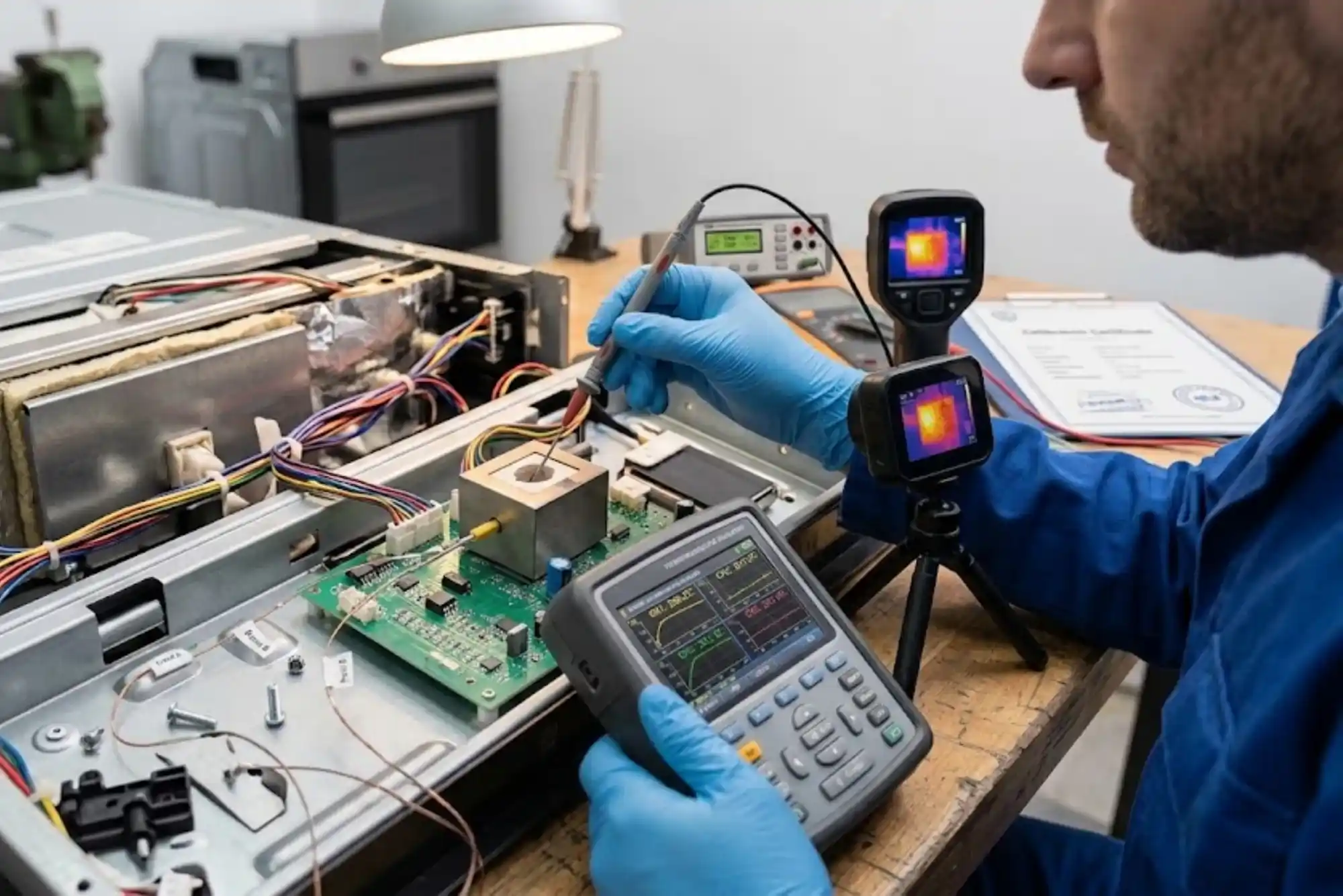
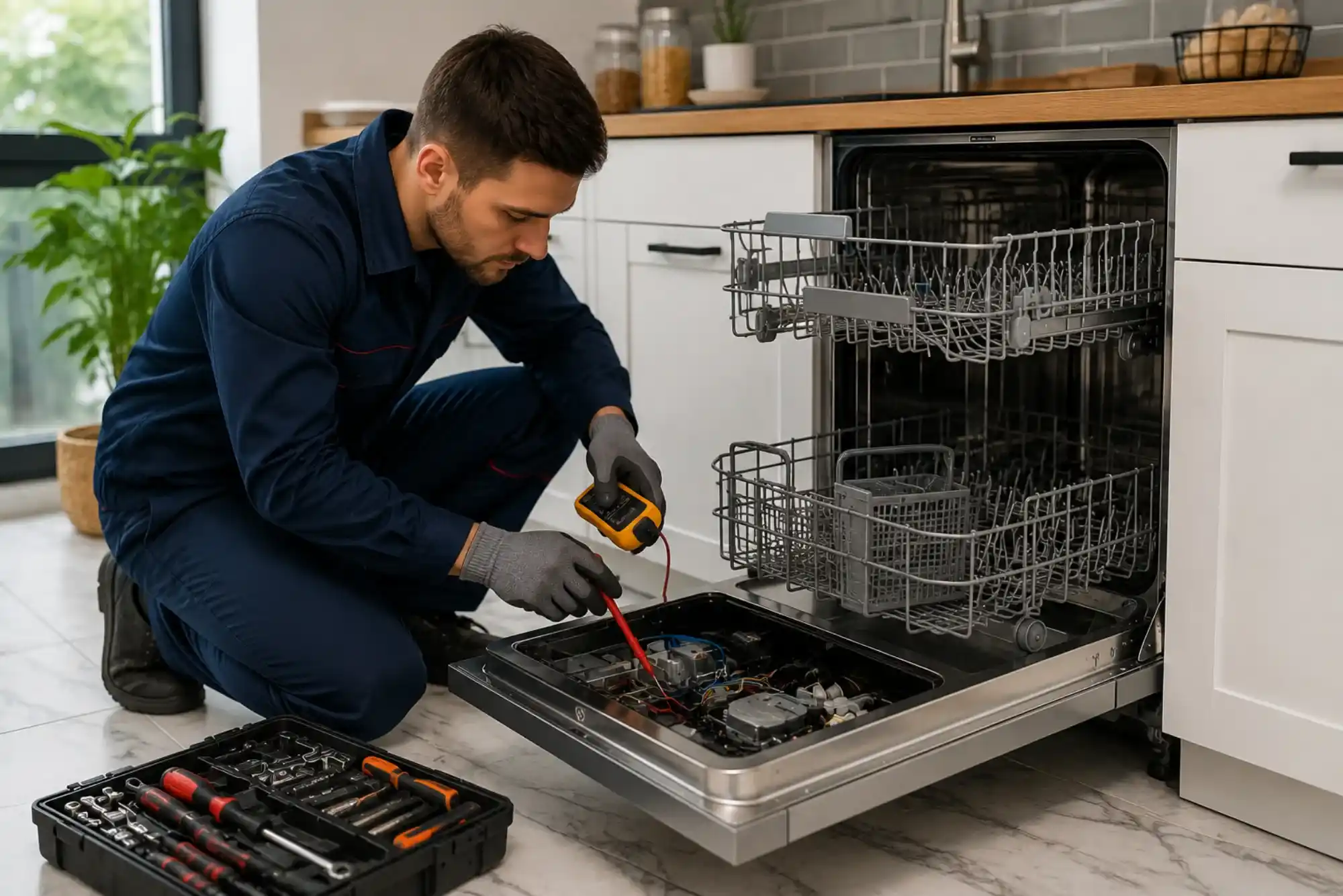
Professional troubleshooting is critical for persistent or complex error codes. Certified technicians have specialized tools and expertise to diagnose the root cause accurately, preventing trial-and-error approaches that can lead to further damage. They can identify whether a sensor, defrost system, compressor, or control board needs repair or replacement.
Importance of Professional Refrigerator Repair Service
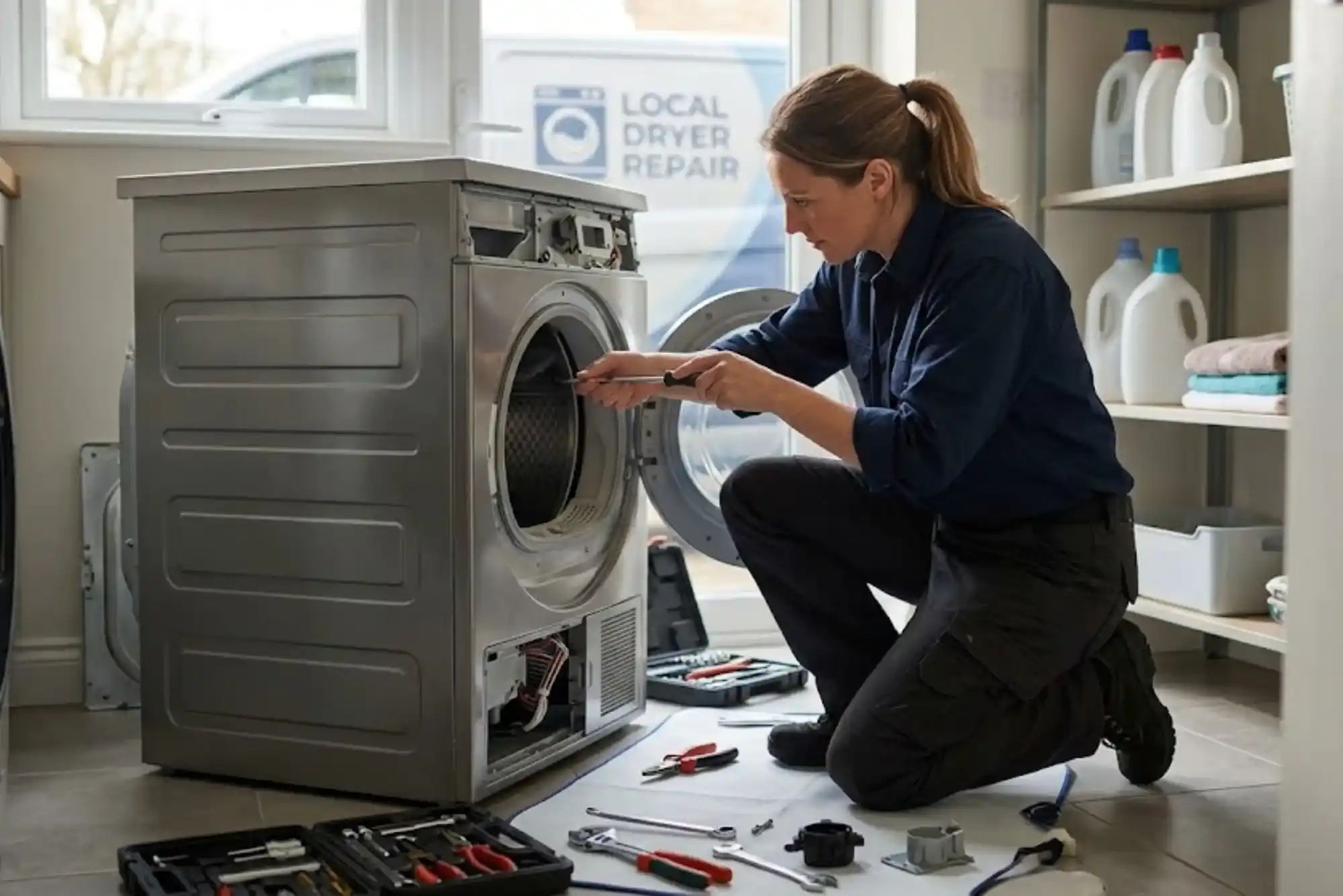
Engaging a professional refrigerator repair service is often the safest and most efficient way to address Siemens refrigerator error codes. Certified technicians bring the knowledge, tools, and access to genuine Siemens replacement parts required to restore optimal functionality. They can diagnose complex issues accurately, perform repairs safely, and ensure compliance with manufacturer standards.
Professional repair service not only resolves current issues but also provides preventive maintenance to reduce future problems. Technicians can inspect electrical connections, verify sensor calibration, and check airflow to prevent recurring errors. This proactive approach helps maintain energy efficiency, prolongs the life of the refrigerator, and minimizes the risk of costly breakdowns.
A professional service is also valuable for maintaining warranty coverage. Siemens often requires repairs to be performed by authorized technicians to honor warranty terms. Using certified services ensures that repairs are done correctly and protects the consumer from potential liability due to improper handling of the appliance.
Preventive Measures to Reduce Error Codes
While it is impossible to eliminate all potential errors, several preventive measures can help minimize their occurrence. Ensuring proper installation and ventilation is crucial for efficient cooling performance. The refrigerator should be placed away from direct sunlight, heat sources, and walls to allow proper airflow. Maintaining consistent temperature settings and avoiding frequent door openings can prevent unnecessary stress on sensors and compressors.
Regular cleaning of vents, coils, and internal components helps prevent dust and ice buildup, which can interfere with performance. Monitoring for unusual noises, temperature fluctuations, or error codes allows timely intervention before minor issues escalate. Staying informed about model-specific guidelines from Siemens manuals and online resources equips users with knowledge to address minor issues safely.
Routine preventive checks by professional technicians are highly recommended. Scheduled inspections can detect early signs of component wear or system inefficiencies, allowing corrective measures before a major malfunction occurs. By combining preventive care with timely professional support, homeowners can maintain the reliability and longevity of their Siemens refrigerators.
Case Studies of Siemens Refrigerator Error Resolution
Many users have successfully addressed Siemens refrigerator error codes by combining careful troubleshooting with professional repair service. For instance, a homeowner encountering an E1 temperature sensor error discovered that the sensor wiring had become loose due to frequent movement of items inside the refrigerator. A technician quickly reconnected the sensor, verified proper function, and the appliance returned to normal operation.
In another case, persistent E3 defrost system errors were traced to a malfunctioning defrost heater. The homeowner had initially attempted to remove ice manually, but the problem recurred. Engaging a certified repair service ensured that the defective heater was replaced safely, restoring proper cooling and preventing further ice buildup.
These examples highlight the importance of understanding error codes, knowing when to attempt minor corrective measures, and recognizing when professional intervention is required. A timely repair not only resolves the immediate problem but also protects the appliance’s long-term performance.
Siemens refrigerator error codes are vital indicators that alert users to potential problems, ranging from minor sensor glitches to major system malfunctions. Understanding these codes, identifying their causes, and taking appropriate action is crucial for maintaining the appliance’s efficiency, reliability, and longevity. While some minor issues can be resolved through basic troubleshooting, complex errors involving compressors, defrost systems, or control boards require professional refrigerator repair service.
Certified technicians provide accurate diagnosis, safe repair, and preventive maintenance, ensuring that Siemens refrigerators continue to operate optimally. By combining awareness of error codes, preventive measures, and expert repair support, homeowners can enjoy the full benefits of their Siemens appliance without interruption, maintaining consistent cooling performance and protecting food safety. Ultimately, recognizing and responding promptly to error codes is the key to extending the life of a Siemens refrigerator and maximizing the investment in a high-quality, modern appliance.
Related Reading: Bosch Refrigerator Noise Issue
Related Reading: AC Ice Formation on Coils — full guide
Related Reading: Hitachi Fridge Temperature Problem — full guide
Related Reading: AC Bad Odor from Vents — full guide
Related Reading: Buying a Launderette Business in the UAE: What Buyers Should Check Before Making an Offer — full guide