Refrigerators are indispensable appliances in every modern kitchen, ensuring food safety, freshness, and convenience. Bosch refrigerators, known for their reliability and advanced technology, are widely used across households. However, even high-quality appliances can develop issues over time. One of the most common complaints Bosch refrigerator owners report is unusual noise. Understanding, diagnosing, and addressing Bosch refrigerator noise issues is crucial to maintaining optimal performance and preventing further mechanical or electrical problems. Professional support from experienced service providers ensures effective solutions and long-term reliability.
Refrigerator noise is not merely an inconvenience; it often signals underlying problems within the appliance. Left unaddressed, persistent noise may indicate failing components, poor installation, or accumulated debris affecting the system. Many homeowners notice rattling, humming, clicking, or grinding sounds and search for solutions such as “Bosch refrigerator repair near me.” Prompt attention and proper servicing can prevent minor issues from escalating into expensive repairs.
Understanding the Sources of Noise in Bosch Refrigerators
To address Bosch refrigerator noise issues effectively, it is essential to understand the mechanisms that generate sound. Refrigerators have several moving components, including compressors, evaporator fans, condenser fans, ice makers, and water pumps. Each component produces some level of operational sound; however, abnormal noise often indicates a problem.
The compressor, responsible for circulating refrigerant, may produce loud humming or buzzing when it struggles to maintain proper pressure. Evaporator fans, which circulate cold air throughout the appliance, can develop imbalance or obstruction, creating unusual whirring or grinding sounds. Ice makers and water dispensers also produce clicking, gurgling, or buzzing noises when water flow is restricted or components are worn. Understanding the normal operational sound of a Bosch refrigerator helps distinguish harmless noise from problematic signals.
Common Types of Bosch Refrigerator Noise
Owners of Bosch refrigerators report a variety of noises that can indicate different issues. One common noise is a loud buzzing or humming sound, often caused by the compressor or condenser fan struggling due to electrical or mechanical strain. Clicking sounds may occur during automatic defrost cycles or when the ice maker engages, but persistent clicking can indicate mechanical failure.
Rattling noises often originate from loose components, improperly installed shelves, or items vibrating within the appliance. Gurgling or hissing sounds may come from refrigerant flowing through the cooling system, which is normal; however, excessive or irregular hissing can suggest a leak or blockage. Recognizing the type of noise helps determine the necessary corrective measures.

Causes of Persistent Noise in Bosch Refrigerators
Persistent Bosch refrigerator noise usually points to specific causes. Accumulated debris such as ice, dirt, or food particles can obstruct fan blades, causing imbalance and unusual sounds. Over time, wear and tear on moving components like the compressor, evaporator fan motor, or condenser fan motor can lead to mechanical friction, producing grinding or buzzing noise.
Installation issues can also contribute. If the refrigerator is not level, vibrations may transfer to the cabinet or floor, amplifying operational sounds. In addition, improper placement near walls or cabinetry can restrict airflow and increase noise levels. Professional inspection is often necessary to identify the exact cause and recommend the appropriate solution.
Impact of Noise on Appliance Performance
Excessive noise in a Bosch refrigerator is not merely a nuisance. It often indicates stress on mechanical or electrical components, which can reduce the appliance’s efficiency. For example, a failing compressor may consume more energy to maintain proper cooling, increasing electricity bills. Blocked fans can reduce airflow, leading to uneven cooling and potential food spoilage.
Persistent noise without intervention can accelerate wear on other components, resulting in multiple failures. Addressing noise issues promptly with professional service ensures the refrigerator operates efficiently, maintains consistent temperatures, and extends appliance life.
Professional Diagnosis and Repair
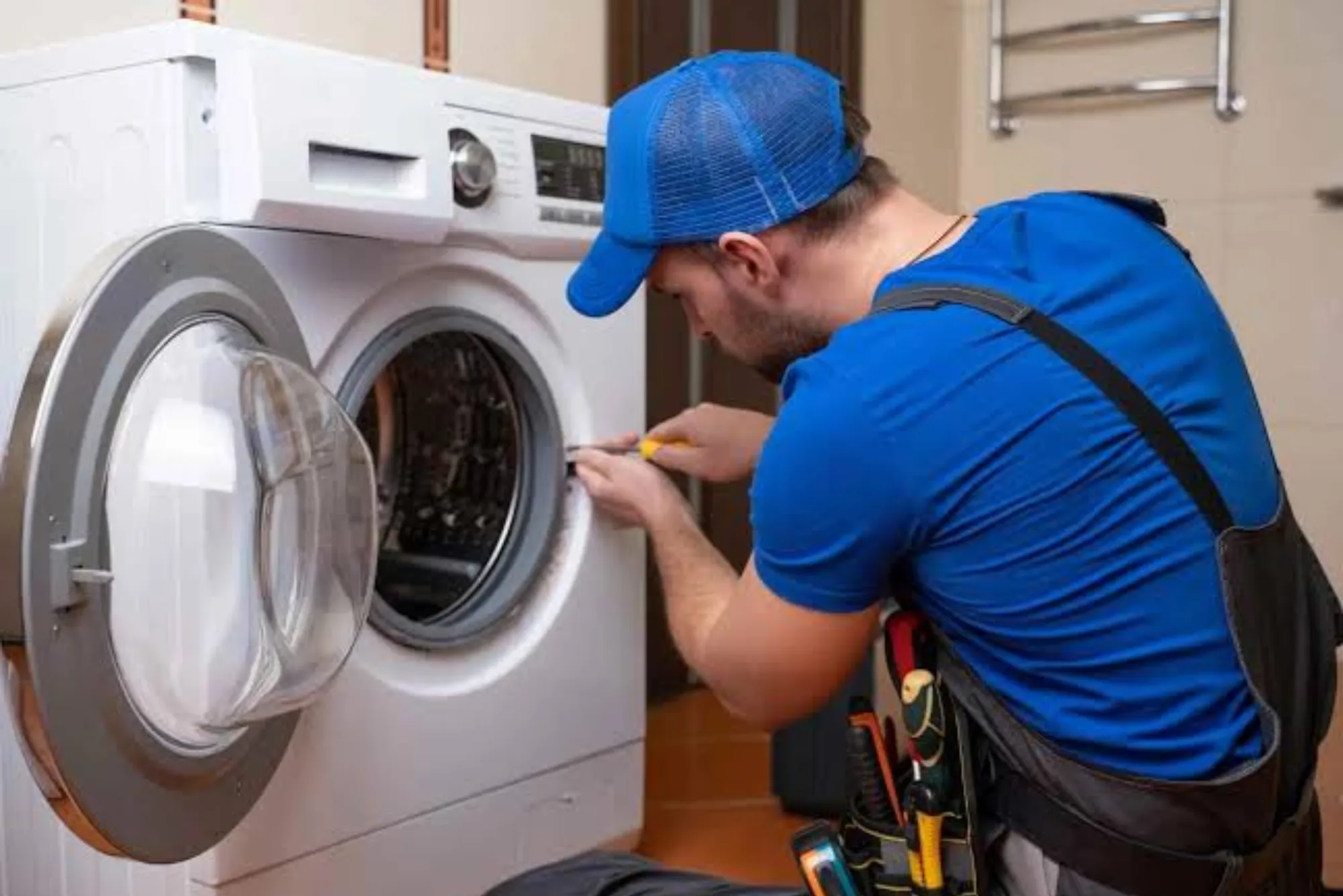
Professional technicians provide the most reliable approach to resolving Bosch refrigerator noise issues. During diagnosis, technicians inspect all moving components, check for obstructions, test electrical connections, and evaluate compressor and fan performance. This thorough inspection identifies both the source of the noise and potential secondary issues that could develop if left untreated.
Once the source is identified, repair may involve cleaning fan blades, lubricating motors, tightening loose parts, or replacing worn components. For compressor-related noise, professionals ensure correct alignment, pressure, and operation. Choosing qualified service providers such as Bosch-certified technicians ensures safety, quality repairs, and long-term reliability.
Preventive Measures to Reduce Noise
Homeowners can take several preventive steps to minimize Bosch refrigerator noise. Regular cleaning of the condenser coils, fans, and ice maker helps reduce operational strain. Ensuring proper leveling and spacing between the appliance and walls prevents vibration amplification. Additionally, maintaining even weight distribution on shelves and avoiding overloading drawers reduces rattling and contact noise.
Routine maintenance, combined with professional inspection, prevents small issues from becoming major noise-related problems. Fast and effective preventive care reduces repair costs and enhances overall appliance performance.
Energy Efficiency and Noise Correlation
Noisy refrigerators often consume more energy than quiet, well-maintained units. A malfunctioning compressor, obstructed fan, or restricted airflow causes the appliance to work harder to maintain desired temperatures. Over time, this increased workload raises electricity consumption and may decrease the appliance’s lifespan.
By addressing Bosch refrigerator noise issues, homeowners not only restore quiet operation but also improve energy efficiency. Properly functioning components allow the refrigerator to maintain optimal temperatures without unnecessary strain, contributing to both economic and environmental benefits.
When to Seek Professional Help
While minor noises may be harmless, certain signs indicate the need for immediate professional attention. Continuous grinding, loud buzzing, or irregular clicking that persists despite routine cleaning requires service intervention. Ice buildup or water leakage accompanying noise is another red flag. Searching for “Bosch refrigerator repair near me” ensures access to certified technicians capable of accurately diagnosing and resolving the issue.
Professional service guarantees that repairs are performed safely, using genuine parts and correct procedures. This approach minimizes the risk of recurring noise and other complications, ensuring long-term appliance reliability.
Long-Term Benefits of Timely Noise Resolution
Addressing Bosch refrigerator noise issues promptly has multiple benefits. It prevents additional component wear, reduces energy consumption, and restores consistent cooling performance. Homeowners enjoy a quieter kitchen environment and reliable operation, maintaining food safety and convenience.
Timely repairs also extend appliance life, reducing the likelihood of premature replacement. Professional service ensures correct handling, proper installation, and optimized performance, offering peace of mind for years.
Bosch refrigerator noise issues can range from minor operational sounds to indicators of significant mechanical or electrical problems. Understanding the sources, recognizing common noise patterns, and seeking professional diagnosis are crucial to maintaining appliance efficiency and longevity. Whether caused by compressor strain, fan imbalance, ice buildup, or installation issues, noise should never be ignored.
Related Reading: Siemens Refrigerator Error Code