An oven is one of the most relied-upon appliances in the kitchen. From baking delicate pastries to roasting meat, consistency in temperature is essential. Yet, many home cooks notice that dishes sometimes come out undercooked, overdone, or unevenly baked, even when they followed recipes exactly. The reason often lies not in the cook but in the oven itself. The temperature displayed on the dial or digital panel may not reflect the actual heat inside. Understanding why your stove oven temperature is off, what factors contribute to the problem, and how you can bring it back into alignment can restore confidence and precision to your cooking.
The Importance of Oven Temperature Accuracy
Cooking is both science and art, and temperature plays a crucial role in both. In baking especially, a few degrees can make the difference between a fluffy cake and one that collapses. Proteins, sugars, and starches all respond to heat in predictable ways, and recipes are developed with these reactions in mind. If your oven runs hotter than indicated, baked goods may brown too quickly while remaining raw inside. If it runs cooler, you may find that dishes never quite reach the right texture or take far longer than expected to finish.
Commercial kitchens use calibrated ovens to maintain strict standards, but household appliances are rarely perfect. Over time, wear and tear, sensor drift, or mechanical faults can shift an oven’s performance. This does not mean your oven is unusable, but it does mean awareness and adjustments are necessary.
Why Ovens Drift from Their Set Temperatures
The most common reason an oven’s internal temperature does not match its setting is sensor inaccuracy. In modern electric and gas ovens, a temperature sensor monitors the heat and signals the control board to cycle the heating element or gas flame on and off. If that sensor is damaged, dirty, or failing, the control system makes incorrect adjustments. Older ovens rely on mechanical thermostats, which can wear out, lose calibration, or become coated with residue over years of use.
Another factor is heat distribution. Even if the average temperature is close to accurate, hotspots or cold zones within the cavity can distort cooking results. This is especially true in ovens without a convection fan, where heat circulates less evenly. The buildup of carbon or food residue on heating elements or oven walls can further alter how heat radiates, making the appliance less predictable.
Manufacturers also design ovens with tolerances. It is common for household ovens to swing by 20 to 30 degrees during normal operation. This fluctuation is considered acceptable, as the cycling helps maintain energy efficiency. However, when the swings grow larger, problems emerge.

The Role of Oven Sensors and Thermostats
Modern ovens generally use electronic sensors, which detect changes in resistance as temperature rises. When calibrated correctly, they are reasonably precise, but even small changes in resistance readings can cause notable differences in heat regulation. For example, a sensor that drifts by only a few percent can make your oven run 25 degrees hotter or colder than the set temperature.
Mechanical thermostats in older models rely on a metal probe filled with gas or liquid that expands when heated. This expansion triggers a switch to control the burner or element. With age, the responsiveness of the probe diminishes, and the thermostat may not cycle at the correct points.
In both cases, the outcome is the same: your food cooks differently from what the recipe intended. Regular calibration or replacement is often necessary to restore proper performance.
Gas Ovens Versus Electric Ovens
Gas and electric ovens have different heating dynamics, and each type has its quirks when it comes to temperature accuracy.
Gas ovens rely on flame combustion. They tend to cycle more dramatically because the flame ignites and extinguishes in bursts. This can create larger swings in temperature, especially in basic models without advanced controls. Gas ovens also produce moisture during combustion, which can change the way food browns and cooks, giving the impression of inconsistent heat.
Electric ovens, by contrast, generally heat more evenly. Their elements glow steadily and can be modulated more precisely. However, they are not immune to sensor drift,stove oven temperature, and broken elements or poor connections can still cause cold zones.
Knowing which type you own can help you better interpret symptoms of inaccurate temperature.
Signs That Your Oven Is Running Hot or Cold
You may not suspect your oven is miscalibrated until repeated cooking mishaps occur. Typical signs include baked goods browning too fast on the outside, meats that remain underdone despite long cooking times, or dishes that consistently require adjustments beyond what the recipe specifies. If you routinely find yourself adding ten minutes to every baking project or pulling cookies early to keep them from burning, your oven is likely off.
Uneven cooking is another indicator. If one side of a tray is pale while the other is crisp, uneven heat distribution or hotspots may be at play. This is often a sign that the oven cavity or heating system needs attention in addition to temperature calibration.
How to Test and Verify Oven Temperature
The most reliable way to determine whether your oven is accurate is to use an oven thermometer. These inexpensive devices are designed to withstand high heat and give a reading of the actual internal temperature. Place one in the center of your oven, preheat to a common setting like 350°F, and observe the reading after the oven signals it has reached temperature.
For a more thorough test, check temperatures at multiple points—such as 300°F, 400°F, and 450°F—and at different rack positions. If you consistently see deviations of more than 15 to 20 degrees, calibration or repair is warranted.
Digital probe thermometers with oven-safe cables can provide even more precise results, logging temperature over time to show how widely the oven cycles above and below the set point.
The Role of Oven Design and Build Quality
Not all ovens are built to the same standards. High-end appliances often include better insulation, more accurate sensors, and advanced control boards that regulate temperature tightly. Budget-friendly models, while functional, may have looser tolerances by design. Over years of use, build quality plays a role in how far the oven drifts from accuracy.
Door seals also influence performance. A weakened gasket allows heat to escape, forcing the oven to cycle more frequently and unevenly. Even small leaks can create noticeable cold spots near the door. Similarly, racks placed too close to heating elements can exaggerate browning or burning, making it appear that the entire oven is running too hot.
Understanding the limitations of your appliance helps set realistic expectations and guides decisions about repair versus replacement.
The Impact of Oven Temperature on Recipes
Recipe developers assume a fairly consistent oven environment. When that environment shifts, results can vary dramatically. For instance, bread relies on a strong initial burst of heat to create oven spring, which expands the loaf. If the oven is cooler than stated, the bread may remain dense. Conversely, pastries may collapse if subjected to too much heat early on.
In roasting, meat proteins denature at specific temperatures, which determine tenderness and juiciness. An oven that runs hotter can overcook the exterior before the interior reaches safe levels, leading to dry, tough results. Desserts such as custards or cheesecakes are especially sensitive, as even small deviations can alter texture.
For anyone who bakes frequently, keeping the oven properly calibrated is not just a matter of convenience but of culinary success.
Maintenance and Calibration Options
If you discover your oven is inaccurate, several solutions exist. Many modern ovens include a calibration feature accessible through the control panel, allowing you to adjust the temperature offset by increments of 5 or 10 degrees. This feature lets you align the set point with the actual measured heat.
In older ovens, manual adjustment may involve turning a screw on the back of the thermostat knob. While simple, it requires care to avoid overcompensation. In some cases, replacing a faulty sensor or thermostat is the only reliable fix.
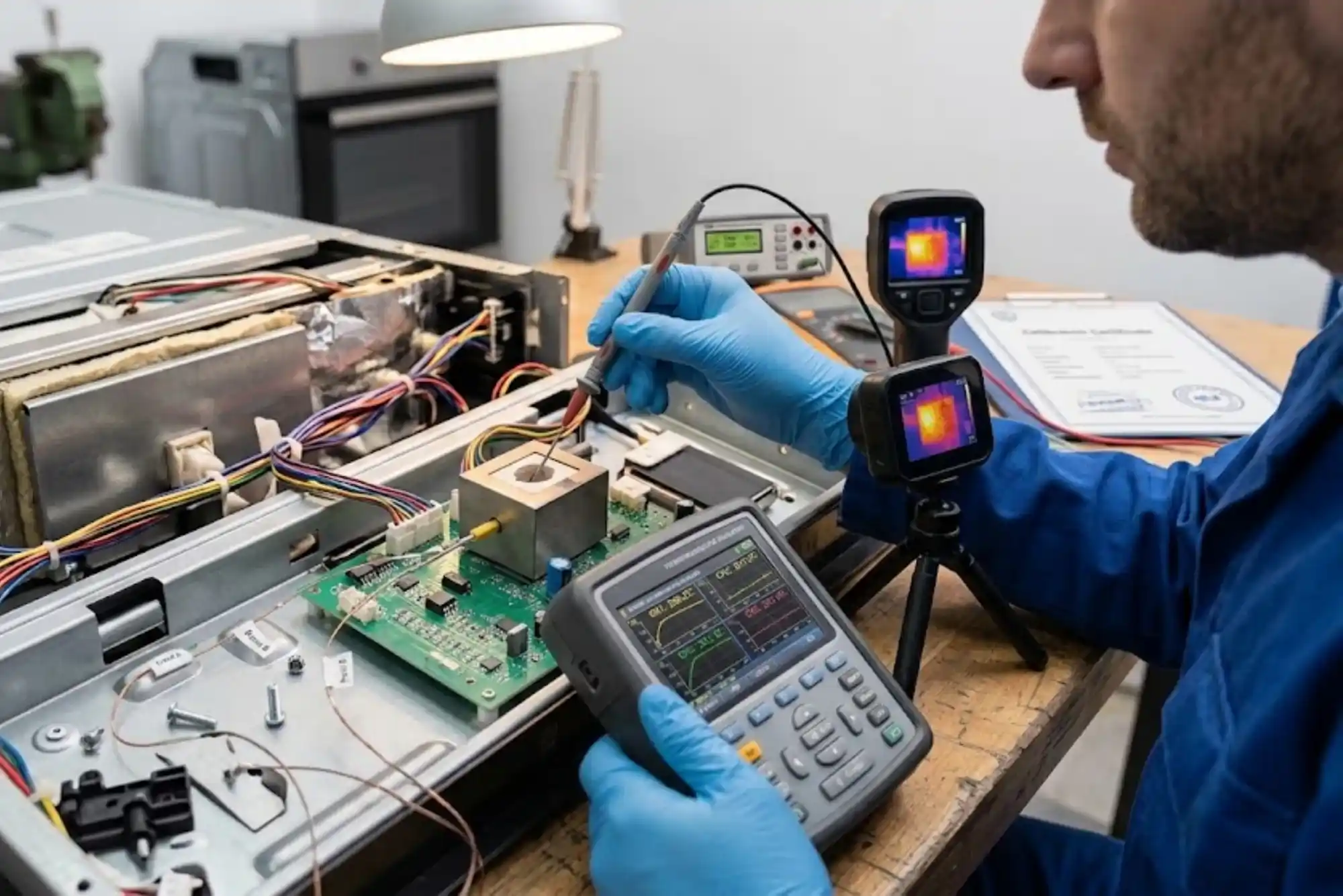
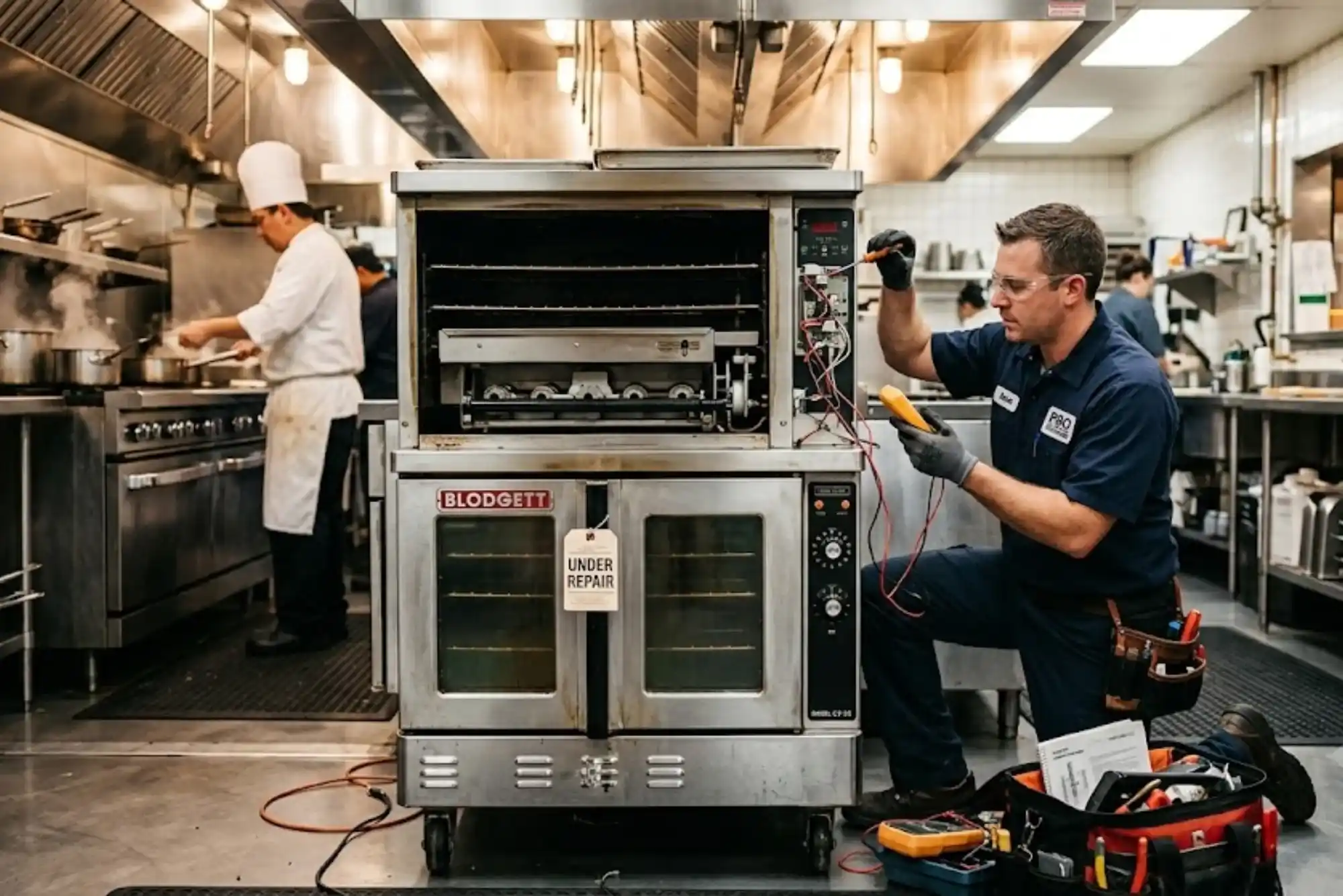
Professional appliance technicians can test, calibrate, and repair ovens with specialized equipment. If your oven is still under warranty, contacting the manufacturer’s service department may be the best path. Routine maintenance—such as cleaning heating elements, checking door seals, and ensuring proper ventilation—also helps keep your oven operating consistently.
Preventing Future Temperature Issues
Once your oven is calibrated, taking steps to prevent future drift is worthwhile. Avoid slamming the door, which can damage seals and hinges. Keep the cavity clean to ensure radiant heat distributes properly. Allow the oven to preheat fully before inserting food, as premature loading can confuse sensors and extend preheating cycles.
Using cookware that matches recipe recommendations also matters. Dark pans absorb and transfer heat more aggressively than light-colored or glass dishes, which can mimic the effect of a hotter oven. Understanding these dynamics allows you to adjust without assuming the oven itself is entirely to blame.
Finally, periodic checks with a thermometer—perhaps every few months—will alert you to changes before they impact important meals.
When It Is Time to Replace the Oven
No appliance lasts forever. If your oven frequently loses calibration, requires repeated repairs, or has severe insulation problems, replacement may be the most practical solution. Advances in technology have made modern ovens more efficient, accurate, and feature-rich, with options such as convection fans, smart controls, and self-cleaning modes that can simplify cooking.
An oven that consistently frustrates your cooking efforts costs more in wasted food and time than investing in a new model. When considering replacement, evaluate how much precision matters for the type of cooking you do most often. Serious bakers may benefit from higher-end ovens with tight temperature control, while casual users may find mid-range models sufficient.
Restoring Confidence in Your Cooking
Discovering that your stove oven temperature is off can be frustrating, but it is a common issue with a clear path to resolution. Temperature drift happens for many reasons, from aging sensors to weakened door seals. Testing with a thermometer, recalibrating settings, and maintaining the appliance can restore accuracy. For those who cook often, especially bakers, taking time to ensure oven precision pays off in better textures, flavors, and reliability.
An oven does not need to be perfect to produce delicious meals, but understanding its quirks and making informed adjustments puts control back in your hands. With the right care and awareness, your oven can once again become a trusted partner in the kitchen.