Cooking at home relies on the assumption that your stove will deliver consistent heat. Whether you’re boiling water, sautéing vegetables, or simmering sauces, even heat is essential for food to cook properly and safely. But what happens when one of your stove elements begins to behave unpredictably—heating too much in some spots and barely at all in others? An uneven stove element can quickly turn a simple meal into a frustrating experience. Understanding the reasons behind this issue is the first step toward restoring your stove’s performance and preventing future breakdowns.
Uneven heating is one of the most common complaints with both electric and induction stovetops. While it may seem like a small inconvenience, it often points to underlying issues in the stove’s components, electrical supply, or user practices. This article explores the root causes of uneven heating, the science behind stove elements, and the steps homeowners can take to address the problem effectively.
Understanding How Stove Elements Generate Heat
Before diving into the causes of uneven heating, it’s important to understand how stove elements are designed to function. Electric stove elements typically use coiled metal wires or flat heating elements made from alloys with high electrical resistance. When current flows through these wires, they heat up and transfer thermal energy to your cookware.
Induction cooktops, on the other hand, use electromagnetic fields to generate heat directly in the cookware rather than in the stove surface itself. While both systems are designed to create even, controllable heat, the mechanisms that deliver this energy can fail or degrade over time, leading to uneven results.
The key to consistent heating is the balance between the electrical supply, the physical condition of the element, and the quality of the cookware used. Any disruption in this balance can cause uneven heating.
Wear and Tear of Heating Elements
One of the most straightforward reasons your stove elements won’t heat evenly is simple wear and tear. Over time, the repeated expansion and contraction of metal components in electric coils can create microscopic fractures or weak spots. These irregularities affect the flow of current through the element, resulting in hot and cold patches.

If your stove has removable coil burners, you may notice certain sections glowing brighter than others. This uneven glow is a clear sign of deterioration. In flat-top stoves, damage may not be visible, but you can often feel it when food takes longer to cook in certain areas of the pan. Replacing worn elements is usually the most effective solution, as repairs are rarely practical for consumer-level components.
Electrical Supply and Connection Issues
Uneven heating does not always originate from the element itself. Sometimes the problem lies in the stove’s wiring or the household electrical system. Loose connections, corroded terminals, or damaged wiring can restrict the amount of current reaching the element. When this happens, parts of the burner may receive adequate power while other sections do not, creating inconsistency.
Voltage fluctuations in the home can also contribute to the problem. If your electrical system cannot supply the correct voltage, stove performance suffers. This is especially common in older houses with outdated wiring or in households where multiple high-demand appliances run simultaneously.
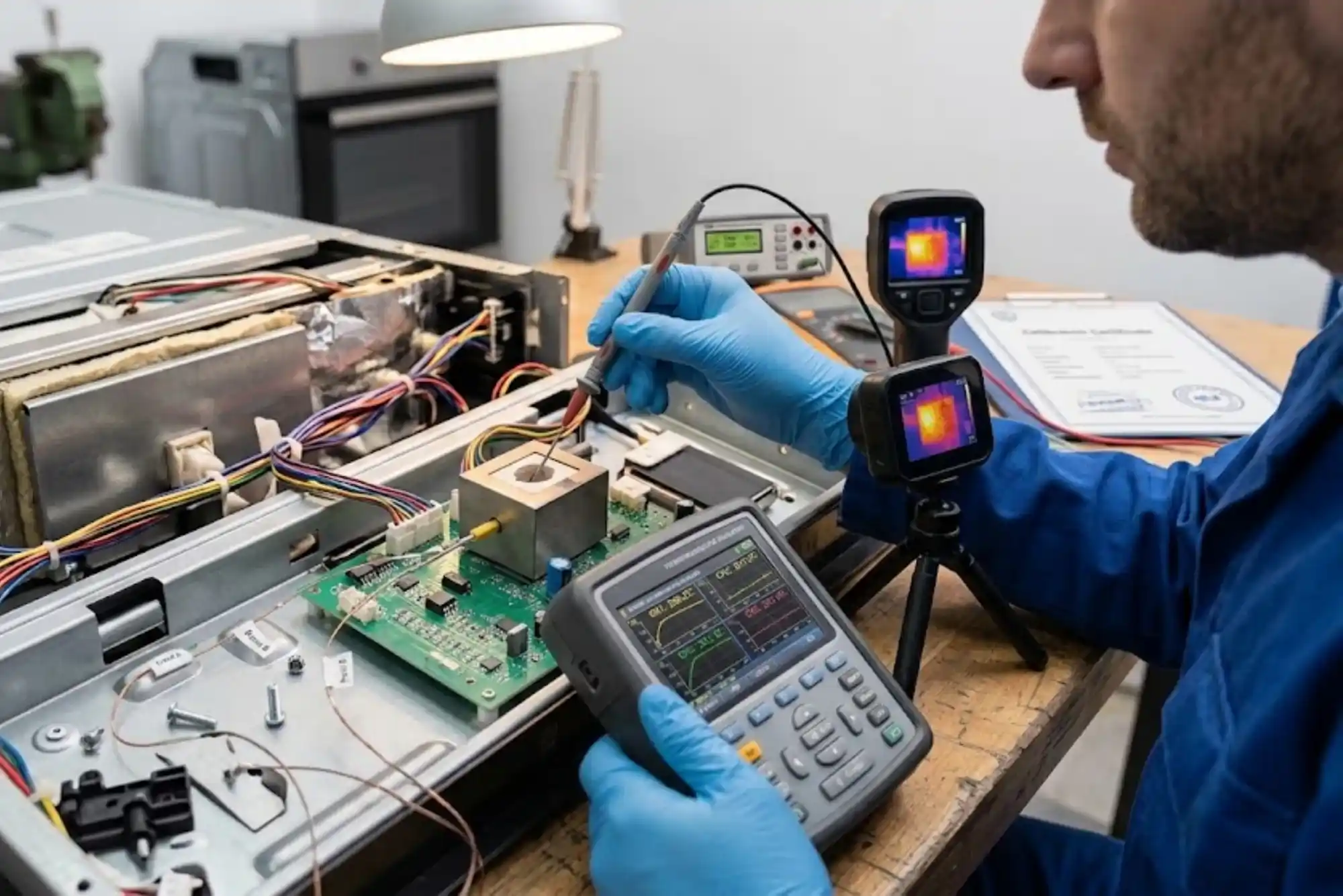
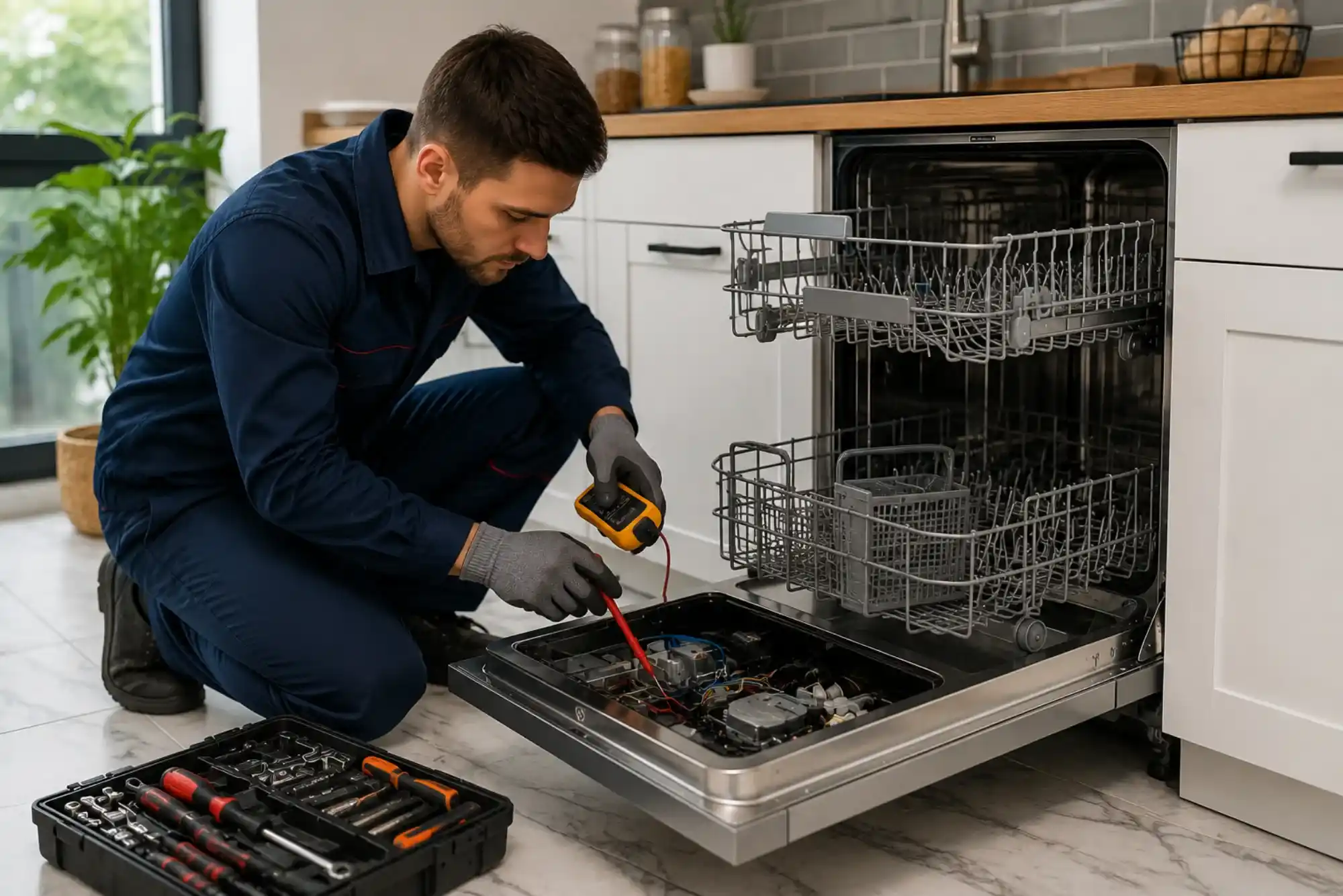
Diagnosing electrical issues often requires professional inspection, as opening up the stove or dealing with household wiring can pose safety hazards.
Impact of Cookware on Heat Distribution
Sometimes the stove element is not at fault at all—your cookware may be the real issue. Pots and pans with warped bottoms or uneven surfaces do not make consistent contact with the heating element. This prevents heat from transferring evenly across the cooking surface, resulting in hotspots that can scorch food while leaving other areas undercooked.
Cheap or low-quality cookware often has thin bases that cannot distribute heat evenly, amplifying the problem. Induction cooktops add another layer of complexity because they require cookware with a magnetic base. Non-magnetic or poorly constructed pans may not activate the induction process properly, leading to erratic heating patterns.
Investing in high-quality, flat-bottomed cookware made from materials like stainless steel or heavy-gauge aluminum can significantly improve heating consistency, even if the stove element itself is in good working order.
Residue, Dirt, and Physical Blockages
A surprisingly common cause of uneven heating is simple neglect. Grease, burnt food, and mineral buildup on stove elements or glass tops can interfere with heat transfer. On electric coil burners, residue can insulate certain parts of the element, causing uneven temperatures. On smooth ceramic or glass tops, dirt can prevent proper contact between the pan and the heating surface.
Regular cleaning not only improves cooking performance but also extends the life of your stove. Specialized cleaners for ceramic tops, along with careful scrubbing of coils, can help restore even heating. It’s important, however, to avoid abrasive materials that may scratch surfaces or damage heating components.
Malfunctioning Temperature Sensors and Controls
Modern stoves are equipped with thermostats and electronic control boards that regulate temperature. When these sensors malfunction, they may send incorrect signals to the heating element, causing it to cycle on and off inconsistently. This can create the impression that the stove is heating unevenly when, in reality, the control system is failing to regulate power correctly.
In some cases, the sensor may be out of calibration, meaning it no longer accurately detects surface or pan temperatures. In more serious cases, the control board itself may be damaged. Replacing or recalibrating these components is often necessary to restore proper performance.
Induction-Specific Issues
Induction cooktops present unique challenges. Because they rely on electromagnetic fields, any interference can disrupt heating. Cookware that does not align properly with the induction zone, or cookware that is too small, may not trigger consistent heating across the entire surface.
Additionally, faults in the induction coil beneath the glass surface can create uneven energy distribution. These coils can sometimes wear out or sustain damage from overheating, making replacement necessary. Software errors in induction stoves with digital control systems may also contribute to irregular heating patterns.
Preventive Practices to Maintain Even Heating
Preventing uneven heating is often easier and less costly than fixing it once it occurs. Regular maintenance, such as cleaning, inspecting for visible damage, and ensuring cookware is in good condition, can dramatically reduce the likelihood of problems.
It’s also wise to avoid overloading electrical circuits by running too many appliances at once, especially those that demand high wattage. If your home wiring is older, an electrical upgrade may be necessary to support modern kitchen appliances effectively.
When purchasing cookware, opt for heavy-bottomed pots and pans designed to distribute heat efficiently. Even if your stove elements are not brand-new, quality cookware can compensate for minor inconsistencies.
When Professional Service Becomes Necessary
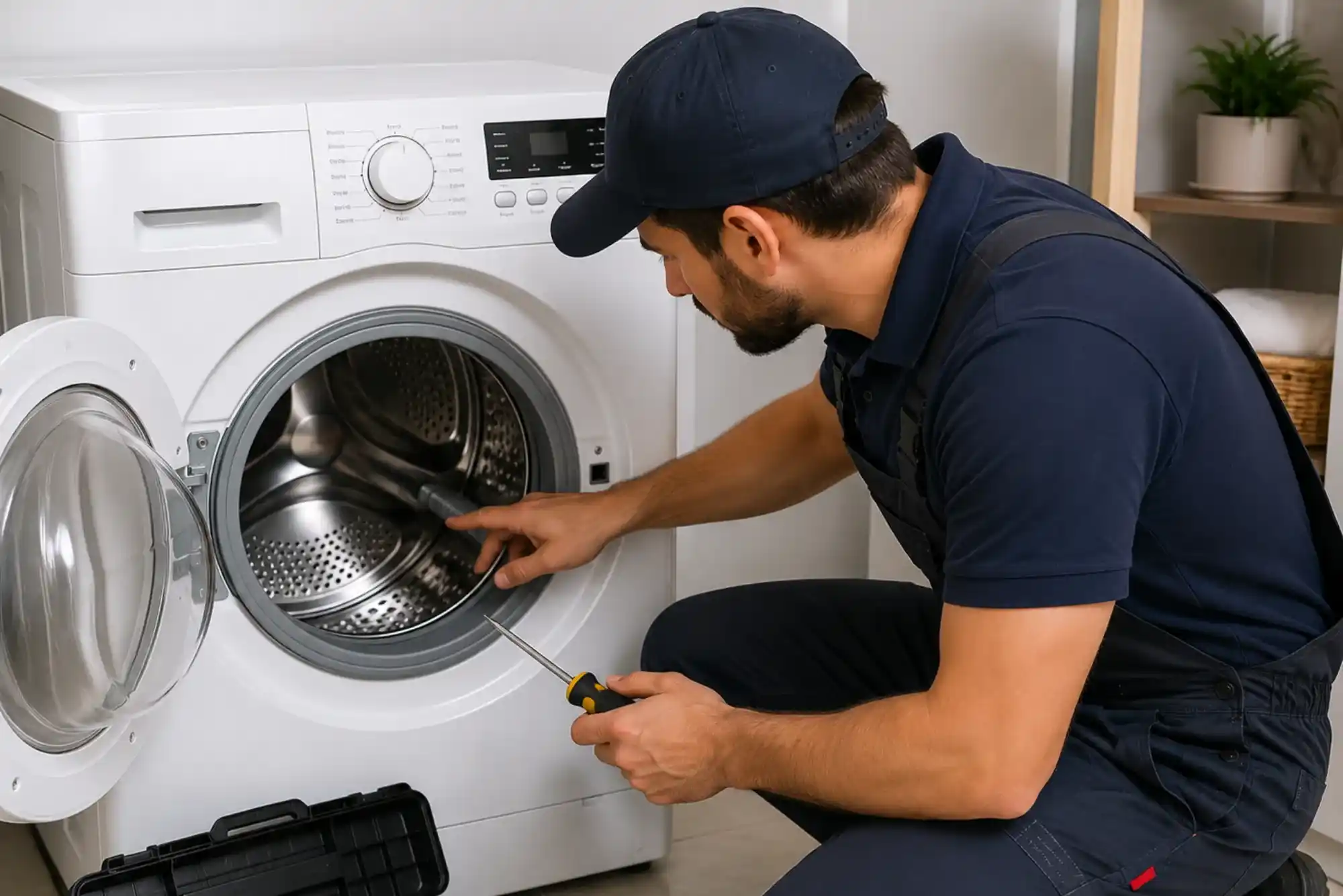
While some issues can be resolved with simple cleaning or cookware upgrades, many cases of uneven heating require professional intervention. If you suspect damaged wiring, faulty control boards, or failing induction coils, it is best not to attempt repairs yourself. Professional technicians have the tools and expertise to diagnose and replace faulty parts safely.
Timely professional service not only restores your stove’s performance but also prevents potential hazards. Electrical malfunctions can lead to shocks, fires, or further appliance damage if left unchecked.
The Long-Term Cost of Ignoring Uneven Heating
It may be tempting to work around uneven heating by adjusting cooking habits, such as constantly rotating pans or avoiding certain burners. However, ignoring the root cause can lead to more serious problems over time. A failing element may eventually stop working altogether, while untreated electrical issues can escalate into safety risks.
Furthermore, uneven cooking not only compromises the quality of your meals but also wastes energy. Burners struggling to heat evenly often consume more power in the process, driving up utility bills unnecessarily.
Restoring Confidence in Your Stove
A stove is one of the most used appliances in any household, and its ability to deliver steady, even heat is crucial for daily cooking. When stove elements fail to heat evenly, it is more than a minor annoyance—it signals that something within the system requires attention.
From worn elements and faulty wiring to poor-quality cookware and malfunctioning sensors, uneven heating can arise from many factors. Addressing the problem involves a combination of practical troubleshooting, preventive care, and, when necessary, professional service.
By maintaining your stove properly and investing in suitable cookware, you can restore consistency, improve cooking results, and extend the lifespan of your appliance. A kitchen should be a place of creativity and confidence, not frustration caused by unreliable heating. Understanding the reasons behind uneven stove performance is the first step in keeping your cooking experience smooth, safe, and satisfying.