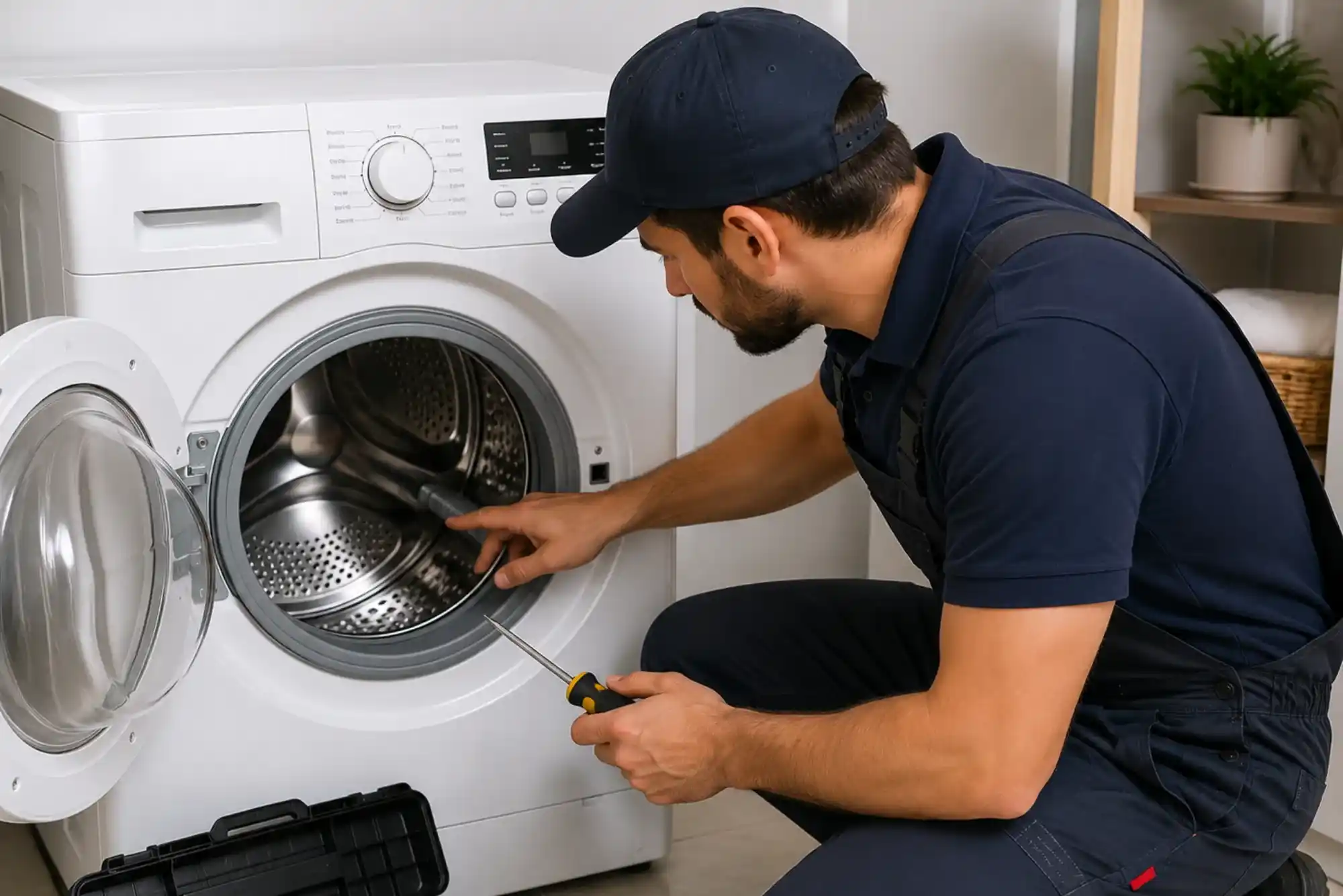
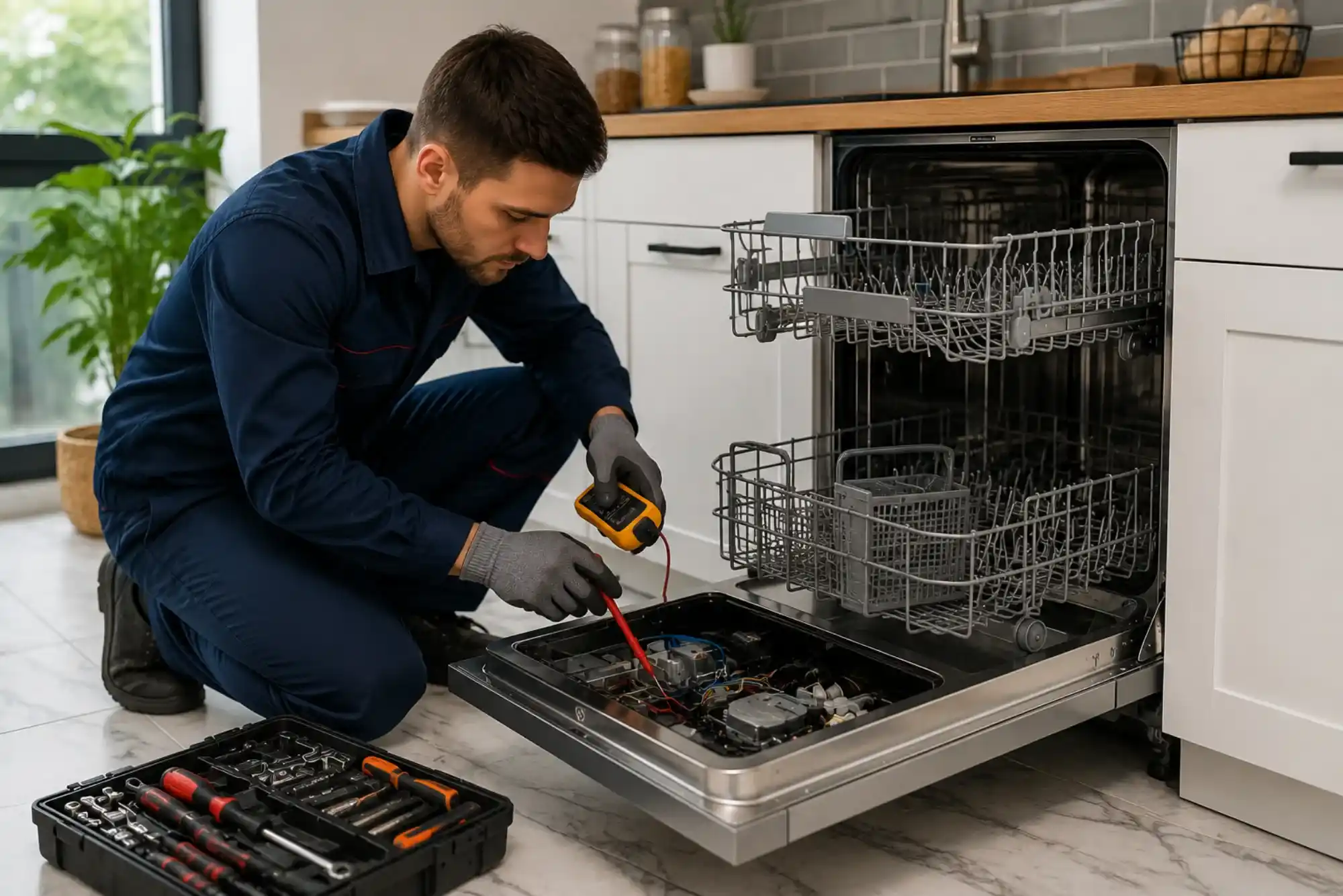
The convection fan inside a stove is a crucial component designed to circulate hot air evenly throughout the cooking chamber. This circulation ensures consistent temperatures, reduces cooking times, and improves energy efficiency. Without it, dishes may emerge undercooked in some areas and overcooked in others. The fan works by pulling hot air generated from the heating element and redistributing it across racks and surfaces, eliminating hotspots. For professionals and homeowners alike, understanding this core function is the first step before moving into diagnostics.
Recognizing Symptoms of Fan-Related Problems
When a convection fan begins to fail, the stove typically provides warning signs that should not be ignored. Uneven baking, humming or rattling sounds, and excessive heat in certain zones often indicate a struggling fan. Another signal is the complete lack of airflow despite the oven reaching the desired temperature. Sometimes food takes noticeably longer to cook, which points directly to circulation inefficiency. Recognizing these patterns early allows for timely troubleshooting before the damage worsens.
Examining Electrical Supply and Power Integrity
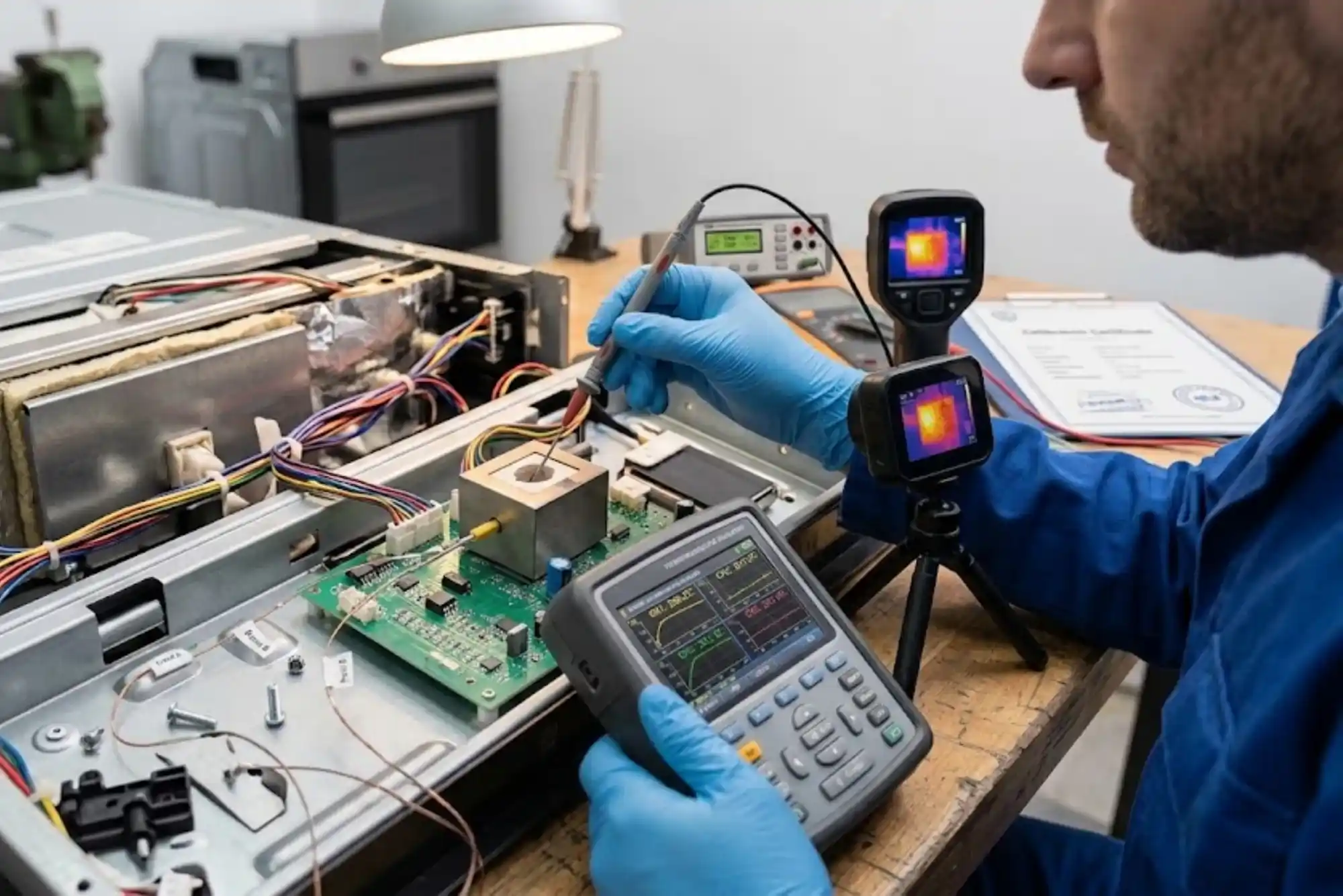
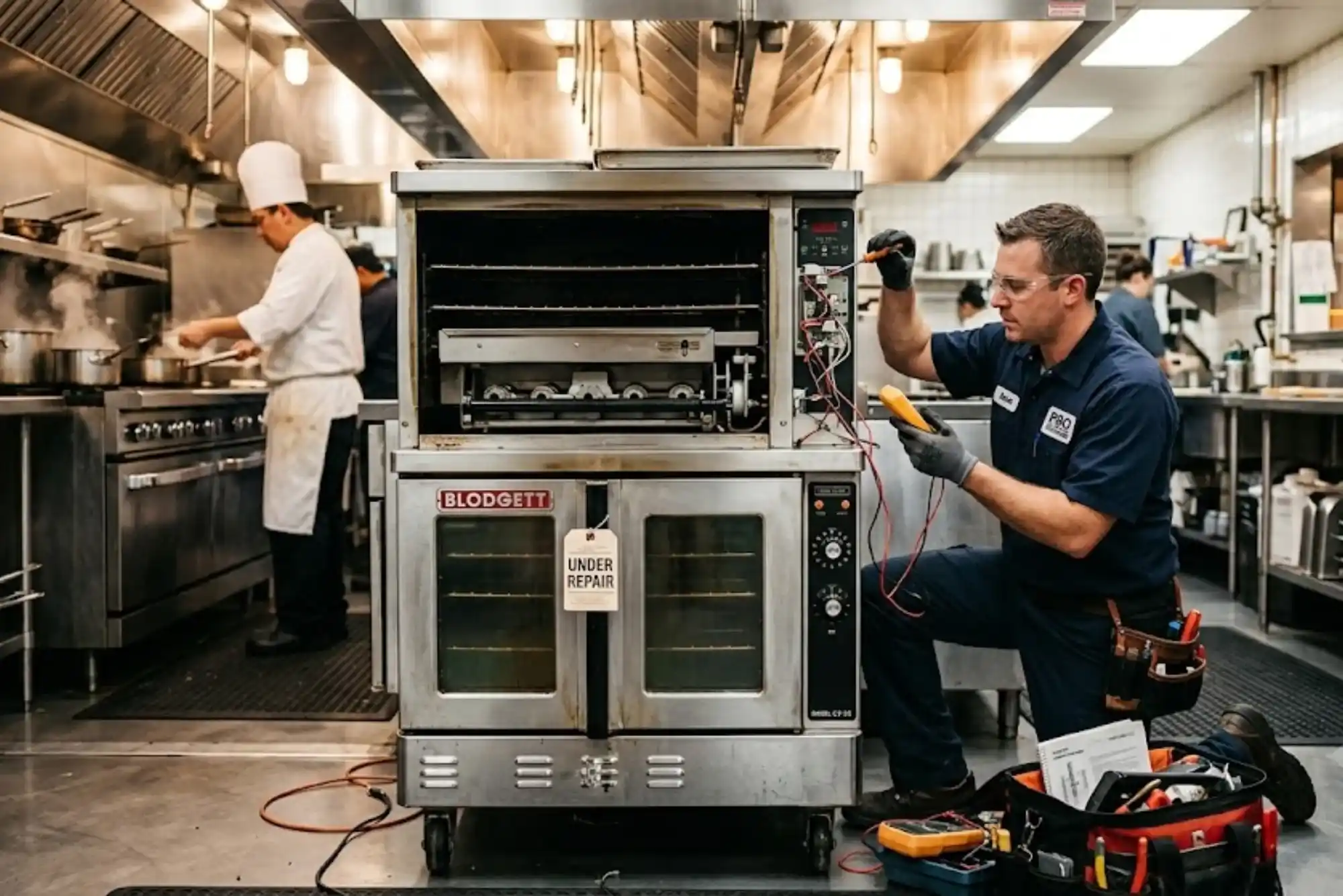
One of the most overlooked aspects of fan performance is its power supply. Since the fan motor relies on consistent voltage to operate, interruptions or fluctuations can lead to erratic behavior. Before assuming a mechanical failure, it is essential to verify whether the stove is receiving steady current from the household circuit. Loose wiring, damaged connectors, or tripped breakers are frequent culprits. Technicians often begin diagnostics with a multimeter test, ensuring the fan motor is drawing the expected current load. Addressing electrical irregularities often restores functionality without further disassembly.
Checking the Condition of the Motor Assembly
The fan motor is the heart of the convection system, and its wear is often responsible for malfunction. Over years of use, bearings inside the motor can degrade, creating friction and producing humming or grinding noises. A weak motor may still spin but at a reduced speed, failing to circulate air effectively. In severe cases, the motor burns out entirely, leading to complete fan stoppage. Professional troubleshooting involves inspecting motor resistance, measuring continuity, and physically assessing shaft mobility. In many cases, replacement rather than repair is the most practical solution, as modern sealed motors are not designed for rebuilding.
Assessing the Fan Blade and Its Alignment
Even when the motor functions properly, issues with the fan blade can undermine the system. A bent or cracked blade disrupts airflow and often creates vibrations that resonate through the oven chamber. Over time, screws holding the blade in place may loosen, causing wobbling during operation. Grease or food particles can also accumulate on the blade’s surface, reducing efficiency. During troubleshooting, technicians clean, tighten, or realign blades to ensure smooth performance. If the blade is warped beyond repair, replacement is necessary to restore optimal airflow.
Investigating Obstructions and Airflow Blockages
Restricted airflow is another common source of convection fan problems. Oven cavities are exposed to frequent spills, crumbs, and grease, which may migrate into the fan area. Even a partial obstruction can lead to reduced circulation and increased noise levels. Additionally, foil coverings placed improperly inside the oven can block vents and reduce air movement. A careful inspection of vents and fan housing often reveals hidden blockages. Cleaning with specialized brushes or vacuum attachments is an effective way to restore performance without invasive repairs.

Monitoring Temperature Regulation Issues
A malfunctioning convection fan often presents alongside irregular temperature control. If the thermostat senses uneven heat, it may cycle the heating element excessively, compounding the problem. Some stoves integrate the fan into the temperature regulation system, meaning that fan failure confuses electronic control boards. During troubleshooting, technicians compare actual cavity temperatures with control settings, often using infrared thermometers. If discrepancies appear, the issue may be a combination of fan and sensor malfunction, requiring simultaneous attention.
Evaluating the Control Board and Relay System
In modern stoves, electronic control boards dictate fan activation and speed. A defective relay or damaged circuit pathway can prevent the fan from receiving power even if the motor itself is intact. Control boards are sensitive to heat and moisture, making them vulnerable over time. Visual inspection may reveal burned-out relays or scorched components. In cases where the fan does not activate at all despite a functioning motor and intact wiring, the control board is often the root cause. Replacement of the board restores system coordination but requires precise part matching to the stove’s make and model.
Listening to Operational Sounds as Diagnostic Clues
The sounds produced during convection operation provide valuable diagnostic information. A healthy fan runs with a consistent, low hum. Deviations from this baseline often indicate mechanical or electrical issues. Rattling may point to loose blades or misaligned mounts. A screeching noise could stem from worn bearings. A complete absence of sound despite the oven being in convection mode often signals electrical interruption or total motor failure. By training the ear to these acoustic differences, professionals can narrow down potential problems before conducting physical inspections.
Balancing Repair Versus Replacement Decisions
Once the source of the convection fan problem is identified, the next step involves determining whether repair or replacement is most appropriate. For minor issues such as dirt buildup, loose fasteners, or simple obstructions, repair is cost-effective and straightforward. However, when dealing with worn motors, damaged blades, or defective control boards, replacement is often the better option. Modern appliances are built with integrated components that may not be serviceable in the traditional sense. Factoring in labor costs, part availability, and long-term reliability helps guide the best decision for the user.
Maintaining the Convection Fan for Longevity
Preventative maintenance plays a significant role in reducing the frequency of fan problems. Regular cleaning of the oven cavity, avoiding excessive foil coverings, and wiping spills promptly help prevent blockages. Periodic inspections of fan blades and motor assemblies extend service life. For professional technicians, scheduling maintenance during routine stove servicing allows issues to be identified early. Lubricating accessible bearings, tightening fasteners, and testing airflow efficiency are proactive measures that protect the fan from premature failure.
Safety Precautions During Troubleshooting
Safety is a critical element of troubleshooting stove convection fans. Because the system involves both high heat and electricity, proper precautions must always be taken. Disconnecting the appliance from power before opening panels is essential to avoid shocks. Insulated tools reduce the risk of accidental short circuits. When testing live circuits, technicians must use meters rated for household voltage levels. Protective gloves and eyewear also shield against sharp edges inside the oven assembly. Following established safety practices ensures diagnostics are performed without risk to personnel or property.
Understanding Manufacturer Variations in Design
Different stove manufacturers design convection systems in slightly different ways, which can influence troubleshooting approaches. Some brands use dual fans for larger ovens, while others integrate variable speed controls for precision. Certain models have fan-assisted preheating cycles, making fan failure more immediately noticeable. When diagnosing problems, familiarity with the specific brand and model helps streamline the process. Accessing manufacturer service manuals provides wiring diagrams, error codes, and torque specifications that aid in accurate and efficient repair.
Restoring Performance After a Successful Repair
Once repairs or replacements are complete, verifying restored performance is essential. This involves running the stove through various cooking modes to ensure consistent airflow. Measuring temperature distribution across different racks confirms that the convection system is functioning properly. A quiet, stable fan operation signals that alignment and motor function are correct. Documenting the work performed and advising the user on maintenance helps solidify long-term satisfaction. Restoring confidence in the stove’s convection capabilities is the final measure of successful troubleshooting.