When you think about the efficiency of a washing machine, you probably focus on the drum, motor, or detergent system. Yet one of the smallest and most essential components, the pressure switch, plays a far greater role than most realize. The washing machine pressure switch is a critical control device that determines the amount of water used during each cycle. Without it, your appliance could overflow, fail to fill properly, or operate inefficiently.
This unseen component helps maintain the perfect balance between performance and safety. It ensures that your washing machine fills, washes, rinses, and spins effectively while using just the right amount of water. Understanding how this switch functions, why it’s essential, and what happens when it fails can help homeowners maintain their washing machines for years of reliable service.
Understanding How the Pressure Switch Works
The washing machine pressure switch is an electrical component that measures and controls the water level in the drum. It functions by sensing air pressure changes through a small rubber tube attached to the washer’s outer tub. When water fills the drum, the air in this tube is compressed, creating pressure. Once the pressure reaches a specific level, the switch activates and signals the control board to stop the water flow.
This simple mechanism ensures that the washer receives the exact amount of water needed for each cycle. The control system then proceeds with washing, rinsing, and spinning based on the pressure switch’s input. In essence, it acts as the brain for water management inside the washing machine, balancing precision and safety.
Importance of the Pressure Switch in Washing Machines
The pressure switch is more than just a control device; it is the heart of the washing machine’s repair water management system. It ensures that every wash cycle operates efficiently and prevents the machine from using excessive water. When it functions correctly, the appliance performs better, uses less electricity, and ensures your clothes are thoroughly cleaned without waste.
It also safeguards the machine from potential water-related damage. If too much water enters the drum, it can overflow and cause leaks that damage both the washer and surrounding areas. On the other hand, if too little water enters, your clothes will not wash or rinse properly. The pressure switch maintains the ideal balance between these extremes, ensuring both performance and safety.

How the Pressure Switch Operates Through Each Cycle
During the wash cycle, the control system activates the water inlet valve to begin filling the drum. As the water level rises, air pressure in the connected tube builds up until it reaches a set threshold. Once that happens, the pressure switch signals the control system to close the water valve, preventing further filling.
Throughout the rinse and spin cycles, the pressure switch continues to monitor the water level. It signals when to drain and when to begin spinning, ensuring that every stage of the wash process transitions smoothly. Modern washing machines use both mechanical and electronic versions of this switch, but all serve the same essential function — controlling the water level accurately.
Signs of a Faulty Washing Machine Pressure Switch
When the pressure switch begins to malfunction, the washing machine’s performance changes noticeably. One of the most common signs is incorrect water filling, where the drum either overfills or does not fill at all. You might also find that the machine stops mid-cycle or fails to move on to the next stage.
In some cases, water remains inside the drum after washing, or the washer continues to fill endlessly without stopping. Digital washing machines may display error codes related to water level issues, indicating that the pressure switch signal is either weak or absent. Ignoring these symptoms can cause long-term damage to the machine and result in expensive repairs.
Diagnosing and Testing the Pressure Switch
Diagnosing a faulty pressure switch requires a careful inspection of both the switch and the air tube connected to it. A clogged or damaged tube can interfere with accurate pressure readings. In some cases, debris or soap residue may block the air passage, causing false readings.
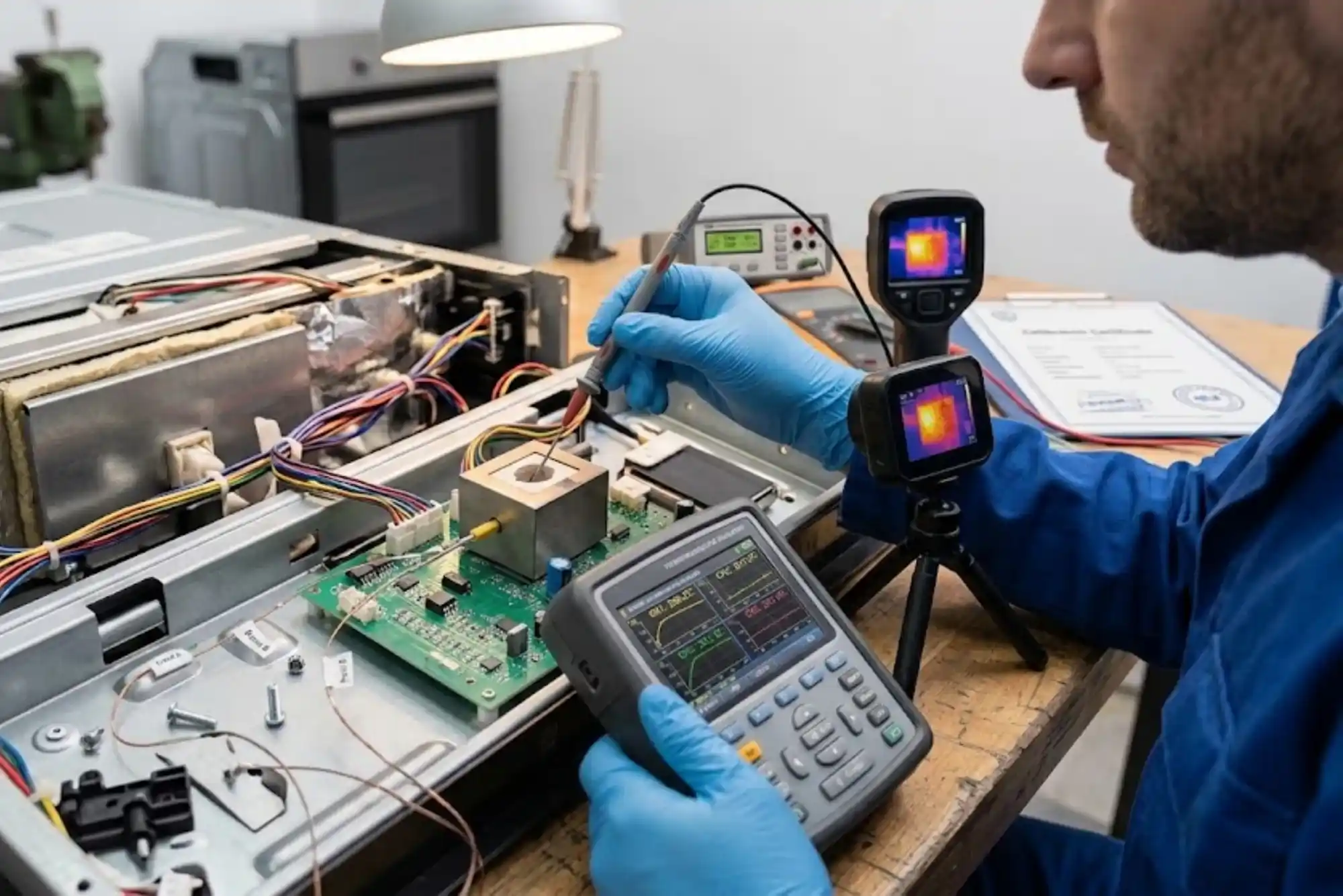
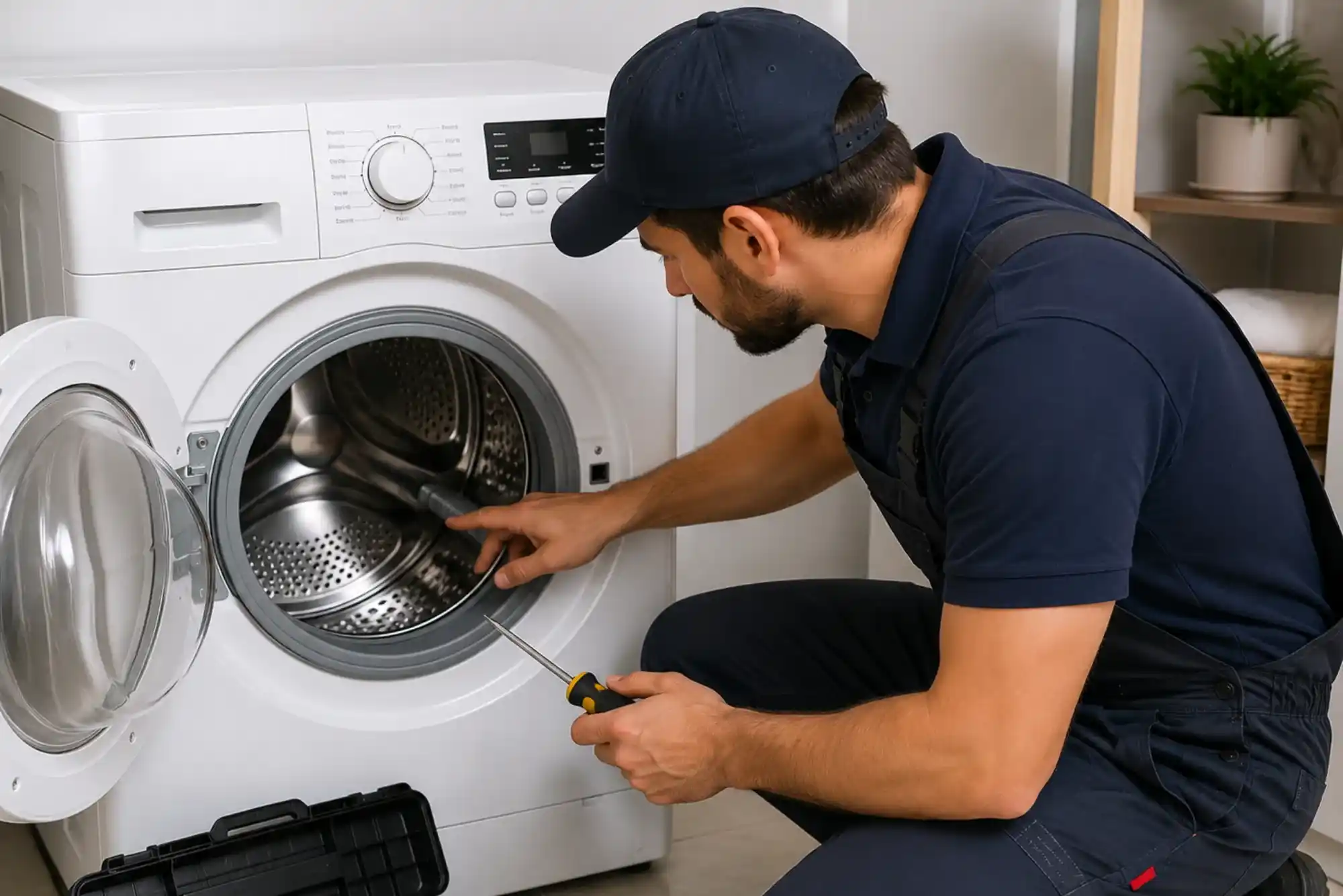
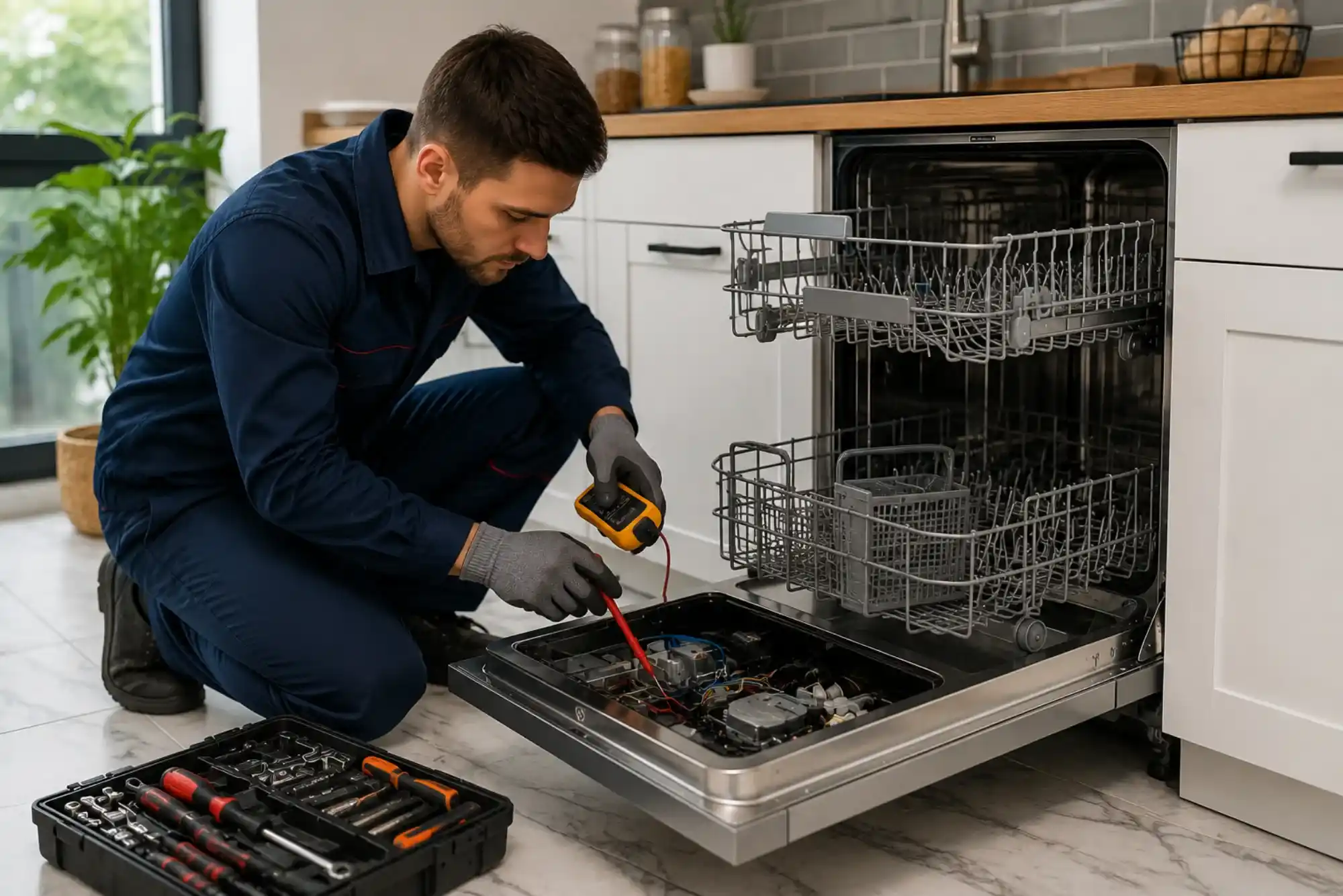
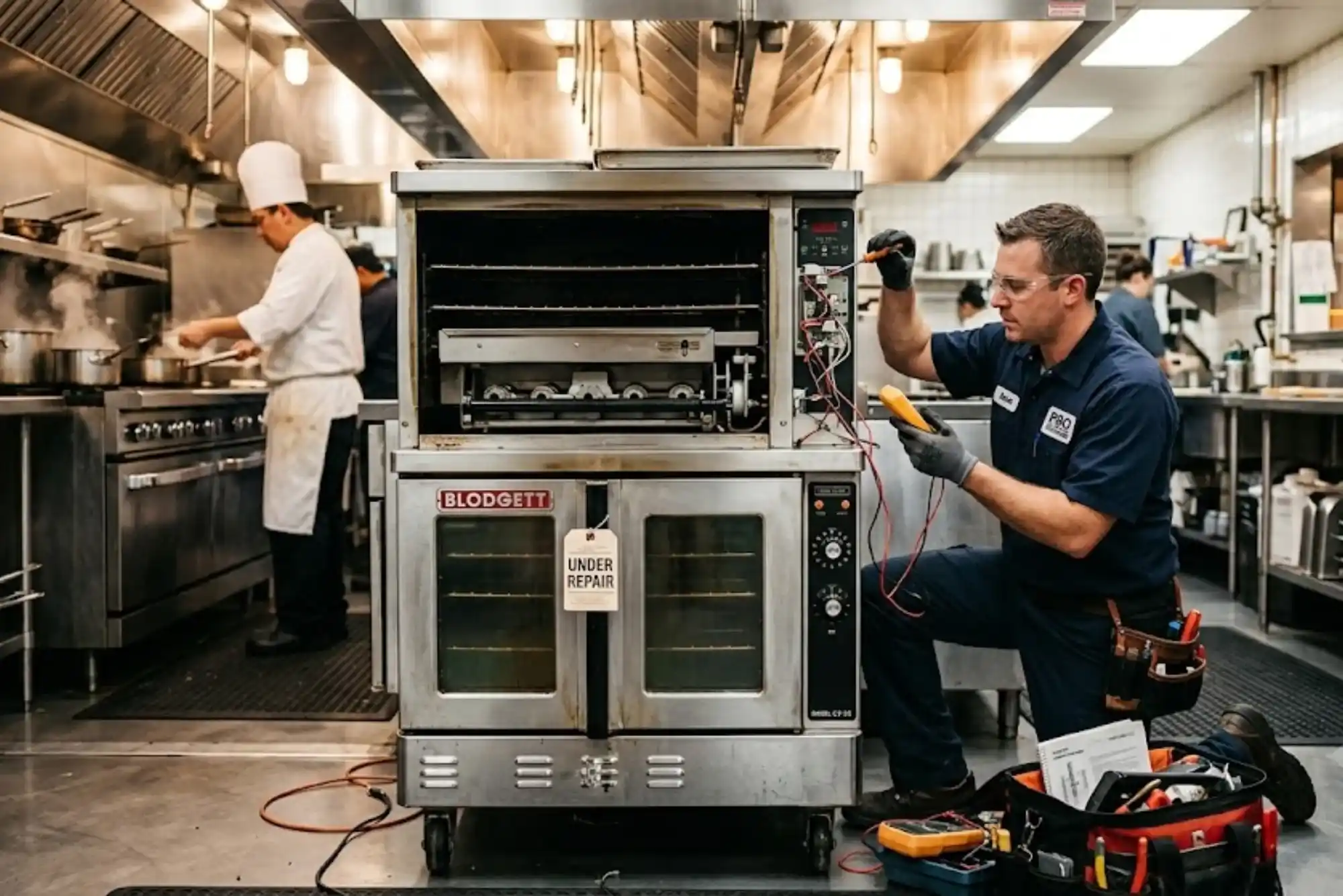
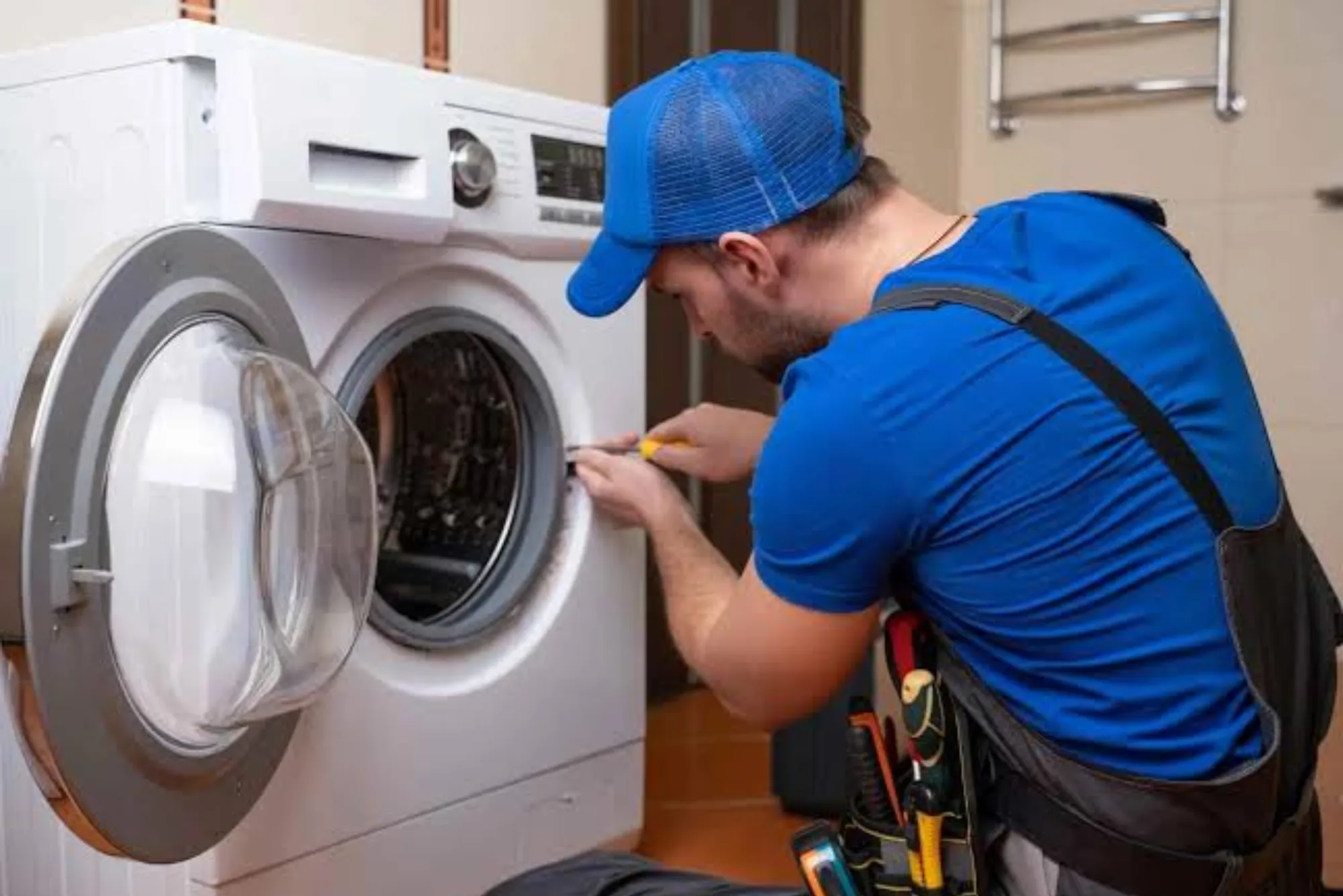
Professionals typically use a multimeter to check the continuity and electrical function of the switch. They also inspect the tube and surrounding components for signs of wear, leaks, or dirt buildup. Because this process involves handling electrical parts and delicate components, it is best left to trained technicians. Attempting to fix it without proper knowledge can lead to incorrect installation or damage to the control system.
The Importance of Professional Repair
A washing machine’s pressure switch is part of a complex system involving water valves, sensors, and electronic controls. When something goes wrong, it may not always be the switch itself that causes the problem. That’s why professional appliance repair services are so important.
Technicians have the tools and expertise to determine the exact cause of water level issues. They can clean, recalibrate, or replace the switch when necessary. Professionals also ensure that wiring connections and air hoses are properly installed and secure. Attempting to repair or replace the switch without experience can lead to further damage or even short circuits. Choosing expert repair service ensures safety, efficiency, and long-term reliability for your washing machine.
Preventing Pressure Switch Problems
Regular maintenance plays an important role in preventing pressure switch issues. Keeping the washing machine clean, using the right amount of detergent, and avoiding overloading can significantly reduce stress on the pressure system. Overloading the drum can distort pressure readings, while too much detergent may create foam that clogs the air tube.
It’s also advisable to occasionally run a maintenance cycle with warm water and a mild cleaning agent like white vinegar. This helps remove detergent buildup and debris that could affect the sensor’s accuracy. Annual inspection by a professional appliance repair company can further ensure that the pressure switch and other internal components remain in good condition.
Advancements in Pressure Switch Technology
Modern washing machines are increasingly using digital pressure sensors instead of traditional mechanical switches. These sensors are more precise, durable, and responsive to changes in water level. They communicate directly with the washer’s microprocessor, which can adjust the water intake based on the type of load, fabric, and selected cycle.
Digital systems make washing machines more energy-efficient and eco-friendly by minimizing water waste. However, even these advanced systems require occasional servicing to maintain accuracy. Professional technicians trained in handling modern appliances understand how to diagnose and repair digital pressure sensors to keep your washing machine operating at peak performance.
The Connection Between Pressure Switches and Energy Efficiency
In today’s world, where water conservation and energy savings are critical, the washing machine pressure switch plays an important environmental role. By regulating the amount of water used in each cycle, it prevents waste and reduces energy consumption. The right amount of water means shorter wash times, less electricity use, and more efficient rinsing and spinning.
If the pressure switch fails, the washing machine may use more water than necessary, leading to higher utility bills and wasted resources. A functioning switch helps the appliance perform optimally while promoting sustainability and cost savings for the homeowner.
Why Understanding This Component Matters
Understanding how the washing machine pressure switch works empowers homeowners to identify problems early and make informed maintenance decisions. When you know what this component does, it becomes easier to recognize when the appliance isn’t performing as it should. Timely attention can prevent small issues from turning into major breakdowns.
Maintaining awareness of this vital component also reinforces the importance of professional repair services. Trained technicians ensure that your washing machine operates at its highest efficiency, saving time, money, and water in the long run.
The pressure switch may be one of the smallest parts inside your washing machine, but its role is essential to the appliance’s performance, safety, and efficiency. It regulates the water level, controls each cycle’s flow, and protects your home from potential water damage.
When a pressure switch malfunctions, it affects the entire washing process. Recognizing early signs of trouble, such as irregular filling or incomplete cycles, can save you from major repair costs. Seeking help from a professional washing machine repair expert ensures accurate diagnosis, safe repairs, and reliable performance.