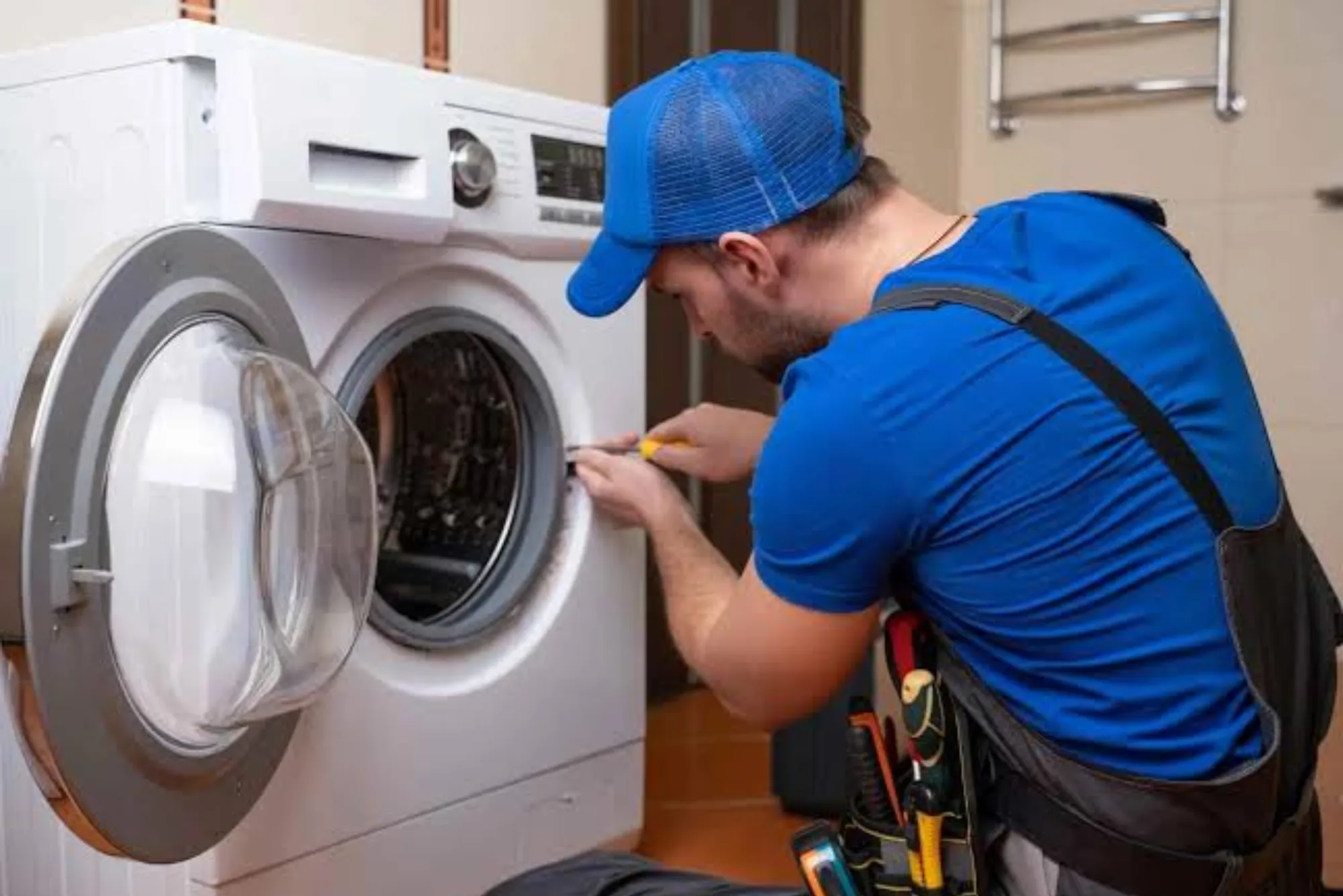
Washing machines are among the most essential home appliances, saving both time and effort. When your washing machine suddenly stops spinning or struggles to complete a wash cycle, the problem may lie in the motor brushes. These small but vital components play a major role in powering the motor that drives your washer’s drum. Understanding how to test washing machine motor brushes can help diagnose issues early and prevent costly repairs. This comprehensive guide will explain what motor brushes are, how they work, the signs of wear, and the professional way to test them accurately.
Understanding Washing Machine Motor Brushes
Motor brushes are small blocks of carbon that conduct electricity between stationary wires and the moving parts of the motor. In most traditional washing machine motors, these brushes sit in holders and press against the rotating armature, maintaining electrical contact as it spins. Over time, constant friction wears down these brushes, leading to weak performance or total motor failure.
The quality and condition of these brushes are critical to your washing machine’s efficiency. If the brushes are too short, cracked, or dirty, the motor cannot generate enough torque to spin or agitate the drum effectively. Testing them helps determine whether replacement is needed or if the problem lies elsewhere in the electrical system.
Common Symptoms of Worn or Faulty Motor Brushes
Before testing, it is important to recognize the signs that point toward failing motor brushes. A washing machine with worn brushes often exhibits telltale symptoms that indicate poor electrical contact within the motor. These include weak or no drum movement during washing or spinning, unusual sparking sounds, or intermittent motor operation. Sometimes, the washing machine may fill with water but fail to rotate or drain properly because the motor cannot turn.
Another common sign is a burning smell or visible sparks near the bottom of the machine, which occur when brushes make poor contact. Inconsistent spin speeds or error codes related to the motor can also suggest brush wear. When these issues arise, it’s time to inspect and test the brushes.
Preparing to Test the Motor Brushes
Testing washing machine motor brushes repair requires basic tools and safety precautions. Before beginning, always unplug the appliance to eliminate the risk of electrical shock. Make sure the machine is placed in a well-lit area, and you have tools like a screwdriver set, multimeter, and flashlight ready.

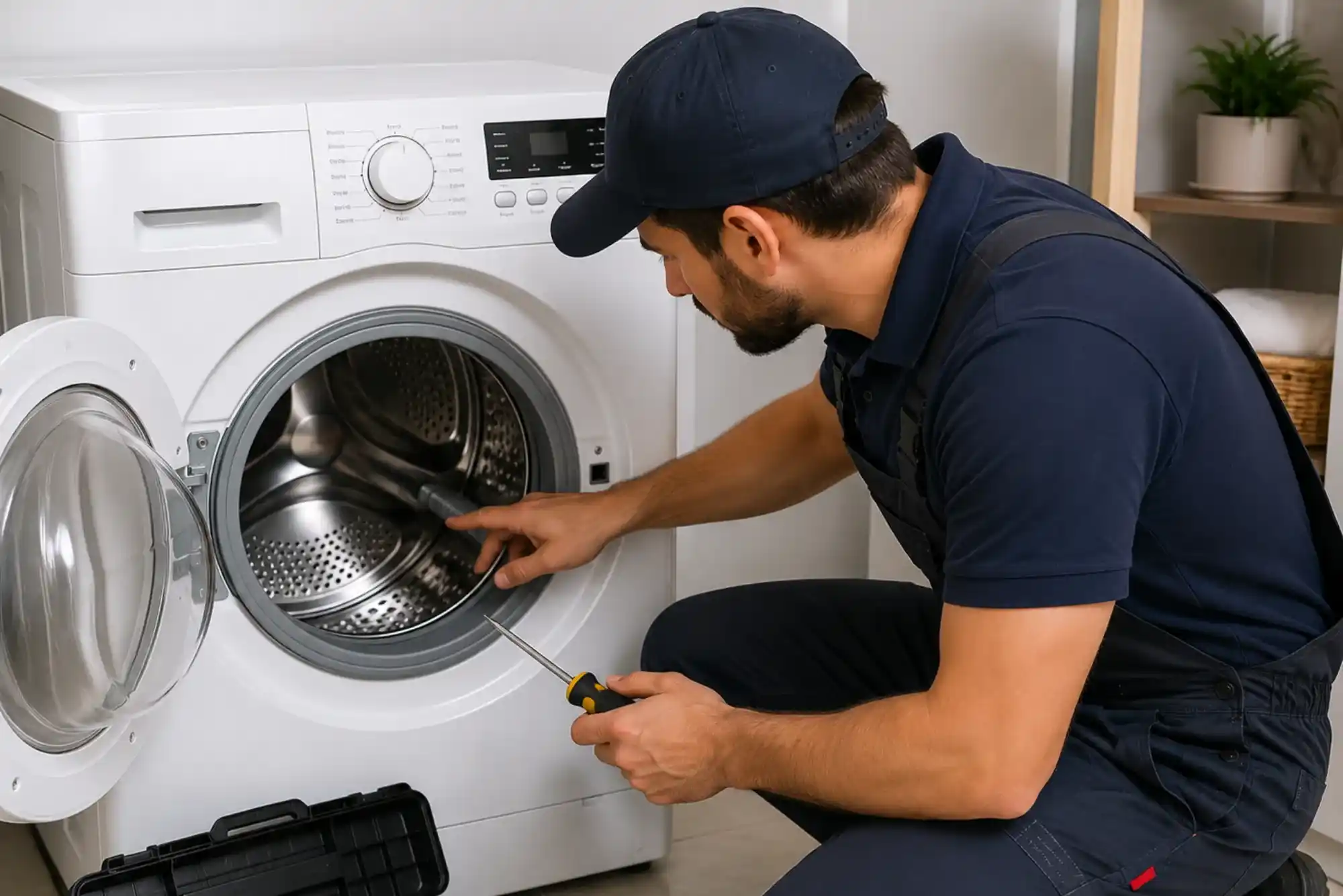
The motor is usually located at the bottom or rear of the washing machine. Depending on your model, you may need to remove the back panel or tilt the machine to access it. Carefully disconnect the drive belt and any electrical connectors attached to the motor before removing it. Once the motor is free, you can clearly see the brush holders mounted on each side of the motor housing.
How to Identify Brush Wear
Each brush sits inside a spring-loaded holder that presses it against the motor’s armature. To inspect them, remove the brush holders carefully. A healthy brush should have a carbon block at least 1 cm long with a smooth surface. If the carbon block is very short, chipped, or worn unevenly, it’s time to replace it.
When brushes wear down, they lose proper contact with the commutator, leading to electrical arcing and inconsistent performance. Always inspect the commutator as well—it should appear clean and shiny, without burn marks or deep grooves. Dirty or scorched surfaces may cause new brushes to wear prematurely, so clean them using fine sandpaper or an electrical contact cleaner.
Professional Steps to Test Washing Machine Motor Brushes
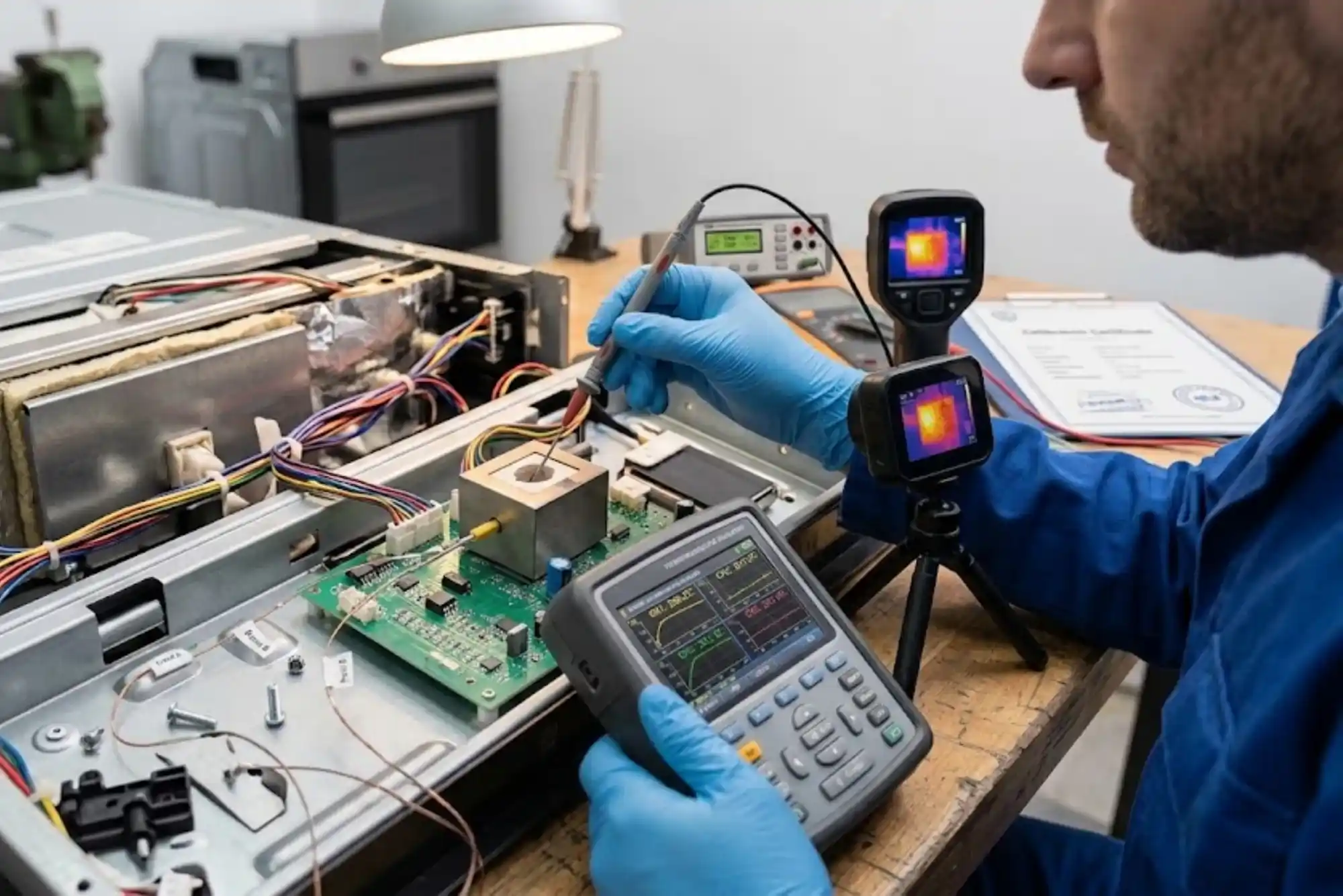
Once visual inspection is complete, you can test the brushes electrically to confirm their condition. Using a digital multimeter set to continuity mode, place one probe on the brush terminal and the other on the end of the carbon block. A good brush should show continuity, meaning it conducts electricity without interruption. If the meter displays no continuity or fluctuates rapidly, the brush is either broken internally or not making proper contact.
Next, reinsert the brushes into their holders and ensure they move freely under spring tension. Restricted movement can prevent the brush from maintaining consistent contact, causing the same symptoms as worn brushes. Check both brushes because a single faulty brush can disrupt the entire motor circuit.
For a more thorough test, reinstall the motor and run the washing machine on a short spin cycle while monitoring the motor’s behavior. If the brushes are functioning properly, the motor should start smoothly without sparking excessively. A heavy spark or burning smell during this test usually confirms worn brushes or a damaged commutator.
Importance of Regular Maintenance
Even if your washing machine appears to be working fine, inspecting and maintaining the motor brushes periodically can extend its lifespan. Regular maintenance prevents damage to the commutator and ensures efficient operation. When brushes wear down completely, the resulting arcing can burn the armature, requiring expensive repairs or motor replacement.
It’s good practice to inspect the brushes every few years or after about 500–700 hours of operation. For households that use the washer daily, this could mean checking every two years. Preventive maintenance not only keeps the appliance efficient but also saves you money in the long run.
When to Replace Motor Brushes
If your test confirms that the brushes are worn or not conducting electricity properly, replacement is the best solution. Most washing machine motor brushes are inexpensive and can be replaced easily at home with the right tools. Ensure you purchase the correct type and size compatible with your machine’s motor model.
To replace them, insert the new brushes into the holders, making sure the carbon block is oriented correctly toward the commutator. Secure the holders, reinstall the motor, and connect all wires and belts. After reassembly, run a test cycle to allow the new brushes to bed in. During the first few cycles, you may notice minor sparking, which is normal as the brushes shape themselves to the commutator surface.
The Role of Professional Repair Services
While testing and replacing motor brushes can be a DIY-friendly task, not everyone feels confident working with electrical components. This is where professional appliance repair services like Hafixer Home Appliances Repair come in. Experienced technicians can quickly diagnose and fix issues with precision, ensuring your washing machine is restored to full functionality without the risk of further damage.
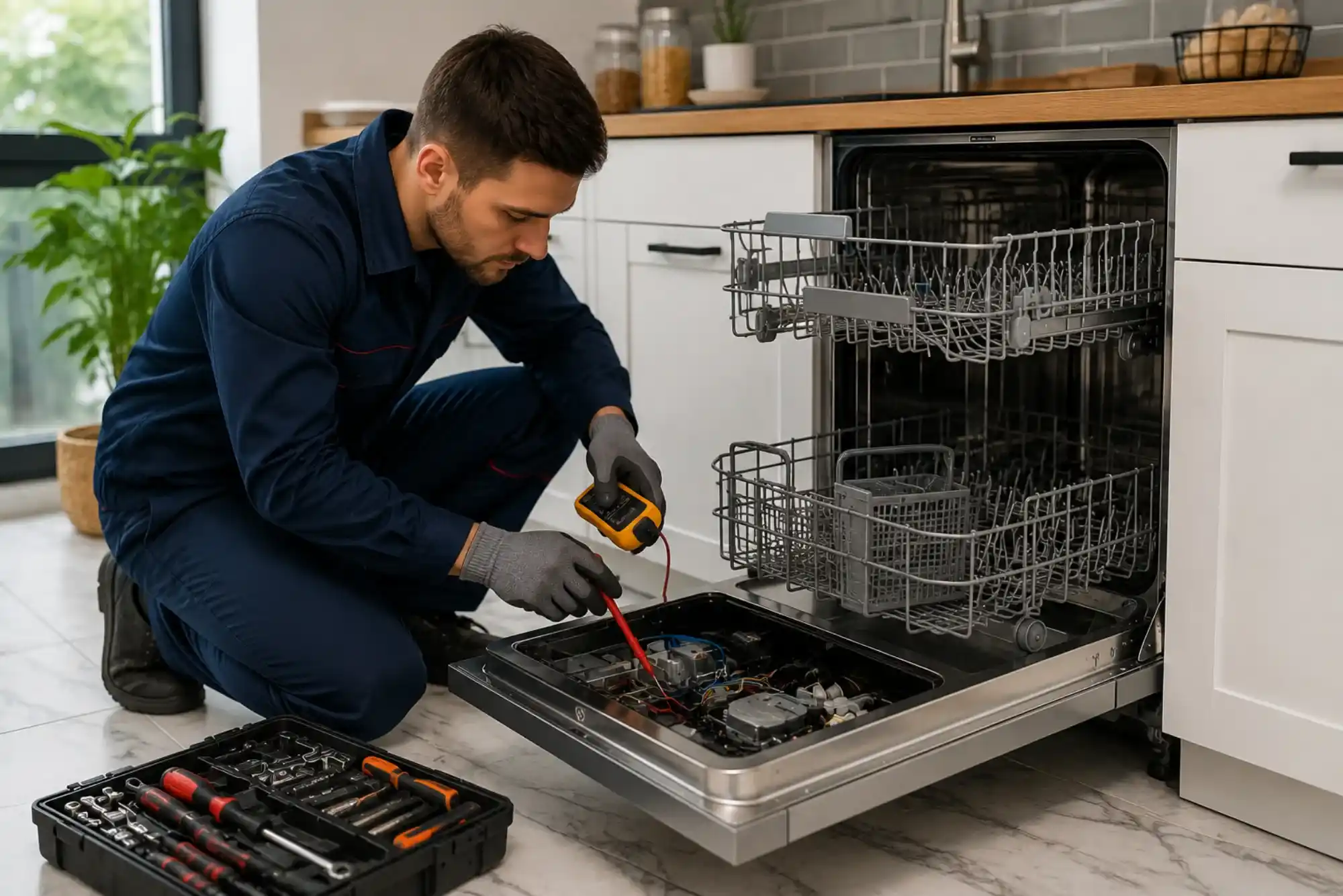
Professional technicians use advanced diagnostic tools to test not just the brushes but also other components like the motor windings, control board, and wiring. They also ensure that replacement parts are genuine and properly installed, which helps maintain the efficiency and safety of your appliance.
Choosing expert repair services saves you time and reduces the chances of incorrect handling. Companies like Hafixer Home Appliances Repair in Dubai specialize in washing machine repair and maintenance, offering reliable service and customer satisfaction. Their trained professionals understand the mechanical and electrical complexities of various washer brands and models, ensuring long-lasting results.
Preventing Future Motor Brush Problems
Once you have replaced or repaired the motor brushes, it’s essential to maintain your washing machine correctly. Avoid overloading the drum, as excessive strain can increase motor wear. Keep the appliance clean, ensure it’s placed on a level surface, and run periodic maintenance washes to remove detergent residue and dirt buildup.
Additionally, using your washing machine on stable power supply lines can help reduce electrical stress on the motor. Power fluctuations often accelerate wear on brushes and commutators. Installing a voltage stabilizer can help protect your machine and other appliances in your home.
With proper care, new motor brushes can last for several years, keeping your washing machine operating smoothly and efficiently.
Testing washing machine motor brushes is a vital part of appliance maintenance that can save you from unexpected breakdowns and costly repairs. These small carbon components play a critical role in transferring electrical power to the motor, allowing your washer to perform effectively. By understanding the signs of wear, testing procedures, and proper replacement methods, you can ensure your machine’s longevity.
Whether you choose to handle the task yourself or seek assistance from experts like Hafixer Home Appliances Repair, timely action always pays off. A well-maintained washing machine not only cleans clothes better but also consumes less power and water, contributing to overall household efficiency. Regular inspection and maintenance of motor brushes are simple yet powerful steps toward keeping your appliance running at its best.