Maintaining an air conditioning system is a critical task each season, especially before the months of high demand arrive. A thorough seasonal tune‑up is more than a simple filter change: it’s a comprehensive inspection and servicing protocol that ensures the unit delivers reliable cooling, operates efficiently, and reaches its expected service life. Missing routine maintenance can lead to reduced efficiency, discomfort, higher energy costs, and even system failures at the worst possible time.
A seasonal AC tune‑up begins with understanding the key areas that influence system performance. Over time, dust, dirt, and grime accumulate on essential components such as coils and filters, reducing airflow and heat transfer. Electrical parts may loosen or corrode, lubricated shafts can dry out, and refrigerant levels can drift due to minor leaks. Even the thermostat may drift slightly out of calibration, affecting system cycles. Addressing these issues proactively before the cooling season begins ensures consistent comfort, energy savings, and fewer emergency repairs.
The Role of Air Filters in System Efficiency
Air filters play the first role in protecting internal components and preserving airflow. Clean filters allow air to move freely through the system, supporting blower motor health and ensuring the evaporator coil absorbs heat efficiently. When filters become clogged with dust, pollen, or pet dander, airflow is restricted, forcing the system to work longer to achieve desired temperatures. During a seasonal tune‑up, the filter is carefully inspected and either cleaned or replaced depending on type and condition. Ensuring that the correct filter size and specification is used supports both air quality and system health.
Filtering not only improves efficiency but also contributes to better indoor air quality. Households with allergy concerns, pets, or dust issues benefit significantly when filters are maintained properly. Depending on seasonal conditions, checking filters every month or two during peak usage months is common practice to maintain vibration‑free operation and optimal cooling.
Calibrating the Thermostat for Accurate Control
The thermostat serves as the interface between the homeowner and the cooling system. If it misreads indoor temperature or responds too slowly, the AC may overcycle or fail to satisfy comfort needs. As part of seasonal service, the thermostat is tested for accuracy by comparing ambient temperature readings to a reliable thermometer. The settings and scheduling on programmable or smart thermostats are reviewed to confirm efficient operation when the home is occupied and during off‑hours. Proper calibration avoids unnecessary runtime, stabilizes indoor temperature, and supports overall system efficiency.
Cleaning the Outdoor Condenser and Ensuring Proper Airflow
The outdoor condenser unit discharges heat from the home, making it essential for the unit to be free of obstructions. During a tune‑up, accumulated leaves, dirt, grass clippings, and foliage are removed from around the unit. The condenser coils are rinsed or gently brushed clean to remove buildup that impedes heat dissipation. Clearance of at least two feet around the condenser allows for optimal airflow and reduces compressor load. A clean, unobstructed condenser enables efficient heat transfer and cooling performance throughout the cooling season.

Evaluating Refrigerant Charge and Coil Condition
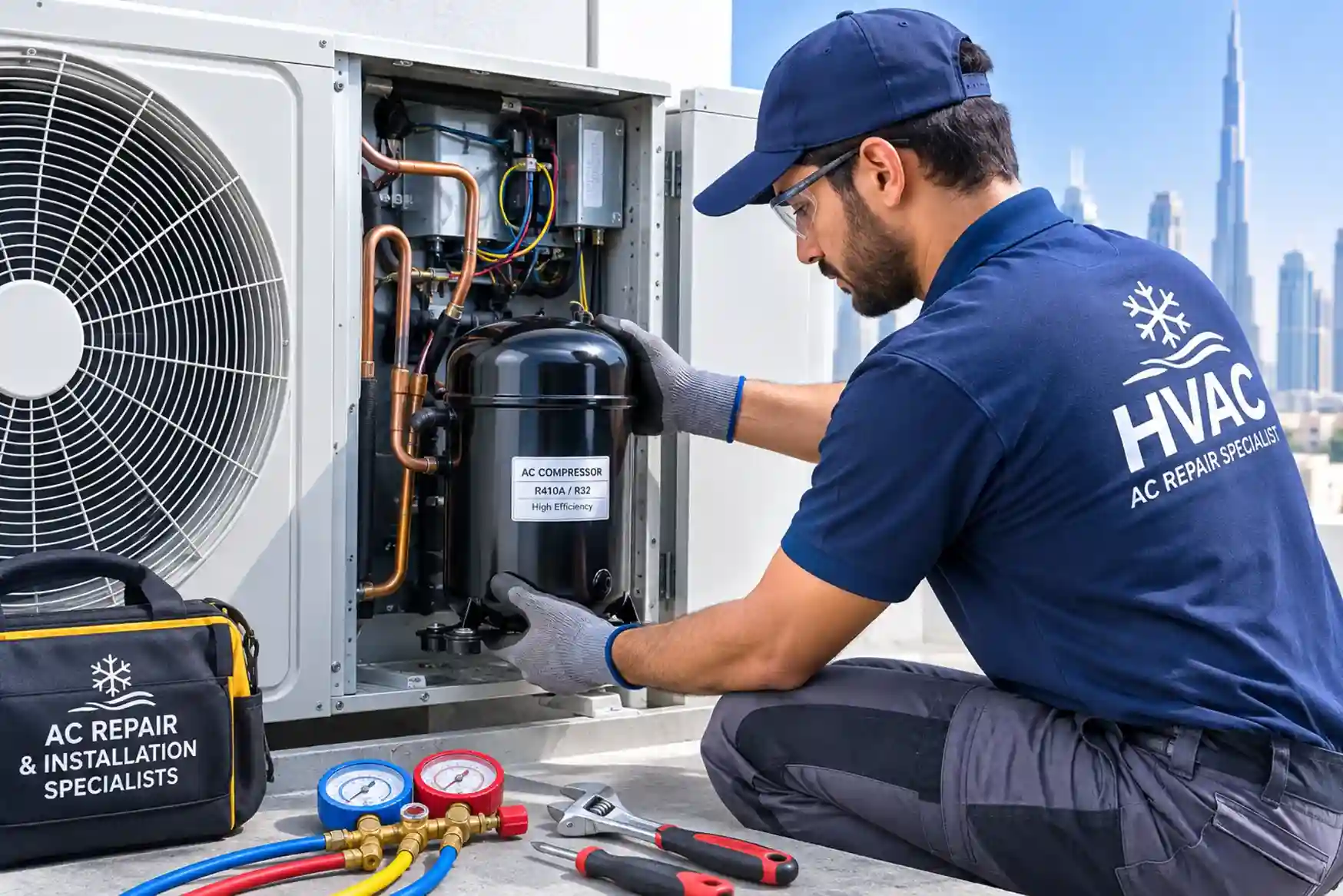
Refrigerant levels directly impact the system’s ability to transfer heat. A correctly charged system absorbs heat in the indoor coil and transfers that energy to the outdoor unit. Low refrigerant may indicate a leak or improper servicing. During seasonal maintenance, refrigerant pressure is measured to ensure it matches manufacturer specifications. At the same time, both the evaporator and condenser coils are inspected for dirt, potential ice buildup, or signs of corrosion. Cleaning these coils restores full heat‑exchange capacity and prevents strain on the compressor and blower motor.
Lubricating the Moving Components for Smooth Operation
An air conditioner contains several motorized parts: the indoor blower motor, outdoor fan motor, and possibly belt‑driven components in older systems. Without proper lubrication, bearings and shafts develop friction, which can result in noise, increased energy consumption, and accelerated wear. During the tune‑up, moving parts are given the proper grade of lubricant. In addition to lubrication, belt tension and alignment are checked for systems with belt drives. This ensures smooth, nearly silent operation and extends the service life of motor bearings and belts.
Electrical System Inspection and Safety Checks
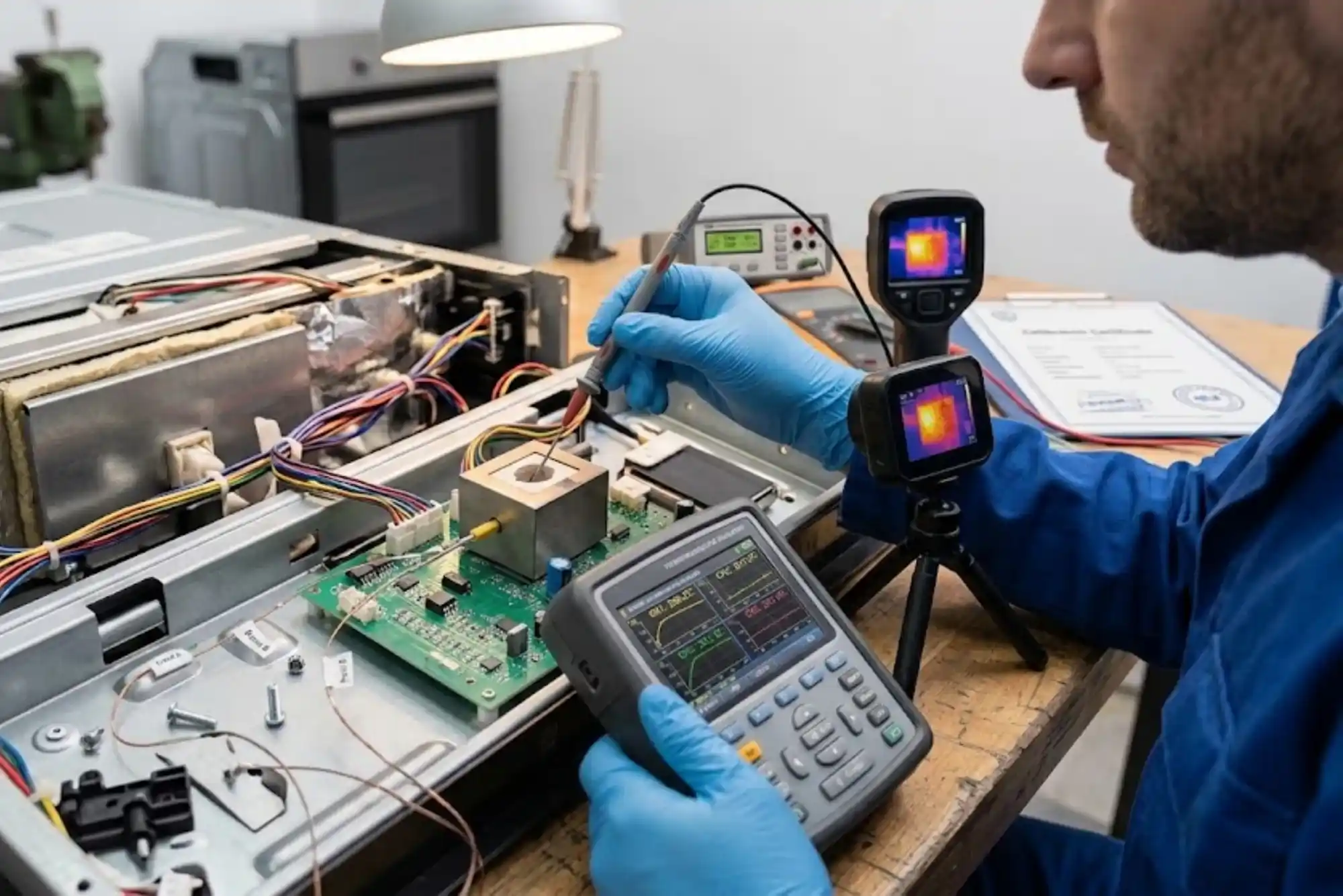
The electric control panel is the heart of AC safety and reliability. Loose connections, corroded wires, failing capacitors, or worn contactors can lead to loss of cooling or even safety hazards. As part of seasonal service, all electrical terminals are tightened, wiring is inspected for insulation issues or discoloration, and contactors and relays are tested under load. Capacitor performance, which supports motor startup, is verified using meters. Ensuring electrical integrity prevents potential outages, arcing, or fire hazards and enhances system durability.
Clearing the Condensate Drain and Mitigating Moisture Risk
Air conditioning removes moisture from indoor air, which collects on the evaporator coil and drains via a condensate line. Over time, this drain system can become clogged with algae, debris, or sludge, leading to water backup and potential overflow. A seasonal tune‑up includes flushing or rinsing the condensate line, testing flow capacity, and verifying the condensate pan is intact and draining properly. Proper drainage protects indoor surfaces from water damage and prevents mold or mildew growth, preserving indoor air quality and system hygiene.
System Performance Testing After Service
Following all cleaning, lubrication, calibration, and inspection activities, performance testing confirms whether the system is functioning correctly. Airflow is measured through supply and return vents, and temperature drop across the evaporator coil is verified to fall within the expected range. The system is observed through several on/off cycles to ensure that compressors and blowers respond appropriately. This final step identifies any residual issues—such as a compressor that overheats quickly or a thermostat that stops responding—and allows fine adjustments or replacements before demand peaks.
Long‑Term Benefits of Professional Seasonal Tune‑Up
When homeowners schedule a seasonal tune‑up before high cooling usage begins, they secure several advantages. Efficiency gains translate into reduced electricity consumption and lower utility bills. System components operate under less stress, particularly during hot days, which reduces wear and extends useful life. Improving overall system health also offers peace of mind, knowing that unexpected failures or emergency repairs are less likely to occur. Clean coils and filters provide better indoor air quality, especially in environments with dust, pet dander, or pollen. Ultimately, a well‑maintained system offers consistent comfort and protection against hottest days.
Planning for Tune‑Up Timing and Frequency
An effective seasonal tune‑up should be scheduled before the system’s heavy usage season begins. In regions with hot summers, late spring or early summer is ideal. This timing allows any discovered issues—such as refrigerant leaks or compressor inefficiencies—to be resolved before demand spikes. Depending on usage intensity, annual servicing is recommended, though some systems in extremely dusty or high‑demand climates benefit from mid‑season interim checks. Consistency in scheduling ensures ongoing reliability.
When to Consider Component Replacement or Upgrades
Seasonal servicing may also reveal aged components that are nearing end‑of‑life. For example, a motor that has degraded lubrication channels, a capacitor showing voltage sag, or a thermostat that no longer responds reliably may warrant replacement. Addressing these proactively during tune‑up avoids sudden breakdowns and preserves efficiency. In addition, homeowners might consider upgrading components—including programmable thermostats or high‑efficiency filter media—to further enhance indoor comfort and reduce operating costs.
Ensuring Warranty Compliance Through Maintenance
Many air conditioning manufacturers include maintenance requirements in their warranty terms. A documented seasonal tune‑up may be necessary to maintain warranty coverage for key components, such as the compressor. Retaining service records, receipts, and technician notes ensures that warranty inquires can be supported if issues arise later. This documentation also helps later buyers or service technicians gauge prior maintenance history.
Peace of Mind Through Proactive Care
A seasonal AC tune‑up is more than just maintenance—it is a proactive investment in reliable comfort, cost savings, and system longevity. By inspecting filters, coils, refrigerant, electrical parts, drainage, and performance, this process uncovers minor issues before they become expensive failures. Proper lubrication and airflow maintenance improve energy efficiency and protect the system under peak demand.
For homeowners who depend on air conditioning for daily comfort, scheduling a comprehensive seasonal tune‑up before the hottest months ensures cooling reliability, better air quality, and reduced energy consumption. Proactive care, consistent service, and attention to detail combine to make each summer more comfortable and worry‑free without unexpected breakdowns or efficiency loss.