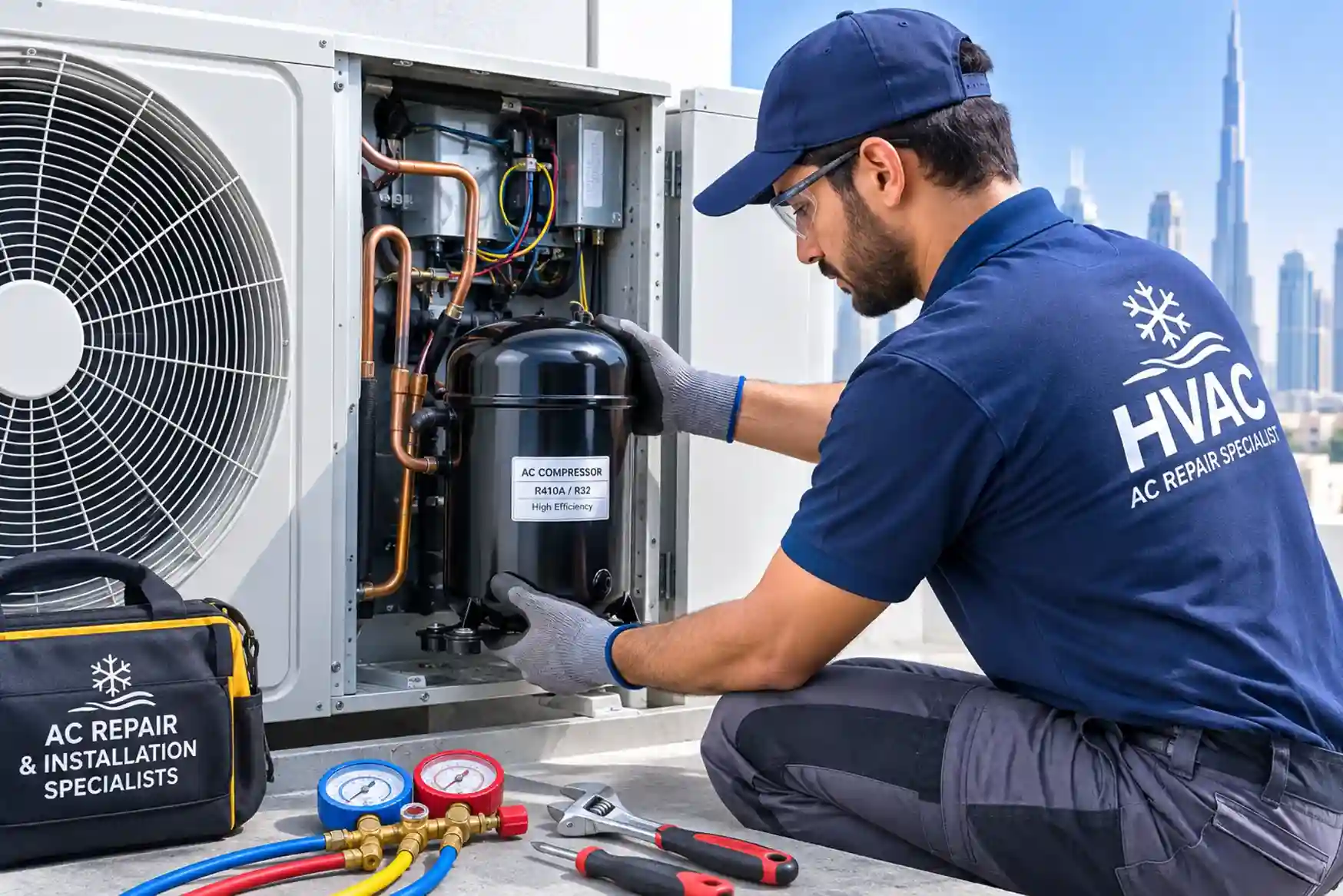
Air conditioning systems rely on smooth airflow and proper heat exchange to keep homes comfortable. One of the most common problems that disrupts this process is the formation of ice on the evaporator coil. A frozen coil not only reduces cooling efficiency but can also cause water leaks, compressor strain, and long-term system damage. Understanding the causes of coil freezing and applying preventive measures ensures that the system remains reliable, energy-efficient, and free from costly repairs.
A frozen evaporator coil occurs when the refrigerant inside the coil becomes too cold, causing moisture in the surrounding air to freeze. This often happens because of restricted airflow, low refrigerant levels, or dirt buildup on system components. When ice forms, the coil can no longer absorb heat effectively, and the system begins to struggle. By addressing the underlying issues, homeowners can avoid the discomfort and expense associated with this problem.
Maintaining Proper Airflow
Adequate airflow is the foundation of preventing frozen evaporator coils. When air movement is restricted, the evaporator coil cannot absorb heat efficiently, causing the refrigerant to remain excessively cold. Clean air filters are the first step to achieving unrestricted airflow. Filters that are clogged with dust and debris prevent proper circulation and force the system to work harder. Replacing or cleaning air filters regularly ensures smooth airflow, reduces strain on the blower motor, and minimizes the risk of coil icing.
The ductwork and vents also play a crucial role in sustaining airflow. Blocked or closed supply and return vents limit circulation and create pressure imbalances that encourage freezing. During routine system checks, ensuring that all vents are open and unobstructed contributes to stable airflow throughout the home.
Keeping Evaporator and Condenser Coils Clean
Dust, dirt, and biological growth can accumulate on both the indoor evaporator coil and the outdoor condenser unit. A dirty evaporator coil insulates the refrigerant from the surrounding air, reducing heat transfer and causing the coil to operate below freezing temperature. Cleaning the evaporator coil with the appropriate methods restores its ability to absorb heat and maintain proper surface temperature.
The condenser unit outside must also remain free of debris. Leaves, dirt, and grass clippings around the outdoor coil prevent heat from escaping efficiently. When the outdoor unit struggles to expel heat, the system’s overall pressure and temperature balance is disrupted, which can indirectly contribute to coil freezing indoors. Keeping both coils clean promotes stable operation and helps prevent frozen conditions.

Monitoring Refrigerant Levels and System Health
Low refrigerant is a major cause of frozen evaporator coils. When the system is undercharged or has a leak, the pressure drops inside the evaporator coil, which causes the refrigerant to expand excessively and cool too much. The resulting ultra-cold temperature encourages ice to form on the coil surface. Seasonal system inspections help identify leaks and ensure refrigerant levels are maintained within the manufacturer’s recommended range.
Regular professional checks can also prevent secondary damage caused by prolonged low refrigerant conditions. When ice forms repeatedly, it can damage the compressor and shorten the system’s lifespan. Addressing refrigerant issues early prevents both freezing and mechanical wear.
Maintaining Consistent Airflow to the Coil
Airflow is the lifeline of any cooling system. Without sufficient airflow across the evaporator coil, the coil temperature drops below freezing, creating the perfect environment for ice formation. One of the simplest yet most effective ways to prevent frozen coils is by keeping airflow consistent and unobstructed.
Air filters should always be clean and properly installed. A clogged or dirty filter blocks airflow, causing the blower motor to strain and the coil to get colder than it should. Replacing or cleaning filters on a seasonal schedule ensures that air can pass freely through the system. In addition, vents and registers should remain fully open and clear of furniture, drapes,Post Category , or dust buildup. Even partial blockages in the ductwork can contribute to low airflow and eventual coil freezing.
Regular duct inspections also help ensure that the system is not struggling with hidden obstructions, leaks, or collapsed ducts. By keeping the air moving freely across the evaporator coil, the system maintains stable temperatures and avoids the conditions that trigger ice formation.
Keeping Coils Clean for Optimal Heat Transfer
The evaporator coil is designed to transfer heat efficiently from the indoor air to the refrigerant. Dust, dirt, and biological growth on the coil surface act as insulation, preventing proper heat absorption. When the coil cannot absorb heat effectively, its surface temperature drops below freezing, and moisture in the air begins to turn to ice.
Seasonal coil cleaning is an essential preventive step. Technicians use gentle methods to remove dust and buildup from the delicate fins without bending or damaging them. A clean evaporator coil ensures that air passes smoothly over the surface, allowing for proper heat exchange and reducing the chance of ice formation.
The outdoor condenser coil also affects the performance of the indoor coil. If the condenser is dirty or blocked by leaves, dirt, or nearby landscaping, the system cannot release heat efficiently. This imbalance can reduce refrigerant pressure and contribute to coil freezing indoors. Keeping the entire system free of debris maintains the correct thermal balance and prevents freezing cycles.
Ensuring Proper Fan and Blower Operation
The blower fan inside the air handler is responsible for pushing warm indoor air across the evaporator coil. If the fan speed is too low or the blower motor is malfunctioning, airflow diminishes, and the coil may freeze. A professional tune‑up includes checking blower motor health, fan belt tension, and speed settings to ensure that the right volume of air moves through the coil.
Inconsistent fan operation or weak airflow often signals mechanical or electrical problems that need immediate attention. By maintaining the blower assembly, the evaporator coil remains at a stable temperature, reducing the likelihood of ice buildup.
Controlling Indoor Humidity and Temperature Settings
Humidity plays an important role in coil performance. When indoor air carries excess moisture, condensation forms rapidly on the coil. Under restricted airflow or cold surface conditions, this condensation can freeze. Keeping indoor humidity in check with proper ventilation or a dehumidifier supports coil efficiency.
Thermostat settings also affect coil temperature. Extremely low settings cause the system to run continuously, which can cool the coil below the freezing point of moisture in the air. Maintaining a moderate, consistent thermostat setting prevents overcooling and encourages balanced performance.
Scheduling Regular Professional Maintenance
Preventing frozen evaporator coils requires ongoing attention, not just reactive fixes. Professional seasonal maintenance ensures that the entire cooling system operates under ideal conditions. During a routine tune‑up, a technician inspects and cleans the evaporator and condenser coils, checks refrigerant pressures, lubricates moving parts, tightens electrical connections, and verifies drainage.
Proactive maintenance prevents the conditions that lead to coil freezing, such as weak airflow, low refrigerant, and dirt accumulation. It also identifies worn components before they cause breakdowns during peak cooling demand. A system that is professionally maintained each season runs efficiently, keeps coils ice‑free, and delivers consistent comfort.
Responding Quickly to Early Signs of Freezing
Even with preventive efforts, homeowners should remain alert to early symptoms of a frozen coil. Reduced airflow from vents, unusual hissing sounds, visible frost on refrigerant lines, or water pooling near the indoor unit often signal freezing in progress. Shutting off the system and allowing the ice to melt before resuming operation can prevent further damage. Prompt professional evaluation ensures that the root cause is addressed, whether it is airflow restriction, refrigerant imbalance, or mechanical failure.
Reliable Cooling Through Proactive Care
Preventing frozen evaporator coils is ultimately about maintaining balance within the air conditioning system. Clean airflow pathways, healthy refrigerant levels, properly functioning fans, and routine coil cleaning all work together to keep the system efficient and reliable. By taking a proactive approach to maintenance and responding quickly to warning signs, homeowners can avoid ice buildup, prevent costly damage, and enjoy uninterrupted cooling throughout the warmest months.