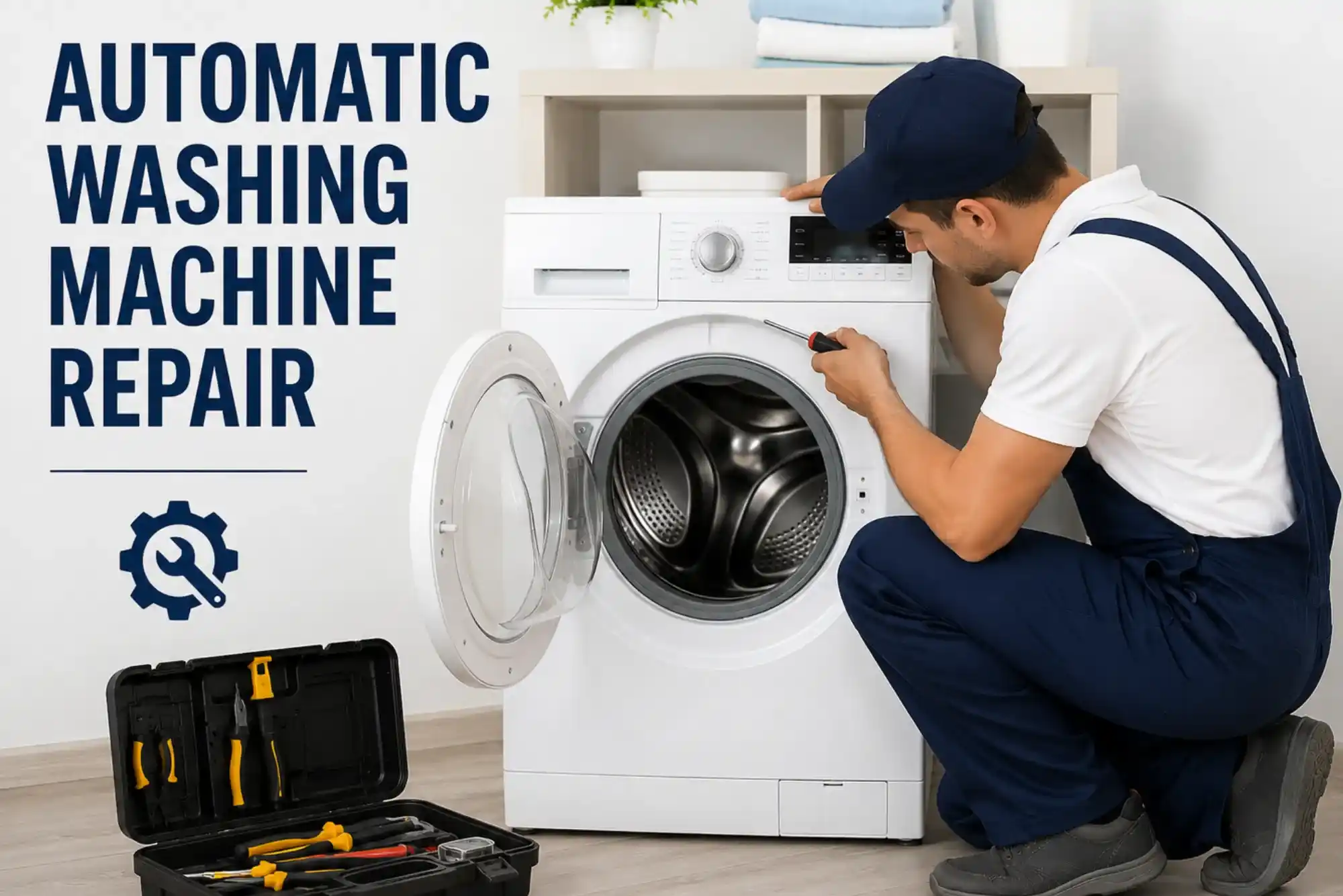
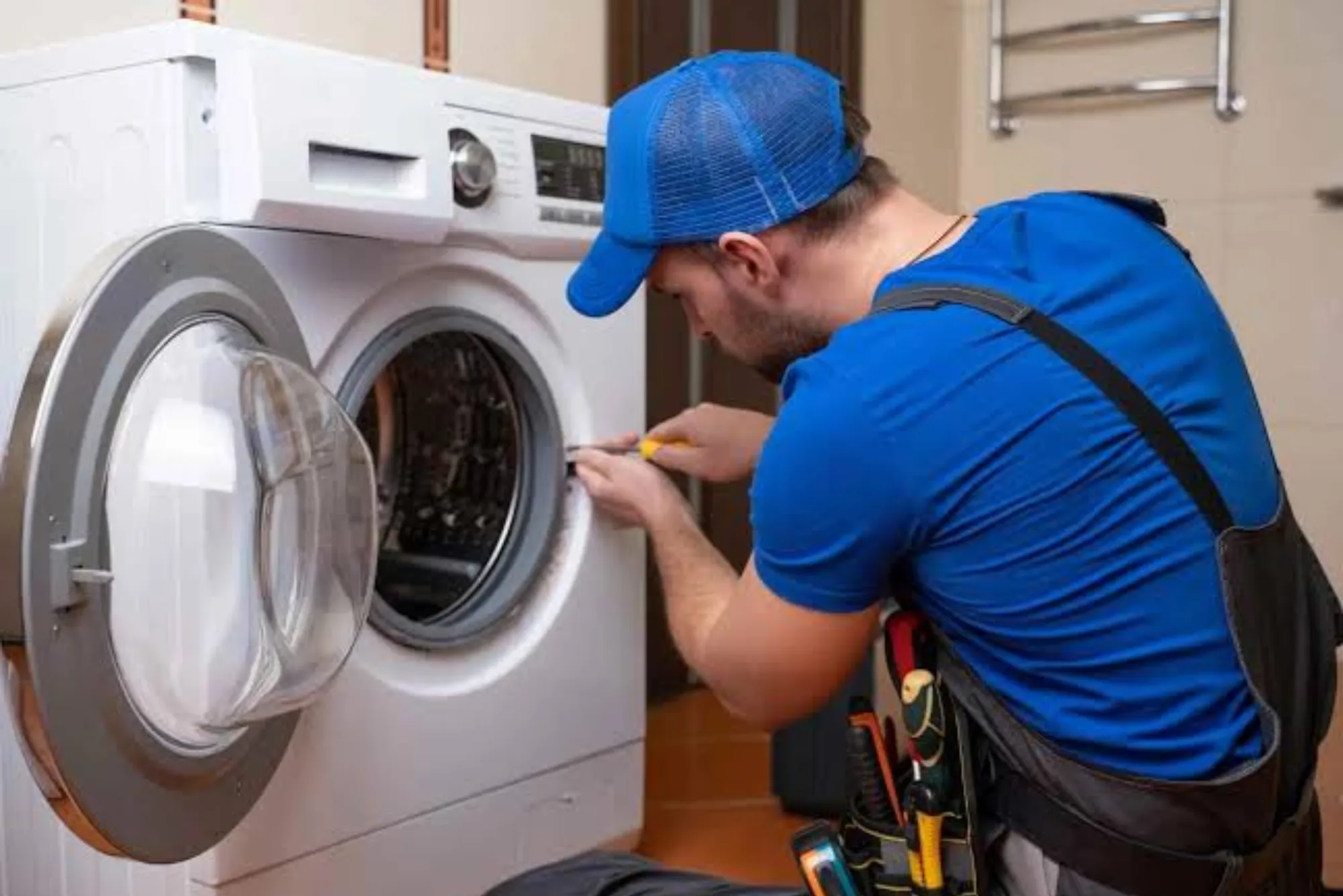
The door seal, also known as the gasket, is a vital component of a front-loading washing machine. It forms a watertight barrier between the door and the drum, ensuring that water stays inside during wash cycles. Over time, this rubber ring can deteriorate, tear, or develop mold due to constant exposure to detergent, moisture, and heat. When this happens, the result can be unpleasant odors, water leaks, or poor washing performance. Knowing how to replace the door seal yourself can save you both time and repair costs while extending the life of your appliance.
Signs That the Door Seal Needs Replacement
Before jumping into the replacement process, it’s important to recognize when the seal has failed. Common indicators include visible cracks, loose or warped rubber, and persistent leaks during the wash cycle. In some cases, you may notice mildew buildup that won’t wash away, or your clothes might come out with residue marks. These symptoms suggest the seal has lost its elasticity or integrity. Timely replacement prevents more serious damage, such as water seeping into the electrical components or corroding the drum housing.
Preparing the Washing Machine for Maintenance
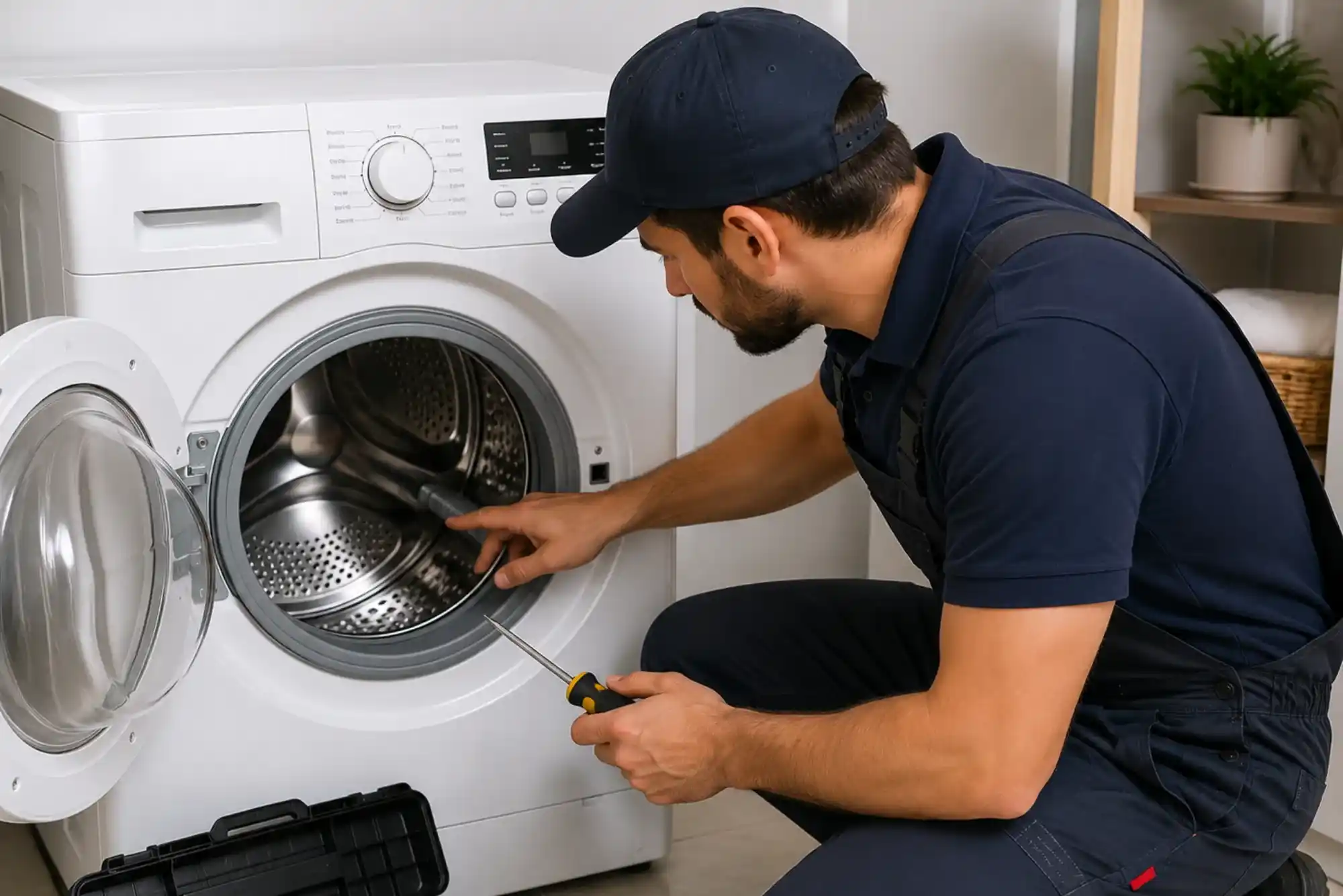
Replacing the door seal begins with preparation. Always disconnect the washing machine from its power supply and shut off the water valves before performing any maintenance. Pull the appliance slightly forward to give yourself space to work. Open the door wide and examine how the existing seal is fitted around the drum and the front panel. Most modern machines use a spring or wire clamp system to secure the gasket. Having a clear view of this setup helps you understand how to remove and refit the new seal properly.
Gather essential tools such as a screwdriver, pliers, and possibly a small socket wrench depending on your machine’s design. Keep a towel or tray ready to catch any remaining water that may drip out. It’s also wise to take a photo of the original setup so you can refer back to it later.
Removing the Damaged Door Seal
The removal process starts with the outer retaining band. Using a flat-blade screwdriver, gently lift the wire clamp or spring clip from around the front lip of the seal. Take care not to scratch the enamel surface of the door opening. Once the clamp is loosened, peel the outer edge of the gasket away from the machine’s front panel. You’ll notice the inner part of the seal remains attached to the drum with a second retaining band.
Accessing this inner band often requires removing the machine’s top panel or control fascia, depending on the model. Once accessible, loosen the inner band by unscrewing or unclipping it, then pull the remaining part of the old seal free from the drum rim. Examine the groove area carefully and wipe away any soap scum, rust, or debris that might prevent the new seal from seating correctly.

Choosing and Inspecting the New Door Seal
When buying a replacement, always match the exact make and model number of your washing machine. Seals are specifically shaped and sized for each unit, and even a slight variation can cause improper fitting or leaks. Once you have the correct part, inspect it closely for any manufacturing defects, such as tears or uneven edges. Flex the rubber to ensure it’s supple and undamaged. A high-quality seal should feel smooth, sturdy, and consistent throughout its circumference.
Before installation, some technicians recommend lightly lubricating the sealing lip with a small amount of washing-up liquid or silicone grease to help it slide into place. Avoid petroleum-based products, as they can degrade rubber over time.
Fitting the New Door Seal onto the Drum
Begin by aligning the new gasket with the notches or alignment marks on the drum’s rim. Most seals include a small arrow or indicator that shows the top position. Fit the inner edge of the seal into the drum groove evenly, pressing firmly all around to ensure it sits snugly without twists. Once the inner lip is correctly positioned, refit the inner retaining band or spring. Make sure it sits securely in its groove and holds the seal tightly against the drum.
Reattach any panels or control sections you removed earlier. Double-check that the seal remains evenly seated after reassembly. Then stretch the outer lip of the gasket around the front panel opening. This step can be a bit tricky, as the rubber is thick and requires patience. Once the outer edge is fitted all the way around, reinstall the outer retaining band, ensuring the spring or clip rests in its original position.
Testing the Installation for Leaks
After the new seal is in place, it’s crucial to test your work before running a full wash. Reconnect the water supply and plug in the power. Select a rinse or short wash cycle without adding any laundry. Observe the door area closely during the cycle, checking for drips or moisture escaping around the edges. If you notice any leakage, pause the machine immediately and inspect whether the seal is seated correctly or if one of the retaining bands has come loose.
It’s normal for a small amount of water to remain trapped in the lower part of the seal after a cycle, but continuous dripping or pooling indicates an installation issue. Once you confirm that the seal is watertight, you can proceed with normal use.
Preventing Future Damage and Mold
Proper care can extend the life of your new door seal significantly. After each wash, leave the door open for a few hours to allow the drum and seal to dry out. This prevents moisture buildup and mold formation. Regularly wipe the inside of the gasket with a soft cloth to remove lint and detergent residue. Running a maintenance cycle once a month with hot water and a washing machine cleaner also helps eliminate hidden bacteria.
Avoid using excessive detergent, as leftover suds can accumulate under the seal folds and create a breeding ground for mold. If your home has hard water, consider using a descaler to prevent mineral buildup that can stiffen the rubber over time.
When to Seek Professional Help
While replacing a washing machine door seal is generally straightforward, some models have complex assembly designs that make the process challenging. If your machine features integrated panels, advanced locking mechanisms, or built-in dryers, it may be safer to contact a professional technician. Attempting repairs without the right tools or knowledge could cause further damage, especially to electrical components or control boards.
Professional repair services can also inspect for hidden issues such as drum misalignment, bearing wear, or corrosion that may have caused the seal to fail in the first place. Balancing DIY initiative with professional assessment ensures long-term reliability and safety.
The Cost-Effectiveness of Doing It Yourself
Replacing a door seal yourself can save a considerable amount compared to hiring a technician. The cost of the part alone typically ranges from moderate to affordable, depending on the brand. Most replacements take under two hours for someone with basic mechanical skills. Beyond the financial benefit, learning to maintain your washing machine gives you greater confidence in handling future issues like clogged filters or loose hoses.
However, always weigh the time and effort against potential risks. If the job feels overwhelming, investing in professional assistance may be the wiser choice to avoid voiding your warranty or causing secondary damage.
Final Thoughts on Maintaining Washing Machine Efficiency
The washing machine is one of the most frequently used appliances in any household, and its performance relies heavily on the integrity of the door seal. Neglecting a damaged or moldy gasket not only leads to leaks but can also compromise hygiene and efficiency. By replacing the door seal promptly and maintaining it through regular cleaning and proper ventilation, you can restore your machine to peak performance and extend its operational life.
Understanding each step—from removing the old gasket to testing the new one—transforms what might seem like a complex repair into a manageable home project. Whether you choose to tackle the replacement yourself or rely on a service technician, taking proactive care of your washing machine’s door seal ensures cleaner laundry, lower maintenance costs, and long-term appliance reliability.