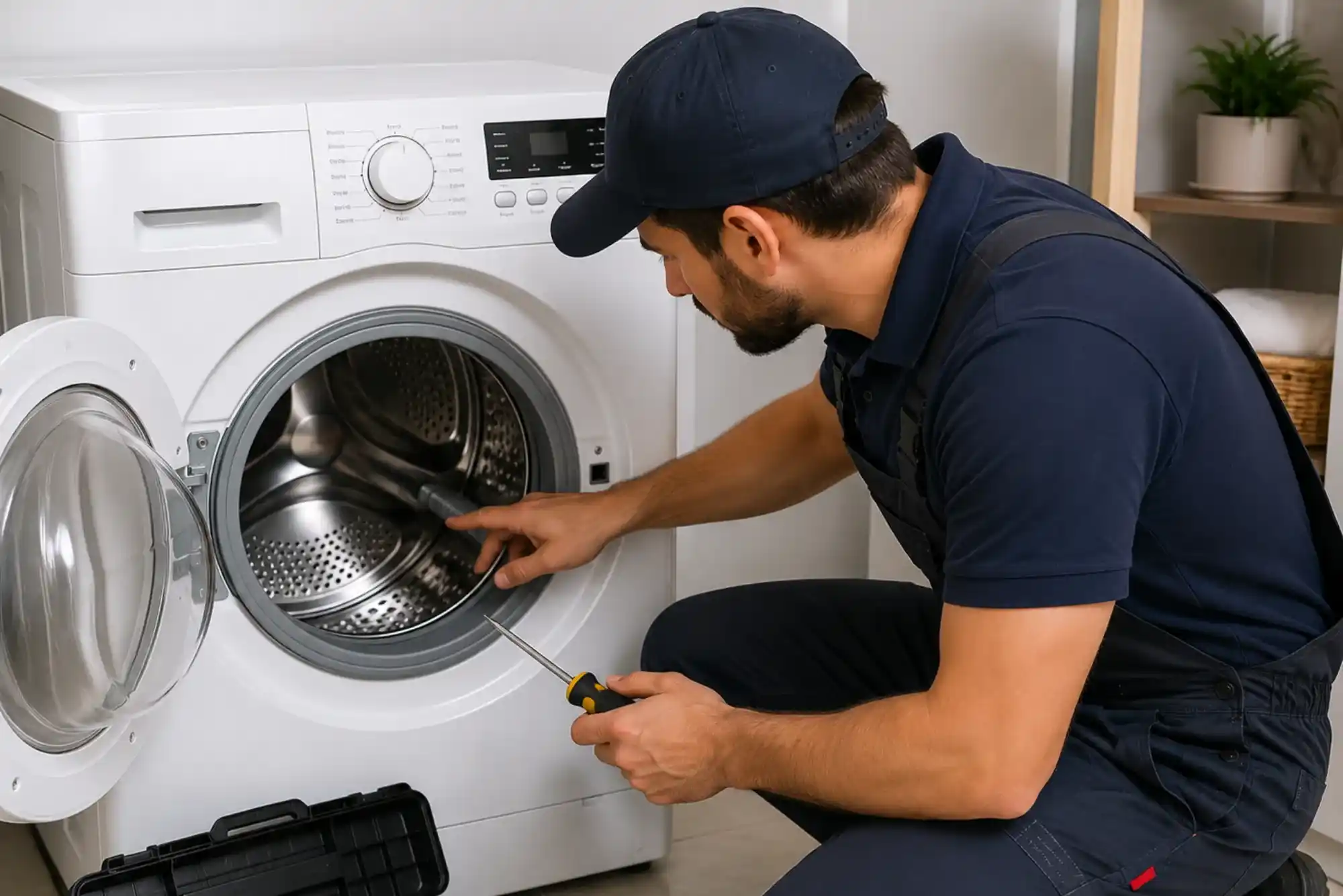
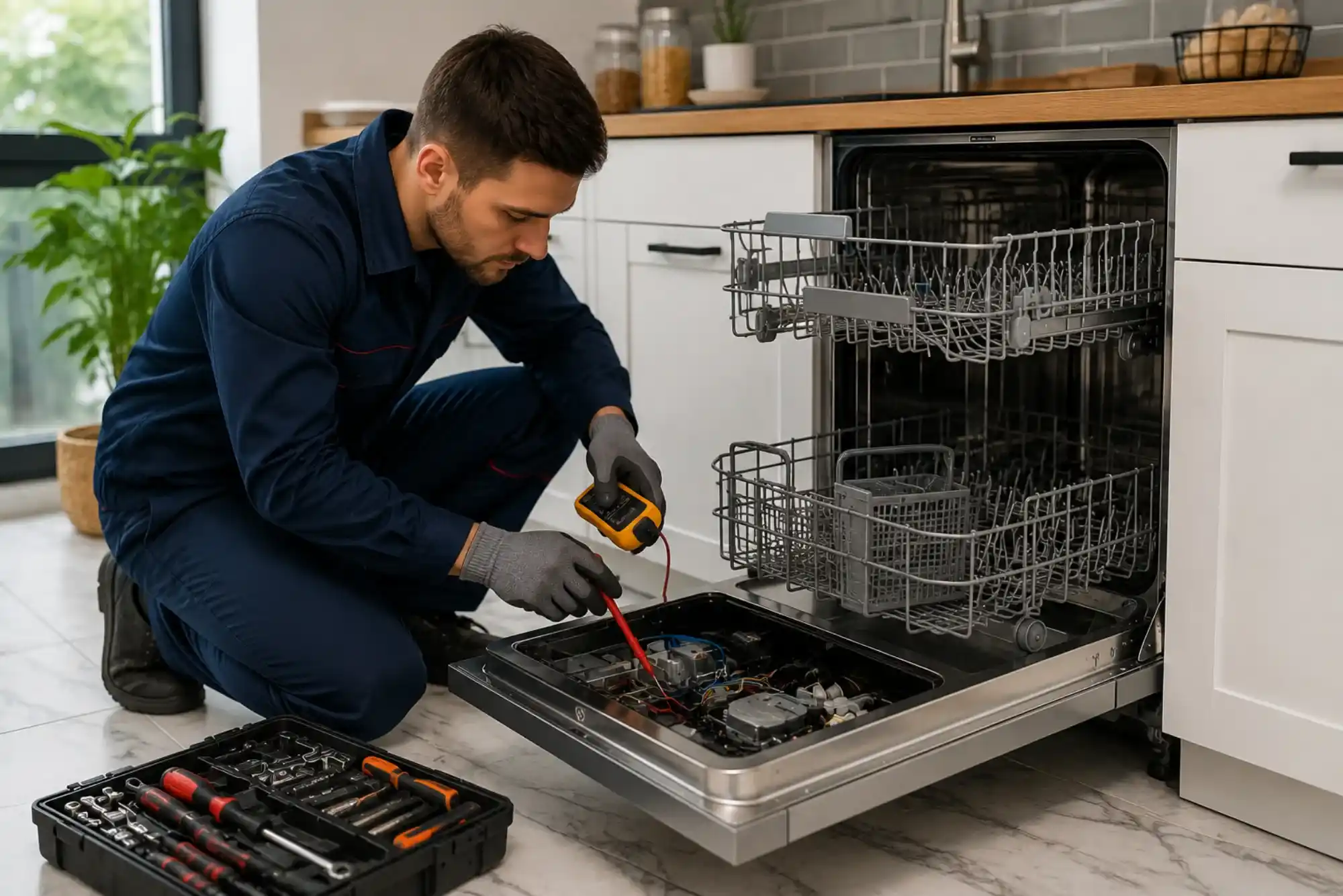
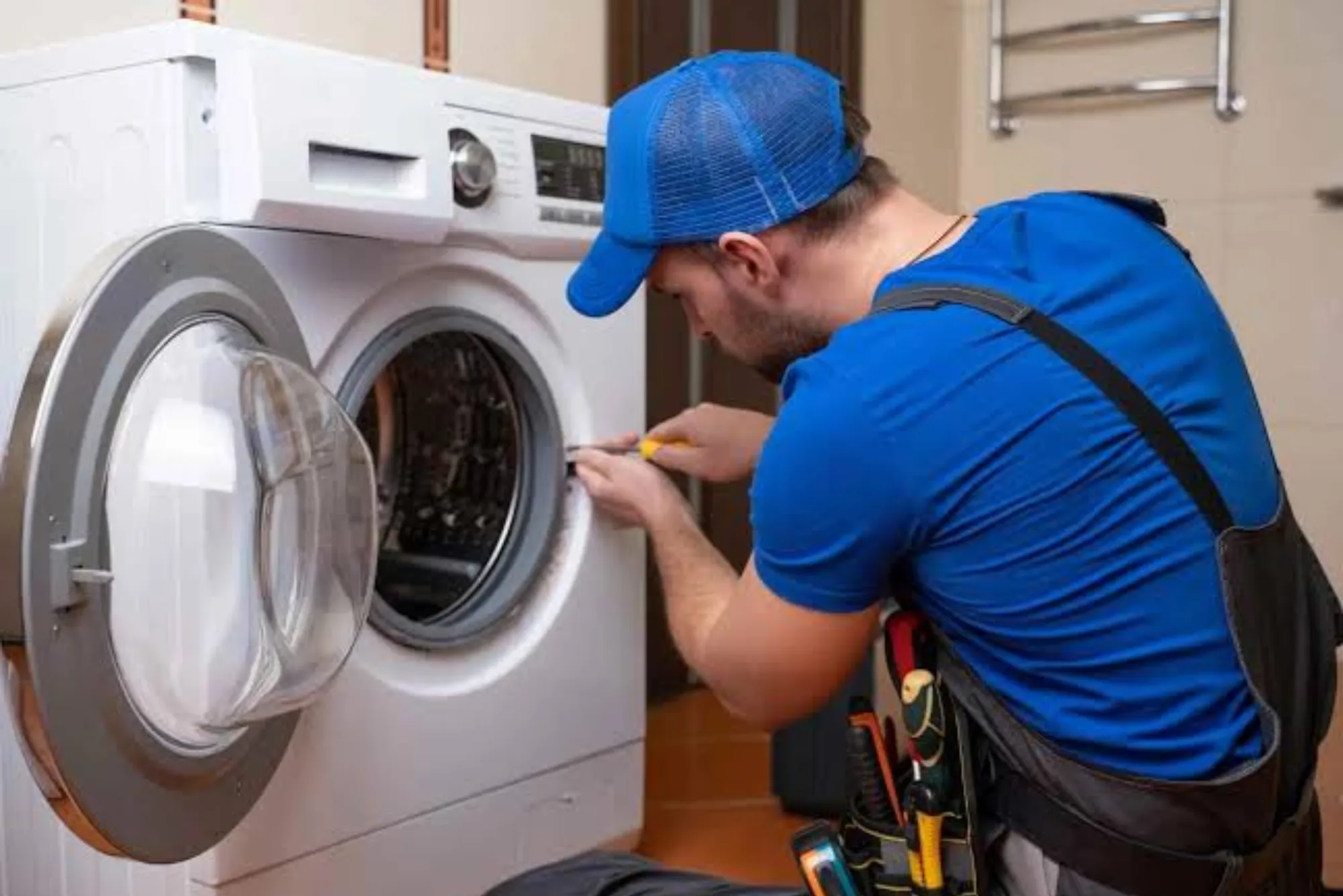
A washing machine is one of the most essential appliances in any household. It saves time, energy, and effort, taking care of one of the most repetitive chores—laundry. However, like all appliances, washing machines are prone to wear and tear. When your washer starts making strange noises, leaking water, or refusing to spin, the first instinct might be to try a quick fix or search for a DIY tutorial. While minor issues can sometimes be resolved without professional help, there are specific situations where calling a certified technician is not just advisable—it’s crucial.
This article explores how to determine when to call a professional for washing machine repair, what signs to look for, and how expert intervention can save you from bigger problems and unnecessary expenses.
Understanding the Complexity of Modern Washing Machines
Modern washing machines are far more sophisticated than older models. They come equipped with smart sensors, digital controls, and advanced features like automatic load balancing, water-saving modes, and Wi-Fi connectivity. These technologies enhance convenience and efficiency but also make repairs more complex.
In many cases, what appears to be a simple issue—like the machine not draining or spinning—can be a symptom of deeper electrical or mechanical faults. Attempting to fix these issues without proper tools or training can cause further damage or even void your warranty. That’s why understanding the complexity of the appliance is the first step toward knowing when professional intervention is required.
Signs That Indicate It’s Time to Call a Professional
Not every issue demands expert repair, but certain warning signs shouldn’t be ignored. For example, if your washing machine trips the circuit breaker, emits a burning smell, or leaks water excessively, these are red flags. Electrical or water-related problems can escalate quickly and pose safety risks.
Similarly, loud grinding or knocking sounds may indicate a malfunctioning drum bearing or suspension system. These components require specialized tools and skills to repair. A professional technician can accurately diagnose the issue, source the right parts, and ensure the repair meets safety standards.

Electrical and Safety Hazards
Electricity and water don’t mix well, making washing machines potentially hazardous when malfunctioning. A faulty wire, damaged control board, or short circuit can lead to electric shocks or even fires. Untrained attempts to handle electrical components can be dangerous.
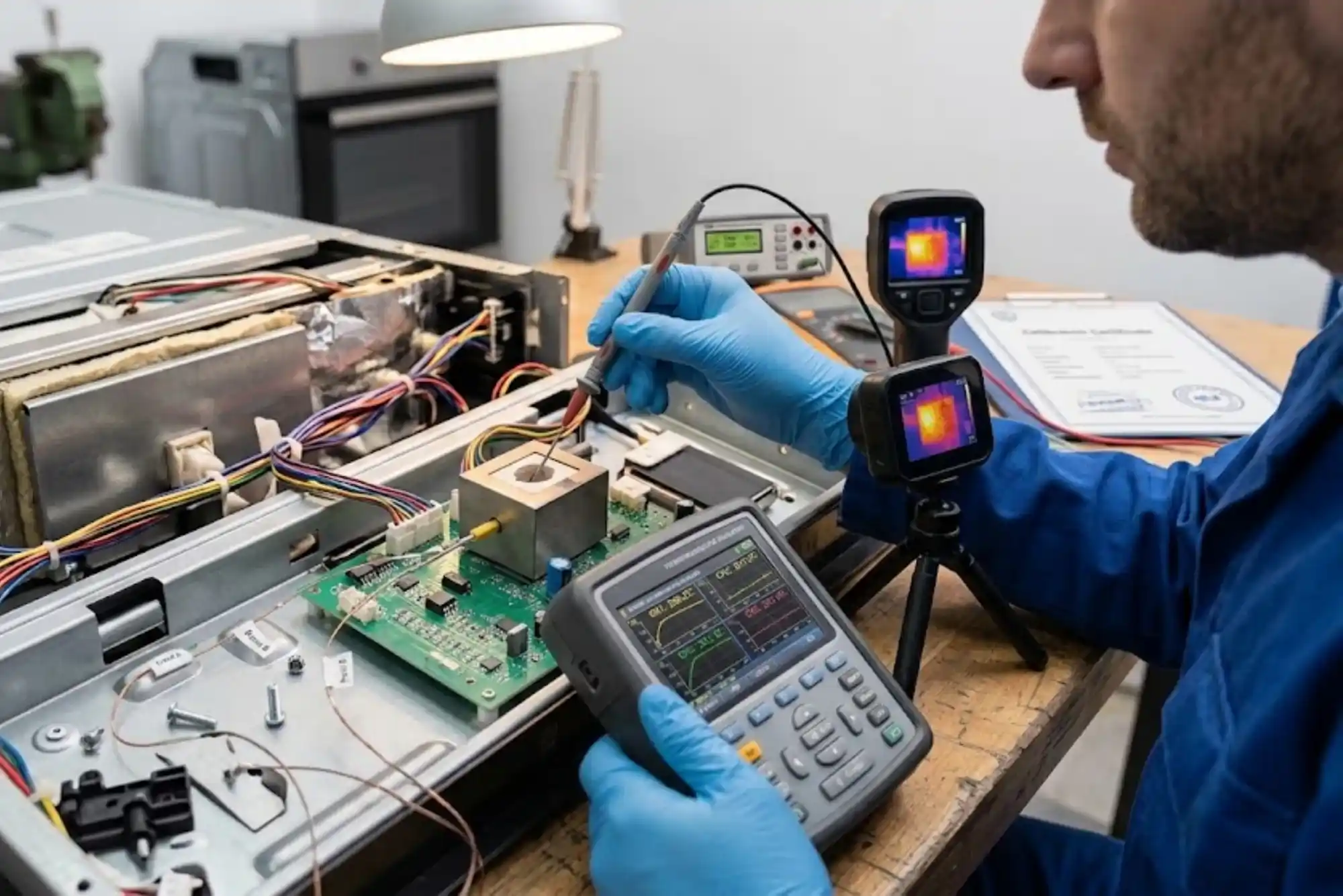
Professional repair technicians are trained to handle such risks safely. They follow industry standards and use diagnostic tools to detect hidden faults. In many cases, what seems like a dead motor or unresponsive control panel could be a power supply or fuse issue that needs technical expertise to address correctly.
When DIY Fixes Can Do More Harm Than Good
It’s tempting to search for online videos and attempt repairs on your own—especially when you believe it could save money. However, washing machines are intricate systems where small mistakes can lead to costly damage. For instance, over-tightening a bolt, misaligning a belt, or reconnecting wires incorrectly can lead to leaks, motor failure, or short circuits.
Even if a temporary fix appears to work, it might only mask a deeper issue that resurfaces later with more severe consequences. Moreover, many manufacturers specify in their warranty terms that unauthorized repairs can void coverage. So, while DIY may feel satisfying, it can end up costing more in the long run.
The Value of Professional Diagnosis
A professional repair service offers more than just fixing the problem—it provides accurate diagnosis. A trained technician can identify whether an issue stems from a mechanical fault, software error, or power fluctuation. With access to specialized diagnostic tools, they can pinpoint the exact malfunction, saving both time and money.
For instance, a washing machine that won’t spin might be suffering from a faulty lid switch, a broken belt, or a defective motor control board. Instead of replacing parts blindly, a professional will test each possibility systematically, ensuring that only the necessary components are replaced.
Cost Efficiency and Long-Term Savings
Many people hesitate to call a professional because they fear high repair costs. However, professional intervention often prevents more expensive damage. Early detection and repair of small issues—such as a worn-out bearing or minor leak—can prevent catastrophic failures that require full part replacements or even a new machine.
Additionally, a technician’s repair may extend the lifespan of your washing machine by years. Regular professional servicing can also improve energy efficiency, reduce water consumption, and ensure that the appliance continues to operate safely.
When Replacement May Be Better Than Repair
There comes a point where repair may no longer be the most cost-effective solution. A qualified technician can help you evaluate whether the cost of repairing your machine outweighs the benefit. For example, if your washer is over ten years old and the repair estimate is more than half the price of a new unit, replacement might make more sense.
Professionals can also advise on newer, energy-efficient models that align with your household’s needs. Instead of spending money repeatedly on an aging appliance, investing in a modern washer can result in long-term savings on electricity, water, and maintenance.
The Importance of Choosing a Certified Technician
When you decide to call for professional help, selecting the right technician is critical. Not all repair services are equal. Certified technicians who specialize in your washer’s brand are often the best choice, as they have direct access to genuine parts and brand-specific training.
Look for repair companies that are licensed, insured, and have positive reviews or manufacturer affiliations. A trustworthy service provider will offer transparent estimates, warranty-backed repairs, and prompt customer support. Avoid technicians who provide vague quotes or demand full payment upfront without assessing the issue properly.
Preventive Maintenance: An Expert’s Advice
Even if your washing machine seems to be functioning fine, regular maintenance checks by professionals can prevent unexpected breakdowns. During maintenance visits, technicians can clean filters, check hoses for leaks, inspect drum bearings, and recalibrate settings.
This proactive approach not only extends the appliance’s life but also ensures consistent performance. Preventive maintenance can catch issues like mineral buildup, unbalanced loads, or faulty water valves before they evolve into major problems.
Environmental and Warranty Considerations
Sustainability and warranty protection are two important factors that make professional repairs a wise choice. Attempting unauthorized fixes or using counterfeit parts can void your manufacturer’s warranty and contribute to environmental waste if the appliance becomes irreparable.
Professionals, on the other hand, follow eco-friendly practices by repairing instead of replacing whenever possible. They responsibly dispose of defective parts and ensure compliance with energy efficiency standards. This helps reduce your household’s carbon footprint and aligns with modern sustainability goals.
How to Prepare Before the Technician Arrives
Before the repair appointment, clear the area around your washing machine for easy access. Take note of any unusual symptoms, noises, or error codes displayed on the control panel. Providing this information helps the technician diagnose the issue faster.
You can also check whether the machine is still under warranty, as this may affect the cost or choice of service provider. Keeping relevant documents—like purchase receipts, warranty cards, or previous service records—on hand will streamline the repair process.
The Future of Professional Washing Machine Repair
As appliances become smarter, the future of repair services is also evolving. Many modern washing machines can self-diagnose and send error data directly to technicians through mobile apps or Wi-Fi connections. This allows for remote troubleshooting, faster service, and fewer in-person visits.
However, the need for human expertise remains irreplaceable. While technology can identify the problem, only skilled technicians can ensure safe and effective repair. As manufacturers integrate more digital features, professional repair will continue to be essential for maintaining reliability and performance.
Knowing when to call a professional for washing machine repair can make the difference between a minor inconvenience and a major expense. While basic troubleshooting and maintenance are part of responsible appliance ownership, certain situations require expert hands.