Dishwashers have become an essential part of modern homes, offering convenience and efficiency when it comes to cleaning dishes. However, like all appliances, they are subject to wear and tear over time. One of the most common yet overlooked components in a dishwasher is the pressure sensor. The pressure sensor plays a critical role in monitoring water levels inside the unit and ensuring the dishwasher operates at the correct pressure. If this part fails, the dishwasher may not function correctly, leading to poor cleaning results, overfilling, or even potential damage to the appliance. Replacing the dishwasher pressure sensor is a technical yet manageable task, provided you have the right guidance, tools, and precautions.
In this detailed guide, we will explain everything you need to know about replacing a dishwasher pressure sensor, from understanding its function and symptoms of failure to the actual replacement process and why professional repair services are often the best solution.
Understanding the Role of a Dishwasher Pressure Sensor
The pressure sensor is designed to measure and regulate water pressure and water level during the wash cycle. This sensor communicates with the dishwasher’s control board to ensure that the correct amount of water is used at each stage of the cycle. When the pressure sensor works properly, the dishwasher maintains a balance between efficiency and performance.
If the sensor becomes faulty, the machine may take in too little water, resulting in poorly cleaned dishes, or too much water, which could lead to leaks and overflows. In more severe cases, the dishwasher may stop mid-cycle or fail to start altogether. Recognizing the importance of this component helps homeowners understand why timely replacement is crucial.
Signs That Your Dishwasher Pressure Sensor Needs Replacement
A faulty pressure sensor will typically display noticeable symptoms that can alert you to a problem. Common indicators include incomplete cycles, unusual error codes on the display, or dishes that remain dirty even after a full wash. Some dishwashers may overfill with water, causing visible leaks or flooding around the base of the appliance. Others may experience difficulty draining properly, leaving excess water inside after the cycle finishes.
When these signs occur, it is often tempting to blame general wear or clogged filters, but if regular maintenance does not resolve the issue, the sensor may be the culprit. Ignoring these warnings can lead to bigger and costlier issues, so replacement should not be delayed.

Preparing for Dishwasher Pressure Sensor Replacement
Before starting the replacement process, safety and preparation are critical. Dishwashers are connected to both electrical power and water supply, which means handling them without care can be risky. Always disconnect the appliance from the power outlet before attempting any repair. Additionally, shut off the water supply to prevent leaks or accidents during the process.
Gathering the right tools is also essential. A replacement pressure sensor compatible with your dishwasher model, a screwdriver set, pliers, and protective gloves are typically needed. Having a towel or container ready to catch any water remaining inside the system is also advisable.
Step-by-Step Process of Replacing the Pressure Sensor
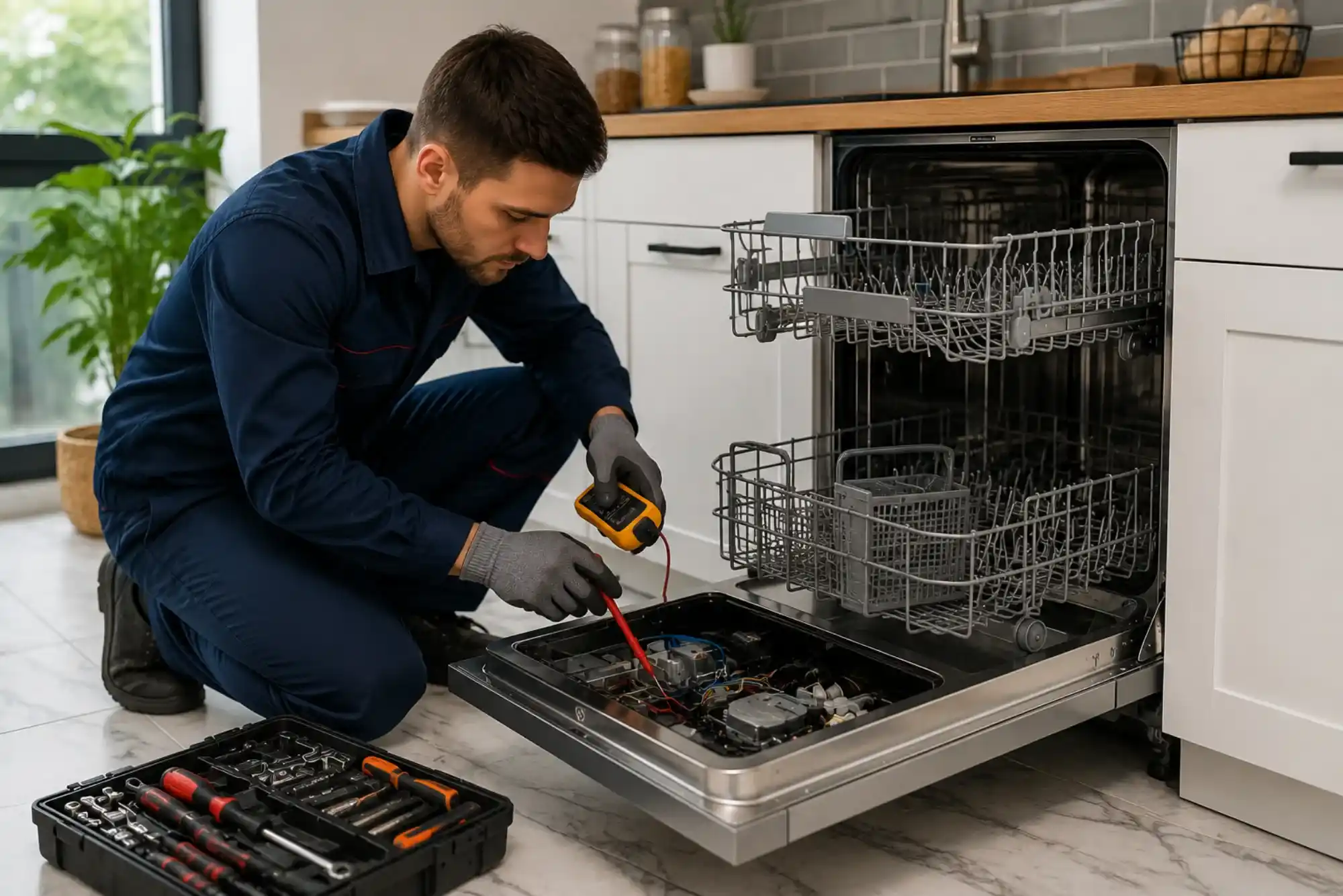
Replacing a dishwasher pressure sensor requires precision. Once the appliance is safely disconnected, you will need to access the sensor, usually located near the bottom or side of the machine, depending on the brand and model. This often requires removing the kick plate or bottom panel.
After accessing the sensor, disconnect the wiring harness carefully to avoid damaging the electrical connections. The old sensor is typically secured with screws or clips, which can be loosened using the appropriate tools. Once removed, the new sensor can be installed in its place, ensuring it is properly aligned and securely fastened.
Next, reconnect the wiring harness and reassemble the dishwasher panels. After the installation, restore power and water supply and run a test cycle to confirm the repair was successful. If everything is functioning correctly, the dishwasher should operate smoothly without error codes, leaks, or pressure-related issues.
Common Mistakes to Avoid During Replacement
Many homeowners attempt this repair themselves to save money, but mistakes can happen if the process is rushed or instructions are not followed. A common error is failing to shut off the water or power, which can create hazards. Another mistake is using the wrong type of sensor for your specific dishwasher model, which may lead to compatibility issues and further malfunctions.
Improperly securing the sensor or damaging the wiring harness during disconnection is also a frequent problem. Even minor errors can compromise the dishwasher’s performance, so following a precise step-by-step process is vital.
The Benefits of Professional Repair Services
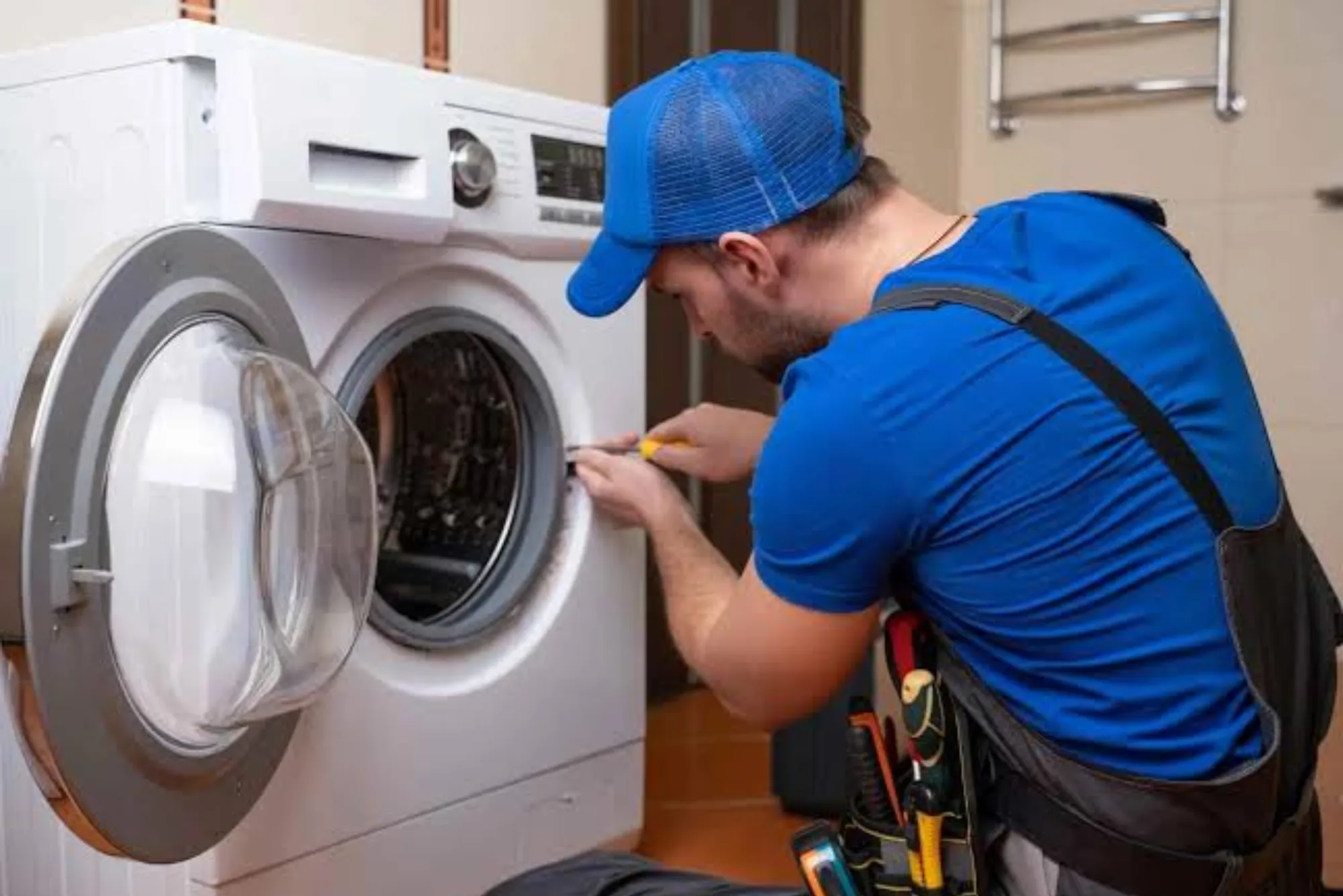
While some homeowners are confident in handling appliance repairs, hiring a professional technician is often the safest and most efficient option. Experts are trained to diagnose the problem accurately, ensure the correct parts are used, and perform the replacement without damaging other components of the dishwasher.
Professional services also provide warranties for both parts and labor, giving you peace of mind that the repair will last. Attempting a DIY replacement without proper experience can sometimes make the issue worse, leading to higher repair costs in the long run.
In areas with a high demand for appliance repair services, such as Dubai, finding a reliable company specializing in dishwasher repairs ensures your appliance is back in working condition quickly and efficiently. Companies offering home appliance repair services understand the urgency of restoring functionality and provide on-site solutions that save time and effort.
Extending the Lifespan of Your Dishwasher After Sensor Replacement
Once the pressure sensor has been successfully replaced, proper maintenance will help extend the overall lifespan of the dishwasher. Regularly cleaning the filters, checking for blockages in the spray arms, and running maintenance cycles with specialized cleaning agents will prevent buildup that may affect performance. Ensuring that dishes are rinsed before loading can reduce strain on the appliance and its sensors.
It is also wise to schedule routine inspections with a technician, especially if your dishwasher is older. Preventative maintenance can catch potential issues before they become serious, saving money and avoiding unexpected breakdowns.
Why Timely Sensor Replacement Matters
Delaying the replacement of a faulty dishwasher pressure sensor can lead to worsening issues. Excess water pressure may damage internal components, while low water pressure may cause incomplete cleaning and wasted energy. Over time, these problems reduce the efficiency and reliability of the appliance, increasing utility costs and the likelihood of needing a complete replacement.
Addressing the problem early not only restores the dishwasher’s performance but also prevents damage to surrounding kitchen areas from potential leaks. For households relying heavily on dishwashers, timely repair ensures convenience and prevents disruptions to daily routines.
The dishwasher pressure sensor may be a small component, but it plays a vital role in ensuring your appliance runs smoothly and efficiently. Recognizing the signs of sensor failure and knowing how to replace it can save you from costly damages and restore your dishwasher’s effectiveness. Although the process can be handled by experienced homeowners, the complexity of the repair and potential risks often make professional service the smarter choice.