Dishwashers have become an indispensable part of modern kitchens, offering convenience, efficiency, and consistent cleaning results. However, like any appliance that uses water, dishwashers carry the risk of leaks or flooding if something goes wrong. A simple malfunction such as a blocked pipe, a worn seal, or a faulty hose can cause significant water damage to floors, cabinets, and electrical systems. To minimize these risks, manufacturers include an essential safety component: the anti-flood device.
The role of an anti-flood device in dishwashers goes beyond simple prevention of leaks. It acts as a safeguard for your kitchen, your home, and your appliance investment. Understanding how these devices function, why they matter, and how they contribute to the longevity of your dishwasher helps both homeowners and service providers appreciate their value.
Why Water Safety Is a Major Concern in Dishwashers
Dishwashers handle large volumes of water during each cycle. Depending on the model, a single wash may use anywhere from 10 to 25 liters of water. This water is managed under pressure, distributed through hoses and spray arms, and constantly drained and refilled. With so many moving parts and constant water flow, even a minor fault can create major consequences.
Without a safeguard, a small leak under the dishwasher could go unnoticed for hours, gradually seeping into flooring materials, weakening wooden cabinets, and even reaching electrical outlets. Prolonged exposure to moisture can cause mold growth, structural issues, and costly repairs. Insurance companies often highlight kitchen floods as one of the most expensive domestic water damage claims. That is why having an anti-flood device installed in your dishwasher is not just about convenience; it is about protecting your home.
What Is an Anti-Flood Device?
An anti-flood device is a safety mechanism integrated into dishwashers to prevent water overflow or leakage from causing damage. It is typically located within the base of the machine or integrated into the water inlet hose. The device is designed to detect unusual water activity, such as excess water levels or leaks, and automatically shut off the supply before flooding occurs.
In modern dishwashers, these devices can take several forms, including:

- AquaStop systems, where a valve automatically cuts off water supply when leakage is detected.
- Float systems, which raise a mechanical float inside the base when water accumulates, triggering an emergency shutoff.
- Electronic flood sensors, which rely on sensors and microchips to monitor abnormal water activity.
Regardless of their design, all anti-flood devices serve the same purpose: to detect problems early and stop the water before it escapes control.
How Anti-Flood Devices Work
The functionality of an anti-flood device is straightforward but highly effective. When water begins to escape into areas where it should not be, the device reacts immediately.
For example, in float-based systems, a rising water level in the dishwasher’s base lifts a float switch. Once the float rises beyond a safe level, it signals the control system to cut off power to the water inlet valve, stopping the flow instantly. Some systems also activate the dishwasher’s drain pump to remove excess water.
AquaStop hoses work slightly differently. These hoses contain a double-layer design with a mechanical valve. If the inner hose ruptures, water flows into the protective outer casing, where a sensor triggers the shutoff valve. This prevents water from ever reaching your floor.
Electronic flood sensors go a step further by using advanced detection methods. They can monitor flow rates, pressure changes, and water levels with precision. If anything unusual is detected, the system intervenes before damage occurs.
This combination of mechanical and electronic systems ensures that dishwashers remain one of the safest water-using appliances in the home.
Benefits of Anti-Flood Devices in Dishwashers
The role of anti-flood devices is not limited to just preventing water damage. Their benefits extend into efficiency, safety, and appliance lifespan.
First and foremost, they protect your property. Even a small amount of water leaking over several hours can cause thousands of dirhams worth of damage in kitchens with wooden floors or expensive cabinetry. By shutting off water quickly, the device saves homeowners from these expenses.
Secondly, they protect electrical safety. Water and electricity are a dangerous combination. A leaking dishwasher without an anti-flood system could allow moisture to reach electrical outlets, leading to short circuits or even fire hazards. Anti-flood systems cut off the risk at the source.
Another major benefit is the extended life of your dishwasher. When water is controlled properly, internal parts are less exposed to stress and overflows. Preventing leaks means preventing corrosion, motor strain, and pump failure. Over time, this adds years to your dishwasher’s life expectancy.
Finally, these devices also bring peace of mind. Homeowners can run dishwashers overnight or while away from home without worrying about unexpected flooding. This confidence increases overall satisfaction with the appliance.
Common Causes of Dishwasher Flooding
To appreciate the importance of anti-flood devices, it is worth considering why dishwashers may flood in the first place. One of the most common reasons is a blocked or kinked drain hose. When water cannot exit properly, it begins to back up and accumulate.
Another reason is wear and tear in the inlet hose. Over time, water pressure can weaken the hose material, eventually causing cracks or bursts. Door seal damage is another frequent culprit. If the rubber gasket around the door loses its flexibility, water begins leaking during each wash cycle.
Even incorrect detergent usage can lead to flooding. Excess suds from non-dishwasher detergents can overwhelm the drainage system, creating overflow. In each of these cases, the anti-flood device steps in as a safeguard, cutting water supply before the leak escalates.
The Role of Anti-Flood Devices in Modern Dishwasher Design
Modern dishwashers are designed not just for cleaning efficiency but also for safety and sustainability. Anti-flood devices play a central role in this design philosophy. Manufacturers recognize that energy efficiency and water savings are important, but these benefits are meaningless if the machine risks flooding the home.
As a result, premium dishwashers almost always include advanced anti-flood technology. Even mid-range models now incorporate at least basic float systems or reinforced hoses with shutoff valves. Some smart dishwashers integrate flood detection into their digital monitoring systems, allowing homeowners to receive alerts on mobile apps if a potential leak occurs.
This integration reflects the growing demand for appliances that are both eco-friendly and safe. Consumers today expect not only performance but also security. Anti-flood devices fulfill this expectation by offering a level of reliability that protects investments in both the appliance and the home.
Maintenance of Anti-Flood Devices
Although anti-flood devices are highly reliable, they are not maintenance-free. For homeowners, it is important to ensure that the dishwasher is installed correctly, with hoses positioned without bends or excessive tension. Regular inspections of hoses and seals can help detect early signs of wear before they become problematic.
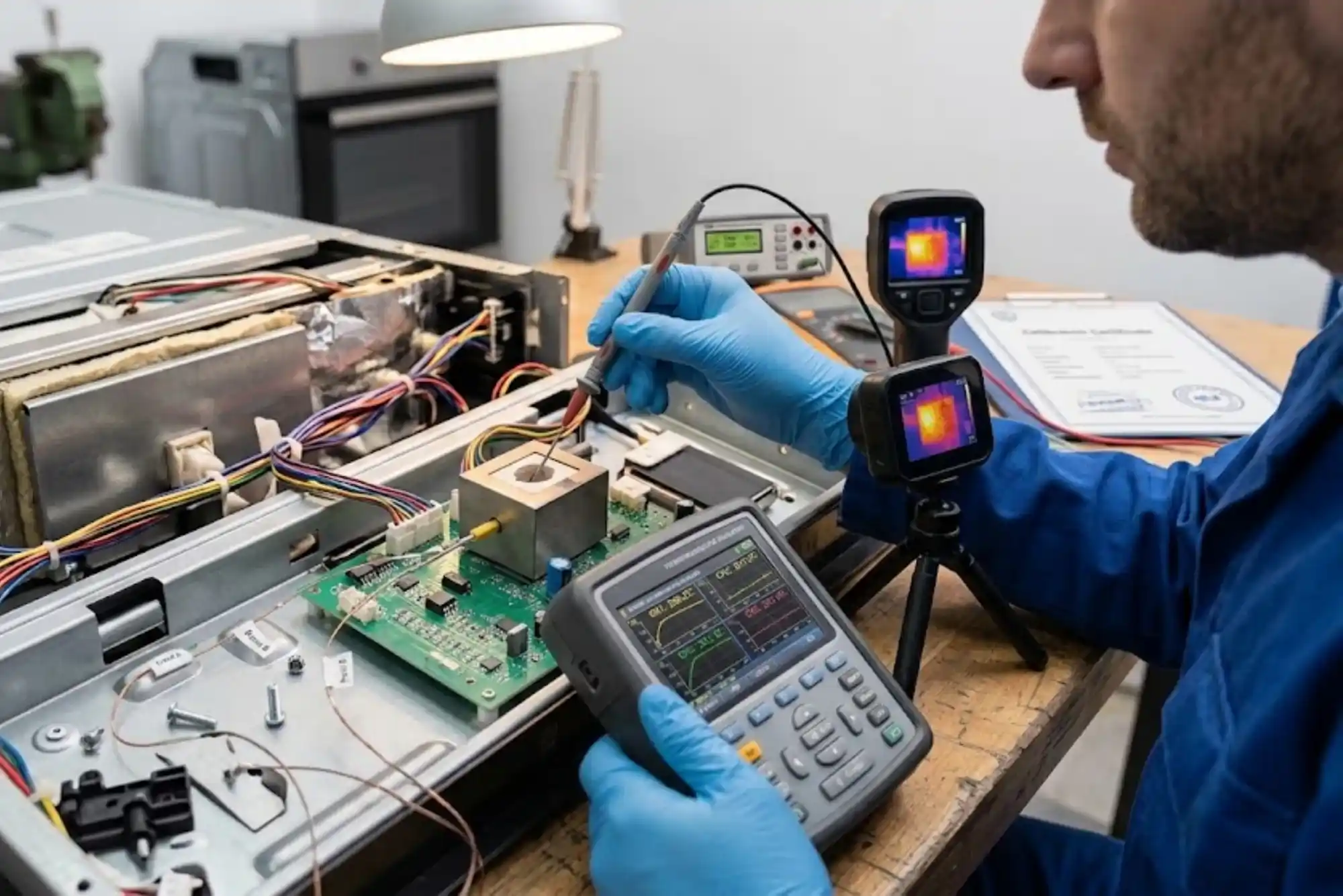
Technicians performing routine service should also test the functionality of the anti-flood system. This includes checking float switches, ensuring the base pan is clean, and verifying electronic sensors respond properly. Preventive maintenance ensures the safety system remains effective throughout the lifespan of the dishwasher.
In the event of a failure, replacement of anti-flood components should always be handled by qualified professionals. Attempting to bypass or disable the device can expose the household to severe risks. Proper repairs maintain both the manufacturer’s warranty and the safety of the home.
Why Professional Repair Services Are Essential
When a dishwasher experiences leaks or malfunctions, professional repair services become critical. While the anti-flood device may prevent immediate disaster, the root cause of the problem still needs attention. Skilled technicians can identify whether the issue lies in the inlet hose, the pump, the seals, or the drainage system.
In Dubai, where kitchens often feature high-end cabinetry and flooring, protecting against water damage is even more vital. Professional services not only fix the underlying issue but also ensure the anti-flood mechanism is working correctly. This prevents recurring problems and maintains peace of mind for homeowners.
The role of anti-flood devices in dishwashers cannot be overstated. These small but powerful components act as guardians of your kitchen, preventing leaks from escalating into floods, protecting electrical safety, and preserving the longevity of your appliance.
By shutting off water supply at the first sign of trouble, anti-flood devices save homeowners from costly damage and offer the freedom to use dishwashers with confidence. Whether mechanical or electronic, these systems embody the principle of smart safety—ensuring that the convenience of dishwashing never comes at the expense of your home’s security.