An oven is one of the most frequently used appliances in the modern kitchen, helping prepare everything from simple everyday meals to special dishes for family gatherings. When it functions correctly, it provides consistent heat and ensures food cooks evenly. However, one of the most frustrating problems homeowners face is when an oven begins to run too hot. This issue not only spoils food but can also become a potential safety hazard if not addressed properly. Understanding why this happens, what solutions are available, and when to seek professional help is essential for keeping your oven in top condition.
Understanding the Problem of an Overheating Oven
When an oven runs too hot, it means the appliance is producing more heat than the set temperature indicates. For instance, you may set your oven to 180°C, but it actually heats closer to 220°C or higher. This leads to overcooked or burnt meals and unnecessary frustration in the kitchen. The problem might seem minor at first, but consistent overheating points to deeper mechanical or electrical issues that require attention.
Ovens are designed with a thermostat or a temperature sensor that regulates heat and ensures consistency. If either of these components malfunctions, the oven cannot maintain proper temperature control. In addition, issues with the heating elements, control boards, or calibration may also result in excessive heat.
Common Causes Behind an Oven Running Too Hot
Several technical reasons could be responsible for an oven that runs too hot. While it is possible for a homeowner to identify some basic issues, a professional oven repair service often provides the safest and most accurate solution.
One of the most frequent causes is a faulty thermostat. The thermostat measures the oven’s internal temperature and signals the heating element to turn off once the desired temperature is reached. If the thermostat is defective, the heating element continues running, resulting in overheating. Similarly, modern ovens that use electronic sensors may encounter calibration errors or sensor failure, both of which contribute to inaccurate temperature regulation.
Another cause could be related to the oven’s control board. The control board acts as the brain of the appliance, interpreting the user’s settings and controlling power supply to the heating components. A malfunction here can cause the oven to overheat, even if the thermostat is working properly.

Heating elements themselves can also play a role. In electric ovens, if the element is damaged or short-circuited, it may continue producing heat regardless of thermostat signals. Gas ovens, on the other hand, may suffer from issues with the gas valve or igniter, causing excess heat output.
Signs That Your Oven is Overheating
The most obvious sign of an oven that runs too hot is food cooking much faster than usual or becoming burnt on the outside while remaining undercooked inside. For example, a cake that should take 30 minutes might be blackened after 15. Another sign is an unusually high temperature inside the oven even when set to a moderate level. You may also notice strong burning smells, smoke, or food splattering because of excessive heat.
These symptoms not only disrupt cooking but may also damage cookware over time. Continuous overheating can weaken baking trays, warp pans, and even cause the oven’s interior parts to deteriorate faster than expected.
Steps to Fix an Oven That Runs Too Hot
Addressing an overheating oven requires a combination of troubleshooting, careful inspection, and sometimes professional repair. In some cases, the issue may be as simple as recalibrating the oven’s thermostat, while in others, replacement parts may be needed.
Checking Temperature Accuracy
The first step is to confirm whether the oven is genuinely overheating. You can do this by using an oven thermometer. Place the thermometer inside the oven, set the oven to a specific temperature, and compare the reading with the set temperature. If the difference is significant—such as the oven heating 25–50°C higher—it confirms the overheating problem.
Recalibrating the Oven
Most modern ovens allow recalibration of temperature settings. This involves adjusting the oven’s control system so that the displayed temperature matches the actual internal heat. The method varies depending on the oven model, so consulting the user manual is important.
Inspecting the Thermostat or Sensor
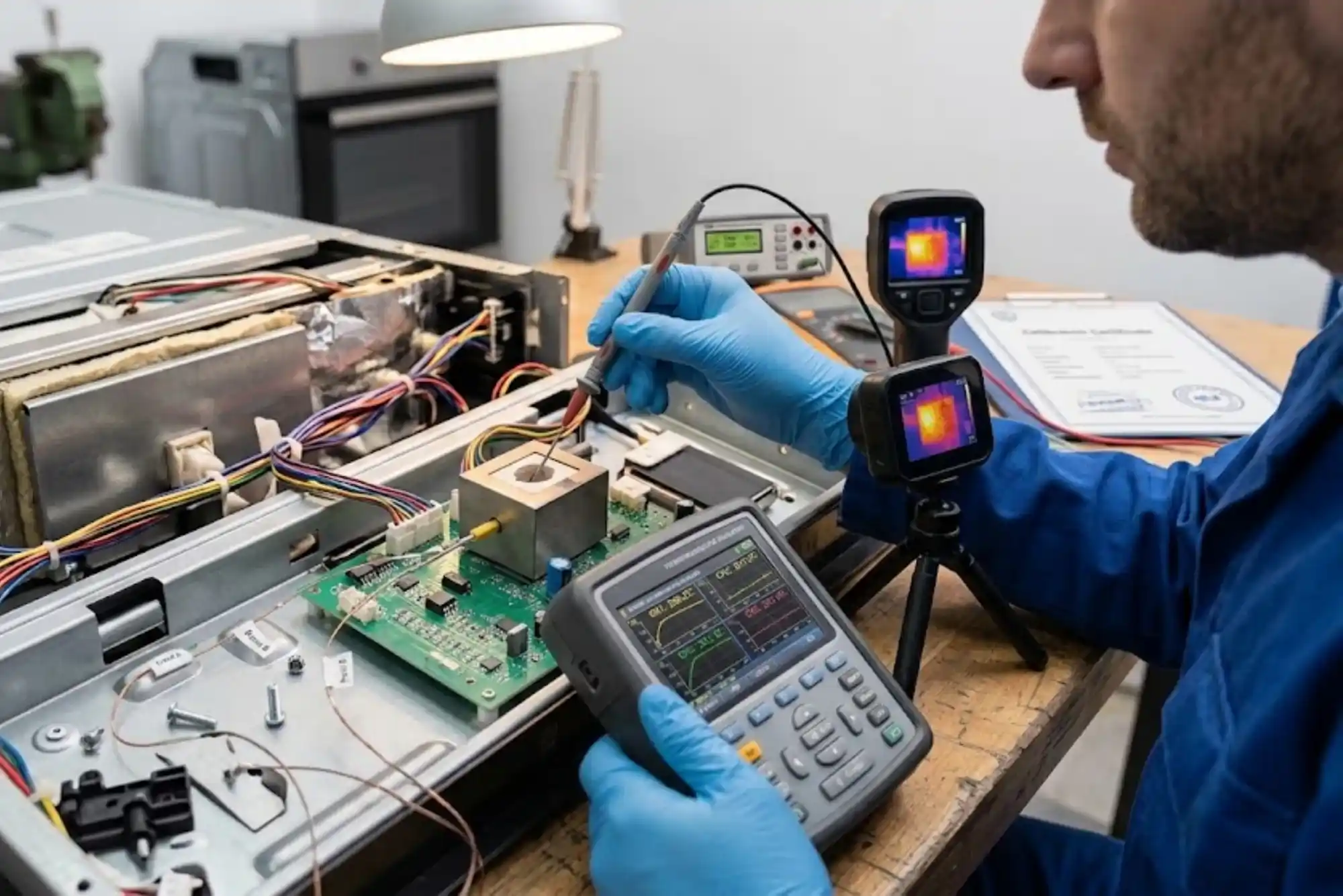
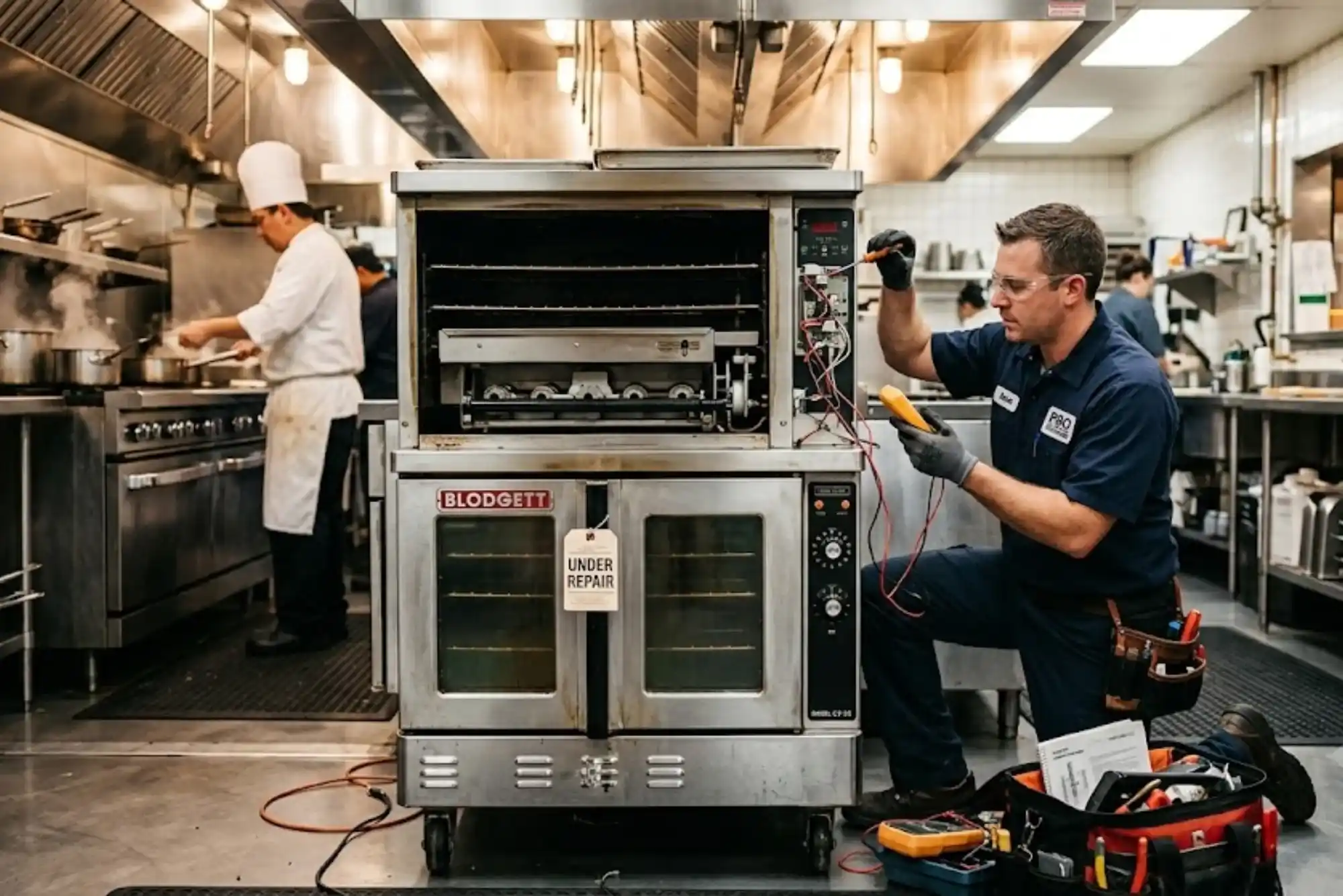
A defective thermostat or sensor often requires replacement. In some cases, cleaning or resetting may resolve the issue, but if the component is completely faulty, it cannot regulate temperature effectively. Professional oven repair technicians usually test these parts using specialized equipment to confirm the exact fault.
Examining the Control Board
The oven’s control board is more complex and may show signs of damage such as burnt marks, loose wiring, or unresponsive buttons. Since repairing or replacing a control board involves electrical expertise, it is usually best left to qualified technicians.
Heating Element Issues
In electric ovens, the heating elements should be inspected for visible damage, burns, or cracks. A faulty element often continues to glow red hot, producing excessive heat. Replacement is generally required, which is another task better suited for a trained technician.
When to Call a Professional Oven Repair Service
While some homeowners may attempt DIY fixes such as recalibration, professional repair services are strongly recommended for issues involving thermostats, sensors, control boards, or heating elements. Handling these components without expertise poses safety risks, especially since ovens involve high-voltage electrical parts and, in the case of gas ovens, combustible fuel systems.
A professional repair service provides accurate diagnosis and ensures the correct replacement of faulty parts. Technicians also perform safety checks to confirm that the appliance is functioning properly and poses no hazards. Regular maintenance checks by experts can further prevent overheating issues and prolong the lifespan of the oven.
Preventive Measures for Avoiding Overheating
Preventing an oven from running too hot is often easier than dealing with repairs. Proper use and maintenance play an important role. Always avoid overloading the oven with heavy cookware, as this strains heating components. Regular cleaning of the oven interior prevents grease and food buildup that can trap excess heat.
Another preventive step is avoiding abrupt temperature changes. Allow the oven to preheat gradually instead of rapidly increasing temperature settings. Additionally, schedule periodic maintenance checks with a trusted repair service to ensure all parts are functioning efficiently.
The Importance of Timely Oven Repair
Delaying repairs for an overheating oven can lead to more serious damage, higher repair costs, and even safety risks. An oven that consistently overheats consumes more electricity, increasing utility bills unnecessarily. Moreover, frequent overheating can damage the oven’s wiring, interior lining, and even surrounding kitchen structures.
From a safety standpoint, ignoring the issue could result in fires or gas leaks in the case of gas ovens. Therefore, homeowners should treat overheating as an urgent matter and contact professionals without delay.
An oven that runs too hot is more than just an inconvenience—it affects cooking quality, damages food, and can lead to significant safety hazards if neglected. By understanding the underlying causes, homeowners can identify the problem early and take appropriate steps to resolve it. While minor issues such as recalibration may be manageable at home, most overheating problems require professional diagnosis and repair.