Cleaning the oven is rarely anyone’s favorite household task, yet it is one of the most important when it comes to maintaining hygiene, efficiency, and longevity of the appliance. While most people focus on the oven racks or the inside cavity, the side panels are often overlooked. Over time, side panels accumulate grease, baked-on food, and residue that not only look unpleasant but can also affect performance and airflow. Knowing how to clean oven side panels properly ensures the appliance functions smoothly and remains safe for daily use.
In this article, we will explore the reasons behind grime build-up, the preparation process before cleaning, safe and effective cleaning techniques, and maintenance practices to prevent future issues. Whether you use a traditional gas oven, a modern convection unit, or a smart appliance with advanced coatings, these insights will help you care for your oven like a professional.
Why Cleaning Oven Side Panels Matters
The side panels of an oven are not simply cosmetic parts. They play a structural role and often house insulation, wiring access points, or air circulation pathways. When grease and residue build up, several problems may arise. Excess grime can trap heat unevenly, forcing the appliance to overwork, which leads to higher energy consumption. In extreme cases, residue build-up can become a fire hazard when exposed to high temperatures.
From a hygiene perspective, food splatters and oil create an ideal environment for bacteria and mold, especially in warm conditions. Neglecting the side panels not only reduces the oven’s lifespan but may also compromise food safety. By understanding their importance, cleaning becomes less of a chore and more of a preventive measure.
Understanding the Materials of Oven Side Panels
Before tackling any cleaning process, it is essential to understand what the oven side panels are made of. Most modern ovens use enamel-coated steel panels, designed to resist heat and make cleaning easier. Some premium ovens include self-cleaning catalytic or pyrolytic panels that absorb or burn off grease at high temperatures. Stainless steel panels are also common, prized for durability but prone to streaks if cleaned improperly.
Recognizing the type of material determines the best cleaning approach. For enamel-coated panels, abrasive tools can damage the surface, while stainless steel requires careful wiping to avoid visible scratches. Self-cleaning panels often need minimal manual intervention but still benefit from light maintenance. Identifying the surface ensures that cleaning agents and tools are both safe and effective.

Preparing the Oven Before Cleaning
Proper preparation makes the cleaning process more efficient and reduces the risk of damaging the appliance. Start by unplugging the oven or switching off its power source for safety. If the oven has been used recently, ensure it is completely cool before beginning. Removing oven racks and trays not only clears the workspace but also prevents accidental scratches on the side panels during cleaning.
It is also useful to lay down protective sheets or old towels on the kitchen floor. Cleaning oven side panels often involves moisture, detergent, or baking soda solutions that may drip down. Having protection prevents mess and keeps the surrounding area manageable. Finally, gather all necessary tools—soft cloths, sponges, a mild cleaning solution, and a non-abrasive scraper if needed—so the process runs smoothly without interruption.
Choosing the Right Cleaning Solutions
The cleaning agent you use plays a crucial role in the outcome. Commercial oven cleaners are available, but many contain harsh chemicals such as sodium hydroxide that can corrode enamel or release toxic fumes. For side panels, a gentler approach is recommended. A simple mixture of warm water and dish soap is often enough for light grease. For tougher build-up, a paste made from baking soda and water works effectively without damaging surfaces.
For stainless steel side panels, vinegar diluted with water provides both degreasing power and a streak-free finish. If your oven has self-cleaning catalytic panels, avoid using heavy solutions, as they may interfere with the coating’s function. Instead, a damp cloth and mild soap are usually sufficient. Always check the manufacturer’s guidelines before applying any cleaner to ensure compatibility with the oven’s materials.
Techniques for Cleaning Enamel-Coated Panels
Enamel-coated panels are the most common and relatively easy to maintain. Begin by applying a thin layer of the chosen cleaning solution, allowing it to sit for at least ten minutes. This soaking period loosens hardened grease and residue, making them easier to remove. Using a soft sponge, gently scrub the surface in circular motions, paying extra attention to corners where grime tends to collect.
For stubborn spots, a baking soda paste applied directly to the stain can help. After allowing the paste to work for another 15 minutes, wipe it away with a damp cloth. Avoid metal scouring pads or sharp scrapers, as these can scratch the enamel and reduce its protective quality. Once the residue is removed, rinse the surface with clean water and dry thoroughly with a microfiber cloth to prevent streaks.
Special Care for Stainless Steel Side Panels
Stainless steel requires extra care due to its susceptibility to streaks and visible scratches. When cleaning, always wipe in the direction of the metal grain. This prevents unsightly marks and preserves the panel’s smooth finish. A solution of diluted vinegar or a specialized stainless steel cleaner can effectively cut through grease without leaving residue.
Apply the solution with a soft cloth rather than a sponge, and avoid excess water, as it can leave spots. After cleaning, buff the surface with a dry microfiber cloth to restore its shine. For added protection, a small amount of mineral oil or stainless steel polish can be applied. This creates a thin barrier that resists fingerprints and future smudges, keeping the panels looking new for longer.
Maintaining Self-Cleaning Catalytic Panels
Some modern ovens feature catalytic liners designed to absorb and break down grease during cooking. These panels often line the sides of the oven, and while they reduce manual cleaning, they still require occasional attention. Over time, if the build-up exceeds the liner’s absorption capacity, residue may remain visible.
To maintain these panels, run the oven’s self-cleaning cycle at the manufacturer-recommended temperature. This high heat burns away accumulated grease, reducing it to ash that can be wiped away once the oven cools. Avoid scrubbing catalytic panels with harsh cleaners, as this can damage the coating. Instead, light wiping with a damp cloth after a cleaning cycle is usually sufficient to keep them functioning optimally.
Preventing Future Build-Up on Side Panels
Once the oven side panels are clean, adopting preventive measures saves time and effort in the long run. Using oven-safe covers or trays can minimize splatters during cooking. Regularly wiping down the panels after light use prevents grease from hardening into difficult residue. For frequent bakers or roasters, a quick cleaning routine once a week can make deep cleaning sessions far easier.
Another preventive strategy is to monitor oven temperature and cooking techniques. Spills often occur when food boils over at high heat. Lowering the temperature slightly or using larger trays can reduce splatters. Similarly, placing food in the center rather than too close to the sides limits direct contact with the panels, reducing mess. Prevention not only keeps the panels clean but also extends the life of the oven overall.
Professional Servicing and When to Seek Help
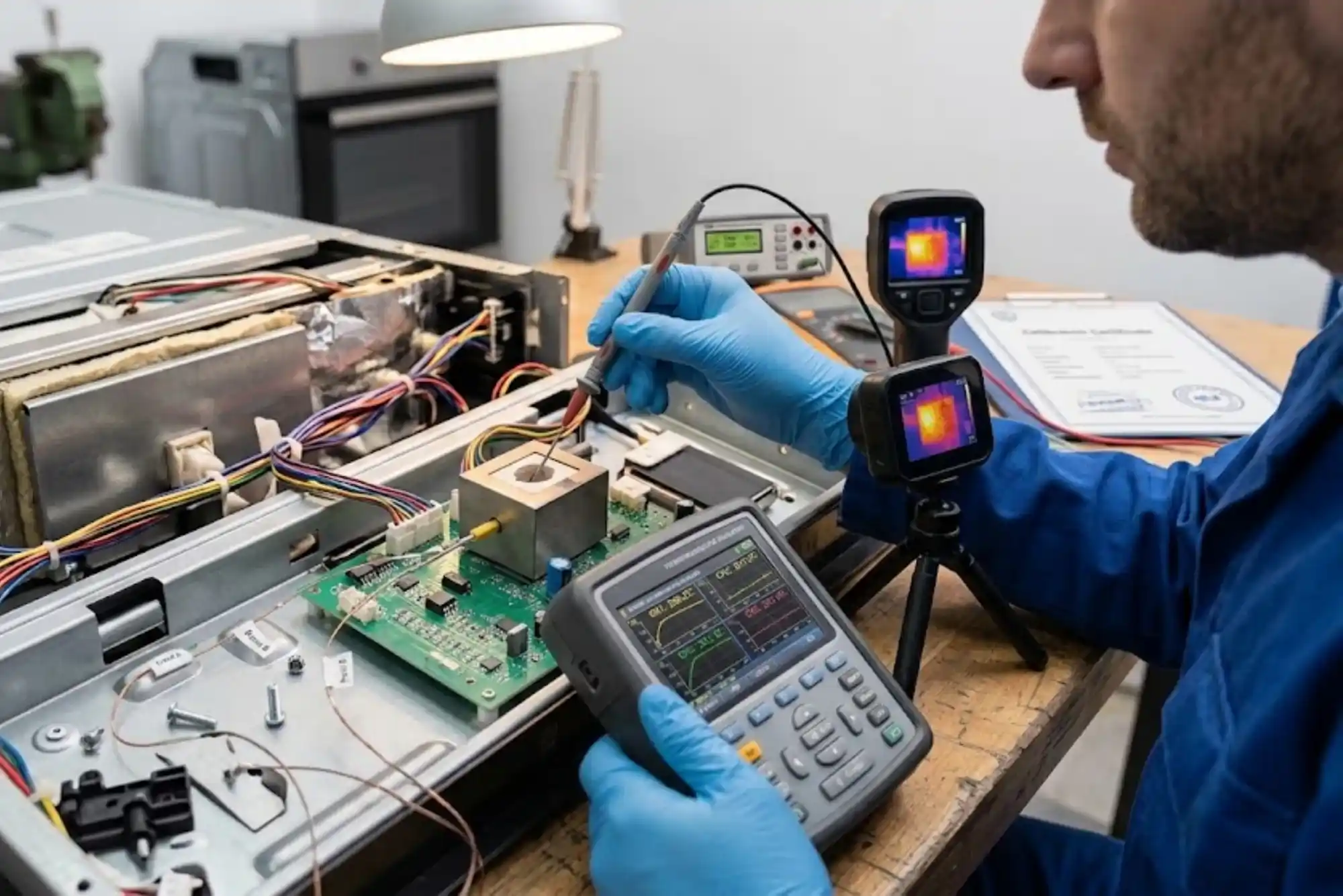
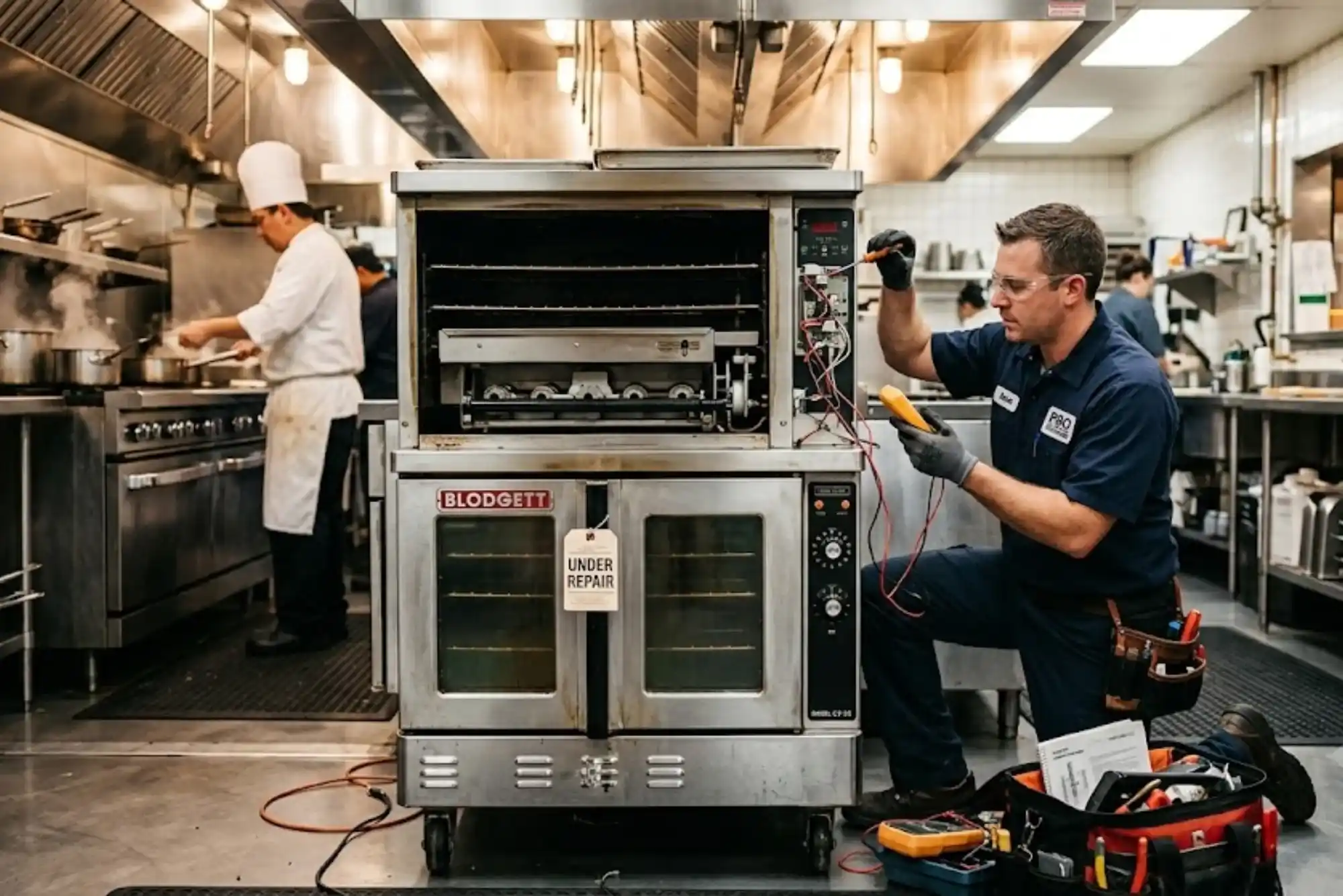
While most oven side panel cleaning can be managed at home, there are instances where professional servicing is necessary. If residue has seeped into cracks, insulation, or wiring areas, it may require disassembly that should only be handled by a technician. Unusual odors, smoke during operation, or uneven heating can indicate deeper issues beyond surface cleaning.
Professional servicing not only ensures thorough cleaning but also includes safety inspections that detect potential problems early. Scheduling an annual check-up with an appliance technician provides peace of mind and keeps the oven running efficiently. Knowing when to call for help prevents accidental damage and extends the appliance’s lifespan.
Final Thoughts on Oven Side Panel Care
Cleaning oven side panels may not seem like the most critical household task, but it significantly impacts safety, hygiene, and performance. By understanding the panel materials, preparing properly, using the right cleaning solutions, and adopting preventive practices, the process becomes straightforward and effective. Whether dealing with enamel, stainless steel, or catalytic panels, consistency is the key to success.
Maintaining clean side panels not only makes the oven look well-kept but also ensures that meals are prepared in a safe, efficient environment. For homeowners who view their kitchen as the heart of the home, giving attention to even the hidden parts of the oven reflects a commitment to care and quality. A clean oven is not just about appearance—it is about function, safety, and the long-term value of one of the most essential appliances in modern living.