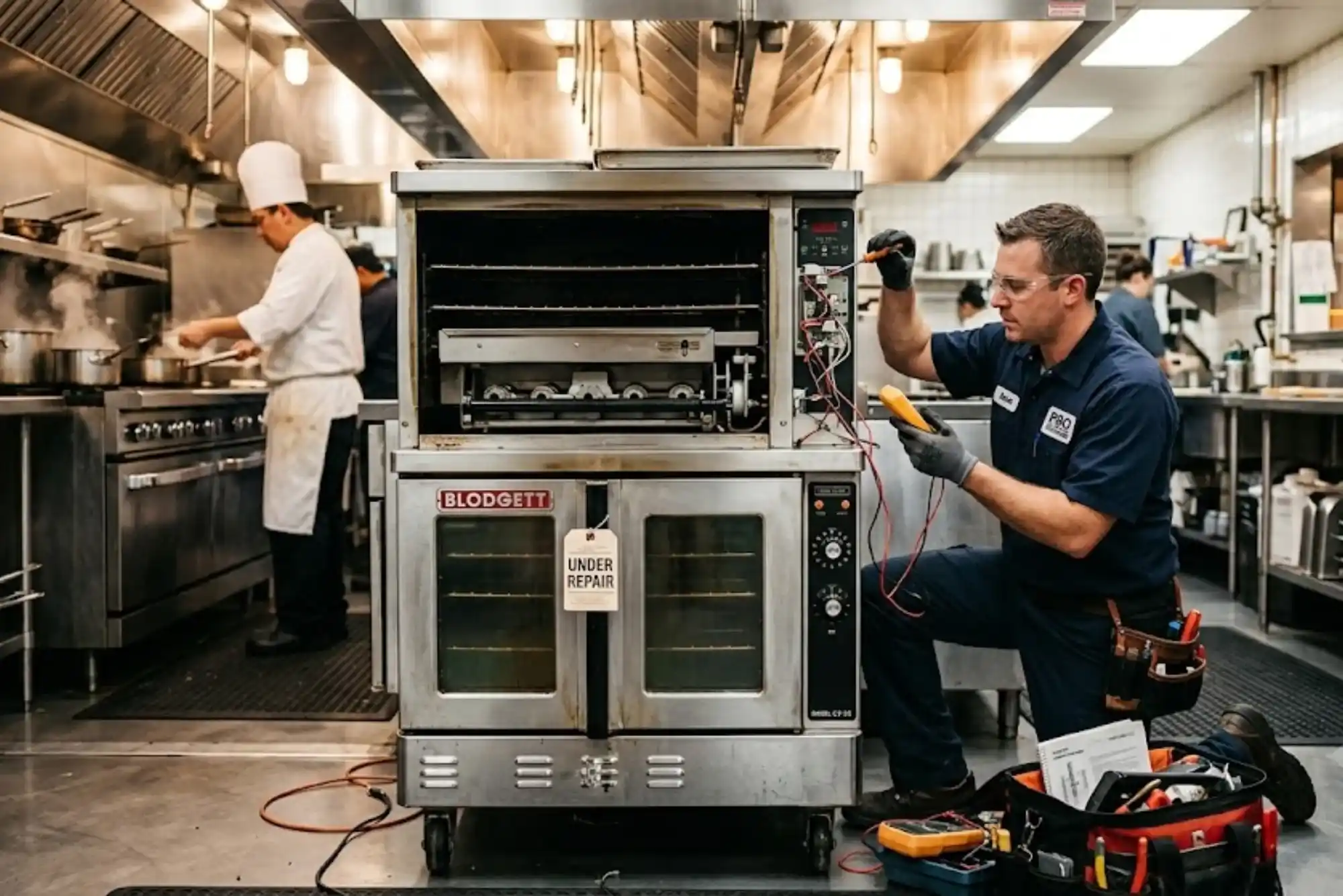
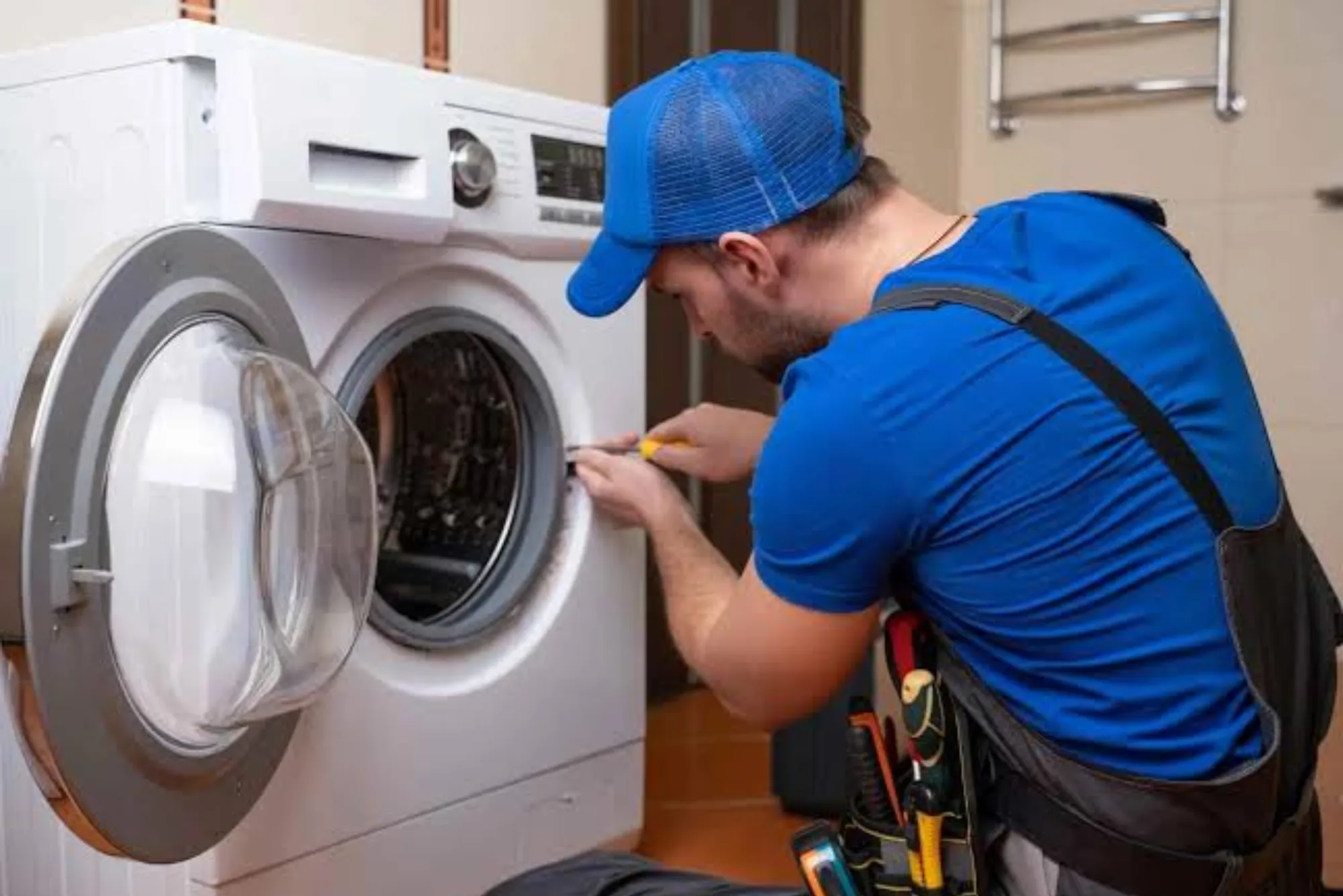
Gas has long been one of the most reliable and efficient energy sources for households and businesses. Whether it powers heating systems, cooking appliances, or industrial equipment, natural gas delivers performance and convenience. However, this convenience comes with responsibility. Gas systems must be handled carefully, as even a minor fault can cause dangerous leaks, explosions, or health risks. This is why professional gas line inspection plays such a critical role in ensuring safety, compliance, and long-term efficiency.
Why Gas Line Safety Matters More Than Ever
Gas lines are often hidden from plain sight, running behind walls, underground, or within utility spaces. Their invisibility makes them easy to forget, but they remain among the most sensitive infrastructure in any property. A small crack, loose fitting, or corroded section of pipe can lead to a leak that poses risks of fire, carbon monoxide poisoning, or catastrophic accidents. With increasing reliance on gas-powered systems, professional inspections are no longer optional but essential.
Homeowners may assume their systems are safe if appliances appear to function normally, but problems often develop silently over time. Gas is colorless and often odorless before mercaptan is added as a safety measure, and leaks can be missed until they become critical. Professional inspectors use advanced tools and techniques to detect even minor vulnerabilities before they escalate into emergencies.
The Role of Trained Inspectors in Gas Line Integrity
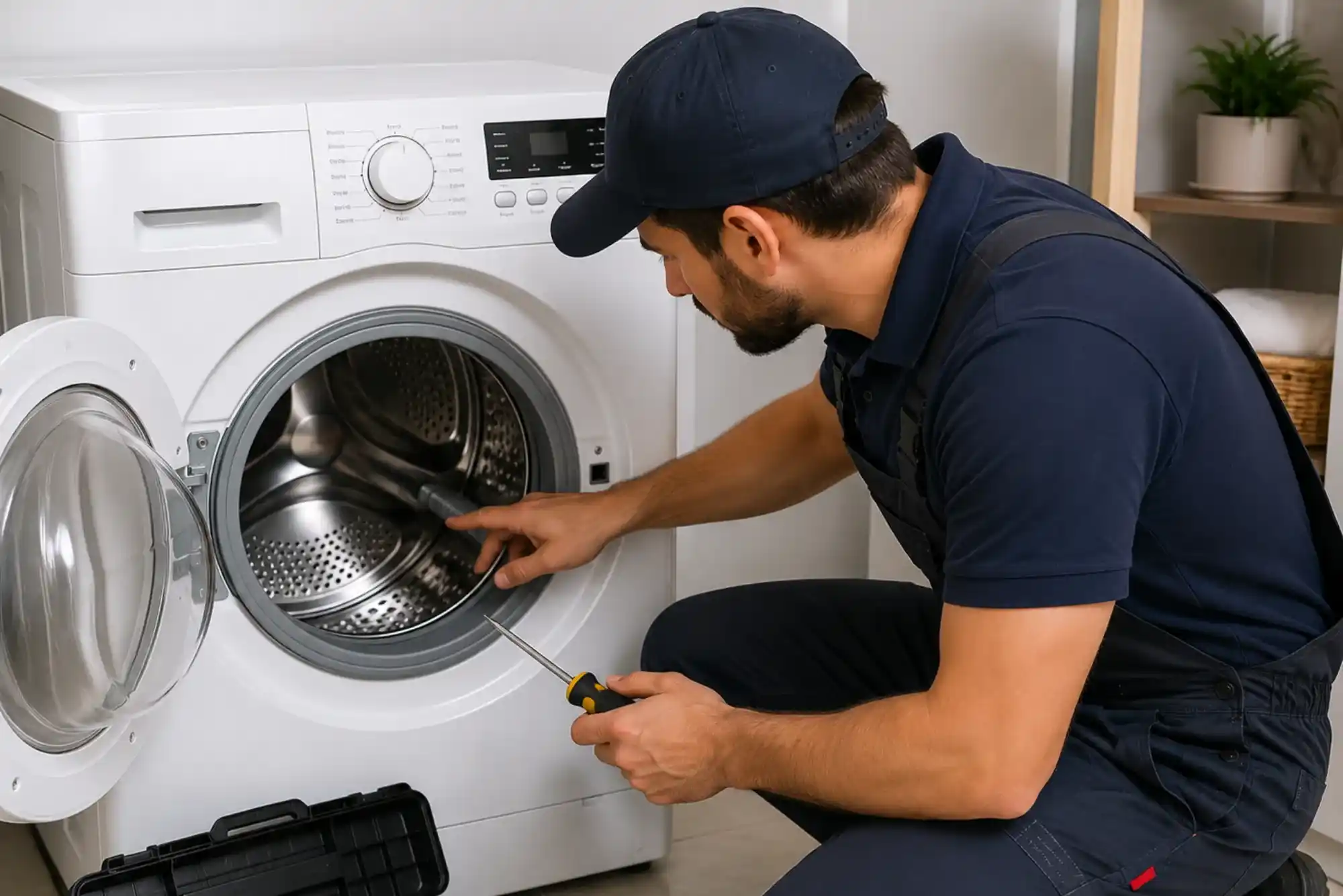
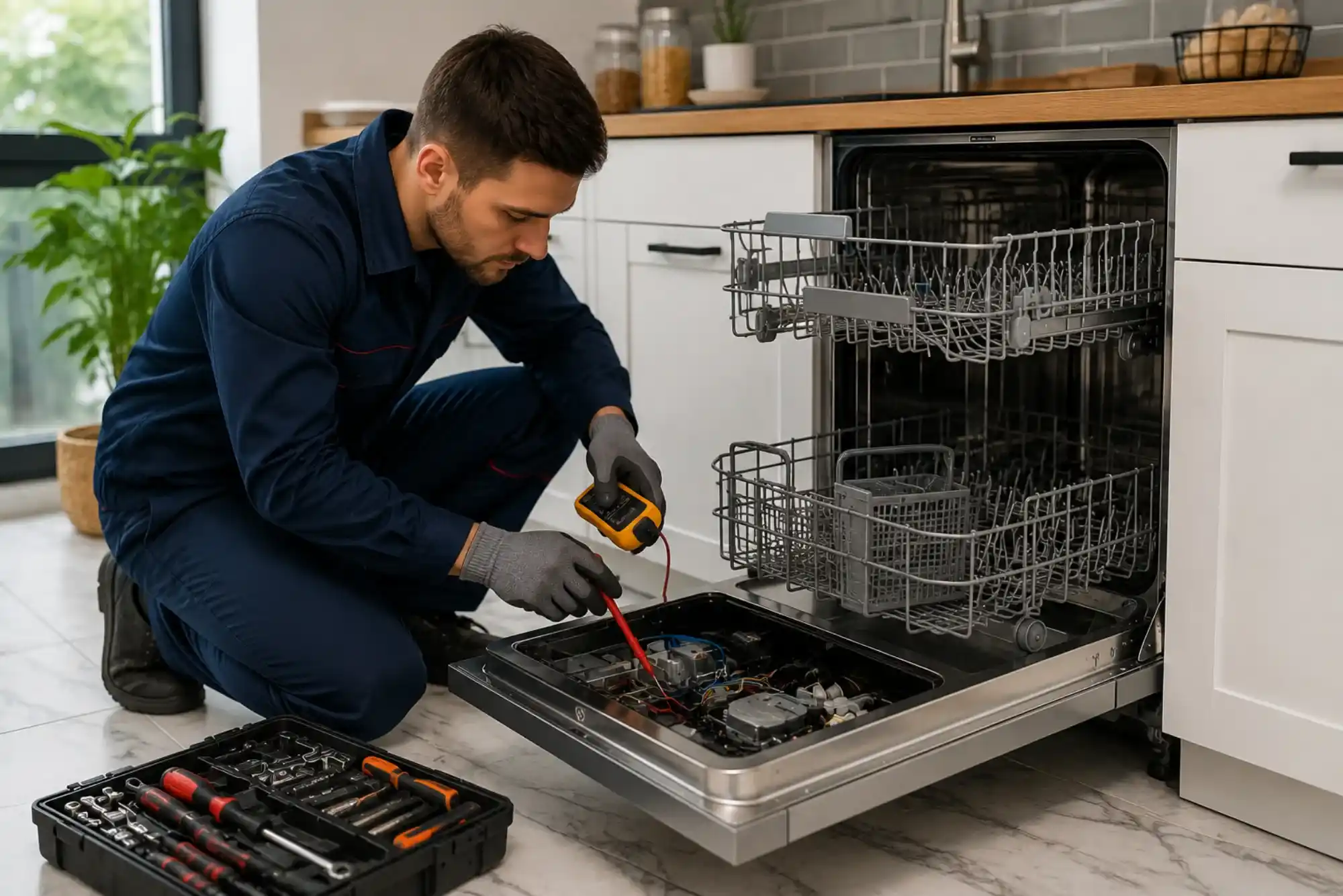
Professional gas line inspectors bring specialized training and certification that allows them to evaluate systems thoroughly. Unlike general maintenance checks, gas inspections demand knowledge of local building codes, safety standards, and material behavior under different environmental conditions.
Inspectors assess everything from pipe integrity to pressure regulation, ensuring every section of the system functions as intended. Their expertise extends to recognizing early signs of corrosion, poor installation practices, or substandard materials that could compromise safety. Importantly, they apply systematic procedures rather than relying on surface observations, giving property owners confidence that no detail is overlooked.
Preventing Hazards Before They Happen
One of the most compelling reasons to schedule professional gas line inspections is risk prevention. Gas leaks are among the leading causes of household fires and explosions, often with devastating consequences. Many of these incidents stem from undetected leaks or neglected maintenance.

During an inspection, professionals use detection equipment that can identify trace amounts of gas in the air, pinpoint weaknesses in pipe joints, and evaluate whether pressure levels are within safe operating ranges. This proactive approach prevents small issues from escalating. For example, catching a worn seal early may cost only a modest repair, whereas ignoring it could lead to a full system failure and significant property damage.
Beyond physical safety, inspections also protect health. Carbon monoxide, produced by incomplete gas combustion, is a silent killer responsible for hundreds of deaths each year. Inspectors check appliances and ventilation systems to confirm they are operating correctly, minimizing the risk of exposure.
Protecting Property Investments with Regular Inspections
Gas line inspections are not only about immediate safety but also about preserving property value. Potential buyers often view gas infrastructure as a major factor in their decision-making process. A documented history of professional inspections reassures them that the property has been maintained responsibly.
Conversely, undiscovered gas line problems can lower property value or result in expensive negotiations during sales. Insurance providers may also require evidence of compliance with safety checks, and failing to meet these requirements could affect coverage. By investing in regular inspections, property owners demonstrate diligence, protect their assets, and avoid unexpected liabilities.
Meeting Regulatory and Legal Requirements
In many regions, gas systems are governed by strict codes and regulations designed to protect public safety. These rules dictate how gas lines must be installed, maintained, and inspected. For businesses, compliance is particularly critical, as violations can result in hefty fines, operational shutdowns, or even legal liability in the event of accidents.
Professional inspectors are well-versed in these requirements and can ensure that systems meet all necessary standards. Their official reports provide documentation that property owners and business managers can present to regulatory bodies, insurance companies, or legal authorities if needed. Staying compliant not only avoids penalties but also builds trust with stakeholders who rely on the integrity of the property or facility.
How Inspections Contribute to Efficiency and Savings
Gas line inspections are often perceived purely as safety measures, but they also deliver financial benefits. Inefficient gas systems waste energy, driving up utility costs over time. Small leaks, poor seals, or faulty regulators can allow gas to escape, leading to higher consumption without corresponding performance.
By identifying inefficiencies, inspectors help property owners optimize energy usage. A properly maintained system operates at peak efficiency, saving money on monthly bills. Moreover, early detection of wear and tear reduces the likelihood of large-scale repairs or full system replacements, which are significantly more expensive than routine maintenance. In this way, inspections represent not just an expense but an investment in long-term savings.
The Role of Technology in Modern Gas Line Inspections
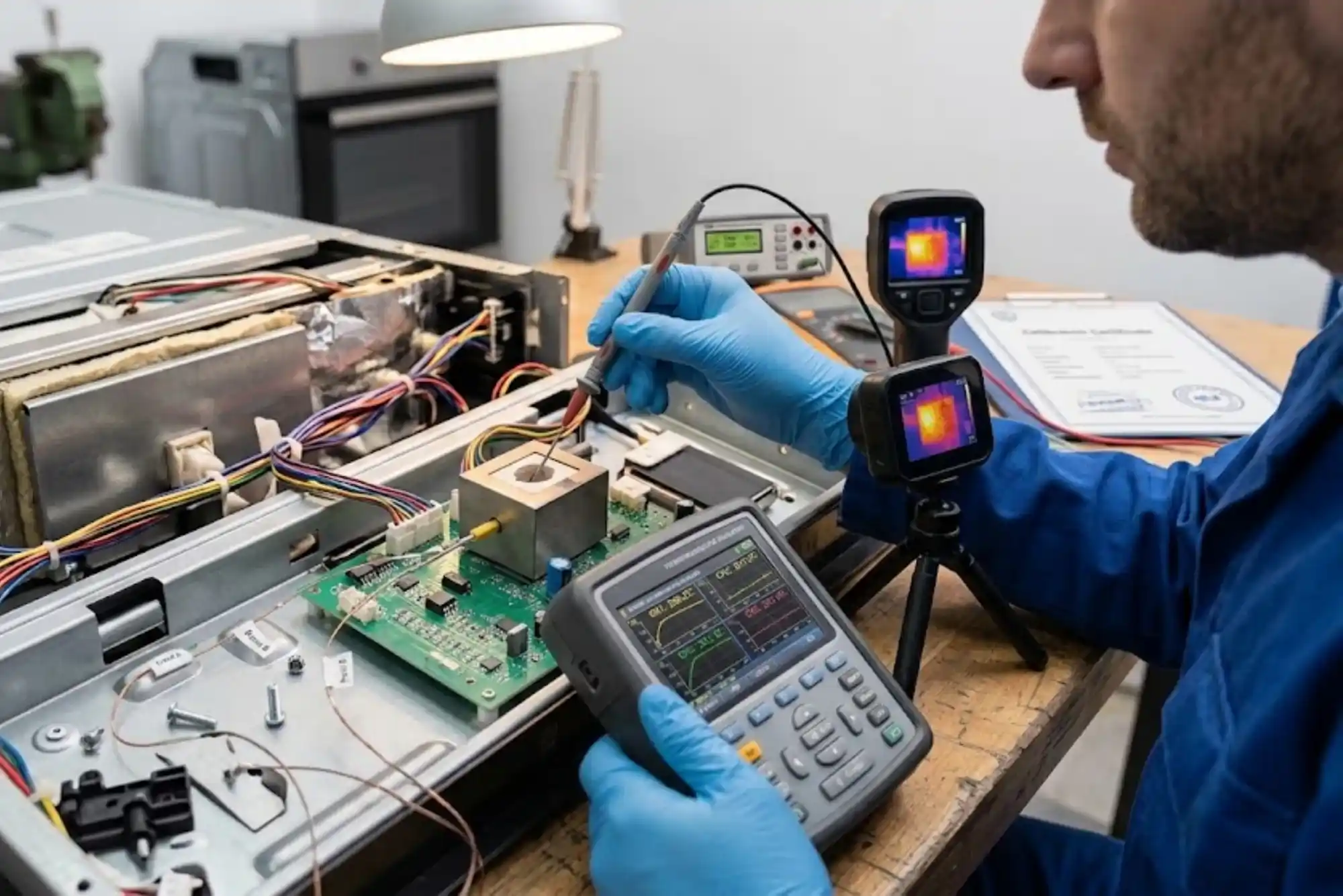
Advancements in technology have transformed the way professionals conduct gas line inspections. Traditional methods relied heavily on manual observation and soap-bubble tests, which could be effective but limited in scope. Today, inspectors use highly sensitive detectors that measure gas concentrations at the molecular level, thermal imaging to spot irregularities, and even drones or robotic cameras to inspect inaccessible pipelines.
These innovations improve accuracy and reduce the chances of human error. For large commercial properties or industrial facilities, technology enables faster, more comprehensive evaluations without disrupting operations. This combination of expertise and advanced tools ensures that inspections are more reliable than ever before, offering peace of mind to property owners and occupants alike.
Choosing the Right Professional for Gas Line Inspections
Not all service providers offer the same level of quality when it comes to gas inspections. Choosing a qualified professional requires consideration of licensing, certifications, and reputation. Property owners should look for inspectors with proven experience, knowledge of local regulations, and access to advanced diagnostic equipment.
Establishing a long-term relationship with a trusted inspector also provides consistency, as they become familiar with the property’s system history and can track changes over time. This continuity ensures that no subtle issues go unnoticed, and it builds a foundation of trust between property owners and service providers.
A Responsible Approach to Energy and Safety
At its core, professional gas line inspection reflects a commitment to safety, responsibility, and sustainability. Gas remains one of the most efficient energy sources available, but its benefits can only be fully realized when systems are managed responsibly. Neglecting inspections risks not only individual safety but also the broader community, as gas-related accidents can affect neighbors and public infrastructure.
By prioritizing inspections, property owners take an active role in promoting safe energy usage. This proactive approach aligns with modern values of responsibility, stewardship, and foresight—qualities that define secure and sustainable living environments.
A Small Step That Makes a Big Difference
Gas systems may remain hidden behind walls or underground, but their importance is impossible to ignore. Professional gas line inspections are the safeguard that ensures these systems remain reliable, efficient, and safe. From preventing hazards and protecting health to maintaining property value and ensuring compliance, inspections deliver benefits that far outweigh their costs.
What might seem like a small precaution—scheduling a professional check—ultimately represents one of the most important steps homeowners and businesses can take to protect their future. In a world where safety and sustainability are increasingly intertwined, investing in professional gas line inspection is not just advisable—it is essential.