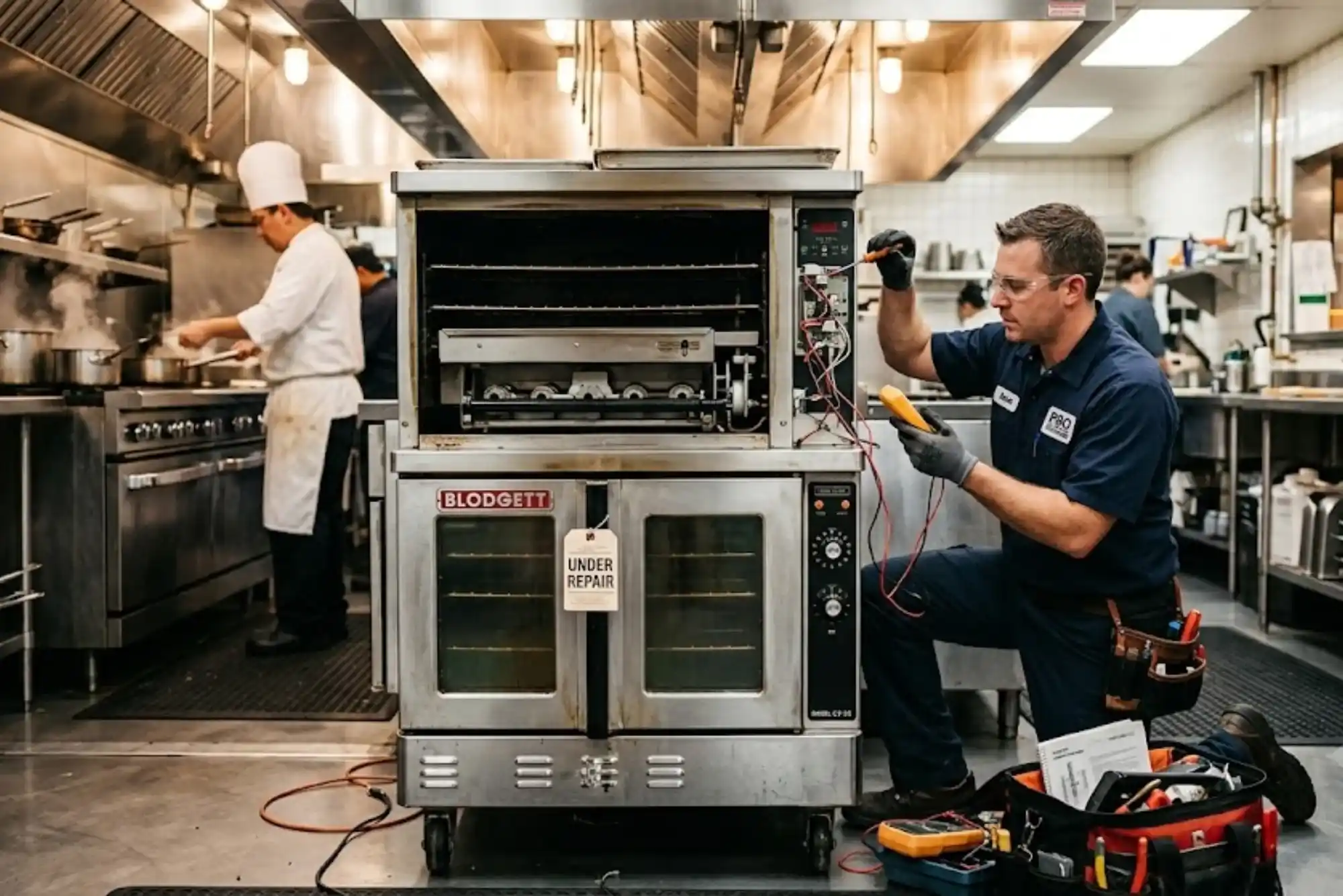
Modern ovens are marvels of engineering. Far from being simple heating devices, today’s ovens integrate advanced electronics that manage everything from temperature precision to safety features and user-friendly interfaces. With these enhancements, however, comes increased vulnerability to environmental factors that can compromise performance. Among these factors, dust is often overlooked. Yet, dust infiltration poses a serious risk to the reliability and longevity of oven electronics.
Dust is more than just a nuisance; it is a complex mixture of organic and inorganic particles that can create significant challenges inside electronic systems. In the confined and thermally demanding environment of an oven, where sensitive circuit boards and components work under high heat loads, dust accumulation can accelerate wear, cause unexpected malfunctions, and reduce overall appliance lifespan.
This article explores the impact of dust on oven electronics in detail, covering the mechanisms through which it damages components, the consequences for performance and safety, and the importance of proactive management in both domestic and industrial environments.
The Nature of Dust and Why It Matters
Dust is not a uniform substance. It typically contains fine soil particles, textile fibers, skin flakes, pollen, soot, and in many kitchen environments, grease residues. Each of these components interacts differently with electronics.
In an oven, airborne grease particles from cooking can bind to household dust, creating a sticky, conductive residue. Unlike dry dust that may only block airflow, this sticky variant can adhere firmly to circuit boards and connectors, leading to persistent contamination. In commercial kitchens, where ovens operate for extended hours, the combination of dust, oil vapor, and high humidity creates an even more aggressive contaminant that clings to internal electronics.
Because ovens require continuous airflow to cool sensitive components, the presence of dust in the surrounding environment becomes inevitable. Over time, without intervention, the accumulation of these particles disrupts both thermal and electrical properties of the system.

Thermal Implications of Dust Accumulation
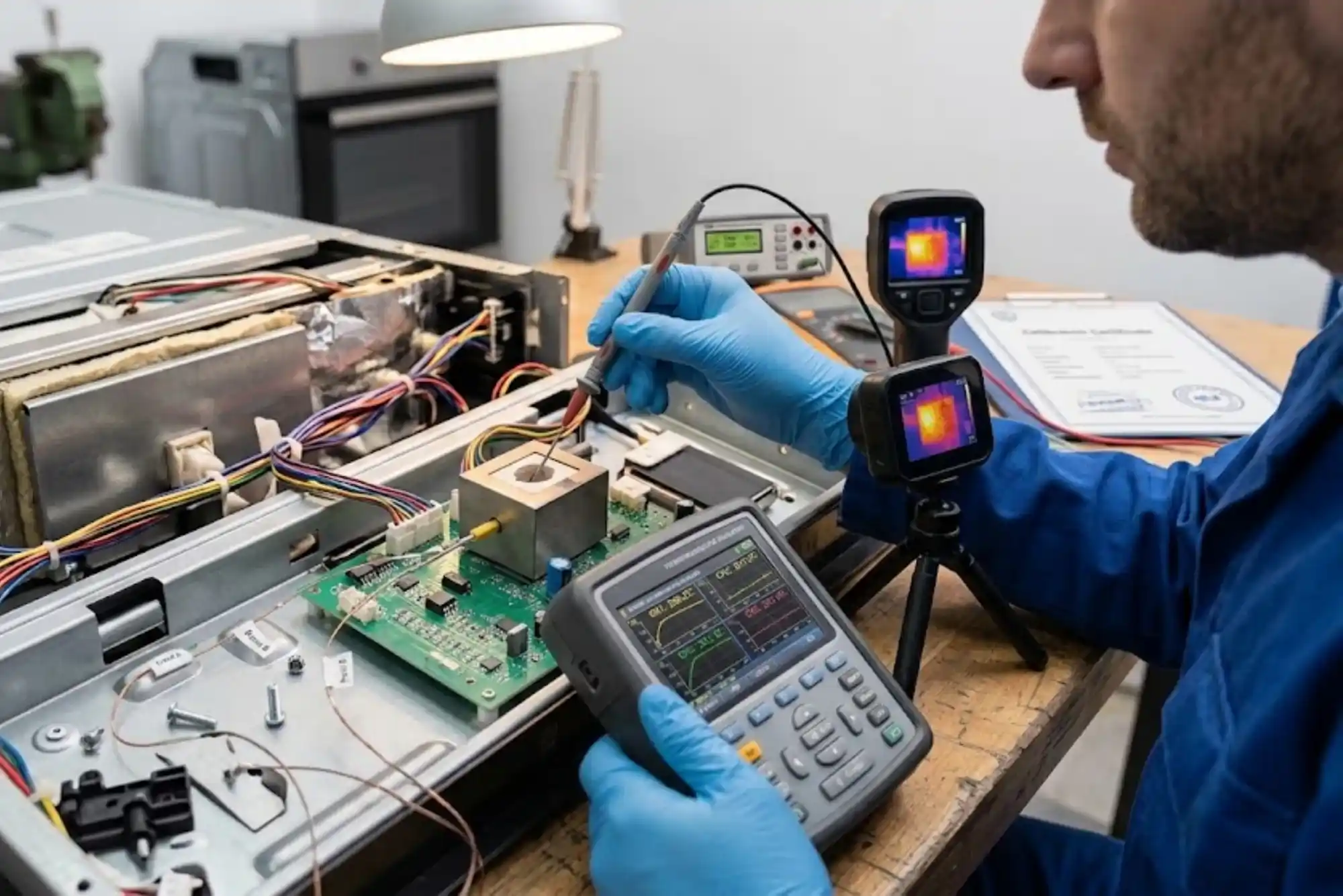
Electronics inside ovens operate under conditions that are already thermally demanding. Power regulators, control boards, and relay modules generate heat during operation, which must be dissipated efficiently to avoid overheating. Manufacturers design airflow pathways and heatsinks to facilitate this.
When dust settles on these surfaces, several problems arise. First, dust acts as an insulating layer, trapping heat against the surface of components. Even a thin film of dust on a heatsink can dramatically reduce its ability to radiate and convect heat. This increases local temperatures and pushes components closer to their thermal limits.
Second, dust accumulation in ventilation channels restricts airflow. Fans and ducts become clogged, leading to reduced cooling efficiency. In some cases, dust-laden air increases the load on cooling fans, causing premature motor wear or complete failure.
Overheating due to dust accumulation is insidious because it often manifests gradually. Small thermal stresses build up over months or years, leading to microfractures in solder joints, degradation of electrolytic capacitors, and eventual electronic failure. The oven may continue to function in the short term, but its reliability is significantly compromised.
Electrical and Mechanical Consequences
Beyond thermal effects, dust also poses direct electrical risks. Many dust particles contain conductive or semi-conductive elements such as carbon, metals, or salts. When these particles settle on circuit boards, they can form unintended conductive bridges. In high-humidity environments, dust absorbs moisture, increasing its conductivity even further.
The consequences include short circuits, leakage currents, and erratic sensor readings. For ovens that rely on precise temperature measurement through thermistors or digital sensors, even minor deviations can lead to incorrect heating cycles. This compromises cooking performance and, in some cases, safety.
Mechanical issues also emerge. Connectors and switches exposed to dust may develop contact resistance. Keypads and touch panels may become less responsive due to the buildup of fine particles between layers. Motor-driven components, such as convection fans or rotating trays, may experience additional friction if dust infiltrates their bearings or housings. These mechanical stresses compound the electrical vulnerabilities, creating a multifaceted reliability challenge.
The Role of Environmental Factors
The severity of dust’s impact on oven electronics is influenced by the surrounding environment. Domestic kitchens generate moderate levels of dust, but the addition of cooking vapors introduces sticky contaminants that make cleaning more difficult. In poorly ventilated kitchens, dust concentration rises quickly.
Commercial kitchens are far more demanding. High-volume cooking generates airborne grease, and ovens run almost continuously. Industrial food processing facilities often operate in dusty environments, where flour, sugar, or powdered ingredients combine with grease and airborne fibers. Under these conditions, electronic failures are far more frequent and costly.
Even the geographic location of an oven plays a role. Regions with high dust storms or construction activity contribute to higher airborne particle loads. Similarly, environments with high humidity accelerate the ability of dust to absorb moisture, thereby increasing its electrical conductivity.
Safety Implications of Dust on Ovens
The performance degradation caused by dust is not merely an inconvenience; it can present significant safety hazards. An overheating control board may fail to regulate the heating elements properly, causing uncontrolled temperature rises. In severe cases, this can lead to fire risks.
Dust bridging across high-voltage contacts can trigger arcing, which not only damages components but also creates ignition sources. This is particularly dangerous in kitchens where flammable vapors may be present. Malfunctioning safety sensors due to dust contamination further exacerbate the risk, leaving the appliance unable to shut down under dangerous conditions.
These risks underscore why dust management is not just about preserving performance but also about protecting users from potentially hazardous outcomes. Manufacturers increasingly design safety redundancies into modern ovens, but dust contamination can bypass or disable these protective mechanisms.
Long-Term Reliability and Economic Impact
The long-term presence of dust in oven electronics inevitably shortens the lifespan of the appliance. As thermal and electrical stresses mount, components fail earlier than their rated lifespans. Repair costs rise as control boards, power supplies, or sensor modules require replacement.
For commercial kitchens, downtime due to oven failure directly translates into lost revenue. Service calls, spare part replacements, and productivity losses accumulate into significant economic impacts. In industrial food production, a single oven outage can disrupt entire production lines.
Even in residential settings, repeated repairs or early appliance replacement imposes costs on consumers. What may seem like a minor environmental factor—dust—thus becomes a hidden but substantial contributor to the total cost of oven ownership.
Preventive Design and Engineering Approaches
Manufacturers are well aware of dust’s impact and employ several strategies to mitigate it. Conformal coatings on circuit boards create protective barriers that prevent dust and moisture from making direct contact with conductive traces. Shielded enclosures for sensitive components reduce infiltration.
Air filters are sometimes integrated into oven ventilation systems, though these require regular maintenance to remain effective. Some designs rely on positive air pressure within electronics compartments to reduce dust ingress. Innovations in fan design also minimize the buildup of dust on blades and ducts.
At the component level, solid-state relays and sealed connectors reduce the number of mechanical points vulnerable to dust intrusion. Engineers must balance cost, performance, and environmental durability, particularly for ovens designed for industrial applications where contamination levels are high.
Maintenance as a Critical Defense
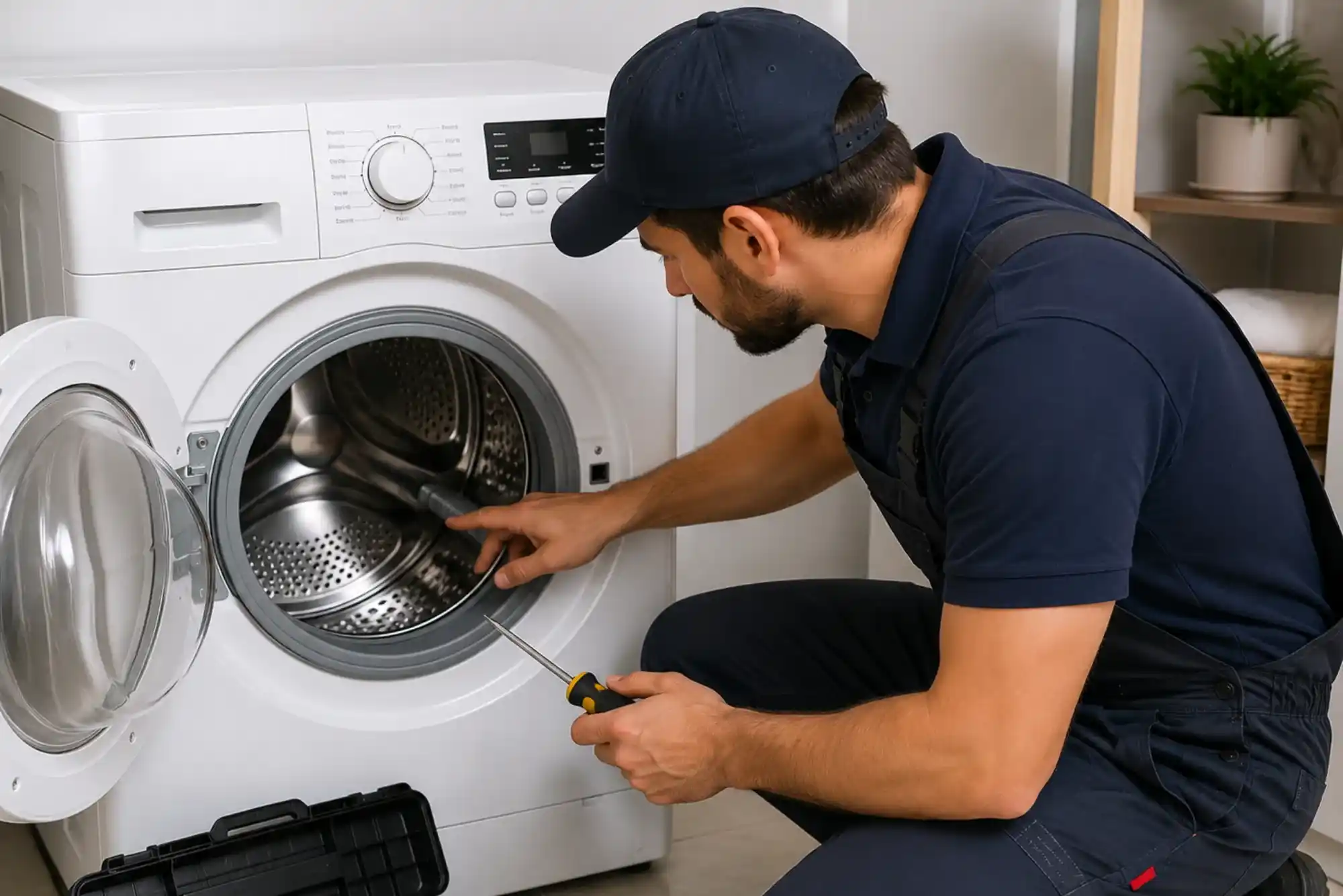
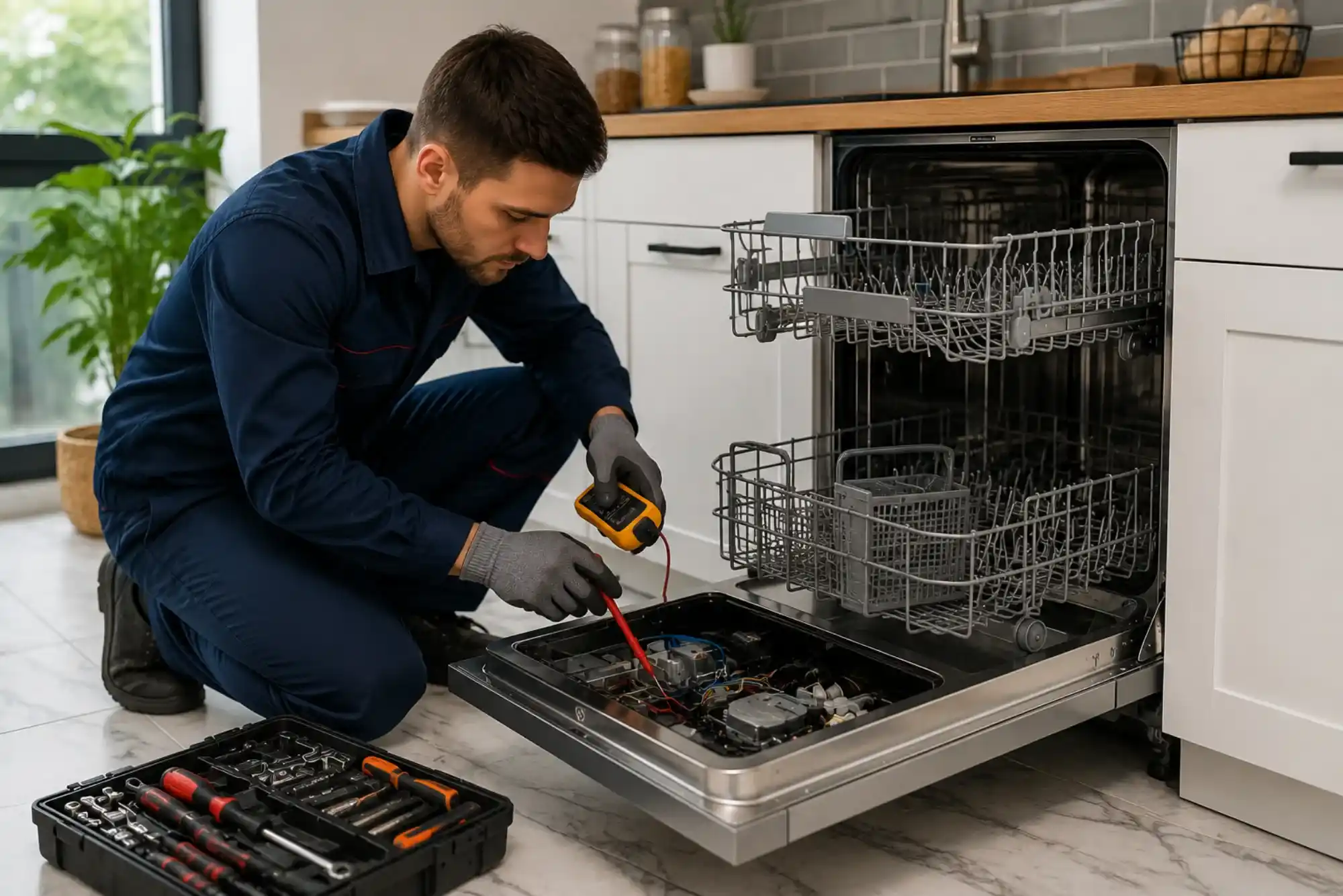
Even with careful design, no oven is immune to dust contamination. Regular maintenance is therefore essential. For domestic users, simple measures like keeping the kitchen ventilated, cleaning surfaces around the oven, and scheduling periodic professional servicing can significantly reduce dust impact.
For commercial operators, maintenance protocols must be more rigorous. Scheduled inspections of fans, filters, and circuit boards, along with careful cleaning using compressed air or vacuum systems, help maintain operational reliability. Documentation of maintenance activities also assists in warranty claims and regulatory compliance, especially in food production environments.
Importantly, cleaning must be conducted using methods that avoid static discharge or physical damage to delicate components. Specialized tools and trained personnel are often required. Neglecting this aspect of oven care not only shortens equipment lifespan but may also void warranties.
Looking Ahead: The Future of Dust-Resilient Ovens
As ovens continue to integrate more sophisticated electronics, including IoT connectivity, smart diagnostics, and advanced sensors, their susceptibility to dust-related issues increases. Future designs will likely place greater emphasis on environmental resilience.
Emerging technologies such as nanocoatings, advanced filtration materials, and self-cleaning ventilation systems hold promise in reducing dust-related failures. Machine learning algorithms embedded in smart ovens may even detect the subtle signs of dust-induced degradation, allowing predictive maintenance before failures occur.
Consumer awareness will also play a role. As end-users become more informed about the hidden dangers of dust, demand for resilient designs and accessible maintenance will rise. This creates a feedback loop where manufacturers, service providers, and consumers collectively contribute to prolonging oven reliability in dusty environments.
Dust may seem inconsequential compared to the heat and mechanical stresses that ovens endure daily, but its impact on electronics is profound. By insulating surfaces, obstructing airflow, and introducing conductive contaminants, dust quietly undermines the reliability, performance, and safety of ovens in both residential and commercial contexts.
Addressing this challenge requires a multi-pronged approach. Manufacturers must continue innovating protective designs, while operators and consumers must remain vigilant in maintenance. As technology advances, the stakes grow higher—modern ovens are smarter and more capable but also more dependent on delicate electronics that demand protection from environmental contaminants.
Ultimately, dust is not just dirt; it is a technical adversary that can make the difference between an oven that serves reliably for a decade and one that fails prematurely. Recognizing and addressing its impact is essential for ensuring that ovens remain safe, efficient, and dependable in the long run.