An oven is one of the most essential appliances in any modern kitchen, whether it is used for baking, roasting, grilling, or daily cooking tasks. When it stops heating properly, it directly affects cooking quality and convenience. One of the most common issues homeowners face is related to the heating component inside the oven. In many cases, users search for solutions related to oven heating element repair because the heating element is the core part responsible for generating and distributing heat evenly inside the appliance.
When this part begins to fail, the oven may heat unevenly, take too long to reach temperature, or stop working completely. Understanding how the system works and what causes failure can help users identify the problem early and avoid costly replacements.
Understanding How an Oven Heating System Works
An electric oven works by converting electrical energy into heat through internal components known as heating elements. These elements are usually placed at the top and bottom of the oven cavity. When electricity passes through them, they glow red and produce the heat required for cooking food evenly.
Over time, constant heating and cooling cycles cause wear and tear. This natural process leads to reduced efficiency, and eventually, the element may burn out. When this happens, users often notice uneven baking, longer cooking times, or no heat at all.
In many households, early signs of failure are ignored until the problem becomes severe. That is why timely inspection and maintenance are important to avoid full breakdowns.
Common Signs of Heating Element Failure
When an oven starts malfunctioning, there are usually clear warning signs. One of the earliest symptoms is uneven cooking where food is burnt on one side and undercooked on the other. Another common indication is a visible crack or burn mark on the element itself.

Sometimes, the oven may still turn on but fail to reach the required temperature. In other cases, it may not heat at all even though the lights and fan are working properly. These symptoms often indicate a problem that may require Oven Heating Element Repair instead of a full appliance replacement.
Ignoring these signs can lead to further damage in other internal components, increasing overall repair costs.
Main Causes of Heating Element Damage
Heating element failure does not happen suddenly in most cases. It develops over time due to multiple factors. One major cause is continuous overheating due to long cooking hours without breaks. This puts stress on the metal coil, causing it to weaken and eventually break.
Another common reason is electrical fluctuations. Sudden voltage spikes can damage the internal wiring of the element, reducing its ability to heat properly. In some cases, grease buildup and food residue inside the oven can also affect heat distribution, indirectly damaging the heating system.
Poor maintenance habits also contribute to early failure. When ovens are not cleaned regularly, residue builds up and causes uneven heating, which increases strain on the element.
Importance of Professional Diagnosis
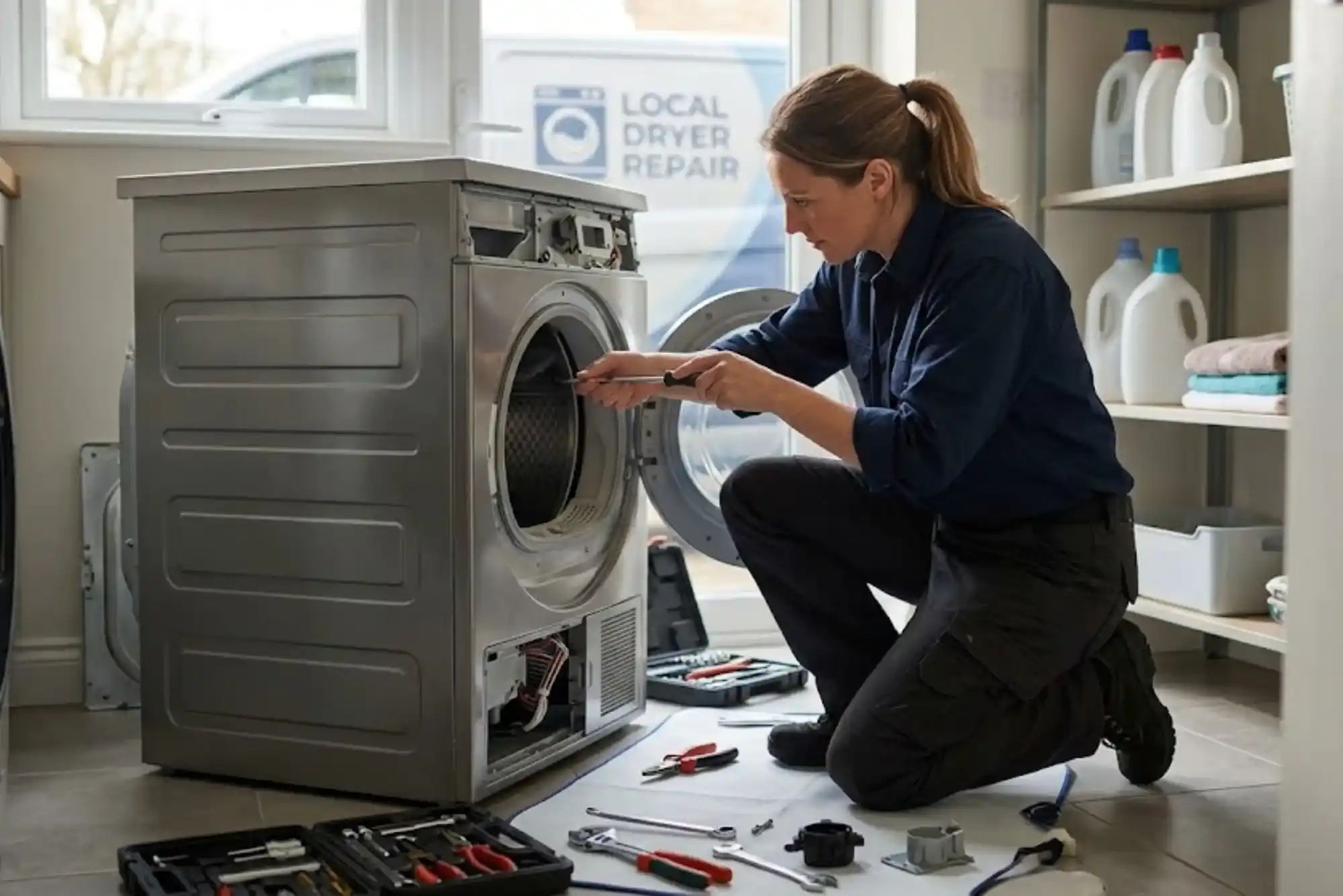
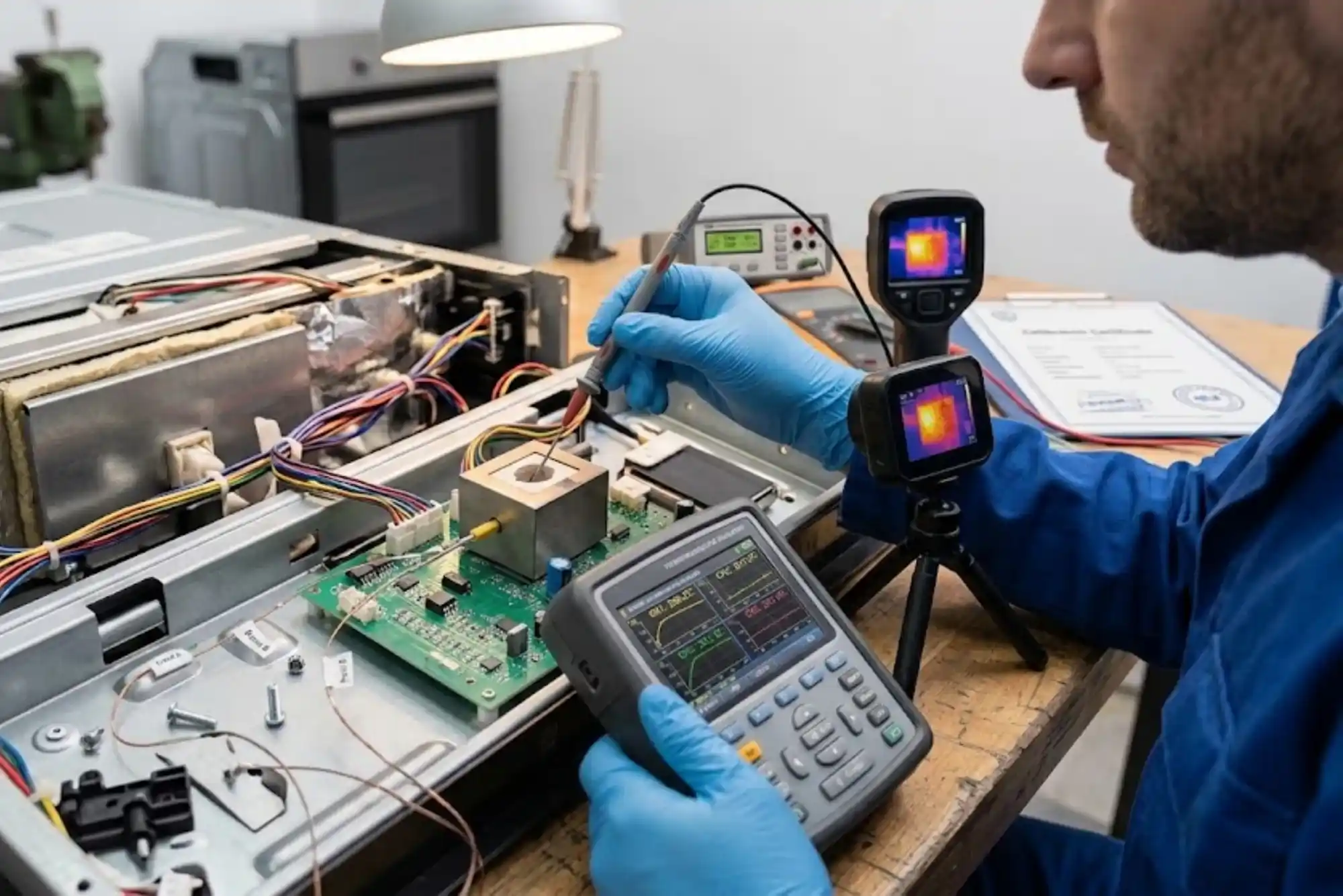
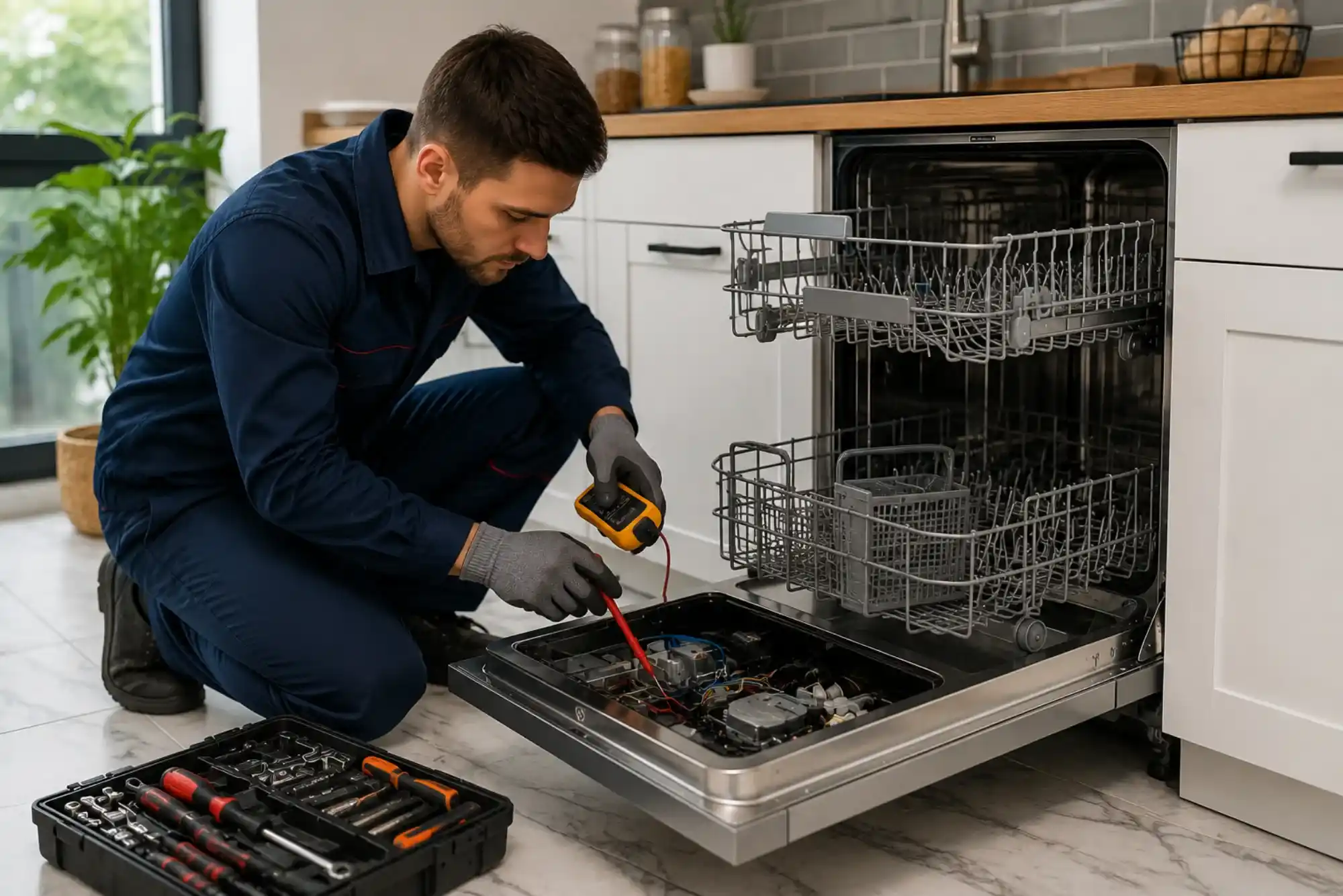
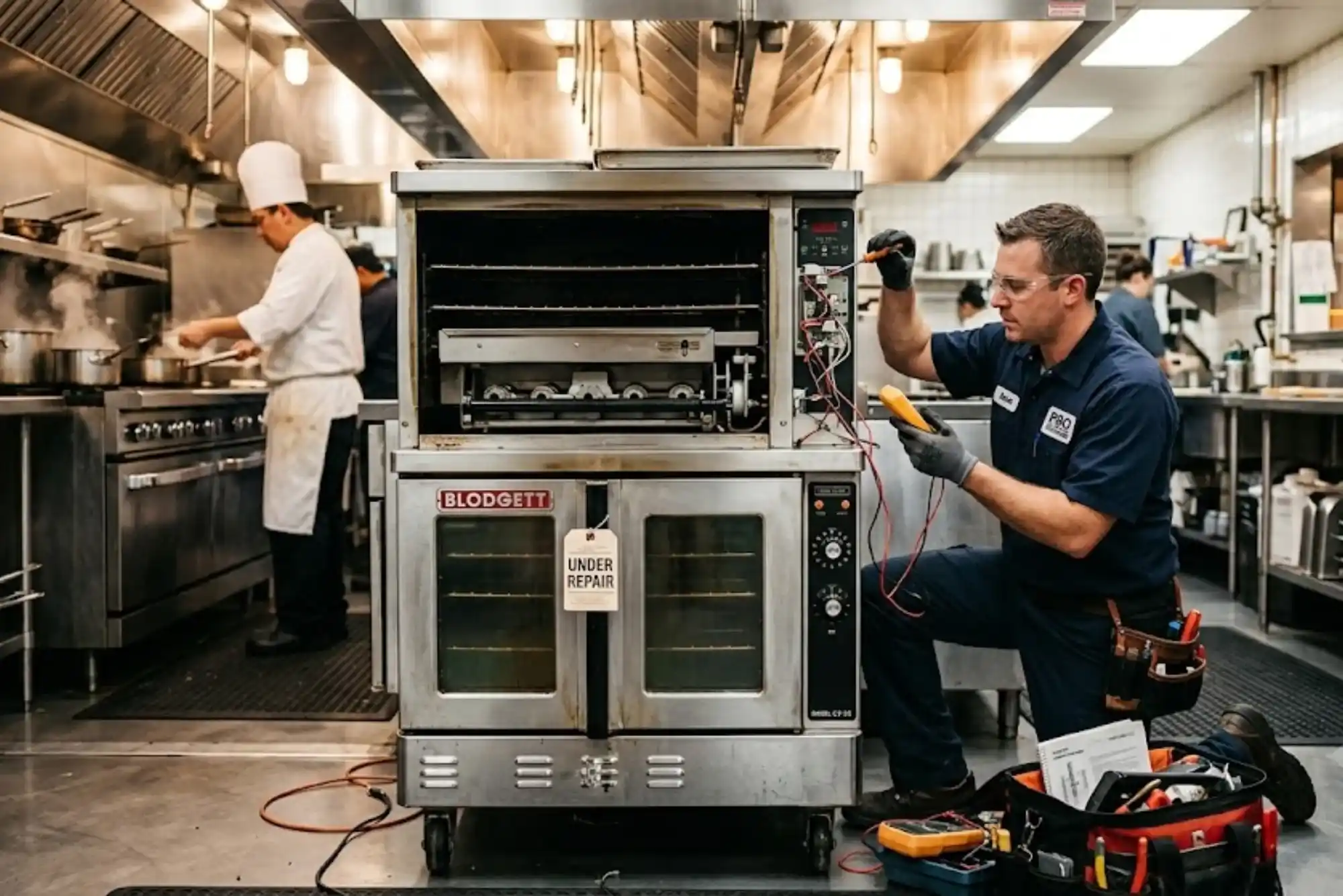
Many users attempt to identify oven issues on their own, but internal electrical components require careful handling. A proper diagnosis is essential before any repair work is done. Professionals use testing tools to check continuity and resistance levels of the heating element to confirm whether it is working or not.
In many cases, what appears to be a major fault may actually be a minor wiring issue or thermostat malfunction. This is why expert inspection is always recommended before deciding on replacement or repair.
Professional technicians also ensure safety, as dealing with electrical appliances involves risk if not handled correctly.
Repair vs Replacement Decision
When dealing with heating issues, one of the most important decisions is whether to repair or replace the element. If the damage is minor, such as loose wiring or partial burnout, repair may be sufficient. However, if the element is completely burnt or cracked, replacement is usually the better option.
Cost also plays an important role in this decision. In many cases, repairing is more affordable, but replacement provides longer-lasting performance. This is where expert advice becomes valuable, as technicians can recommend the most practical solution based on the condition of the appliance.
Proper oven heating element repair services help in restoring functionality without unnecessary replacement costs.
Safety Concerns During Oven Repairs
Ovens operate on high voltage electricity, which makes safety extremely important during any repair process. Attempting to fix internal components without proper knowledge can result in electric shock or further damage to the appliance.
Before any inspection or repair, the oven must always be disconnected from the power source. Additionally, internal components should only be handled with insulated tools. Professional technicians follow strict safety protocols to ensure safe and effective repair work.
This is one of the main reasons why DIY repairs are not recommended for heating element issues.
Preventive Maintenance for Long-Term Performance
Regular maintenance plays a key role in extending the life of an oven. Keeping the interior clean helps maintain proper heat circulation and prevents unnecessary strain on heating components. Avoiding excessive use at maximum temperature settings also reduces stress on the system.
Routine inspection of wiring and internal components can help detect early signs of damage. Many users overlook maintenance until a serious problem occurs, but preventive care can significantly reduce the need for frequent oven heating element repair services.
Simple habits like cleaning after use and avoiding spills inside the oven cavity can make a big difference in performance.
Role of Temperature Calibration
Temperature inconsistency is another issue linked to heating problems. Sometimes the oven heats, but not to the correct temperature. This can lead to poor cooking results and confusion for users.
Calibration ensures that the temperature inside the oven matches the selected setting. If the calibration is off, it may appear as though the heating element is faulty when the real issue lies elsewhere. Technicians often check both the element and thermostat together to ensure accurate diagnosis.
Proper calibration ensures efficient cooking and reduces unnecessary stress on internal components.
Why Timely Repair Matters
Delaying repairs can lead to bigger and more expensive problems. A minor issue in the heating system can quickly affect other parts of the oven, such as wiring, thermostat, or control board. This is why early detection and repair are important.
Timely oven heating element repair not only restores performance but also improves energy efficiency. A faulty element often consumes more electricity while delivering poor results, increasing utility costs over time.
Fixing the issue early helps maintain consistent cooking quality and extends the appliance lifespan.
Choosing the Right Repair Service
Selecting a reliable repair service is crucial for ensuring long-term performance. Experienced technicians understand different oven brands and models, allowing them to diagnose problems accurately. They also use genuine replacement parts to ensure durability.
A professional service provides warranty on repairs, giving users peace of mind. Instead of temporary fixes, experts focus on long-term solutions that prevent recurring issues.
Good service providers also offer maintenance advice to help users avoid future breakdowns.
Ensuring Reliable Oven Performance
Ovens are essential kitchen appliances, and any heating issue can disrupt daily cooking routines. Understanding the causes, symptoms, and solutions helps users take timely action before the problem worsens. Whether it is uneven heating, complete failure, or temperature inconsistency, addressing the issue early ensures better performance and safety.
Related Reading: Dishwasher Heating Element Repair