When your oven no longer cooks food evenly or seems to run hotter or cooler than it should, the issue often lies with the thermostat. Many homeowners experience frustration when baking or roasting, only to find that recipes do not turn out as expected. The root of this problem is usually an oven thermostat that has drifted out of calibration. Fortunately, recalibrating your oven thermostat is a process that restores precision to your appliance and ensures reliable cooking results. Understanding how to calibrate your oven thermostat not only saves time but also prevents wasted energy and guarantees that your food is prepared exactly as intended.
Understanding the Role of an Oven Thermostat
The thermostat in your oven acts as the control center for temperature regulation. When you set the oven to a specific temperature, the thermostat is responsible for reading the heat inside the cavity and signaling the heating element to cycle on or off. Over time, normal wear and tear, electrical fluctuations, or even repeated high-heat usage can cause the thermostat to become less accurate. This miscalibration results in your oven being either too hot or too cold compared to the setting on the dial or digital display. The consequences include unevenly baked cakes, undercooked meats, or overdone casseroles, which can lead to wasted effort and disappointment.
By learning how to calibrate your oven thermostat, you reclaim control over your cooking. The process ensures that the temperature you select matches the actual heat within the oven cavity, which is critical for precision recipes and overall kitchen efficiency.
Signs That Your Oven Thermostat Needs Calibration
An oven that is out of calibration reveals itself in subtle but consistent ways. You may notice that cookies burn at the edges while remaining doughy in the middle, or that roasts require much longer than the recipe suggests. These symptoms usually mean the internal temperature is not aligned with your chosen setting. Many people attempt to compensate by adjusting cooking times or experimenting with rack placement, but these are only temporary fixes. The most effective solution is a proper thermostat calibration, which corrects the core issue and restores consistent heat distribution.
Another common sign is when food browns too quickly on top while the inside remains undercooked. This happens because the oven is running hotter than indicated, causing the exterior of food to cook faster than its core. In other situations, you may find that bread fails to rise correctly because the oven is cooler than the thermostat setting,Post Category, preventing yeast from activating as it should. These cooking inconsistencies can all be resolved through careful calibration of the oven thermostat.
Preparing for Calibration
Before beginning the calibration process, it is essential to verify whether the oven is truly miscalibrated. The most reliable way to do this is by using an accurate oven thermometer. Place the thermometer in the center of the oven and preheat the appliance to a standard temperature, such as 350 degrees Fahrenheit. After allowing sufficient time for preheating, compare the thermometer reading to the temperature on the oven’s control panel. If the difference is more than about 15 to 20 degrees, calibration is necessary.

Oven thermometers are inexpensive yet highly valuable tools for any household. They provide a direct reading of the actual internal temperature and eliminate guesswork. When testing, it is a good idea to repeat the process at multiple settings, such as 300, 350, and 400 degrees Fahrenheit, to ensure that the thermostat error is consistent across various ranges. This will give you a clear understanding of whether the appliance requires adjustment.
Steps to Calibrate an Oven Thermostat
Calibrating an oven thermostat typically involves adjusting the internal settings of the oven’s control system. On modern digital ovens, this can usually be done through the control panel itself. Manufacturers often include a calibration function that allows you to increase or decrease the displayed temperature by small increments until it matches the actual reading from the oven thermometer. By following the owner’s manual, you can make precise adjustments without needing any specialized tools.
In older ovens with mechanical dials, calibration may require a more hands-on approach. Many dial-style ovens include a calibration screw or adjustment mechanism located behind the temperature knob. By carefully turning this screw, you can align the thermostat more closely with the true temperature. The process demands patience and precision, as over-adjustment can cause further inaccuracies. Always make small adjustments, recheck with the oven thermometer, and continue fine-tuning until the displayed temperature and actual temperature are in harmony.
Regardless of whether your oven is digital or mechanical, calibration requires careful observation and repeated testing. Once the adjustment is made, run several test bakes at different temperatures to ensure the thermostat is functioning correctly. Patience during this process will reward you with reliable cooking performance for years to come.
The Importance of Regular Maintenance
Even after calibration, ovens require consistent care to maintain accuracy. Regularly cleaning the oven cavity prevents grease and debris from interfering with heat distribution. Checking the door seal is equally important, as a faulty gasket allows heat to escape and causes the thermostat to misread the true temperature. Replacing worn gaskets or hinges ensures that the oven remains properly insulated, which contributes to more stable thermostat readings.
Another valuable maintenance practice is periodic verification with an oven thermometer. By checking the accuracy of your oven every few months, you can identify any drift in calibration before it becomes a significant problem. Appliances naturally lose accuracy over time, and regular testing ensures that your cooking remains dependable.
Professional Calibration and Repairs
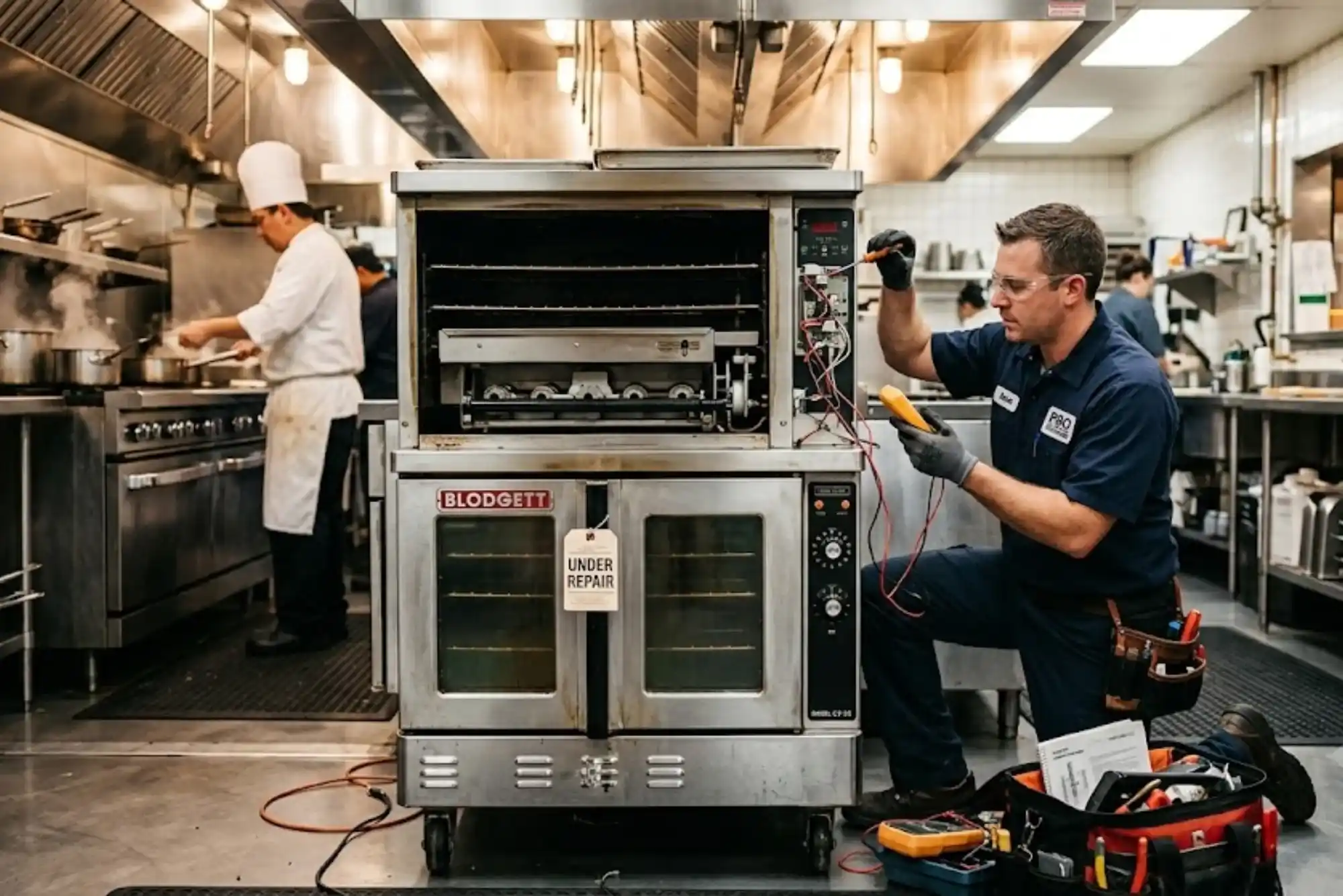
While many homeowners can perform basic calibration on their own, certain situations require the expertise of a professional technician. If your oven consistently fluctuates in temperature even after calibration, there may be deeper issues with the thermostat sensor, control board, or heating elements. In such cases, professional repair services can diagnose and correct the root problem. Attempting to fix complex electrical or mechanical components without proper training can be unsafe and may result in further damage to the appliance.
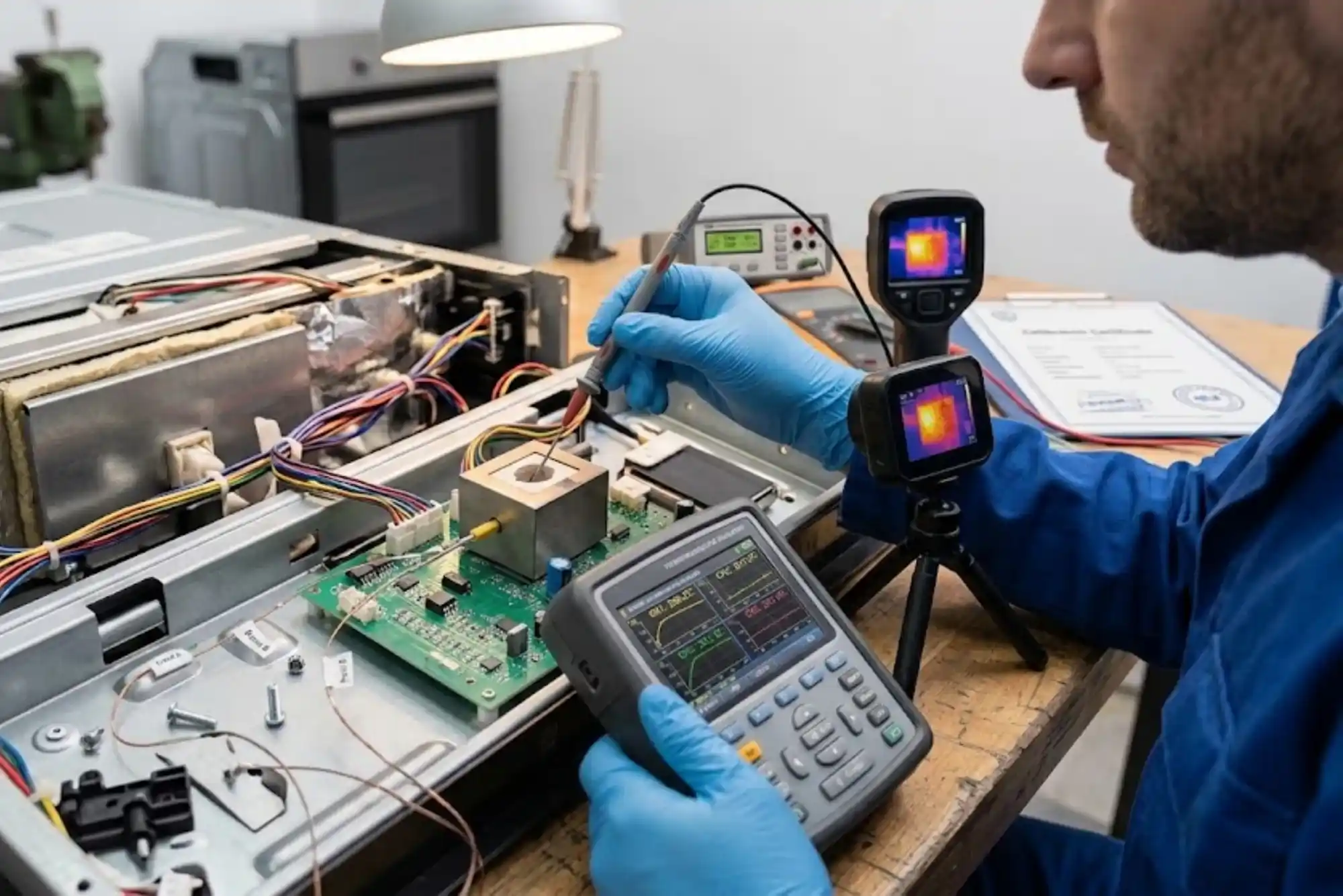
Professional technicians have specialized tools that provide precise measurements and allow them to recalibrate ovens with a high degree of accuracy. They can also identify whether a thermostat replacement is necessary. By investing in professional services, homeowners gain peace of mind knowing that their appliance is performing at its best and that safety standards are upheld.
The Benefits of a Properly Calibrated Oven
Calibrating your oven thermostat delivers immediate and noticeable benefits. The most obvious improvement is the reliability of cooking results. Baked goods rise evenly, meats cook thoroughly, and delicate recipes turn out exactly as intended. Beyond culinary performance, proper calibration also enhances energy efficiency. An oven that maintains accurate temperatures avoids unnecessary cycles of overheating or underheating, which translates into lower utility bills.
Another key advantage is the longevity of your appliance. When an oven runs hotter than intended, it places strain on heating elements and other components, leading to premature wear. Calibration reduces this stress, helping the appliance function optimally for a longer period. This preventive approach saves money on costly repairs and replacements over time.
Finally, calibrated ovens contribute to a safer cooking environment. Overheating can pose fire risks, particularly if grease or food debris accumulates inside the cavity. By ensuring that the thermostat maintains precise control, you minimize the chances of unsafe temperature spikes. For families who rely on their oven daily, this added safety is invaluable.
Calibrating your oven thermostat is a practical yet powerful way to restore confidence in your cooking and extend the life of your appliance. By understanding how the thermostat functions, recognizing the signs of miscalibration, and learning the proper steps to realign it, homeowners can ensure consistent results with every meal. While some cases may call for professional repair, many calibration issues can be managed at home with patience and the right tools.