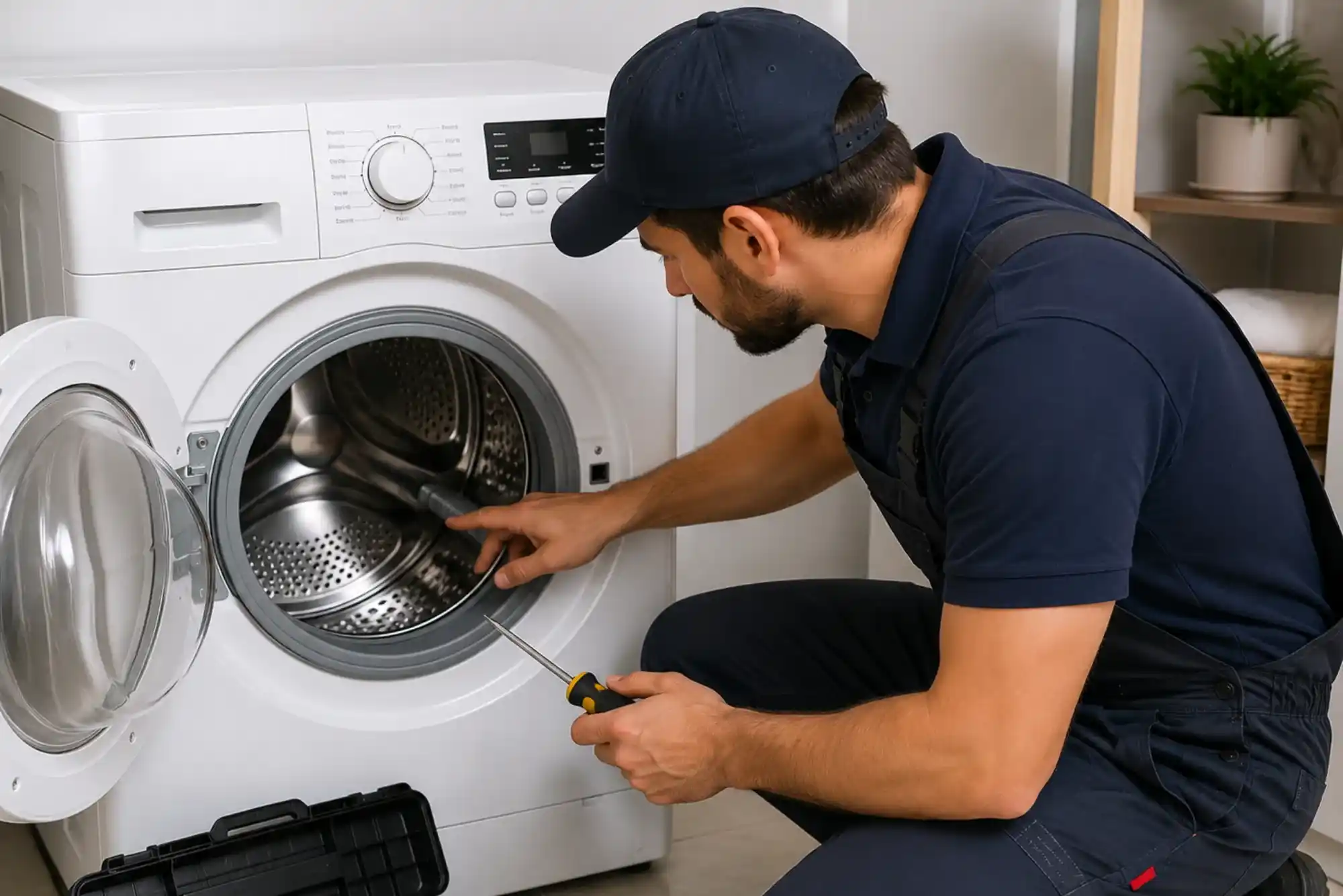
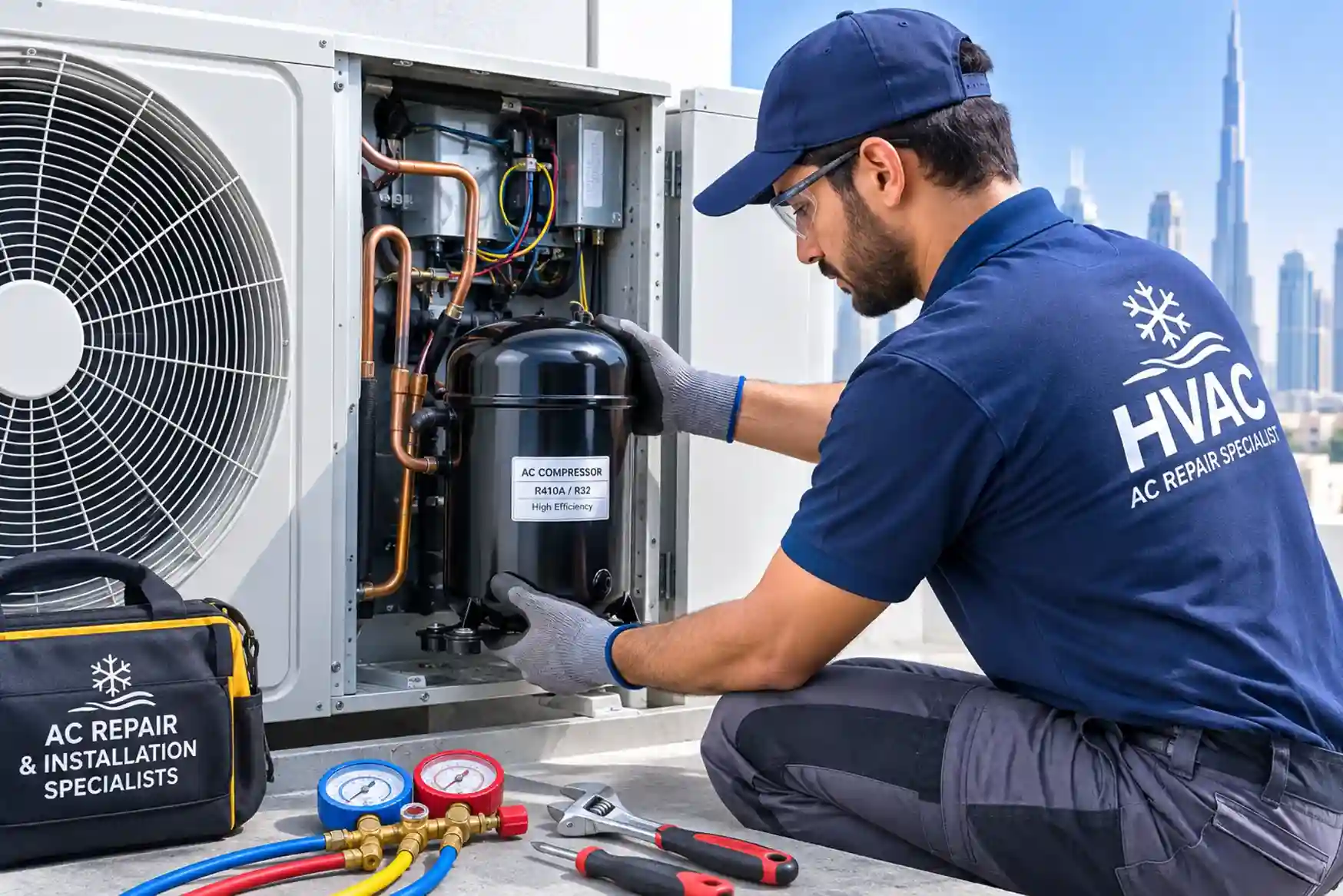
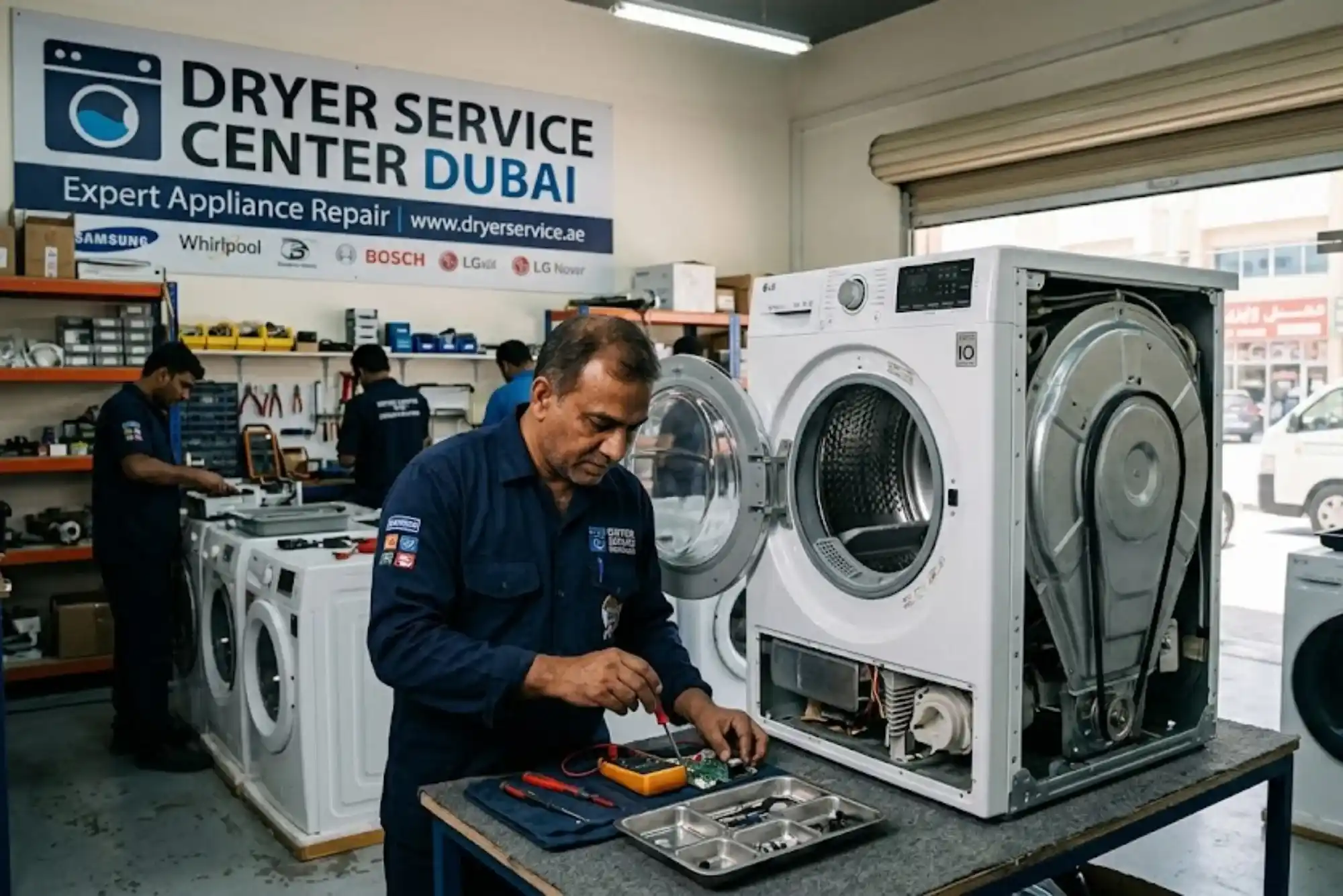
When a dryer suddenly refuses to turn on after completing a cycle, it can disrupt your daily routine and leave your laundry unfinished. This issue can stem from electrical faults, internal malfunctions, or mechanical failures. Understanding the underlying cause is essential to determine whether you can troubleshoot it yourself or need professional dryer repair services. In this detailed guide, we’ll explore the reasons your dryer may not turn on after a cycle and how expert technicians handle such problems efficiently and safely.
Understanding How a Dryer Works
Before diagnosing why your dryer stopped turning on, it helps to understand its basic operation. A typical dryer uses electricity or gas to generate heat and a motor to rotate the drum. The control board, timer, and various sensors regulate the temperature, airflow, and drying cycle duration. When the dryer finishes a cycle, the system should reset and prepare for the next load. If it fails to power back on, it usually means a component involved in this process has malfunctioned.
Common Causes of a Dryer Not Turning On After a Cycle
A dryer that won’t turn on after completing a drying cycle often points to an electrical or mechanical fault. The most frequent causes include a blown thermal fuse, faulty door switch, defective start switch, tripped circuit breaker, or a malfunctioning control board. Sometimes, the issue arises due to overheating or continuous use without proper maintenance. Over time, lint buildup or poor ventilation can cause the system to shut down as a safety precaution.
Another possible reason is that the motor has overheated and automatically shut off. Many dryers include thermal protection that prevents the motor from running until it cools down. If you attempt to start the dryer immediately after a cycle and it fails, giving it some time to rest might help, but persistent failure requires dryer repair inspection.
Electrical Problems and Power Supply Issues
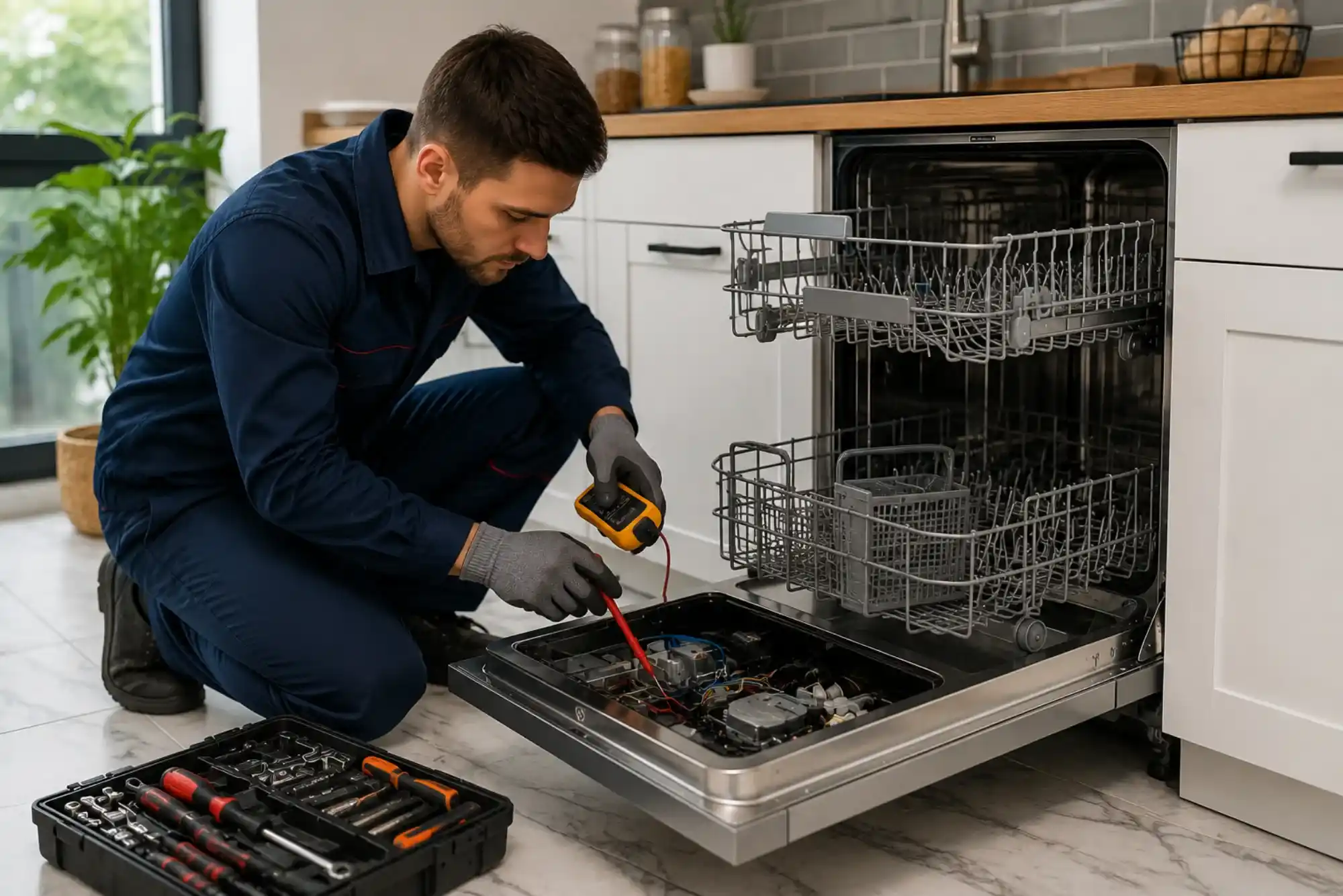
Electrical faults are among the most common reasons a dryer won’t start. A tripped breaker, loose power cord, or damaged outlet can interrupt the power flow. Sometimes, even when the dryer’s control panel lights up, it might not receive enough voltage to operate the motor or heating element. Professional technicians use voltage meters to confirm whether the appliance is receiving the proper current.
If your dryer is electric, it typically requires a 240-volt outlet. If one of the circuit’s two breakers has tripped, the machine may not power on. For gas dryers, an issue with the gas supply or ignition system could be the culprit. Either way, professional dryer repair experts can quickly test and resolve such electrical problems safely.

Internal Component Failures
When internal components fail, the dryer’s control system cannot start a new cycle. The most common internal failures include a blown thermal fuse, faulty timer, or malfunctioning main control board. The thermal fuse acts as a safety device to prevent overheating. Once it blows, the dryer will not start until it is replaced. Similarly, a defective timer or control board can disrupt the entire startup sequence.
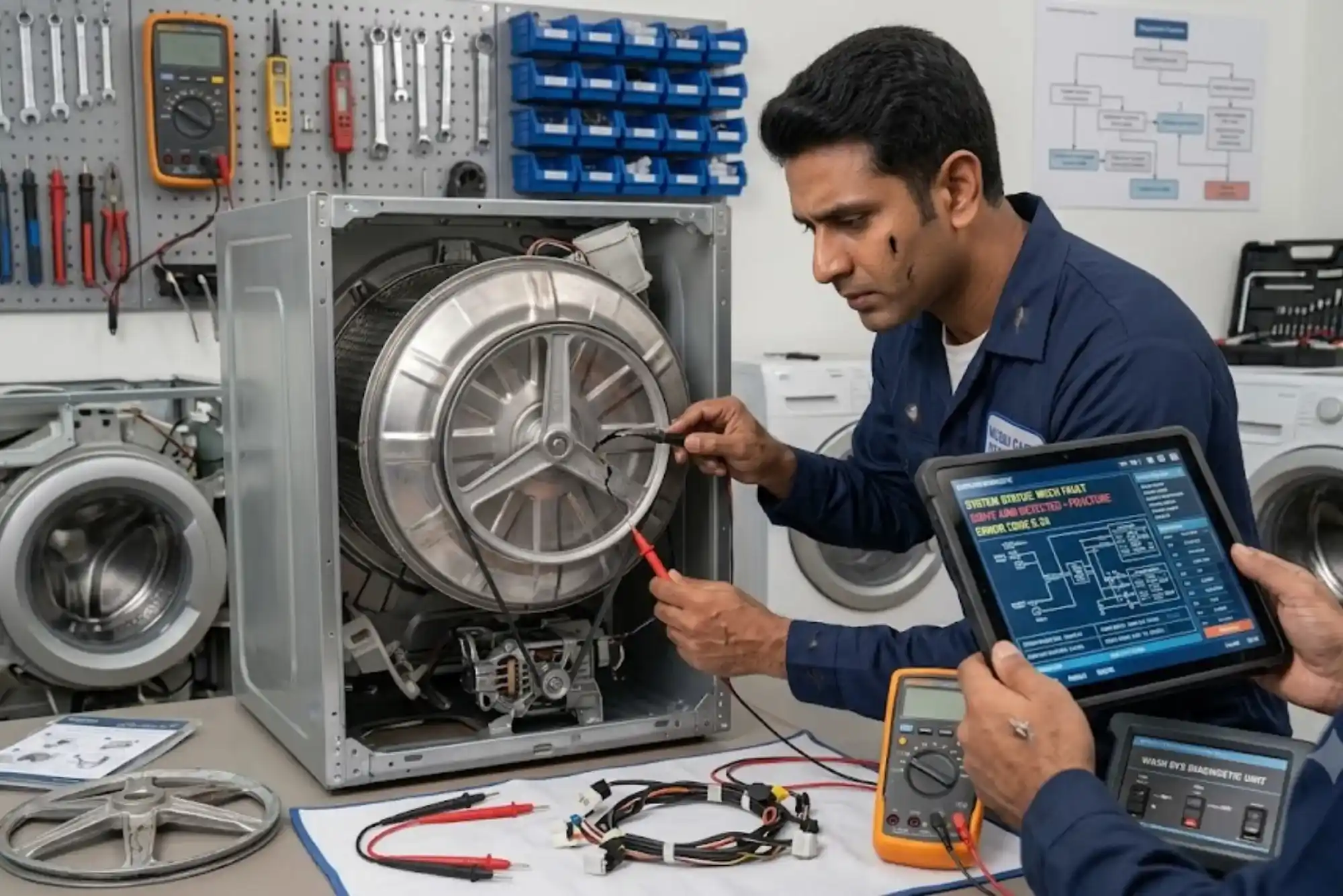
Replacing these components requires technical knowledge and specialized tools. Professional repair technicians diagnose these faults using continuity tests and visual inspections. They ensure all safety switches, sensors, and wiring connections are in proper working condition before restoring power to the dryer.
Door and Start Switch Malfunctions
Another frequent issue involves the door switch or start switch. The dryer will not operate if it detects the door as open, even if it’s properly closed. Over time, the door switch can wear out or become misaligned. Likewise, the start switch may fail due to repeated use or electrical shorting. When either switch malfunctions, pressing the start button will have no effect.
Technicians can test these switches with a multimeter to determine if they are functioning correctly. Replacing these parts is a standard procedure in dryer repair, ensuring safe and reliable operation once completed.
Motor or Belt Problems
A burned-out motor or broken drive belt can also prevent the dryer from turning on or starting a cycle. The motor drives the drum, and if it overheats or wears out, it may stop working altogether. In some cases, you might hear a humming sound without drum movement, indicating a mechanical obstruction or seized motor.
The drive belt, on the other hand, connects the motor to the drum. If it snaps or slips off, the dryer may appear unresponsive. Professional repair services inspect both the motor and belt assembly to ensure smooth rotation and efficient performance after repair.
Control Board and Sensor Issues
Modern dryers use electronic control boards and multiple sensors to monitor temperature, humidity, and timing. If the control board becomes faulty, it can prevent the dryer from responding even when power is available. Similarly, defective sensors may send incorrect signals, causing the machine to remain in standby mode.
Technicians trained in dryer repair perform diagnostic tests to verify each component’s functionality. If the control board or sensor system is damaged, they can replace or recalibrate it to restore normal operation.
Preventive Maintenance Tips
Regular maintenance plays a critical role in preventing dryer malfunctions. Cleaning the lint filter after every load, ensuring proper ventilation, and inspecting the vent hose for blockages can help your appliance perform efficiently. Periodic professional servicing can also detect potential issues before they escalate.
Maintaining good airflow is especially important because restricted ventilation can cause the dryer to overheat and shut down prematurely. Proper cleaning and servicing not only prevent breakdowns but also extend the appliance’s lifespan and reduce energy consumption.
Importance of Professional Dryer Repair
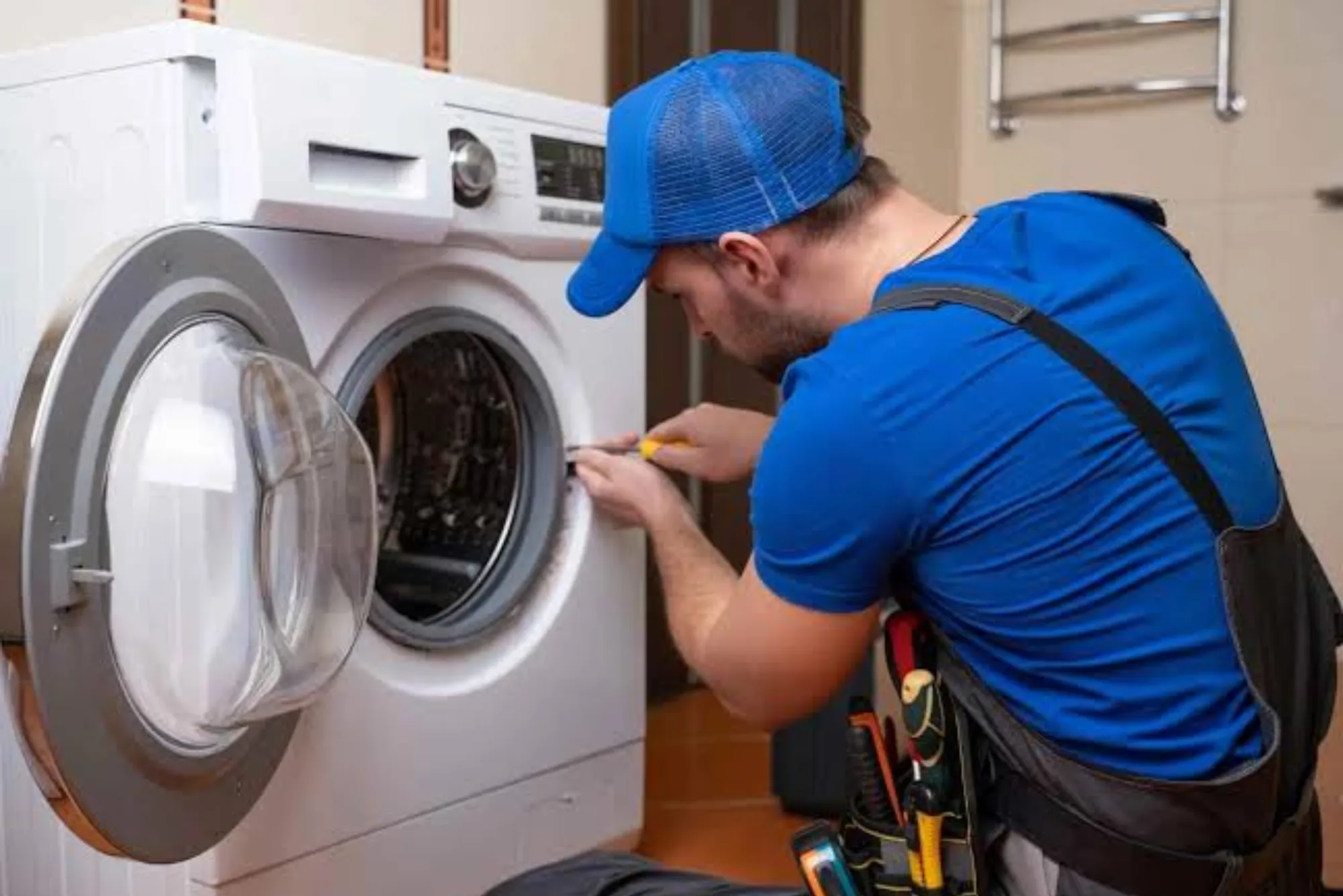
While it might be tempting to troubleshoot the problem yourself, dryers involve high voltage and complex internal components. Attempting DIY repairs without proper training can lead to further damage or electrical hazards. Professional technicians have the experience, tools, and knowledge to identify and repair the problem safely.
By hiring an expert dryer repair service, you can ensure that all components are inspected thoroughly, damaged parts are replaced with genuine ones, and your dryer operates efficiently once again. Professionals can also provide maintenance advice and help prevent recurring issues.
Restoring Dryer Performance After Repair
Once the faulty components are repaired or replaced, your dryer should return to optimal performance. Technicians test each function—heating, tumbling, and timer operation—to confirm everything works correctly. After a successful dryer repair, your appliance should start smoothly, run quietly, and complete drying cycles without interruption.
If you notice any unusual sounds or delays after repair, it’s best to have the technician recheck the installation or component alignment. Routine inspections can help maintain peak efficiency and prevent future downtime.
A dryer not turning on after a cycle can be caused by various electrical, mechanical, or control-related issues. From a blown fuse to a faulty motor or control board, the problem requires a systematic inspection to identify the root cause. Professional dryer repair services offer the expertise and tools necessary to restore functionality quickly and safely.